
Quick answer: verification handoff ledger
Review focus: verification handoff ledger.
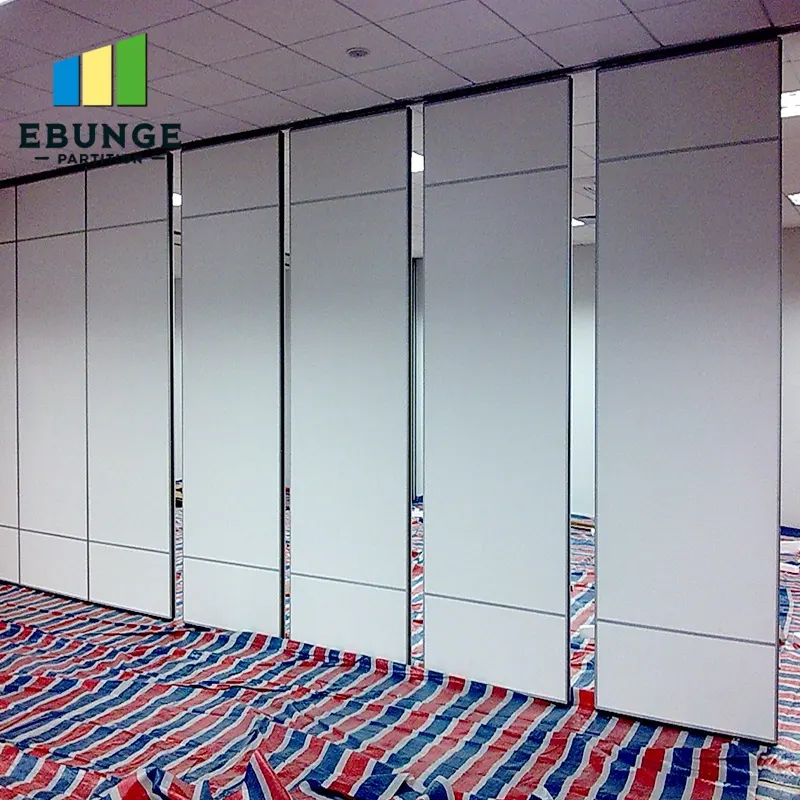
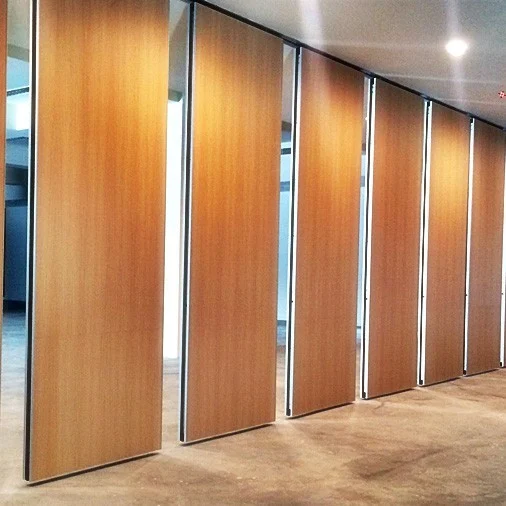
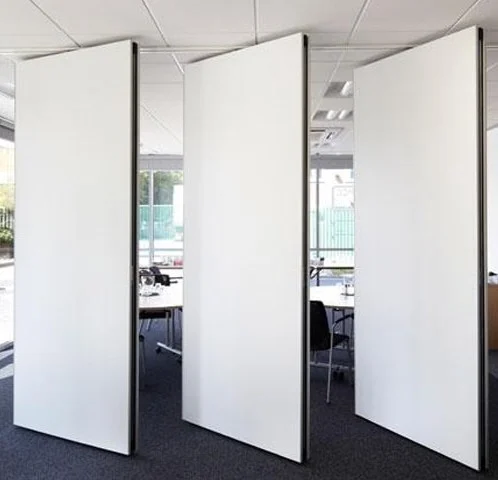
An architect coordination assumption verification handoff ledger movable partition is a working register that records every design-phase assumption about a movable wall system, who verified it, and at which coordination milestone. It exists because movable partitions are top-hung, individually movable, suspended from a top track, cross the opening without a floor track, and park at a planned stacking position. Each of those facts creates an interface that must be confirmed before construction documents are issued.
Why a Ledger Beats a Meeting Note
Project review term: verification handoff ledger.
Meeting minutes record what was said. A ledger records what has been verified and what remains open. On a flexible-space project, the difference matters because acoustic intent, track routing, stacking space and ceiling support are often discussed in separate conversations with different consultants.
Without a single register, an assumption made early can survive into tender documents as if it were confirmed. The ledger prevents that by giving every assumption a status, an owner and a milestone.
The Four Assumption Families
Coordination scope: verification handoff ledger.
Group entries into four families so that nothing is buried inside a general coordination note. Each family has a different verification route and a different point of failure.
Acoustic intent
Record the required acoustic separation as a project requirement, not as a product promise. The suitability of each route and parking arrangement depends on the approved layout, circulation, ceiling interfaces and operating sequence. The ledger should state who will confirm the project-specific acoustic requirement and what evidence will be reviewed.
Track and route
Straight, turning and stacking routes are reviewed from the layout. Every proposed movement path requires a continuous connected overhead route and project-specific support review.
Stacking position
Parking style is customized to the customer layout and project requirements and may support compact stacking when the coordinated design permits it. The ledger should record the planned stacking position, the space reserved for it, and who confirmed that the position remains available after other trades are coordinated.
Ceiling interface
The top track is a ceiling interface, not a wall interface. The ledger should record the ceiling type, the coordination point for support, and the consultant responsible for confirming that the interface is suitable for the project-specific condition.
Ledger Columns That Actually Get Used
Checklist focus: verification handoff ledger.
A ledger with too many columns is abandoned. The following structure keeps each row short enough to review in a coordination meeting.
| Column | What it records | Why it matters |
|---|---|---|
| Assumption ID | A short reference such as A-01 | Lets drawings and emails cite the same item |
| Family | Acoustic, track, stack or ceiling | Routes the item to the right reviewer |
| Assumption statement | What is currently believed to be true | Makes the assumption visible instead of implicit |
| Verification owner | Architect, supplier, structural consultant or owner | Prevents two parties assuming the other checked it |
| Milestone | Design stage at which verification is due | Keeps verification ahead of document issue |
| Status | Open, in review, verified or changed | Gives a single readable state |
| Evidence reference | Drawing, sketch or written confirmation | Shows what the status is based on |
Milestones for the Handoff
Review focus: verification handoff ledger.
The ledger is only useful if it is tied to design milestones. A simple sequence works for most projects.
- Concept review: list every assumption about room division, movement and parking.
- Schematic coordination: assign an owner to each assumption and mark which ones need specialist input.
- Interface review: review track routes, stacking positions and ceiling interfaces against the current layout.
- Pre-tender check: confirm that no open assumption is written into the specification as a fixed requirement.
- Construction document issue: close or explicitly carry forward every remaining item with a named owner.
What the Specialist Supplier Can Confirm
Project review term: verification handoff ledger.
The supplier’s role in the ledger is to confirm product-related items and to state clearly where project-specific verification is still required. Confirmed finish options include laminate, melamine, fabric, leather, glass and other approved surfaces. Pass-door requirements and project documentation can be discussed as part of the coordination process.
Where it has not, the ledger status should remain open.
Evidence Notes and Visible Limits
An assumption is verified only when the named owner has confirmed it against a project-specific drawing, calculation or written statement. A finish sample, a photograph or a generic product description is not verification of acoustic, structural or dimensional performance.
Keep evidence notes short and specific. If the evidence is a verbal comment, record it as provisional until written confirmation follows.
Common Coordination Failures
The following patterns appear repeatedly.
- Acoustic intent stated as a product label rather than a project requirement.
- Stacking space shown on an early plan but removed during later services coordination.
- Track route drawn across a ceiling transition without a connected overhead path.
- Cost and maintenance requirements depend on the selected configuration, finish and project conditions and require project-specific confirmation.
Each of these is a ledger entry waiting to be created. Adding them early is cheaper than resolving them after documents are issued.
Using the Ledger With Project Documentation
The ledger should sit alongside the drawing set, not replace it. Drawings show geometry; the ledger shows confidence. When a drawing changes, the ledger should be reviewed for assumptions that are no longer valid.
For teams that need background material on flexible-space planning, the resources section provides general guidance. Product information for top-hung movable walls is available on the movable walls product page.
Frequently Asked Questions
Who should own the ledger?
The architect usually maintains the ledger, because the architect controls the drawing set and the design milestones. The specialist supplier contributes product-related entries and confirms which items require project-specific verification.
When should the ledger start?
Start it as soon as room division and movement are first discussed. Assumptions made at concept stage are the ones most likely to survive unchallenged into construction documents.
Can the supplier verify acoustic performance?
Provide the current layout, opening dimensions, ceiling information, intended room use, and relevant project drawings for review. The exact overhead route and support arrangement must be confirmed by the responsible project team from coordinated drawings.
What if the stacking position changes?
Record the change as a new ledger entry and re-check the route. Parking style is customized to the customer layout and project requirements, so a changed position may affect the coordinated design.
Does every assumption need a drawing?
Not every assumption needs a drawing, but every verified assumption needs a reference to the evidence used.
How does the ledger relate to construction documents?
The ledger is a pre-issue check. Before documents are issued, every open assumption should be closed, changed or explicitly carried forward with a named owner.
Conclusion
A coordination ledger turns design-phase assumptions into visible, owned and verifiable items. It does not replace engineering judgement, acoustic assessment or project-specific review. It simply makes sure those reviews happen before the documents are issued, and that everyone can see which items are still open.
To discuss pass-door requirements, project documentation or coordination for a specific layout, contact the EBUNGE team and share the current drawings and assumptions.