
Quick answer: changeover task interruption
Review focus: changeover task interruption.
Movable partition changeover task interruption recovery is a facility operations planning topic, not a product performance claim. In multi-room venues, a changeover is the sequence of moving panels from a closed position to a planned stacking position, or the reverse. Interruptions occur when that sequence is blocked by layout conflicts, unclear parking zones, missing documentation or competing room bookings. This framework helps overseas contractors, architects, interior designers, owners and renovation teams plan recovery steps using confirmed product facts and project-specific drawing review.
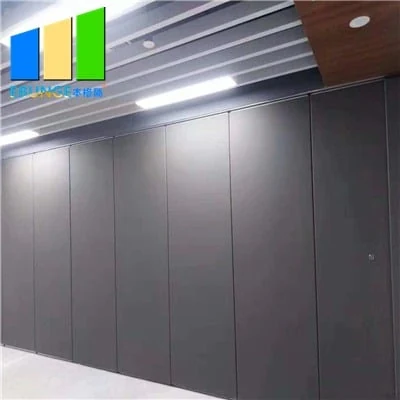
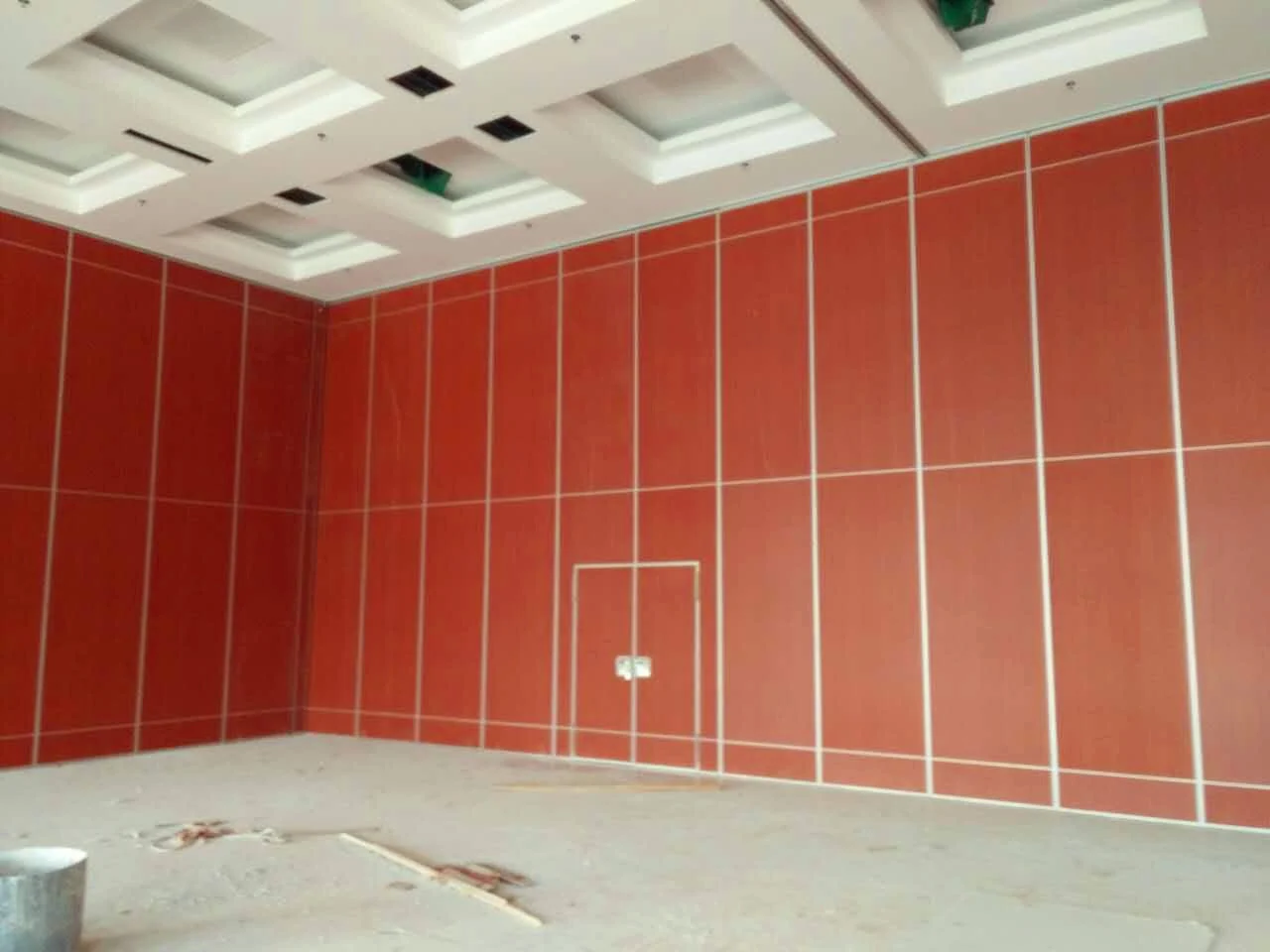
EBUNGE movable wall panels are individually movable, suspended from a top track, cross the opening without a floor track, and park at a planned stacking position. Straight, turning and stacking routes are reviewed from the layout. Finish options include laminate, melamine, fabric, leather, glass and other approved surfaces. Pass-door requirements and project documentation can be discussed. Every project still requires confirmation of support, acoustic and dimensional requirements.
Why Changeover Interruptions Need a Planning Framework
Project review term: changeover task interruption.
A multi-room venue may host a conference in the morning, a training session at midday and a banquet in the evening. Each changeover depends on a connected overhead route, a clear stacking position and a known sequence of panel movements. When one element is unresolved, the changeover can stall. The suitability of each route and parking arrangement depends on the approved layout, circulation, ceiling interfaces and operating sequence.
Planning should separate confirmed product facts from project-specific evidence. Confirmed facts describe how panels are suspended and moved. Project-specific evidence covers support conditions, route geometry, stacking space and acoustic requirements. The exact route, junction arrangement, continuous overhead path and parking position must be confirmed from the coordinated project drawings. That boundary belongs in the changeover plan.
Evidence Boundaries for Changeover Planning
Coordination scope: changeover task interruption.
Those statements require matching evidence and should not be inferred from a finish sample, photograph or generic layout.
Evidence note: A visible finish, a room name or a drawing shape does not prove acoustic performance, structural capacity, cleaning compatibility or a application reference. Confirm project-specific support, acoustic and dimensional requirements before relying on any changeover assumption.
Route and Parking Review Before Recovery Sequencing
Checklist focus: changeover task interruption.
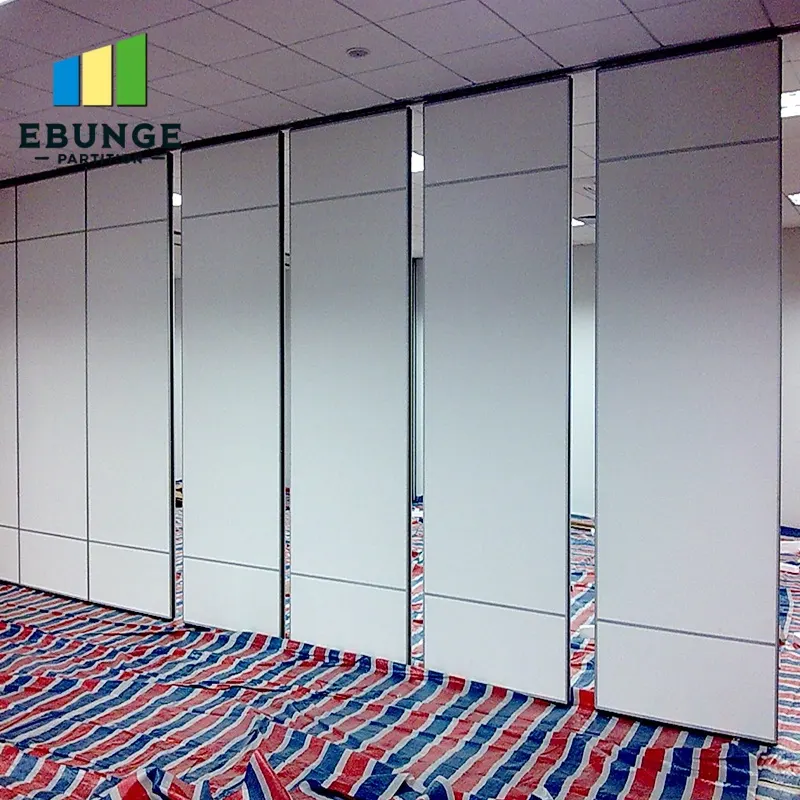
Straight, turning and stacking routes are reviewed from the layout. A route review should identify where panels travel, where they turn and where they park. Parking style is customized to the customer layout and project requirements and may support compact stacking when the coordinated design permits it. The review should also confirm that the overhead route is continuous and connected for every proposed movement path.
Questions for the route review
- Does the layout show a continuous connected overhead route for each movement path?
- Are turning points and stacking positions coordinated with adjacent room functions?
- Does the parking zone remain accessible when other rooms are in use?
- Are pass-door requirements identified where occupants need to move between divided spaces?
- Are finish selections recorded without implying acoustic or structural performance?
A Changeover Interruption and Recovery Sequence
Review focus: changeover task interruption.
The following sequence is a planning aid. It does not promise a completion time, a manpower level or a performance result. It helps teams decide what to check before, during and after an interruption.
- Confirm the intended room configuration. Record which panels move, where they park and which openings remain clear.
- Verify the overhead route.
- Check the stacking position. Confirm that the planned parking area is available and coordinated with the layout.
- Identify the interruption cause. Distinguish a layout conflict from a documentation gap or a booking conflict.
- Apply the recovery step. Return to the approved layout, adjust the sequence or escalate the unresolved item for project-specific review.
- Record the outcome. Update the changeover plan so the next event starts from a known configuration.
Coordination Roles and Documentation
Contractors can review support and route conditions. Architects and interior designers can confirm dimensional and finish intent. Owners and venue operators can define room combinations and booking patterns. Distributors and construction teams can align delivery and installation planning with the approved layout.
| Planning item | Typical coordination owner | Evidence needed before changeover |
|---|---|---|
| Overhead route continuity | Contractor and designer | Layout drawing showing connected route |
| Stacking position | Owner and designer | Coordinated parking zone in the layout |
| Finish selection | Designer and owner | Approved finish schedule |
| Pass-door requirement | Owner and contractor | Documented opening requirement |
| Acoustic requirement | Acoustic consultant and designer | Project-specific acoustic specification |
Recovery Checklist for Multi-Room Venues
Use this checklist when a changeover is interrupted. It keeps the response tied to maintained product facts and visible evidence limits.
- Stop and identify whether the interruption is a route, parking, documentation or booking issue.
- Compare the current configuration with the approved layout drawing.
- Confirm that the stacking position remains within the planned parking zone.
- Record any unresolved item for project-specific support, acoustic or dimensional review.
- Update the changeover sequence before the next room combination.
For product context, review the movable walls product page. For general planning resources, see the resources page. When a changeover plan depends on project-specific support, acoustic or dimensional confirmation, contact the team with the relevant drawings and requirements.
Frequently Asked Questions
What is movable partition changeover task interruption recovery?
It is the planning process for restoring a workable panel movement sequence after a changeover is blocked. It focuses on route continuity, parking availability, documentation and coordination rather than unsupported speed or performance claims.
Do movable partitions need a floor track for changeover?
EBUNGE movable wall panels are top-hung and cross the opening without a floor track. Straight, turning and stacking routes are still reviewed from the layout, and every proposed movement path requires a continuous connected overhead route.
Can changeover planning guarantee acoustic performance?
No. Acoustic requirements are project-specific. Confirm acoustic requirements with the project team and do not infer performance from a finish, drawing or room name.
What information should be ready before a changeover review?
Prepare layout drawings, intended room combinations, stacking positions, finish selections, pass-door requirements and any project-specific support or acoustic documentation. This helps the team review routes and parking without guessing.
How should interruptions be recorded?
Record the cause, the affected route or parking position, the recovery step taken and any item requiring project-specific confirmation. Update the changeover plan so the next event starts from a known configuration.
Are named venues a limitation on where movable partitions can be used?
No. Named venues are examples only. Movable partitions can be considered wherever flexible spatial division, combination or reconfiguration is required, subject to project-specific review.
Conclusion and Next Step
Changeover interruption recovery is strongest when it stays inside confirmed facts and visible evidence limits. Plan the route, confirm the parking position, document the room combinations and escalate unresolved support, acoustic or dimensional questions.
To discuss pass-door requirements, project documentation or a specific layout, contact EBUNGE and share the drawings and requirements your team needs reviewed.