
Quick answer: changeover window overrun escalation
Review focus: changeover window overrun escalation.
When a movable partition changeover window overrun escalation is handled informally, rooms sit idle while staff wait for a verbal decision. A written ladder fixes that. It names the trigger points, the decision owner at each stage, and the three possible outcomes: defer room release, perform a partial reconfiguration, or displace the incoming booking. This article sets out that ladder for facility and venue operations teams, using only maintained product facts and clearly marked evidence boundaries.
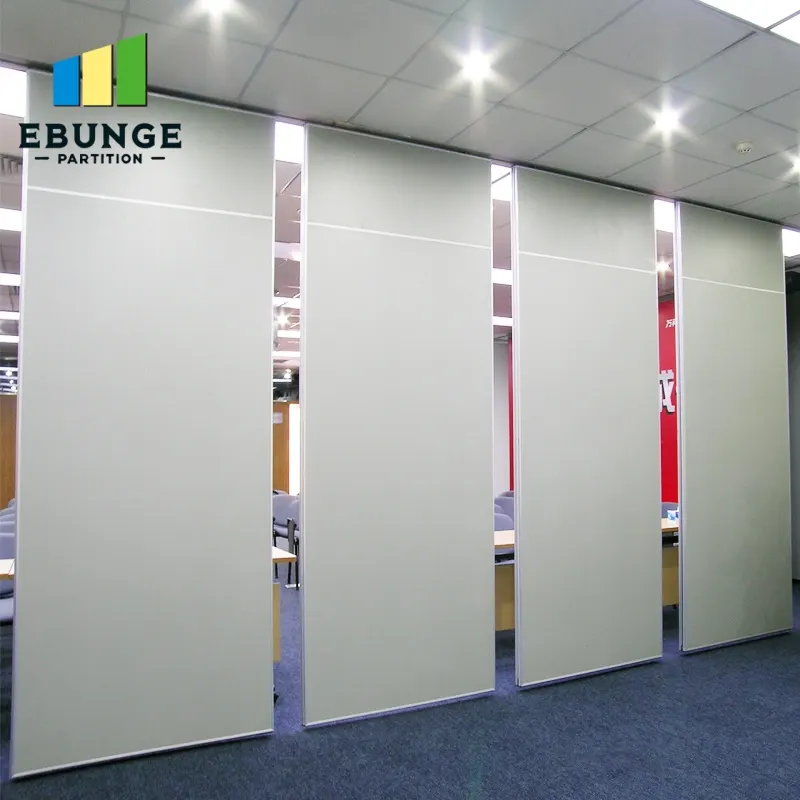
The focus is operational policy, not product performance. Movable partition panels are individually movable, suspended from a top track, cross the opening without a floor track, and park at a planned stacking position. Those facts shape what a changeover can realistically involve, but every project still needs its own support, acoustic and dimensional review. Confirm those items with the project team before writing any policy into a venue handbook.
Why Changeover Windows Overrun in Flexible Rooms
Project review term: changeover window overrun escalation.
A changeover window is the time reserved between one room configuration and the next. Overruns usually come from three sources: the previous booking releases late, the required configuration differs from the one currently parked, or the route between the opening and the stacking position is obstructed. None of these are product faults. They are scheduling and coordination events.
Because panels are top-hung and travel without a floor track, the movement path is overhead. Straight, turning and stacking routes are reviewed from the layout. If a route is blocked by stored furniture, a service trolley or a temporary display, the changeover cannot proceed as planned even though the partition itself is ready. Policy should therefore treat route clearance as a scheduled task, not an afterthought.
Defining the Escalation Ladder Before the First Conflict
Coordination scope: changeover window overrun escalation.
An escalation ladder works only if it is agreed in advance. Write it into the room scheduling policy, publish it to front-of-house and operations staff, and review it after any month with repeated overruns. The ladder below is a template; adapt the timings to the venue and confirm them with the project team.
- Stage 1 — Watch: the changeover is running behind but the incoming booking is not yet at risk. The duty supervisor logs the delay and checks route clearance.
- Stage 2 — Prepare: the delay threatens the published window. The supervisor confirms which configuration the incoming booking actually requires and whether a partial reconfiguration would serve it.
- Stage 3 — Decide: the venue operations manager chooses defer, partial reconfiguration or displacement, using the decision gates below.
- Stage 4 — Communicate: the decision is issued to both bookings, the front desk and the AV or catering teams in one message.
- Stage 5 — Review: the event is recorded so repeated causes can be addressed in the next scheduling cycle.
Who Owns Each Stage
Stage 1 belongs to the duty supervisor. Stage 2 can be handled by the supervisor with the bookings coordinator. Stage 3 should sit with a single named manager who has authority over room release. Stages 4 and 5 return to the supervisor and the bookings coordinator. Avoid splitting Stage 3 between the assigned operating team; that is how rooms idle.
Decision Gates: Defer, Partially Reconfigure or Displace
Checklist focus: changeover window overrun escalation.
The three outcomes are not equal. Deferring room release is the least disruptive because it keeps the incoming booking in the same room. Partial reconfiguration is next, because it may satisfy the incoming booking without a full changeover. Displacement is the last resort and should require the clearest justification.
| Gate | Question to ask | Likely outcome |
|---|---|---|
| Gate A | Can the incoming booking proceed with the current configuration or a partial one? | Defer release or partial reconfiguration |
| Gate B | Is the required route clear and the stacking position available? | Proceed with changeover |
| Gate C | Does the incoming booking have a hard start that cannot move? | Displacement may be required |
| Gate D | Is the delay caused by a recurring scheduling pattern? | Review policy, not just the event |
Gate A is the most useful because it prevents unnecessary full changeovers. Many bookings need a smaller or larger room, not a different acoustic condition. If the incoming booking can be served by a partial reconfiguration, the venue avoids both idling and displacement.
Partial Reconfiguration as a Middle Path
Review focus: changeover window overrun escalation.
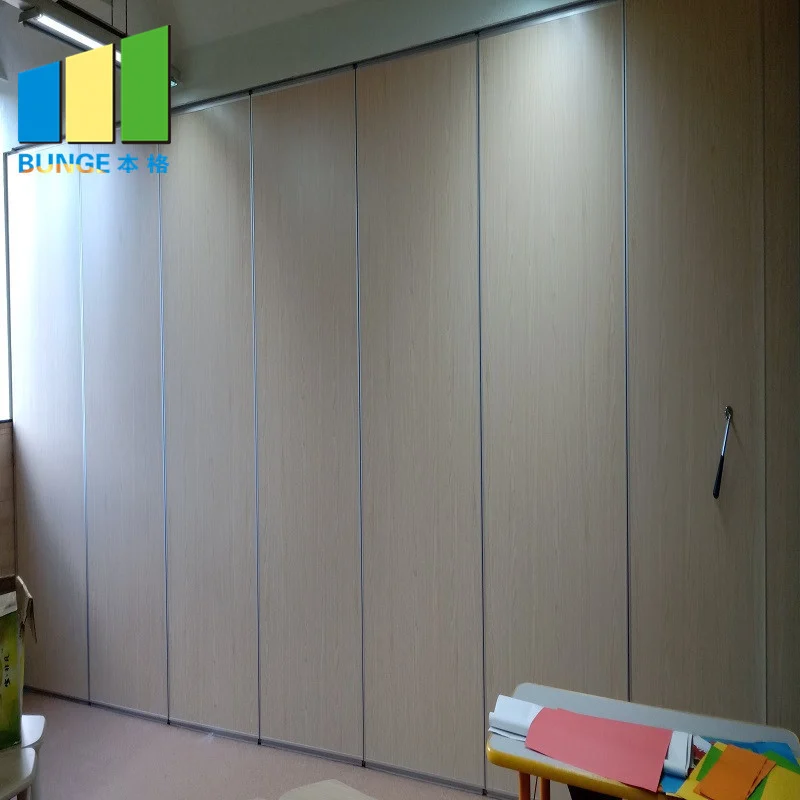
Partial reconfiguration means moving only the panels needed to create the required division, rather than returning every panel to its parked position. Whether this is possible depends on the layout, the stacking plan and the route review. It is a project-specific question, not a default capability.
Operations teams should ask the project team to identify which partial configurations are feasible and how they should be documented. This is also where pass-door requirements and project documentation can be discussed, because a partial configuration may change how people move between spaces. The suitability of each route and parking arrangement depends on the approved layout, circulation, ceiling interfaces and operating sequence.
Evidence Note
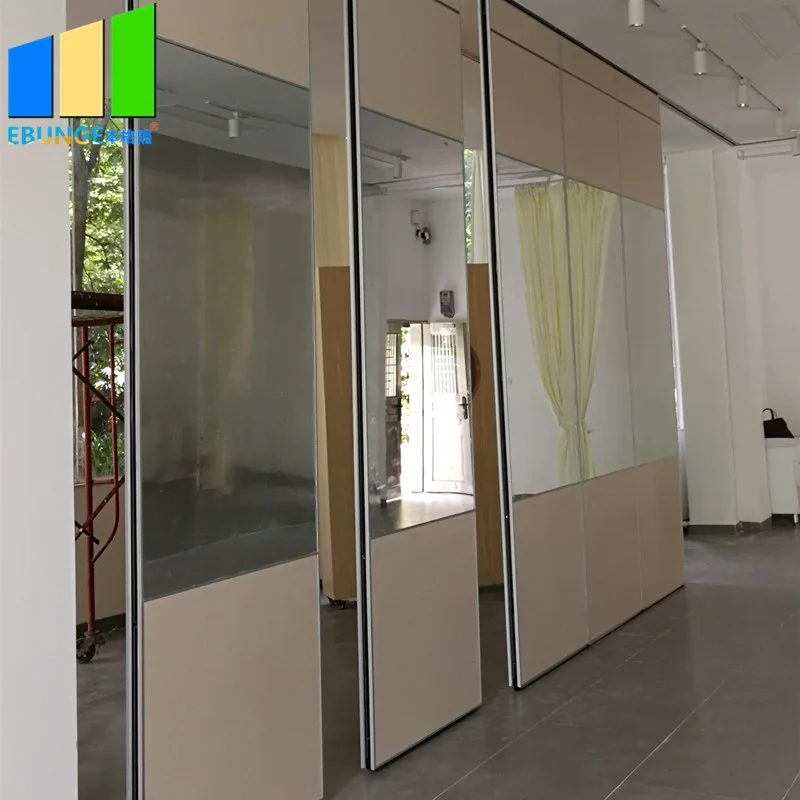
Route feasibility, stacking position, support conditions, acoustic requirements and dimensional clearances are project-specific. Confirm them from the approved layout and project documentation before publishing any changeover policy. Do not infer them from a photograph, a finish sample or a generic description.
Booking Displacement Without Losing Trust
Displacement is a commercial and relationship decision as much as an operational one. The policy should state who can authorise it, what alternatives must be offered first, and how the decision is recorded. A displaced booking should receive a clear reason, a comparable alternative where one exists, and a single point of contact.
To keep displacement rare, review the scheduling pattern monthly. If the same room overruns at the same time of day, the problem is usually the booking pattern, not the partition.
Documentation and Handover for Operations Teams
The escalation ladder should live alongside the room layout, the parking plan and the route review. New operations staff should be walked through the ladder during handover, including the decision gates and the named Stage 3 owner. The movable walls product page provides maintained product context, while the resources section supports broader project planning.
Keep the policy short enough to be used under pressure. One page of stages, one table of gates and one contact list is usually enough. If the policy runs to several pages, staff will default to informal decisions, and rooms will idle again.
Frequently Asked Questions
What is a movable partition changeover window overrun escalation?
It is a pre-agreed sequence of stages and decision owners used when a room reconfiguration runs past its reserved window. It defines when to defer room release, when to attempt a partial reconfiguration, and when to displace an incoming booking.
Who should authorise booking displacement?
A single named manager with authority over room release. Splitting that authority between roles is a common cause of delay, because no one feels able to make the call while the room remains unavailable.
Can a partial reconfiguration replace a full changeover?
Sometimes, but it depends on the layout, the stacking plan and the route review. Ask the project team to confirm which partial configurations are feasible and how they should be documented for operations staff.
Does a top-hung partition need a floor track for changeovers?
No. The panels are suspended from a top track and cross the opening without a floor track. The movement path is overhead, and straight, turning and stacking routes are reviewed from the layout.
How should acoustic requirements be handled in the policy?
Treat them as project-specific. Confirm the required acoustic conditions for each configuration with the project team rather than assuming one configuration matches another.
What should be reviewed after an overrun?
The cause, the stage at which the decision was made, and whether the booking pattern needs a longer buffer. Repeated overruns in the same slot usually point to scheduling, not to the partition system.
Conclusion and Next Step
A changeover window overrun escalation ladder turns a stressful, informal decision into a predictable process. Define the stages, name the decision owner, use the gates to choose between deferral, partial reconfiguration and displacement, and review the pattern monthly. Keep every product and project claim tied to confirmed documentation.
To discuss pass-door requirements, project documentation or layout-specific route and stacking reviews, contact the EBUNGE team. Confirm support, acoustic and dimensional requirements for your project before finalising any scheduling policy.