
Quick project answer
Review focus: route reinstatement protocol.
When a room is reconfigured, the panels themselves are only part of the story. The movable partition changeover route reinstatement protocol is the planning sequence that identifies temporary obstructions created while panels move and park, then confirms that circulation routes are reinstated before the space is handed back to occupants. This article sets out a drawing-led, evidence-bounded approach for contractors, architects, facility teams and owners. It does not replace project-specific review of support, acoustics or dimensions.
Why Changeover Creates Temporary Circulation Obstructions
Project review term: route reinstatement protocol.
EBUNGE movable wall panels are individually movable and suspended from a top track. They cross the opening without a floor track and park at a planned stacking position. That clear-floor operation is a maintained product fact, but it does not mean the route is unobstructed during the changeover itself.
While panels are being moved, the opening, the approach path and the parking zone may be temporarily occupied by panels in transit. A corridor that is clear in the finished layout can be blocked for a short period. The protocol therefore treats changeover as a distinct operational phase with its own route logic.
Define the Route Types Before Reviewing Drawings
Record the interface decision in the drawing set
Before the drawing package is released, place the partition line, the adjacent wall-mounted item, and the intended interface on the same coordinated view. Identify the drawing number, revision, responsible discipline, and open decision beside the detail. For route reinstatement protocol, this creates a traceable review point without assuming that a typical detail applies to the current room. The project team can then compare reflected ceiling plans, elevations, sections, and equipment layouts against one current reference.
Use a short interface register to record what is confirmed, what remains open, who owns the next response, and which revision will close the item. The register should distinguish a dimensional input from a product selection and from an installation sequence. That separation helps reviewers avoid treating an early coordination note as an approved construction instruction.
Straight, turning and stacking routes are reviewed from the layout. Each route type raises different questions about how panels travel and where they rest. Reviewing them separately prevents a single generic path from being assumed.
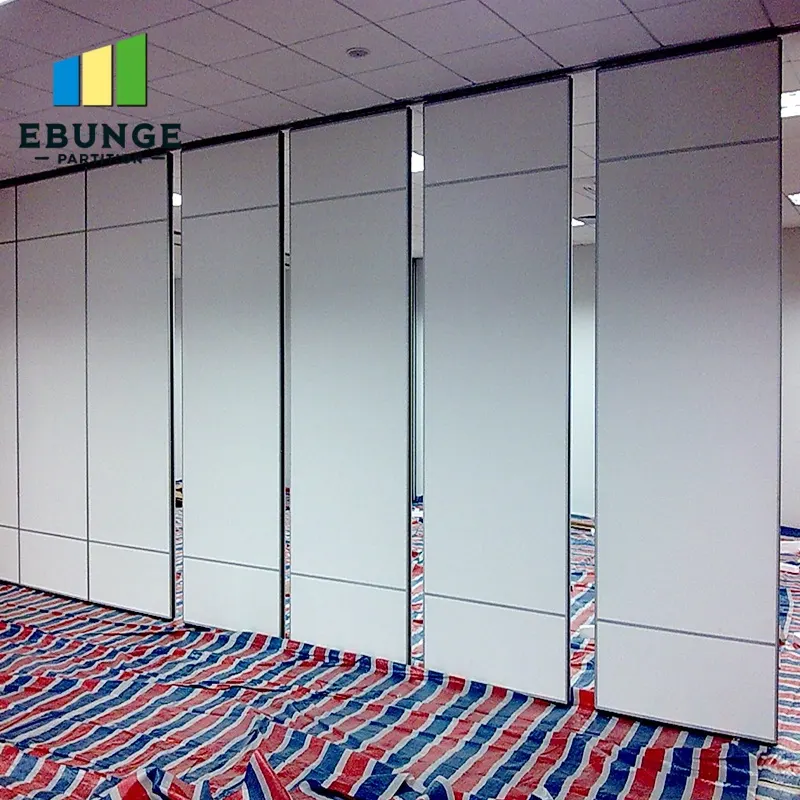
Straight and turning movement
A straight route follows the partition line. The exact route, junction arrangement, continuous overhead path and parking position must be confirmed from the coordinated project drawings. Confirm the intended path against the coordinated layout rather than inferring it from a photograph.
Stacking and parking position
Parking style is customized to the customer layout and project requirements and may support compact stacking when the coordinated design permits it. The parking position determines which floor area is temporarily unavailable during changeover.
A Step-by-Step Route Reinstatement Protocol
- Mark the changeover zone. On the layout, shade the opening, approach path and parking area that panels occupy during movement.
- List affected routes. Identify primary circulation, accessible routes, egress paths and service access that pass through or beside the zone.
- Sequence the changeover. Decide the order in which panels move and park so that no route is blocked longer than the operation requires.
- Assign reinstatement checks. Name who confirms that each route is clear, and record the check before occupants return.
- Confirm project-specific requirements. Verify support, acoustic and dimensional requirements with the responsible design team.
This sequence is a planning framework, not a substitute for site-specific engineering or accessibility review.
Evidence Boundaries for Accessibility and Circulation Review
Review responsibilities before document release
Assign each review question to the discipline that controls the relevant document. The architect can confirm room use and visible alignment, the interior package can identify wall-mounted accessories, and the partition supplier can review the supplied opening and interface information. The purpose is not to transfer design responsibility; it is to make the missing input visible before procurement or installation planning proceeds.
For route reinstatement protocol, record responses directly against the current issue rather than in an isolated message thread. If a dimension or location changes, reopen the linked interface item and check the affected views again. Keep superseded decisions available for traceability, but mark the current response clearly so estimators, coordinators, and site teams are not working from different assumptions.
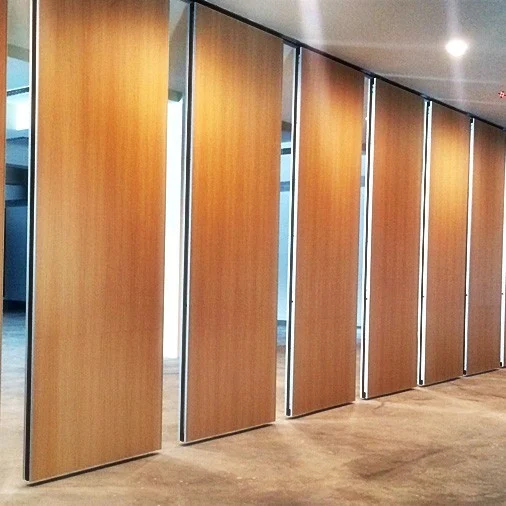
Accessibility and Circulation Review coordination depends on drawings, dimensions and confirmed project requirements. A finish sample or a rendered image does not prove route width, turning space or clearance. Do not derive hidden performance from a visible shape or finish.
Evidence note: confirm project-specific support, acoustic and dimensional requirements before treating any route as approved. Comparative or absolute statements require matching evidence.
Where a project has accessibility obligations, the review should be led by the responsible design professional using the applicable local requirements. EBUNGE can discuss pass-door requirements and project documentation, but the project team remains responsible for confirming compliance.
Coordinating Finishes, Pass Doors and Documentation
Confirmed finish options include laminate, melamine, fabric, leather, glass and other approved surfaces. The suitability of each route and parking arrangement depends on the approved layout, circulation, ceiling interfaces and operating sequence.
Pass-door requirements and project documentation can be discussed as part of the layout review. A pass door may change how people move through the partition line, so it should be considered alongside the changeover route rather than after it.
For product context, see the movable walls product page. For broader planning material, the resources section collects guidance that supports drawing review.
Common Planning Gaps and How to Close Them
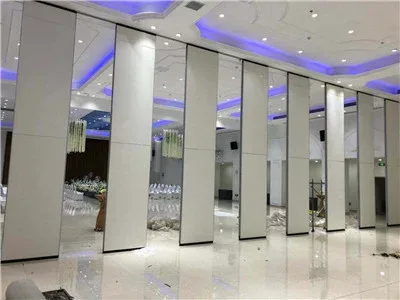
Three gaps appear repeatedly in changeover planning. First, the parking position is drawn but the approach path to it is not. Second, the reinstatement check is assumed rather than assigned. Third, acoustic expectations are treated as a simple number rather than a project-specific design question.
Confirm acoustic requirements with the responsible acoustic consultant.
FAQ: Changeover Route Reinstatement Planning
What is a movable partition changeover route reinstatement protocol?
It is a planning sequence that identifies temporary obstructions created while panels move and park, then confirms that circulation routes are clear before occupants return.
Do movable partitions need a floor track?
EBUNGE panels are top-hung and cross the opening without a floor track.
Can panels travel across an untracked gap?
No. Every proposed movement path requires a continuous connected overhead route and project-specific support review.
How should parking position be decided?
Parking style is customized to the customer layout and project requirements and may support compact stacking when the coordinated design permits it.
Does a finish choice confirm acoustic performance?
No.
When should the project team confirm requirements?
Before routes are approved. Confirm project-specific support, acoustic and dimensional requirements with the responsible design team.
Conclusion and Next Step
A changeover route reinstatement protocol keeps temporary obstructions visible in the plan and assigns responsibility for clearing them.
To discuss pass-door requirements, documentation or layout coordination for your project, contact the EBUNGE team.