
Quick project answer
Review focus: document completeness gate.
A movable partition wall document completeness gate is a defined checkpoint where a project team verifies that every required closeout record exists before releasing a payment or retention amount. For overseas contractors, architects, interior designers, owners and renovation teams, the gate converts handover from a memory exercise into a documented sequence. It does not replace engineering review or project-specific confirmation; it simply ensures the evidence trail is complete when financial close arrives.
Why Handover Records Slip Past Financial Close
Project review term: document completeness gate.
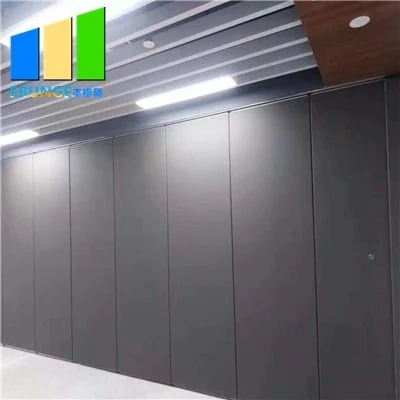
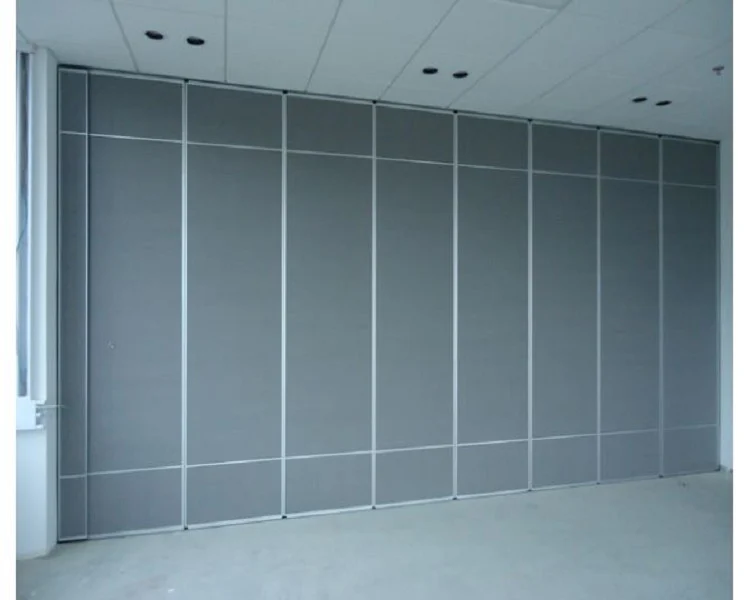
Movable partition systems are top-hung, individually movable and cross the opening without a continuous floor track. Panels park at a planned stacking position, and straight, turning and stacking routes are reviewed from the layout. Because the visible installation can look finished while documentation is still incomplete, teams often release final payment before drawings, route confirmations and finish approvals are consolidated.
A completeness gate addresses that gap. It treats each document as a condition of a payment milestone rather than a follow-up task. The suitability of each route and parking arrangement depends on the approved layout, circulation, ceiling interfaces and operating sequence. It is an administrative control that keeps the evidence trail aligned with the commercial schedule.
Define the Gate Before Installation Begins
Coordination scope: document completeness gate.
The most reliable gate is written into the project plan before panels arrive. The project team should agree which records are mandatory, who holds each record, and which payment or retention milestone each record unlocks. This prevents late disputes about what “complete” means.
Gate ownership and sequence
Assign one document controller or coordinator to maintain the register. The coordinator does not approve technical content; they confirm that each item exists, is current and is filed against the correct milestone. Technical reviewers then confirm that the content matches the coordinated layout and project requirements.
Link records to milestones
Each gate should map to a specific release event, such as a progress payment, practical completion payment or retention release. If a record is missing, the gate stays closed and the release waits. This is a scheduling discipline, not a penalty.
Core Document Groups for a Movable Partition Handover

The exact list depends on the contract, the venue and the project-specific requirements. The groups below are a starting framework; the project team should confirm the final register with the relevant parties.
Design and coordination records
- Approved layout drawings showing straight, turning and stacking routes
- Confirmed parking position and stacking arrangement
- Finish schedule listing approved surfaces such as laminate, melamine, fabric, leather, glass and other approved finishes
- Pass-door requirements and any agreed access provisions
Commercial and closeout records
- Signed variation register and final measured quantities
- Payment application records linked to each gate
- Retention release conditions and any agreed holdback items
- Warranty and maintenance documentation supplied by the responsible parties
A Gate-Check Process Teams Can Repeat
The following numbered process is a coordination method, not a statement of product capability. It assumes the project team has already confirmed support, acoustic and dimensional requirements with the relevant specialists.
- Build the document register from the contract and the coordinated layout.
- Assign each record to a gate and a responsible party.
- Collect records before the associated work is covered or closed.
- Review each record against the current drawing revision.
- Record any missing item as an open gate condition.
- Release the payment or retention only when the gate is fully closed.
- Archive the closed register with the project closeout file.
This sequence keeps the commercial release tied to evidence rather than to the visual appearance of the installation.
Evidence Boundaries: What a Document Gate Can and Cannot Prove
A document completeness gate proves that records exist and are filed. Those outcomes depend on project-specific design, materials and installation conditions that must be confirmed separately.
Evidence note: A finish sample or drawing does not establish acoustic, fire, load or maintenance performance. Confirm project-specific support, acoustic and dimensional requirements with the responsible specialists before relying on any record.
Common Gaps That Keep a Gate Open
Most delays come from a small set of recurring gaps. The table below pairs each gap with a practical check. It is a planning aid, not a statement about any specific project.
| Common gap | Gate check |
|---|---|
| Layout revision mismatch | Confirm the drawing revision matches the installed route and parking position |
| Finish approval missing | Verify the approved finish schedule covers every panel and pass-door element |
| Route confirmation absent | Check that straight, turning and stacking routes were reviewed from the layout |
| Retention conditions unclear | Confirm the release conditions in writing before the gate is due |
Coordinating the Gate Across Project Teams
Contractors typically hold installation and site records; architects and designers hold approved layouts and finish schedules; owners and renovation teams hold payment and retention decisions. Distributors and construction teams may hold delivery and configuration records.
The coordinator should circulate the register before each gate review, not after. This gives every party time to close open items. Where a record depends on project-specific confirmation, the register should state that dependency clearly rather than implying the item is already resolved.
FAQ: Movable Partition Wall Document Completeness Gate
What is a movable partition wall document completeness gate?
It is a defined checkpoint where the project team verifies that required closeout records exist before releasing a payment or retention amount. It links documentation to commercial milestones.
Which documents should be included in the gate?
The exact list depends on the contract and project. Typical groups include approved layout drawings, route and parking confirmations, finish schedules, pass-door requirements, variation records and retention conditions.
Does the gate confirm acoustic performance?
No. The gate confirms that records exist.
When should the gate be defined?
Before installation begins. Defining the register early prevents late disputes about what complete handover means and which milestone each record unlocks.
Who should own the gate?
A single document controller or coordinator should maintain the register. Technical reviewers confirm content, while the coordinator confirms that each record exists and is filed against the correct milestone.
Can the gate be used for retention release?
Yes, if the contract links retention release to defined closeout conditions. The project team should confirm the exact release conditions in writing before the gate is due.
Conclusion: Close the Gate Before the Money Moves
A movable partition wall document completeness gate gives overseas project teams a repeatable way to catch missing records before financial close. By linking each document group to a payment or retention milestone, the gate keeps handover evidence aligned with the commercial schedule.
Start by building the register from the coordinated layout, assign ownership, and review each gate before release. For product context, review the movable wall systems page. For planning resources, visit the resources library. To discuss pass-door requirements and project documentation, contact the EBUNGE team.