
Quick project answer
Review focus: document review cycle.
The movable partition wall handover document review cycle is the structured path that closeout documents follow from contractor submission to facility team acceptance. It is not a single meeting or a folder of PDFs. It is a repeatable loop: issue, review, comment, resolve, verify, and close. For overseas projects, that loop must survive time zones, language differences, and separate document systems. This article sets out a document review cycle and a comment resolution log that facility teams can use to accept movable partition installations with clear evidence and defined boundaries.
Every recommendation below stays inside maintained product facts and visible evidence limits. The suitability of each route and parking arrangement depends on the approved layout, circulation, ceiling interfaces and operating sequence.
Why a Formal Review Cycle Matters for Movable Partition Closeout
Project review term: document review cycle.
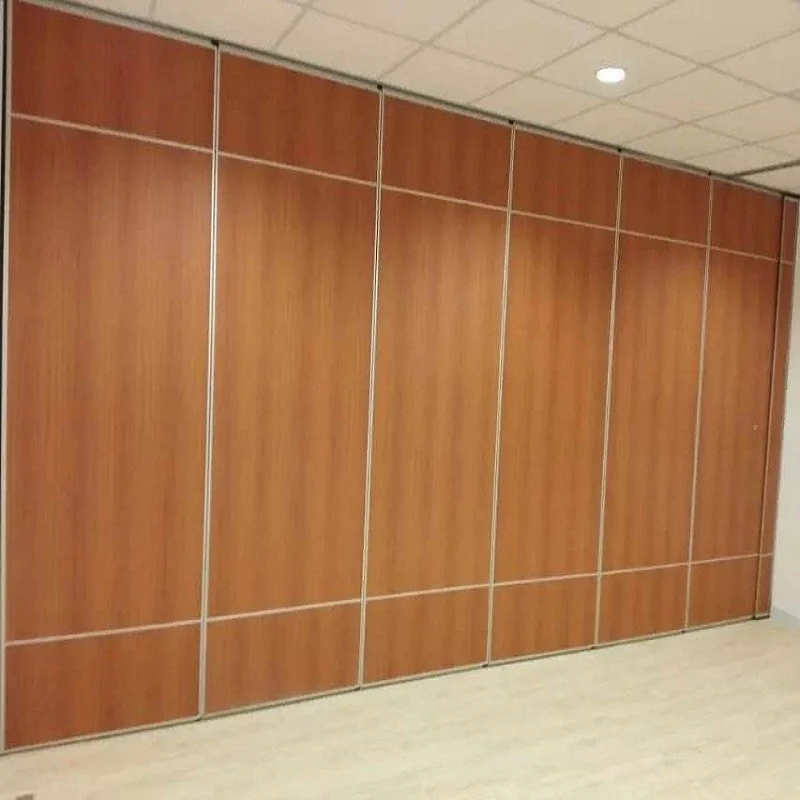
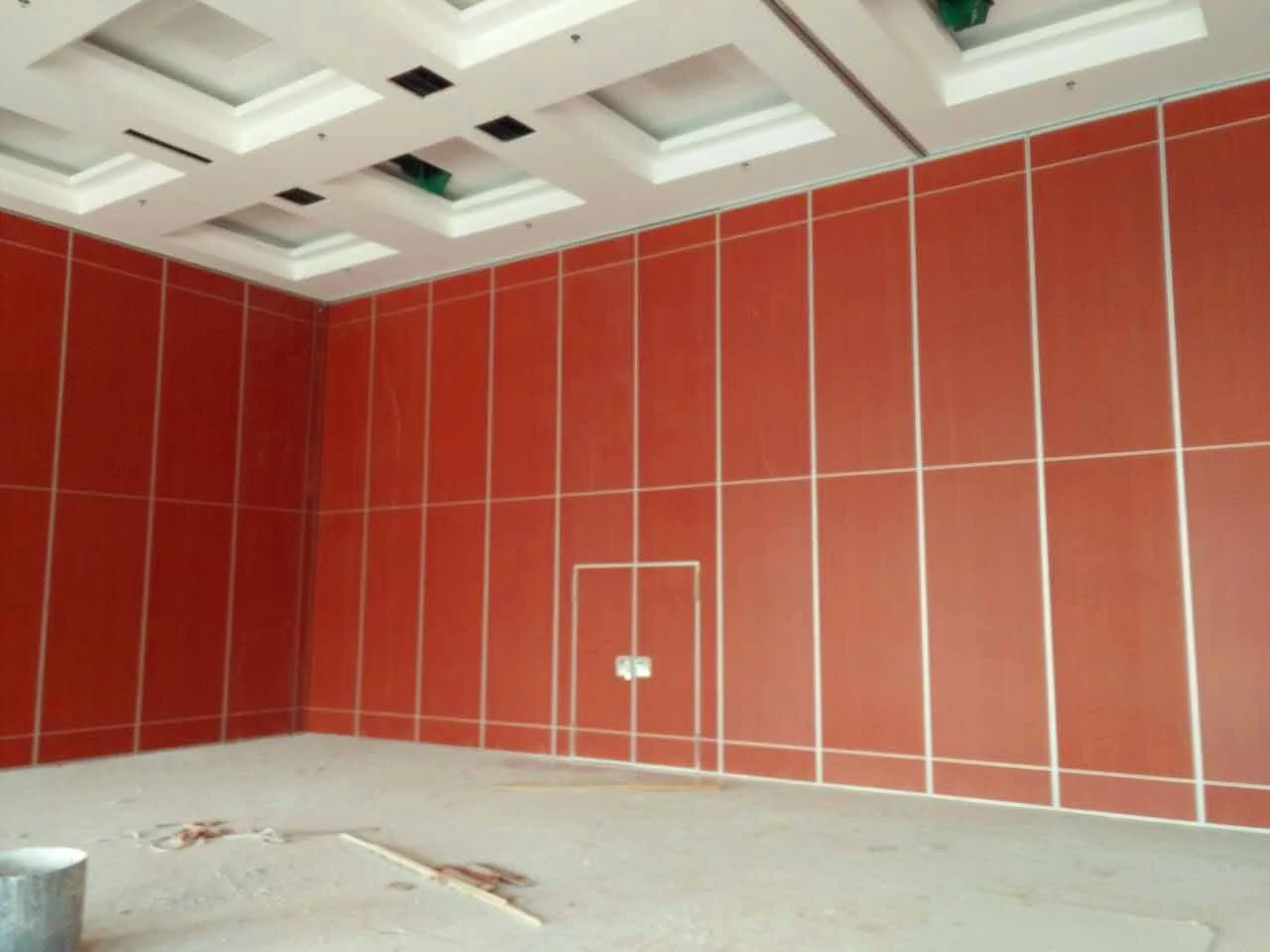
Movable partitions are top-hung and move without a continuous floor running track or floor hardware along the partition line. Panels are individually movable, suspended from a top track, cross the opening without a floor track, and park at a planned stacking position. Straight, turning, and stacking routes are reviewed from the layout.
A facility team that receives documents without a review cycle may accept a folder that does not match the installed condition. A formal cycle gives every reviewer a defined window, a comment format, and a resolution owner. It also protects the contractor from late-stage surprises because unresolved comments remain visible until they are closed.
Documents Typically Routed Through the Review Cycle
Coordination scope: document review cycle.
The exact document list is project-specific, but most movable partition handover packages include a core set. The table below groups documents by purpose and notes the evidence boundary for each. Do not treat any row as a performance claim; treat it as a routing category.

| Document group | Typical content | Evidence boundary |
|---|---|---|
| Layout and route drawings | Opening dimensions, straight, turning, and stacking routes, parking position | Requires project-specific drawing review and support confirmation |
| Finish schedule | Laminate, melamine, fabric, leather, glass, and other approved surfaces | Finish selection does not imply acoustic, fire, or durability performance |
| Pass-door and access details | Pass-door requirements and project documentation | Confirm project-specific requirements with the supplier |
| Acoustic concept notes | Generic explanation of seals and acoustic separation concepts | STC/Rw values must come from project-specific test evidence, not from this article |
| Operation and parking notes | How panels move and where they park | Do not infer powered operation, tools, or operator counts |
If a document group is missing, the review cycle should record it as an open item rather than assume it is not required. The facility team and contractor should agree the final list before the first submission window opens.
A Six-Step Document Review Cycle for Facility Team Acceptance
Checklist focus: document review cycle.
The cycle below is designed for overseas teams that may not share a document platform. Each step produces a dated record. The cycle repeats until all comments are resolved or formally deferred.
- Register. The contractor logs each document with a unique ID, revision number, and submission date. The facility team confirms receipt.
- Route. The facility lead assigns each document to the relevant reviewer, layout, finishes, access, or acoustic coordination, and sets a review deadline.
- Comment. Reviewers use a standard comment format: document ID, page or drawing reference, comment type, and required action. Comments must cite the reviewed evidence, not a preference.
- Resolve. The contractor responds to each comment with a revised document or a written clarification. The response references the original comment ID.
- Verify. The facility reviewer checks the response against the comment and marks it closed, open, or deferred with a reason.
- Accept. When all comments are closed or deferred, the facility team signs the acceptance record. The signed record references the final document revisions.
This cycle works for a single room or a multi-floor project. The key is that no document moves to the next step without a dated record.
Building and Maintaining the Comment Resolution Log
The comment resolution log is the single source of truth for open items. It should be a shared table, not a private email thread. Each row represents one comment and carries enough information for a reviewer who was not in the original meeting.
What fields should the comment resolution log contain?
At minimum: comment ID, document ID and revision, reviewer name, date raised, comment type, description, required action, assigned owner, due date, status, resolution date, and verification note. Add a column for linked drawings or submittals if the project uses them.
How should comment types be classified?
Use a small set of types so reporting stays clear: clarification, revision required, evidence required, coordination required, and deferral requested.
When should a comment be deferred rather than closed?
Defer only when the item is outside the current scope, depends on a later phase, or requires a decision from an authority not present in the review cycle. Record the reason, the responsible party, and the date the item will be revisited. A deferred comment is not a closed comment.
Evidence Boundaries Reviewers Should Apply
Reviewers should separate what a document shows from what it proves. A drawing can show a route, a parking position, and a finish schedule.
Similarly, a finish sample does not confirm maintenance outcomes or fire performance. The exact route, junction arrangement, continuous overhead path and parking position must be confirmed from the coordinated project drawings. Reviewers should mark any statement that exceeds these boundaries as evidence required.
Coordination Between Contractor, Facility Team, and Suppliers
The review cycle depends on clear ownership. The contractor owns submission quality and response timeliness. The facility team owns review discipline and acceptance decisions. The exact overhead route and support arrangement must be confirmed by the responsible project team from coordinated drawings. Where pass-door requirements or project documentation need discussion, raise them early in the cycle so they do not become late comments.
For overseas projects, agree a single document register and a single comment log before the first submission. Use one language for formal comments, or provide a controlled translation for each comment. Do not let parallel email threads become the real record.
Frequently Asked Questions
What is the movable partition wall handover document review cycle?
It is the repeatable process of registering, routing, commenting on, resolving, verifying, and accepting closeout documents for a movable partition installation. It ends when the facility team signs the acceptance record.
Who should own the comment resolution log?
The contractor usually maintains the log, while the facility team verifies closures. The important point is that one shared log is used by all parties, with dated entries and named owners.
Can a review cycle close without acoustic test evidence?
Yes, if the project does not require a specific acoustic target. If it does, the document set must reference project-specific test evidence for the exact configuration. Do not accept a generic claim as a substitute.
How do we handle comments that require project-specific support confirmation?
Type them as evidence required or coordination required, assign them to the responsible party, and keep them open until the confirmation is documented. Do not close them with a verbal assurance.
What should the final acceptance record include?
It should list the final document revisions, the closed comment IDs, any deferred items with reasons, and the signatures of the facility team and contractor. It should also note any project-specific requirements that remain to be confirmed.
How many review rounds should we plan for?
The number depends on project complexity and document quality. Plan for at least two rounds and keep the cycle open until all comments are closed or formally deferred.
Conclusion and Next Steps
A disciplined movable partition wall handover document review cycle turns closeout from a last-minute scramble into a traceable process. Register every document, route it to the right reviewer, log every comment, and verify every resolution before acceptance.
To discuss pass-door requirements, project documentation, or the review cycle for your next movable partition installation, contact the EBUNGE team. You can also review the movable wall product range and browse the resources library for further planning context.