
Quick answer: bid clarification meeting governance
Review focus: bid clarification meeting governance.
Movable partition wall bid clarification meeting governance is the discipline of turning tender questions into traceable, owned decisions before award. For overseas contractors, architects, interior designers, owners and renovation teams, the clarification meeting is often the last structured moment to align drawings, scope and commercial assumptions. Without governance, unresolved points drift into post-award variations. This framework helps procurement reviewers structure minutes, assign action ownership and trace scope impact using confirmed product facts and project-specific drawing review.
Why Clarification Governance Matters for Movable Partition Packages
Project review term: bid clarification meeting governance.
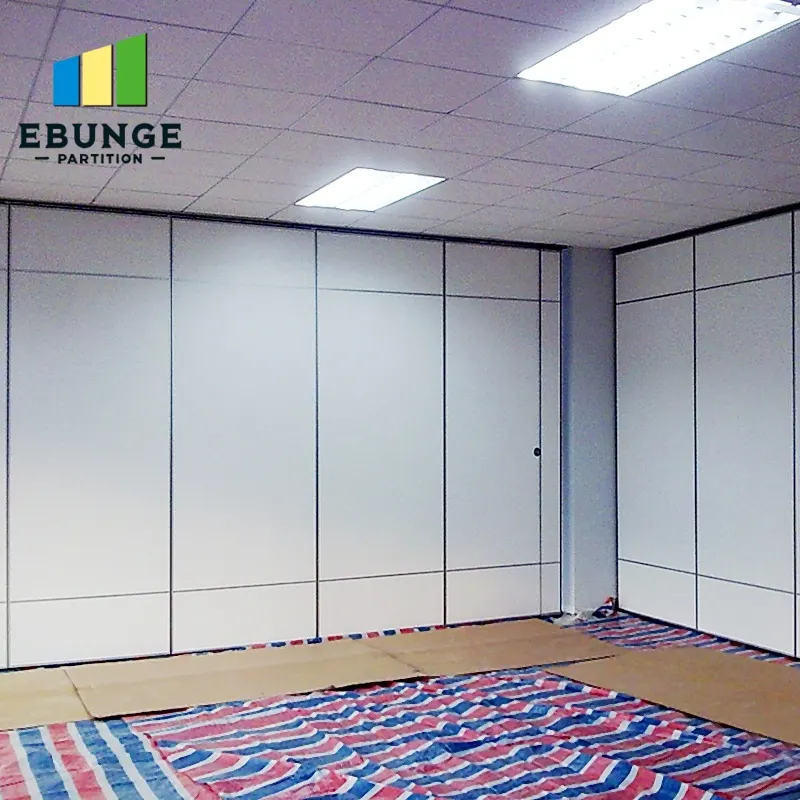
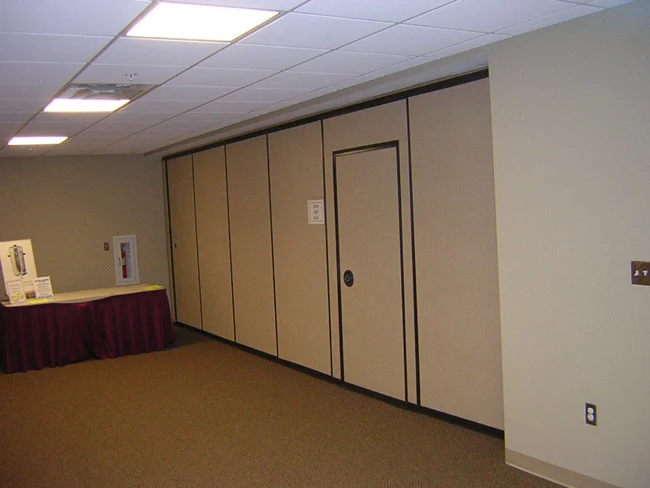
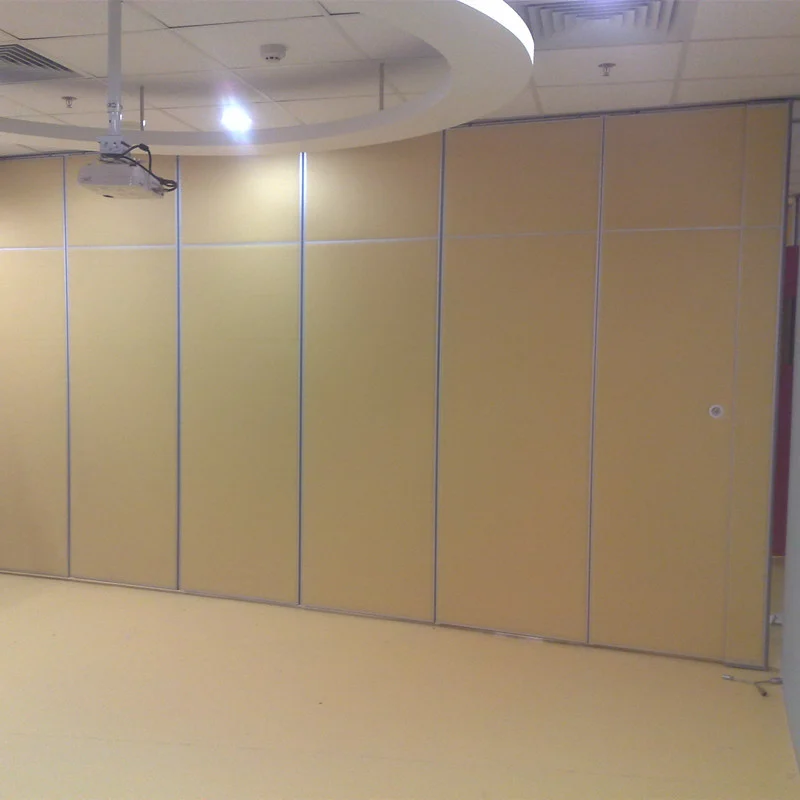
Movable partitions are configured systems, not catalogue commodities. Panels are individually movable, suspended from a top track, cross the opening without a floor track and park at a planned stacking position. Straight, turning and stacking routes are reviewed from the layout. Because these routes depend on the project layout, a clarification meeting must convert vague intentions into documented, reviewable statements.
Governance protects both sides. It prevents assumptions about acoustic separation, support conditions or finish compatibility from becoming implied promises. It also gives the award decision a clean evidence trail: what was asked, what was answered, what remains open and who owns the next step.
Pre-Meeting Preparation: The Evidence Pack
Coordination scope: bid clarification meeting governance.
The quality of a clarification meeting is set before it starts. The reviewer should assemble a pack that separates confirmed facts from open questions. Confirmed EBUNGE facts include top-hung movement, no continuous floor track along the partition line, customized parking based on layout, and finish options such as laminate, melamine, fabric, leather, glass and other approved surfaces. Pass-door requirements and project documentation can be discussed.
Minimum pack contents
- Current architectural layout showing the opening, turning and stacking zones.
- The suitability of each route and parking arrangement depends on the approved layout, circulation, ceiling interfaces and operating sequence.
- Finish schedule and any approved surface references.
- Draft scope matrix listing inclusions, exclusions and interfaces.
- Previous tender queries and responses, if any.
Questions that must stay open
Do not force answers where project-specific evidence is missing. The exact overhead route and support arrangement must be confirmed by the responsible project team from coordinated drawings. The meeting should record these as open items with owners, not as assumed values.
Structuring Minutes for Traceability
Checklist focus: bid clarification meeting governance.
Minutes are the governance instrument. They should be written so a reader who was not present can reconstruct the decision path. Use a consistent identifier for every item, link each item to the drawing or document it affects, and state whether the item is closed, open or deferred.
Recommended minute fields
| Field | Purpose |
|---|---|
| Item ID | Unique reference for tracking across meetings. |
| Topic | Short label, such as stacking route or finish approval. |
| Question raised | Exact wording of the query. |
| Response | What was confirmed, and by whom. |
| Evidence reference | Drawing, schedule or document supporting the response. |
| Status | Closed, open or deferred. |
| Owner | Single named role responsible for the next action. |
| Due date | Date for the next update. |
| Scope impact | Whether the item changes scope, cost or programme assumptions. |
This structure keeps the focus on evidence. If a response cannot cite a drawing or confirmed fact, it should remain open rather than being recorded as settled.
Action Ownership Without Ambiguity
Review focus: bid clarification meeting governance.
Shared ownership is a common failure mode. Every action should have one accountable role, even when several parties contribute. The owner is responsible for returning with information, not necessarily for resolving the commercial outcome.
Ownership rules
- Assign one owner per action; list contributors separately.
- Use role titles rather than individual names where teams may change.
- Require a due date and a defined output, such as a marked drawing or a written confirmation.
- Escalate any action that remains open past two meeting cycles.
Scope-Impact Traceability Before Award
Scope impact is where clarification meetings earn their value. A small change to the stacking position or finish schedule can affect interfaces, programme and commercial assumptions. The reviewer should tag each item with a scope-impact category and keep a running log.
Scope-impact categories
- No impact: clarification only, no change to documents.
- Documentation impact: drawing or schedule update required.
- Interface impact: coordination with other trades or systems.
- Commercial impact: potential change to price or programme assumptions.
- Open evidence: project-specific confirmation still required.
This log becomes the bridge between clarification and award. It shows the award authority exactly which items are closed, which are documented and which remain conditional.
Evidence Boundaries Reviewers Should Enforce
Governance fails when visible information is treated as proof of hidden performance. A generic application example does not prove a application reference.
Statements requiring project-specific confirmation
- Support conditions and overhead route continuity for the top track.
- Dimensional tolerances, clear opening sizes and parking space.
- Finish suitability for the intended environment and maintenance regime.
- Pass-door requirements and their coordination with the panel layout.
Reviewers should also confirm that every proposed movement path has a continuous connected overhead route. The exact route, junction arrangement, continuous overhead path and parking position must be confirmed from the coordinated project drawings. Where the layout shows a turning or stacking route, the meeting should record that the route is reviewed from the layout and remains subject to project-specific support review.
Post-Meeting Discipline and Award Readiness
After the meeting, circulate minutes within an agreed period and request corrections in writing. Update the scope-impact log and confirm that each open item has an owner and a due date. Before award, run a final readiness check.
Pre-award readiness checklist
- All clarification items have a status and an owner.
- Scope-impact log is complete and reviewed by procurement.
- Drawings referenced in minutes match the current revision.
- Open evidence items are listed as conditions, not assumptions.
- Contact and documentation routes are confirmed for post-award queries.
This discipline does not guarantee outcomes, but it reduces the risk of unresolved assumptions becoming disputes. It also gives the project team a defensible record of how the award decision was reached.
FAQ: Movable Partition Wall Bid Clarification Governance
What is movable partition wall bid clarification meeting governance?
It is the structured process of recording questions, responses, action owners and scope impacts during tender clarification, so the award decision rests on traceable evidence rather than assumptions.
Which project documents should be available before the meeting?
At minimum, the current layout showing opening, turning and stacking zones, finish schedule, coordination notes relevant to the top track route, and a draft scope matrix. Project-specific support and acoustic requirements should be flagged for confirmation.
How should acoustic requirements be handled in minutes?
Provide the current layout, opening dimensions, ceiling information, intended room use, and relevant project drawings for review. The exact overhead route and support arrangement must be confirmed by the responsible project team from coordinated drawings.
Can finish options be approved during clarification?
Finish intent can be discussed using confirmed options such as laminate, melamine, fabric, leather, glass and other approved surfaces. Final suitability for the intended environment and maintenance regime still requires project-specific confirmation.
What does scope-impact traceability mean in practice?
Each clarification item is tagged by whether it affects documentation, interfaces, commercial assumptions or remains open evidence. The log shows the award authority which items are closed and which are conditional.
How should stacking and turning routes be recorded?
Record that straight, turning and stacking routes are reviewed from the layout, and that every proposed movement path requires a continuous connected overhead route and project-specific support review.
Conclusion: Governance That Supports a Defensible Award
Movable partition wall bid clarification meeting governance is not administrative overhead. It is the mechanism that keeps scope, evidence and ownership aligned before award. By structuring minutes, assigning single action owners and tracing scope impact, procurement reviewers give their organisations a clear record of what was confirmed, what remains open and what must be verified against project drawings.
Use the confirmed product context as your starting point: top-hung panels, no continuous floor track, customized parking and approved finish options. Then confirm support, acoustic and dimensional requirements for the specific project. For project documentation, pass-door discussions or configuration questions, contact EBUNGE and review the movable walls product page alongside the resources library before finalising your tender comparison.