
Quick answer: movable partition wall
Review focus: movable partition wall.
Movable partition wall addendum acknowledgment tracking is the discipline of proving that every bidder received, opened and understood each scope change before the submission deadline. In a movable partition package, an addendum can alter the opening width, the parking position, the finish schedule or the pass-door requirement. If a bidder prices the original documents, the comparison becomes unreliable. This framework helps procurement reviewers confirm receipt without inventing performance, cost or engineering conclusions.
Why Addendum Acknowledgment Matters in Movable Partition Tenders
Project review term: movable partition wall.
Movable partition panels are individually movable, suspended from a top track, cross the opening without a floor track and park at a planned stacking position. A small addendum can therefore change the layout logic, not just a line item. The exact route, junction arrangement, continuous overhead path and parking position must be confirmed from the coordinated project drawings.
When acknowledgment is missing, the reviewer cannot tell whether a bidder priced the current scope. That uncertainty is a procurement risk, not a product defect. The goal is a clean audit trail: who received the addendum, when, and which documents they confirmed.
What acknowledgment does and does not prove
Acknowledgment proves receipt and, at most, that a bidder confirmed reading the change. The suitability of each route and parking arrangement depends on the approved layout, circulation, ceiling interfaces and operating sequence. Those remain project-specific confirmations.
A Four-Step Tracking Process for Procurement Reviewers
Coordination scope: movable partition wall.
- Log the addendum. Record the addendum number, issue date, affected drawings and the exact scope change. Link it to the tender package reference.
- Issue with a required response. Ask each bidder to return a signed acknowledgment or a portal confirmation that names the addendum number.
- Chase and timestamp. Track reminders and responses in one register. Note the method of delivery and the time of receipt.
- Escalate before submission. If a bidder has not acknowledged by the internal cut-off, decide whether to extend, exclude or seek written clarification.
This process keeps the focus on evidence. It does not require the reviewer to judge the technical merit of the change, only to confirm that the change reached the bidder.
Building the Acknowledgment Register
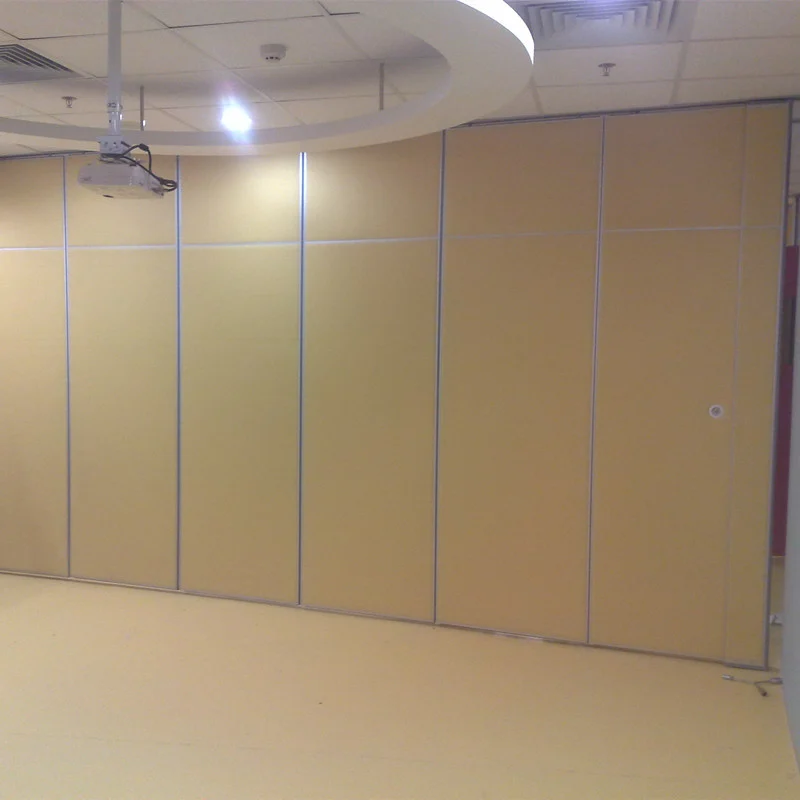
Checklist focus: movable partition wall.
A simple register is enough. Use one row per bidder per addendum, with columns for issue date, delivery method, acknowledgment date, named signatory and any stated exception. Keep the register separate from the technical evaluation so that receipt and quality are not confused.
| Register field | Purpose | Reviewer note |
|---|---|---|
| Addendum reference | Links the change to the tender file | Use the same reference as the issued document |
| Bidder name | Identifies the responding party | Match the legal entity on the bid |
| Acknowledgment date | Shows receipt before the deadline | Record time zone where relevant |
| Stated exception | Flags a bidder question or reservation | Route to the design team, not the register owner |
Do not treat a register entry as proof of technical compliance. It is a receipt record. Technical questions still need project-specific answers from the responsible designer or engineer.
Scope Changes That Commonly Trigger Addenda
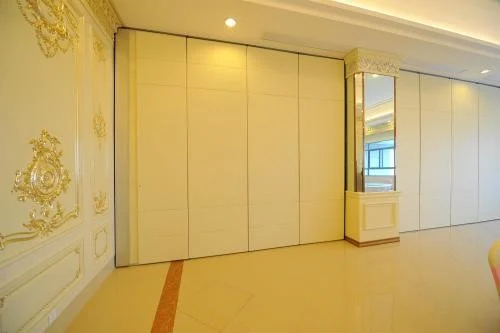
In movable partition packages, addenda often follow layout revisions. A new meeting room may change the stacking position. A finish change may move from laminate to melamine, fabric, leather, glass or another approved surface.
Each of these changes can affect how the bidder describes the package. The reviewer should confirm that the addendum states the change clearly and that the acknowledgment request names the affected documents.

Pass doors and documentation
Pass-door requirements and project documentation can be discussed with the supplier. If an addendum introduces or changes a pass-door requirement, the acknowledgment should reference that item explicitly. The reviewer does not need to resolve the design; they need to confirm the bidder saw it.
Evidence Boundaries: What the Reviewer Should Not Infer
Acknowledgment tracking is an administrative control.
Acknowledgment of an addendum does not establish any rating. It only confirms that the bidder received the document.
Evidence note: a signed acknowledgment is a receipt record. It is not a performance certificate, a design approval or a guarantee of coordination.
Reviewers should also avoid inferring hidden performance from a finish sample, a drawing or a photograph.
Coordinating With Design and Commercial Teams
The designer confirms what changed. Procurement confirms who received it. Commercial review confirms that the bid reflects the current scope.
If a bidder acknowledges an addendum but submits a price based on the original documents, that is a clarification issue, not an acknowledgment failure. Keep the two categories separate in the evaluation report.
Questions to ask before the deadline
- Has every bidder acknowledged every addendum by the internal cut-off?
- Are any acknowledgments qualified by an exception or a question?
- Do the affected drawings match the addendum reference?
- Is there a written record of how unacknowledged bidders were handled?
These questions keep the review factual. They also create a defensible record if the tender outcome is later questioned.
FAQ: Addendum Acknowledgment in Movable Partition Packages
What is movable partition wall addendum acknowledgment tracking?
It is the process of recording that each bidder received and confirmed a tender addendum that changes the movable partition scope. It creates a receipt trail before submission.
Does acknowledgment prove the bidder priced the change correctly?
No. Acknowledgment proves receipt. Pricing accuracy and technical interpretation still require separate review against the current documents.
Which addenda should be tracked?
Track every addendum that changes scope, drawings, finishes, pass-door requirements or documentation. If it could affect the bid, it belongs in the register.
Can a bidder acknowledge after the submission deadline?
That depends on the tender rules and the project team’s decision. The reviewer should record the timing and escalate before deciding whether to accept or exclude.
Does acknowledgment confirm acoustic or structural performance?
No. Acknowledgment does not establish any rating or capacity.
How should exceptions in an acknowledgment be handled?
Route them to the responsible designer or engineer for a project-specific answer. Keep the exception visible in the register so it is not lost during evaluation.
Conclusion and Next Step
Movable partition wall addendum acknowledgment tracking is a small control with a large effect on bid comparability. A clear register, a required response and a defined cut-off give the procurement reviewer a factual record. They do not replace design review, acoustic confirmation or dimensional coordination.
The exact overhead route and support arrangement must be confirmed by the responsible project team from coordinated drawings. To discuss movable partition scope, finishes, pass-door requirements or documentation, contact EBUNGE. You can also review the movable wall product range and the project resources for further planning context.