
Quick project answer
Review focus: changeover resource dependency.
Movable partition changeover resource dependency is the planning discipline of mapping what must be available, in what sequence, before a room can be reconfigured. For facility and operations teams coordinating multi-room venues, the goal is not to promise a changeover time or a performance result. It is to expose every dependency that a layout drawing, a shared-equipment schedule, or a project-specific review must confirm before commitments are made.
EBUNGE movable partition panels are individually movable, suspended from a top track, cross the opening without a floor track, and park at a planned stacking position. Straight, turning and stacking routes are reviewed from the layout. That maintained product context is the starting point for operations planning, not a substitute for project-specific support, acoustic and dimensional confirmation.
Why Changeover Resource Dependency Matters in Multi-Room Venues
Project review term: changeover resource dependency.
In venues with several divisible rooms, the same corridor, lift lobby, storage bay or service entrance often serves more than one changeover. When two rooms are scheduled to change at the same time, the shared route becomes a contention point. Planning that ignores this dependency tends to surface as late-room readiness, blocked parking positions, or ad hoc decisions about who moves first.
A resource dependency framework does not need to predict exact durations. It needs to identify which resources are shared, which are dedicated, and which require confirmation from the project drawings. That distinction is what allows operations teams to schedule realistically and to escalate the right questions early.
Dedicated versus shared changeover resources
Dedicated resources belong to one room or one partition line. Shared resources are used by multiple rooms or by multiple trades. The planning value comes from labelling each item before the venue opens, because shared resources are where contention appears.
A Decision Checklist for Changeover Resource Mapping
Coordination scope: changeover resource dependency.
Use this checklist as a working document during design coordination and again during operations handover. Each item should be answered from project documentation, not from assumption.
- Movement route: Is the full straight, turning and stacking route shown on the layout, and does it remain connected overhead for the whole path?
- Parking position: Where does each panel group park, and does that position conflict with another room’s route or with shared circulation?
- Shared equipment: Which items are used by more than one room, and who releases them between changeovers?
- Pass-door requirements: Are pass-door needs identified for the way the venue will actually operate?
- Finish and surface: Are laminate, melamine, fabric, leather, glass or other approved surfaces recorded per room so that handling expectations are clear?
- Documentation: Which drawings, schedules and project documents are the controlled reference for operations?
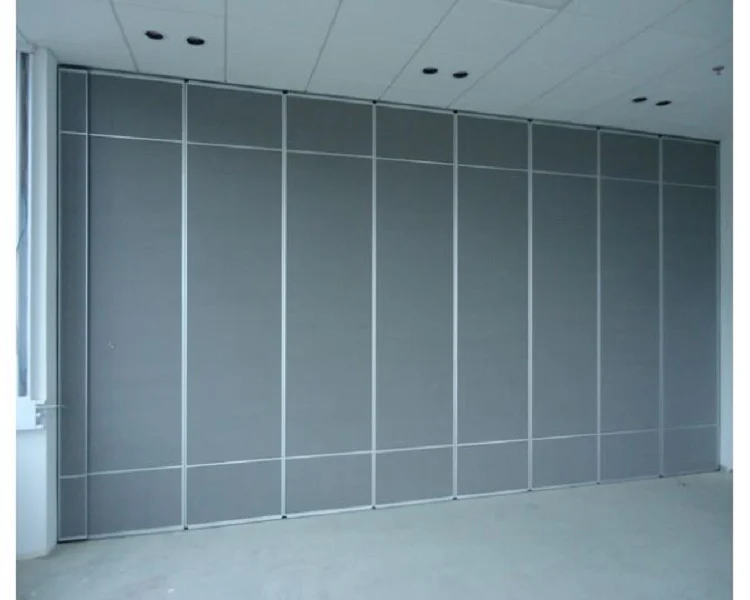
Shared Equipment Contention Across Rooms
Checklist focus: changeover resource dependency.
Contention is not only about physical space. It is also about sequence. If two changeovers depend on the same shared resource, the operations plan should state the order of use and the handover point. This is a scheduling decision, not a product claim, and it should be reviewed with the parties responsible for each room.
Panel handling and the operating sequence must be confirmed for the selected layout and project conditions. A compact comparison can help teams see which resources are truly shared and which are room-specific.
| Resource type | Typical dependency | Planning question |
|---|---|---|
| Movement route | Shared corridor or lobby | Do two rooms use the same path at the same time? |
| Parking position | Dedicated or shared bay | Does parking block another route or exit? |
| Shared equipment | Multi-room use | Who releases it, and in what order? |
| Project documentation | Controlled reference | Is the latest drawing the one in use? |
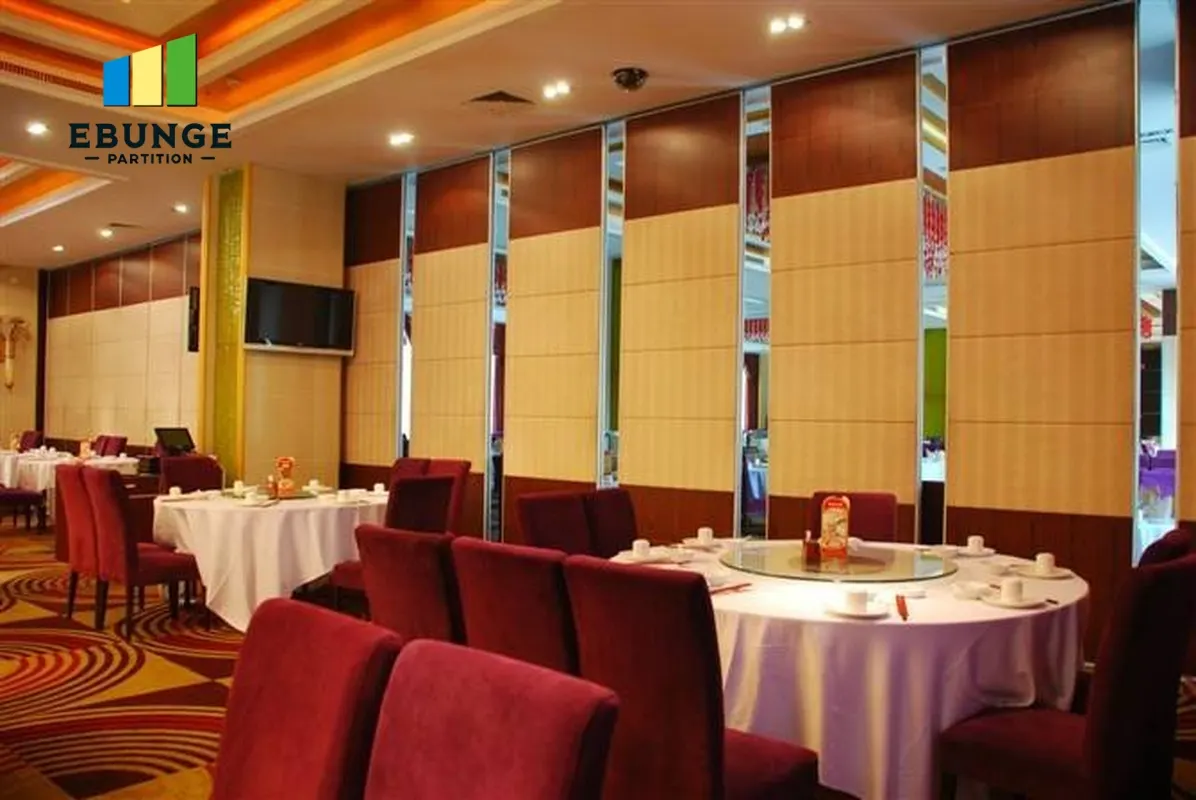
Route Review: Straight, Turning and Stacking Paths
Every proposed movement path requires a continuous connected overhead route and project-specific support review. A layout that shows a straight run but omits a turning point or a stacking position is incomplete for operations planning. The review should follow the panel from its closed position to its parked position and back.
What to confirm on the drawing
Confirm that the route is continuous, that turning points are represented, and that the stacking position is coordinated with the room’s other uses. Do not infer support, load or dimensional outcomes from a visible line on a drawing. Those items require matching project evidence.
What not to infer
Do not derive acoustic, fire, durability, maintenance or commercial performance from a finish, a photograph or a schematic. If a statement matters to the project, it needs its own confirmation boundary.
Acoustic and Sealing Concepts in Operations Planning
The suitability of each route and parking arrangement depends on the approved layout, circulation, ceiling interfaces and operating sequence. Seals and acoustic concepts can be discussed generically, but the application reference requirement must be confirmed against the specific configuration and documentation.
Operations teams should record which rooms have acoustic requirements, where those requirements are documented, and who confirms them.
Documentation and Handover for Operations Teams
Project documentation is a changeover resource in its own right. Without a controlled reference, teams may work from outdated layouts or from verbal instructions. The handover should identify the drawings, schedules and contact routes that govern the partition lines.
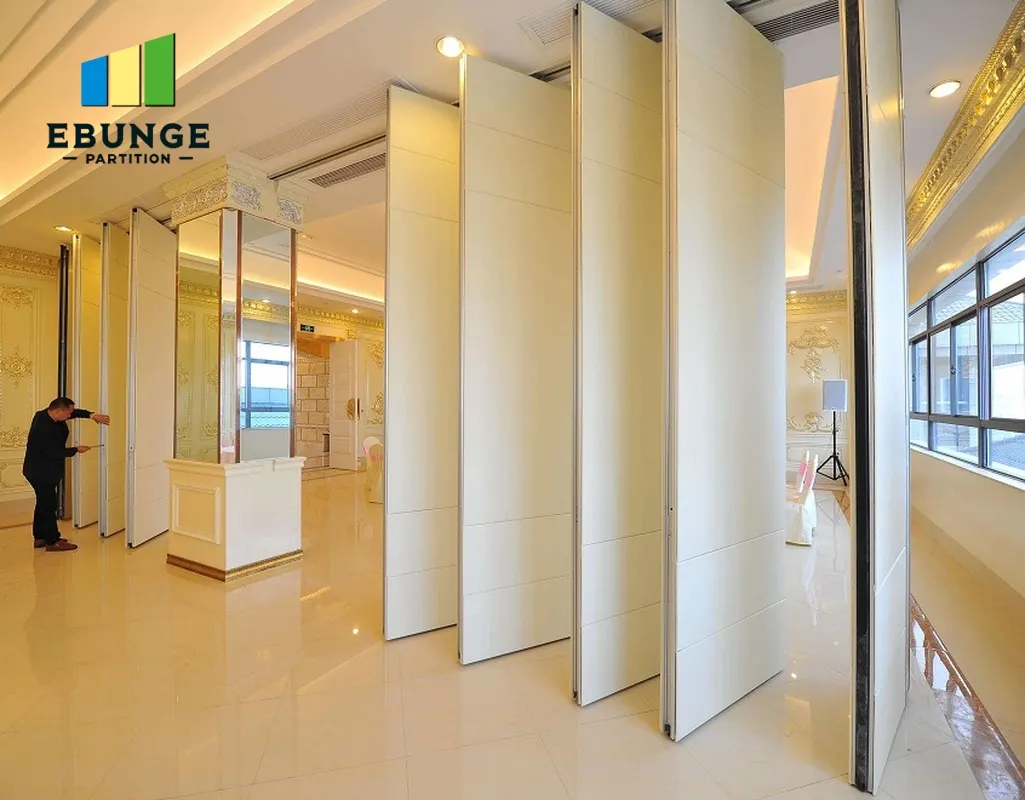
Pass-door requirements and project documentation can be discussed with EBUNGE during planning. The movable walls product page provides maintained product context, and the resources page supports buyer and project planning. The exact overhead route and support arrangement must be confirmed by the responsible project team from coordinated drawings.
Frequently Asked Questions
What is movable partition changeover resource dependency?
It is the set of resources, sequences and shared touchpoints that must be available before a room can be reconfigured. It includes movement routes, parking positions, shared equipment and controlled documentation.
Do movable partitions need a floor track for changeover?
EBUNGE movable partition panels are top-hung and cross the opening without a floor track. The movement path still requires a continuous connected overhead route and project-specific support review.
How should shared equipment contention be handled?
Identify which resources are shared, state the order of use, and assign a handover point. This is a scheduling and coordination decision that should be reviewed with the parties responsible for each room.
Can acoustic performance be confirmed from the layout drawing?
No. Acoustic requirements must be confirmed against project-specific documentation.
What finish options are available for planning purposes?
Confirmed finish options include laminate, melamine, fabric, leather, glass and other approved surfaces.
When should the operations team review the partition layout?
The review should happen during design coordination and again at handover. It should confirm routes, parking, shared resources, pass-door requirements and the controlled documentation set.
Conclusion and Next Steps
A changeover resource dependency framework helps facility and operations teams coordinate multi-room venues without inventing performance, timing or commercial outcomes. Start with the maintained product facts, map dedicated and shared resources, and confirm every project-specific support, acoustic and dimensional requirement against the drawings.
To discuss pass-door requirements, project documentation or layout review for your venue, contact EBUNGE and share the relevant drawings so the planning conversation can be grounded in project evidence.