
Quick answer: tender query escalation path
Review focus: tender query escalation path.
A movable partition wall tender query escalation path is the agreed route a bidder question follows when first-line clarification cannot resolve it. Panel handling and the operating sequence must be confirmed for the selected layout and project conditions. It is knowing who owns the answer, when it must arrive, and what document proves it was answered before submission. This framework helps contractors, architects, interior designers, owners and renovation teams route unresolved questions without inventing performance, engineering or commercial conclusions.
Why Unresolved Bidder Questions Need a Defined Route
Project review term: tender query escalation path.
Most tender clarifications are routine. A bidder asks about finish availability, drawing references or the parking position shown on the layout. These usually close at first-line clarification. The problem begins when a question touches scope, interface or evidence that the first responder cannot confirm.
The suitability of each route and parking arrangement depends on the approved layout, circulation, ceiling interfaces and operating sequence. A defined escalation path keeps the question visible, assigns an owner, and records the answer against the tender record. It also protects the evaluation team from treating an unanswered item as an implied commitment.
First-Line Clarification Versus Escalation
Coordination scope: tender query escalation path.
Not every question should escalate. Over-escalation slows the tender and buries the real issues. Use a simple threshold: if the answer is already in the tender documents, the specification or the maintained product information, it stays at first-line clarification. If it requires a project-specific decision, a drawing review or a scope confirmation, it escalates.
Questions that usually stay at first line
- Confirmation of finish options already listed in the tender, such as laminate, melamine, fabric, leather or glass.
- Clarification of a drawing reference, panel location or stacking position already shown on the layout.
- Restatement of submission requirements, document formats or the pass-door requirement already described.
Questions that usually escalate
- Any question about the movement route where the overhead path, turning point or stacking zone is not yet coordinated.
- Any question that changes scope, interface responsibility or the basis of the bid.
A Four-Step Escalation Routing Framework
Checklist focus: tender query escalation path.
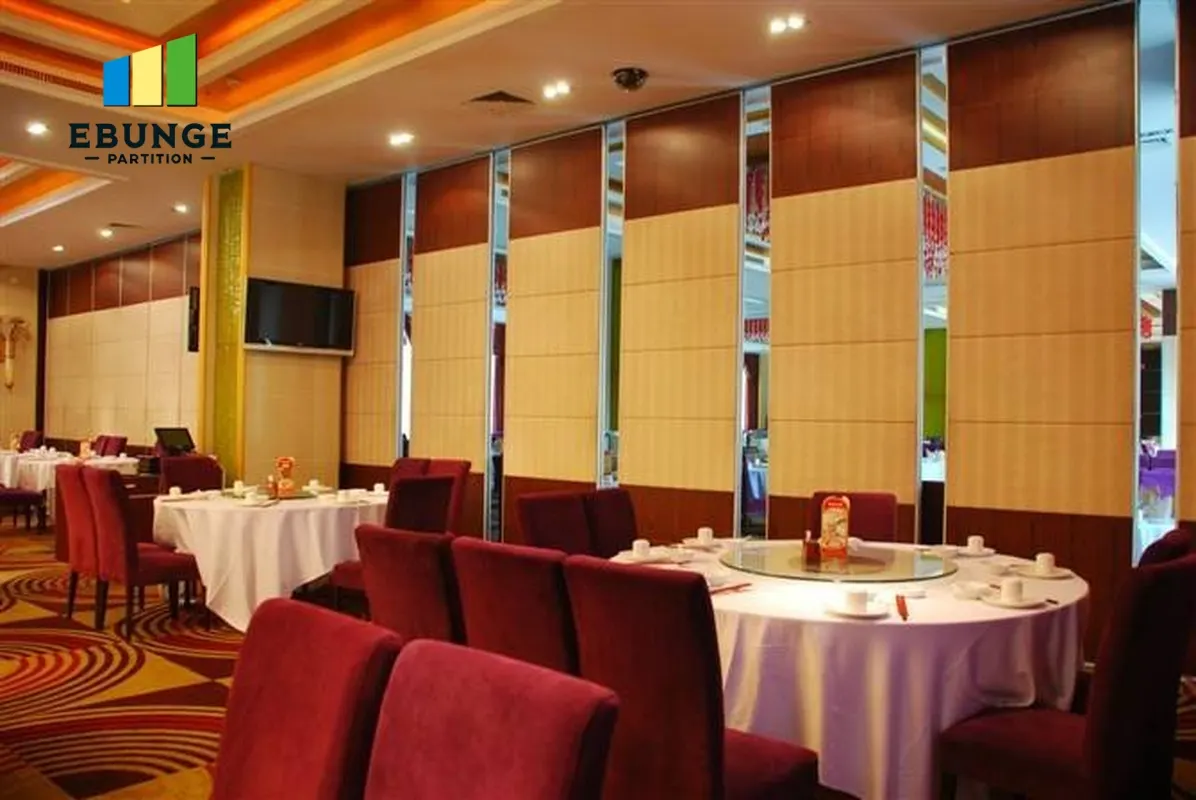
The framework below is deliberately simple. It works for a single package or a multi-package tender, and it can be written into the tender instructions so bidders know what to expect.
- Log the question. Record the bidder, date, tender reference and the exact wording. Do not paraphrase a technical question into a shorter version.
- Assign a first-line owner. This is the person or team responsible for checking whether the answer already exists in the tender or maintained product information.
- Route to the escalation owner. If the question needs a project-specific decision, send it to the named discipline owner, such as design coordination, commercial review or technical review.
- Close with a written response. The response should state the answer, the evidence it relies on, and any item that still requires project-specific confirmation.
Ownership, Timing and Documentation Discipline
Escalation fails when ownership is vague. Name a single escalation owner for each discipline and a backup. The owner does not have to answer every question personally, but they are accountable for the response reaching the tender record before the deadline.
Timing should be tied to the submission date, not to convenience. Set an internal cut-off for escalated questions that is earlier than the bidder deadline. This gives the team time to review drawings, confirm scope and issue a written answer that bidders can rely on.
Documentation rules that prevent disputes
- Every escalated question receives a written response, even if the response is that the item requires project-specific confirmation.
- Responses are numbered and referenced in the tender addendum or clarification log.
- Verbal answers are not treated as final until confirmed in writing.
- Any answer that depends on a drawing review states which drawing and which revision were used.
Evidence Boundaries for Technical Questions
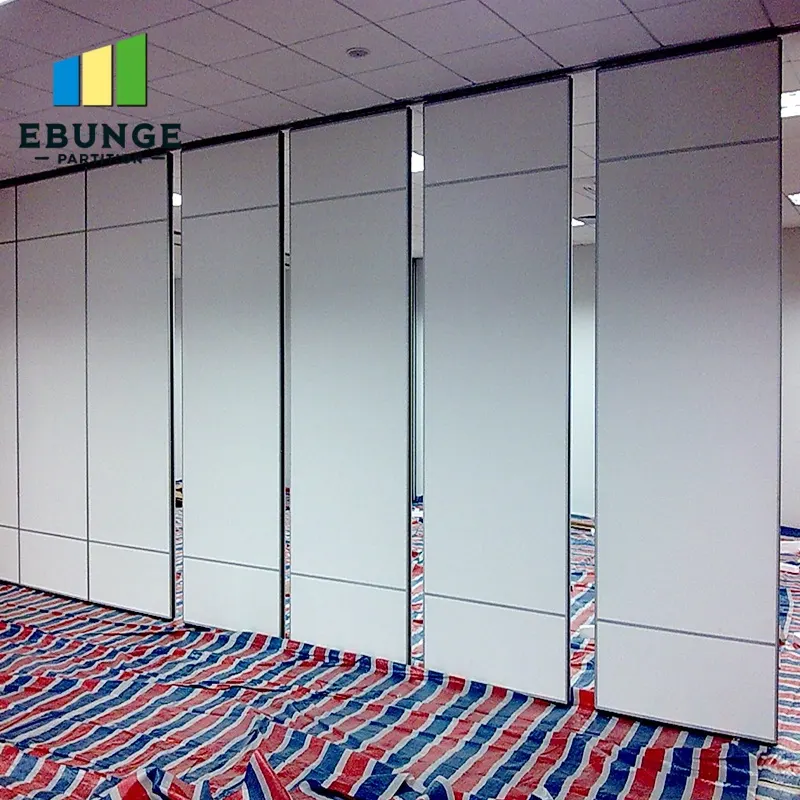
Movable partition panels are individually movable, suspended from a top track, cross the opening without a floor track, and park at a planned stacking position. Straight, turning and stacking routes are reviewed from the layout. These are maintained product facts. They do not answer every technical question a bidder may ask.
The relevant value depends on the complete assembly, the project conditions and the evidence supplied for that specific configuration.
Evidence note: a finish option, a photograph or a drawing does not by itself prove acoustic performance, structural capacity, cleaning compatibility or a application reference. Confirm project-specific support, acoustic and dimensional requirements before relying on any answer.
Common Escalation Traps in Partition Tenders
Three traps appear repeatedly. The first is treating a bidder question as a commercial negotiation when it is actually a technical clarification. The second is allowing a question to close without a written record. The third is answering a project-specific question with a generic product statement.
A useful check is to ask whether the answer would still be valid if the layout changed. If it would not, the question belongs in escalation, not first-line clarification.
Pre-Submission Review Checklist
Before submission, run a short review to confirm that every escalated question has been routed and closed. The checklist below can be adapted to the project.
| Check | What to confirm |
|---|---|
| Question log | Every escalated question has an owner, a date and a status. |
| Written response | Each answer is recorded and referenced in the tender record. |
| Drawing basis | Any drawing-dependent answer names the drawing and revision. |
| Evidence limit | Unsupported performance or commercial claims are removed or flagged for project-specific confirmation. |
| Route review | Straight, turning and stacking routes are checked against the layout. |
Frequently Asked Questions
What is a movable partition wall tender query escalation path?
It is the agreed route a bidder question follows when it cannot be resolved at first-line clarification. It defines who owns the answer, when it must be returned, and how it is documented before submission.
When should a partition tender question be escalated?
Escalate when the answer requires a project-specific decision, a drawing review or a scope confirmation. Questions already answered in the tender documents or maintained product information usually stay at first-line clarification.
Who should own escalated questions?
Name a single escalation owner for each discipline, with a backup. The owner is accountable for the written response reaching the tender record before the internal cut-off.
Can a verbal answer close an escalated question?
No. A verbal answer should be confirmed in writing and referenced in the clarification log. Until then, it should not be treated as final.
How should acoustic questions be handled?
The relevant value depends on the complete assembly and project conditions, so confirm project-specific acoustic requirements with matching evidence.
What should be checked before submission?
Confirm that every escalated question has an owner, a written response, a drawing basis where relevant, and a clear note of any item still requiring project-specific confirmation.
Conclusion and Next Step
A movable partition wall tender query escalation path is a procurement control, not a technical shortcut. It keeps unresolved bidder questions visible, assigns ownership, and records answers against the tender. Used with evidence boundaries, it helps teams avoid implied commitments and unsupported conclusions.
To discuss pass-door requirements, project documentation or a specific layout, contact the EBUNGE team. You can also review the movable wall product range and the project resources before finalising your tender query route.