
Quick answer: movable partition wall
Review focus: movable partition wall.
Movable partition wall tender evaluation deliberation records are the written trace of how a committee reached its recommendation. They are not a transcript of every remark. They are a controlled record that shows the criteria applied, the evidence considered, the scores awarded and the reasons any member disagreed. For overseas buyers, this record protects the award decision long after the meeting ends.
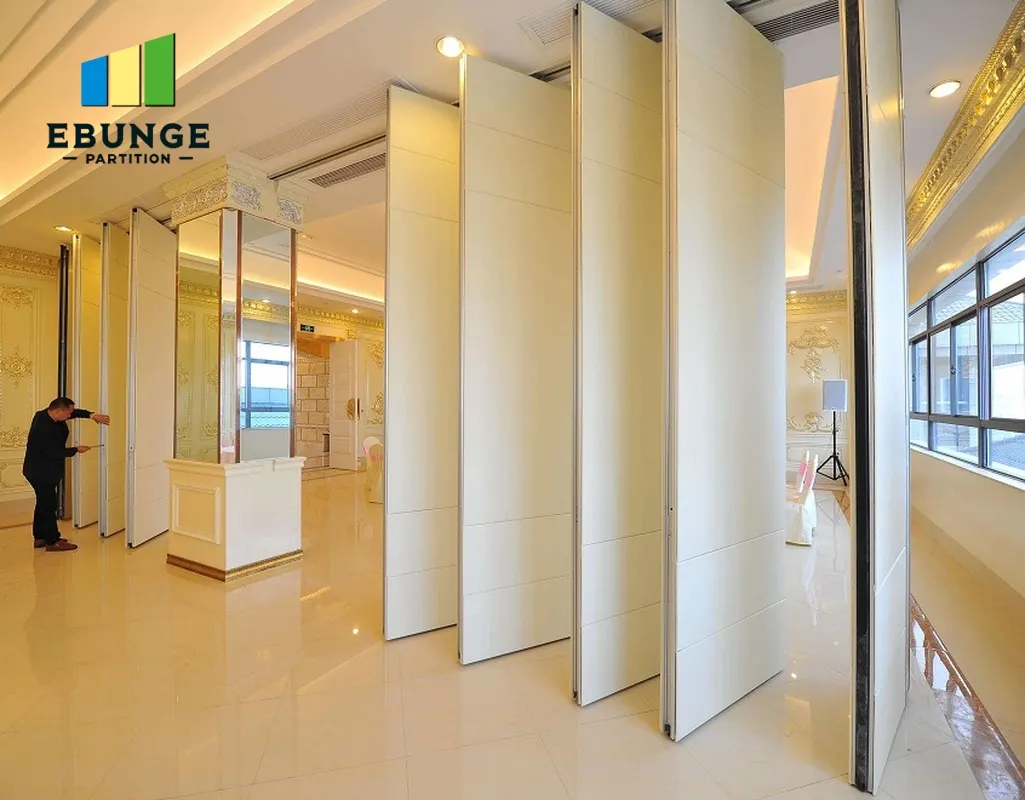
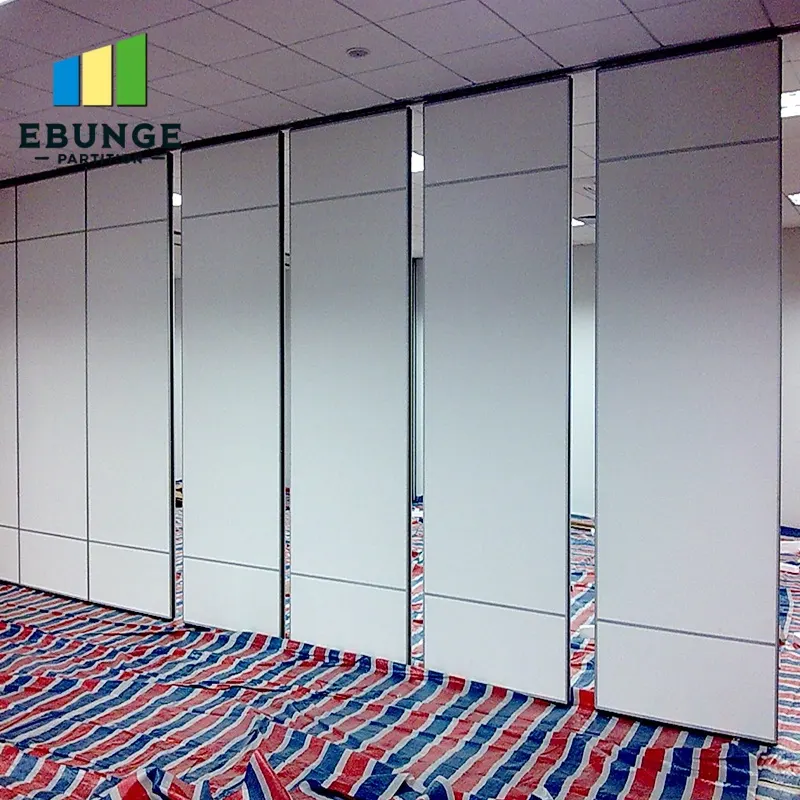
The framework below treats deliberation records as a procurement control, not an administrative afterthought. It stays within confirmed product facts: panels are individually movable, top-hung, cross the opening without a floor track and park at a planned stacking position. Straight, turning and stacking routes are reviewed from the layout. Finish options include laminate, melamine, fabric, leather, glass and other approved surfaces. Pass-door requirements and project documentation can be discussed. Every performance, support and dimensional question still requires project-specific confirmation.
Why Deliberation Records Matter in Partition Procurement
Project review term: movable partition wall.
A movable partition package touches architecture, acoustics, operations and budget. When several suppliers respond, the committee must compare unlike submissions. Without a written rationale, a losing bidder may later question why its offer was not selected. A deliberation record answers that question with criteria and evidence rather than memory.
The record also supports internal governance. Owners, finance teams and auditors can see that the committee followed the stated method. Where a member dissented, the record preserves that view without turning it into a dispute. The goal is traceability, not unanimity.
What the Record Is Not
It is not a substitute for technical review. The suitability of each route and parking arrangement depends on the approved layout, circulation, ceiling interfaces and operating sequence. It documents how the committee weighed the evidence each bidder supplied. Where evidence was missing, the record should say so.
Building the Audit Trail Before Deliberation Begins
Coordination scope: movable partition wall.
The strongest records are prepared before the committee meets. The evaluation plan should define criteria, weightings, scoring scales and the evidence expected for each criterion. That plan becomes the reference point for every later entry.
- Confirm the evaluation plan. The exact overhead route and support arrangement must be confirmed by the responsible project team from coordinated drawings.
- Register all submissions. Log receipt dates, versions and any clarifications issued.
- Assign reviewers. Note who assessed which section and when.
- Prepare a scoring template. Use the same scale for every bidder.
- Set the deliberation agenda. List the questions the committee must resolve.
- Define the dissent format. Agree how a member records disagreement and its basis.
Documenting Scoring Rationale Without Inventing Performance
Checklist focus: movable partition wall.
Scoring rationale should connect each score to a specific submission item. If a bidder describes a top-hung system with panels that park at a planned stacking position, the record can note that the description aligns with the layout review. It should not convert that description into a measured acoustic result.
Where acoustic concepts appear, define them carefully. The committee should record whether the bidder supplied project-specific acoustic documentation, not infer performance from a finish or a drawing.
Handling Missing or Ambiguous Evidence
When evidence is absent, the record should state the gap and its effect on the score. A common example is a bidder that shows a straight route but does not address a turning or stacking route. The exact route, junction arrangement, continuous overhead path and parking position must be confirmed from the coordinated project drawings.
Recording Dissenting Views and Minority Positions
Review focus: movable partition wall.
Dissent is a normal part of committee work. The record should capture the member’s position, the evidence relied on and the criterion in dispute. It should not attribute motives or record personal criticism.
A useful dissent entry answers three questions: what was proposed, what evidence supported it, and what the majority concluded.
Sample Dissent Entry Structure
Member: [role] Position: [alternative recommendation] Basis: [submission item or clarification] Majority response: [reason the committee did not adopt it] Status: recorded and noted in the award summary.
Coordinating Deliberation Records With Project Documentation
Deliberation records sit alongside drawings, specifications and clarifications. They should reference those documents by version and date so the audit trail remains coherent. If a pass-door requirement or finish selection changes after deliberation, the record should note the change and its effect on the recommendation.
Finish options such as laminate, melamine, fabric, leather, glass and other approved surfaces may be discussed in the record as selection matters. The record should not treat a finish choice as evidence of acoustic, durability or maintenance performance.
Evidence Note
This framework is a documentation method. Those items require project-specific evidence and review. Confirm support, acoustic and dimensional requirements with the relevant project team before award.
Common Gaps That Weaken an Award Decision
| Gap | Risk to the Record | Practical Control |
|---|---|---|
| No evaluation plan before scoring | Criteria appear after the fact | Approve the plan and log its version |
| Scores without evidence references | Rationale cannot be reconstructed | Link each score to a submission item |
| Dissent recorded as a note only | Minority view loses context | Use a structured dissent entry |
| Layout routes not reviewed | Straight, turning and stacking routes remain unclear | Record the layout review status |
| Clarifications not versioned | Later changes confuse the trail | Log every clarification and response |
Frequently Asked Questions
What are movable partition wall tender evaluation deliberation records?
They are the written record of how an evaluation committee applied its criteria, scored submissions and handled disagreement before recommending an award for a movable partition package.
Do deliberation records need to include dissenting views?
Yes, where a member disagrees with the majority. Recording the position, its basis and the committee response keeps the decision traceable and shows that the process considered alternative views.
Can the record state acoustic performance?
It should record what evidence the bidder supplied, not infer performance.
How should layout routes be handled in the record?
Note whether straight, turning and stacking routes were reviewed from the layout. If a route remains unresolved, record it as an open item requiring project-specific support and dimensional review.
Where do finish options fit into the deliberation record?
Finish options such as laminate, melamine, fabric, leather, glass and other approved surfaces are selection matters. The record can note the choice but should not treat it as evidence of performance.
What should the committee do when evidence is missing?
State the gap, note its effect on the score and record any clarification requested. The award summary should show that the committee decided with the evidence available.
Conclusion and Next Steps
A defensible award for a movable partition package depends on a record that shows criteria, evidence, scores and dissent in one coherent trail. Start with the evaluation plan, link every score to a submission item, and treat missing evidence as an open item rather than an assumption. Confirm support, acoustic and dimensional requirements for the specific project before any recommendation is finalised.
For product context, review the movable wall systems page and the project resources library. To discuss pass-door requirements, finish options or project documentation, contact the EBUNGE team.