
Quick project answer
Review focus: changeover sop version control.
Movable partition changeover SOP version control is the discipline of keeping every written changeover instruction aligned with the installed wall, the approved layout, and the people who operate it. In flexible venues, a single outdated revision can create confusion about panel routes, parking positions, or pass-door use. This framework helps contractors, architects, interior designers, owners, and renovation teams build a controlled document set without inventing performance claims. It treats the SOP as a living operations record, not a marketing document.
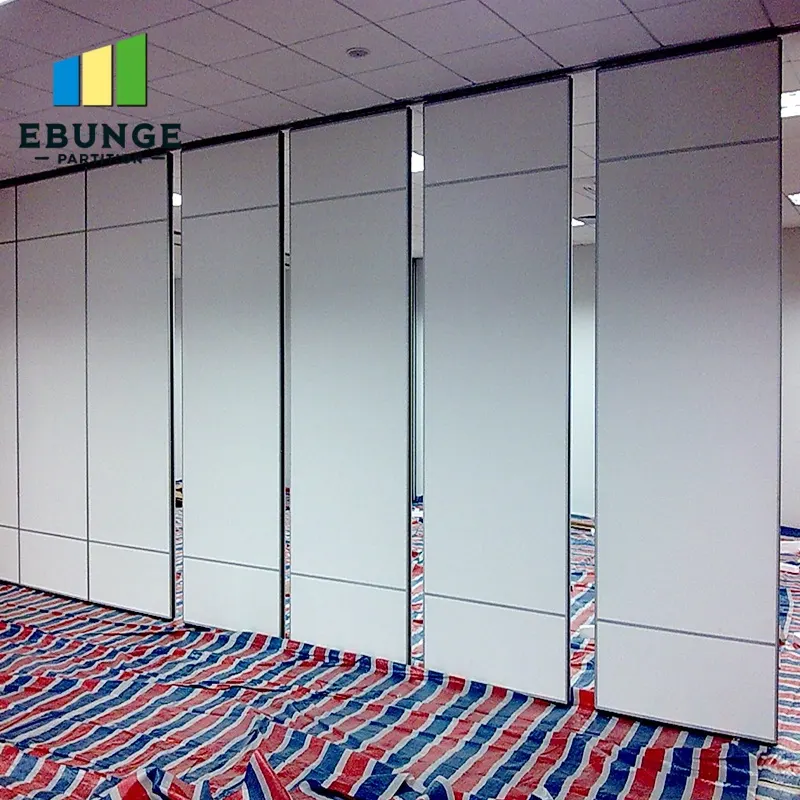
EBUNGE movable partition panels are individually movable, suspended from a top track, cross the opening without a floor track, and park at a planned stacking position. Straight, turning, and stacking routes are reviewed from the layout. Those maintained facts form the backbone of any changeover procedure. The exact overhead route and support arrangement must be confirmed by the responsible project team from coordinated drawings.
Why Changeover SOP Version Control Matters in Facility Operations Planning
Project review term: changeover sop version control.
A changeover SOP describes how a space moves from one configuration to another. When several teams share a venue, the SOP becomes a coordination tool between facility staff, event planners, and contractors. Without version control, a revised stacking plan may sit in one folder while an older route diagram remains on the wall.
Version control is not bureaucracy. It is the mechanism that keeps the written procedure consistent with the reviewed layout. Facility Operations Planning coordination depends on knowing which document is current, who approved it, and when it was last checked against the installed condition.
The difference between a drawing and an SOP
A layout drawing shows intended geometry. An SOP translates that geometry into repeatable actions: which panels move first, where they park, and how the opening is cleared. The two documents must reference each other. If the drawing changes, the SOP revision must follow.
What version control cannot prove
The suitability of each route and parking arrangement depends on the approved layout, circulation, ceiling interfaces and operating sequence. Those items require project-specific evidence and review. The SOP simply records the agreed operating sequence within confirmed boundaries.
Building the Controlled Document Set
Coordination scope: changeover sop version control.
Start by defining the documents that make up the controlled set. A typical set includes the approved layout, the changeover SOP, a revision history, and a training record. Each document needs an owner, a version number, and a review date.
Use a simple naming convention that ties the SOP to the project and the layout revision. Avoid vague labels such as final or latest. A controlled name might combine project reference, document type, and revision number.
Core documents to control
- Approved layout showing straight, turning, and stacking routes.
- Changeover SOP with step sequence and parking positions.
- Revision history log with date, author, and change summary.
- Training attendance and competency record.
- Project-specific confirmation notes for support, acoustic, and dimensional requirements.

Revision numbering that staff can follow
Keep numbering sequential and visible on every page. When a route or parking position changes, increment the revision and archive the previous version. Staff should be able to identify the current revision without opening multiple files.
Evidence Boundaries for SOP Content
An SOP should only describe what has been confirmed. EBUNGE confirms that panels are top-hung, move without a continuous floor running track, and park at a planned stacking position. Finish options include laminate, melamine, fabric, leather, glass, and other approved surfaces. Pass-door requirements and project documentation can be discussed.
Do not write acoustic targets into the SOP unless the project has matching evidence. Confirm acoustic requirements with the project team.
Evidence note: Any statement about support points, loads, acoustic values, fire performance, or dimensional tolerances requires project-specific confirmation. The SOP should reference the confirming document rather than restate an unverified figure.
Questions that require project-specific answers
Which overhead route is continuous and supported? Where exactly do panels park? Does the pass-door location affect the changeover sequence? These questions cannot be answered from a generic template. They belong in the drawing review and confirmation record.
A Numbered Process for SOP Revision and Training
Use a repeatable process so revisions do not bypass training. The following sequence keeps document control and people readiness connected.
- Identify the trigger for change, such as a layout revision or a confirmed route adjustment.
- Update the SOP draft and mark the affected steps.
- Review the draft against the current approved layout and confirmation notes.
- Approve the revision and record it in the revision history.
- Deliver revision training to affected staff and contractors.
- Confirm understanding through a walkthrough or supervised changeover.
- Archive the superseded version and update the controlled document index.
Training that matches the revision
Training should focus on what changed, not repeat the entire SOP. A short revision briefing with a visual route reminder is often more effective than a long session. Record who attended and which revision they were trained on.
Changeover SOP Version Control Checklist
Use this checklist before publishing any revision. It is designed for facility managers, contractors, and owners who need a quick verification pass.
| Check | What to confirm | Evidence source |
|---|---|---|
| Document identity | Project reference, SOP title, revision number, date | Controlled document index |
| Layout alignment | Straight, turning, and stacking routes match the approved layout | Approved layout drawing |
| Parking position | Planned stacking position is clearly described | Layout and project confirmation |
| Pass-door notes | Pass-door requirements are referenced where applicable | Project documentation |
| Evidence boundary | No unverified acoustic, structural, or dimensional claims | Confirmation record |
| Training record | Affected staff trained on the current revision | Training log |
How often to review
Review frequency depends on how often the space changes and whether the layout is modified. A fixed annual review may be enough for stable venues, while active venues may need review after every significant change. Confirm the appropriate interval with the project team.
Coordinating Across Contractors, Designers, and Owners
Changeover SOP version control is a shared responsibility. The owner defines operational priorities. The architect or designer confirms the layout intent. The contractor confirms installation conditions. Facility staff operate the wall daily and often notice drift first.
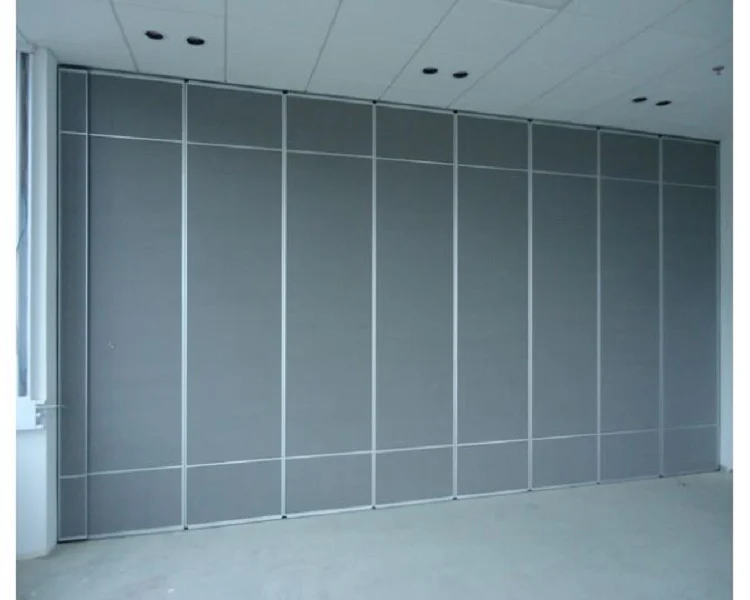
Assign a document owner who can approve revisions and a training coordinator who schedules briefings. Keep communication simple: one controlled folder, one current revision, one point of contact. This reduces the risk of a team working from a superseded route diagram.
Internal links for further planning
Review the maintained product context on the movable walls product page and the broader planning notes in the resources section. When the project scope is clear, contact the team to discuss documentation and pass-door requirements.
FAQ: Changeover SOP Version Control
What is movable partition changeover SOP version control?
It is the process of managing the written changeover procedure so that every revision matches the approved layout and the installed wall. It includes document numbering, approval, training, and archiving.
Who should own the SOP revision process?
A named document owner, often from facility operations or the main contractor, should approve revisions. A training coordinator should ensure affected staff are briefed on the current version.
Can the SOP include acoustic targets?
Only if the project has matching evidence. Confirm acoustic requirements with the project team before writing them into an operating document.
How do we handle a layout change after the SOP is issued?
Treat the layout change as a revision trigger. Update the SOP, review it against the new approved layout, approve the revision, train affected staff, and archive the previous version.
Does every changeover need a new SOP version?
Not every operational note requires a full revision. However, any change to routes, parking positions, or pass-door use should be reflected in a controlled revision so staff are not working from conflicting instructions.
What should be confirmed before publishing a revision?
Confirm document identity, layout alignment, parking position, pass-door references, evidence boundaries, and training records. Project-specific support, acoustic, and dimensional requirements should be confirmed separately.
Conclusion and Next Steps
A controlled changeover SOP keeps flexible spaces usable and predictable. Visible references can support layout discussion but do not verify hidden construction or performance.
Start with the checklist above, assign a document owner, and review the maintained product context. Then contact EBUNGE to discuss project documentation, pass-door requirements, and the layout details that shape your changeover procedure.