
Quick project answer
Review focus: movable partition wall.
A movable partition wall training demonstration record is the written bridge between installation and everyday operation. It captures what was shown, who attended, which routes were walked, and which items remain open. For contractors, architects and facility teams, this record prevents handover knowledge from living only in one person’s memory. It also keeps every statement tied to maintained product facts and reviewed project drawings rather than assumptions.
Why a Training Demonstration Record Matters at Handover
Project review term: movable partition wall.
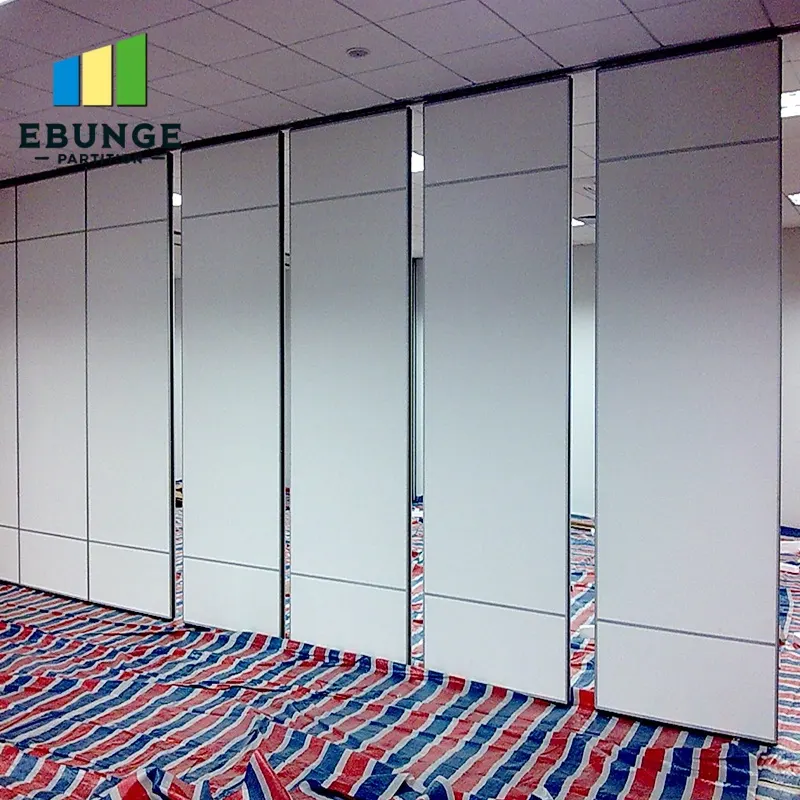
Movable partitions are top-hung systems. Panels move individually, cross the opening without a floor track, and park at a planned stacking position. That operating logic is simple to describe but easy to misremember after a busy handover. A written record gives the facility team a reference they can revisit when staffing changes or when a room is reconfigured for a different event.
The record is not a performance certificate. It documents the demonstration event and the information exchanged. The suitability of each route and parking arrangement depends on the approved layout, circulation, ceiling interfaces and operating sequence. Confirm project-specific acoustic, support and dimensional requirements with the responsible parties before relying on any figure.
What the Record Should Capture
Coordination scope: movable partition wall.
A useful record is specific about the session without inventing engineering conclusions. It should identify the project, the room or venue example, the date, the attendees and the person leading the demonstration. It should list the drawings reviewed and the finish options confirmed for that project, such as laminate, melamine, fabric, leather, glass or other approved surfaces.
The exact route, junction arrangement, continuous overhead path and parking position must be confirmed from the coordinated project drawings. Because panels are suspended from a top track, every proposed path depends on a continuous connected overhead route and project-specific support review. The record should state that these routes were reviewed against the layout, not that they are universally suitable.
Evidence note: what the record can and cannot prove
This record documents attendance, topics demonstrated and open items. It does not certify acoustic performance, structural capacity, fire behaviour, durability or code compliance. Those matters require separate project-specific evidence and confirmation.
A Step-by-Step Demonstration Framework
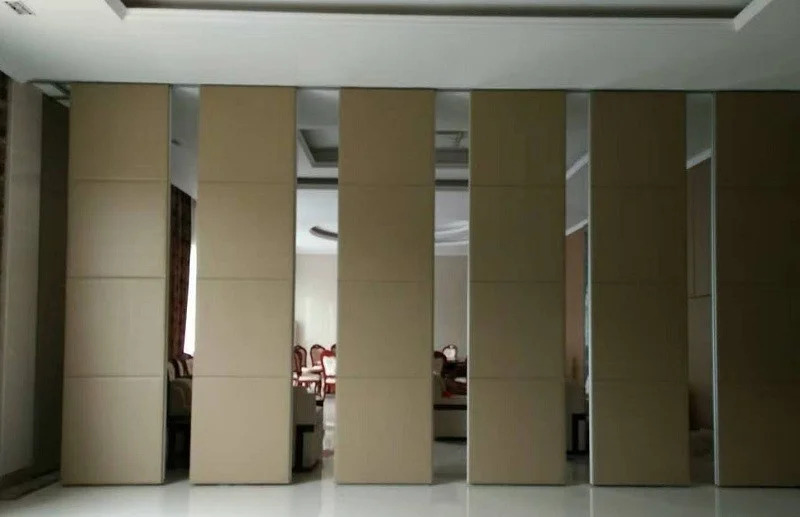
Checklist focus: movable partition wall.
Structure the session so the record has something concrete to describe. The sequence below keeps the focus on observable actions and reviewed documents.
- Confirm the room layout and the intended flexible-space scenarios with the project team.
- Walk the straight, turning and stacking routes against the approved layout.
- Show how individual panels move and how they park at the planned stacking position.
- Review the confirmed finish surfaces for the project and any pass-door requirements.
- Explain the daily visual checks the facility team should perform before use.
- Record questions raised, answers given and any item requiring follow-up.
- Close with the documentation package list and named points of contact.
Each step should produce a line in the record. If a topic was not covered, say so plainly rather than leaving a blank that later reads as approval.
Coordinating Handover Documentation Across Disciplines
Review focus: movable partition wall.
Architects and interior designers can confirm the layout and finish intent. Contractors can confirm what was installed and what was demonstrated. Owners and facility teams can confirm who will hold the record and how updates will be handled.
Distributors and construction teams often need the same record in a different format. A short summary for the facility team and a fuller version for the project file can both be produced from one source. The key is consistency: the same route descriptions, the same finish list and the same open items should appear in every version.
Compact comparison: record types and their purpose
| Record type | Primary purpose | Typical holder |
|---|---|---|
| Demonstration attendance sheet | Confirms who attended and when | Contractor or facility manager |
| Route and parking walkthrough note | Documents reviewed movement paths | Project file |
| Open-item log | Tracks questions and follow-ups | Project manager |
| Handover package index | Lists documents issued to the owner | Owner or facility team |
Common Gaps That Weaken the Record
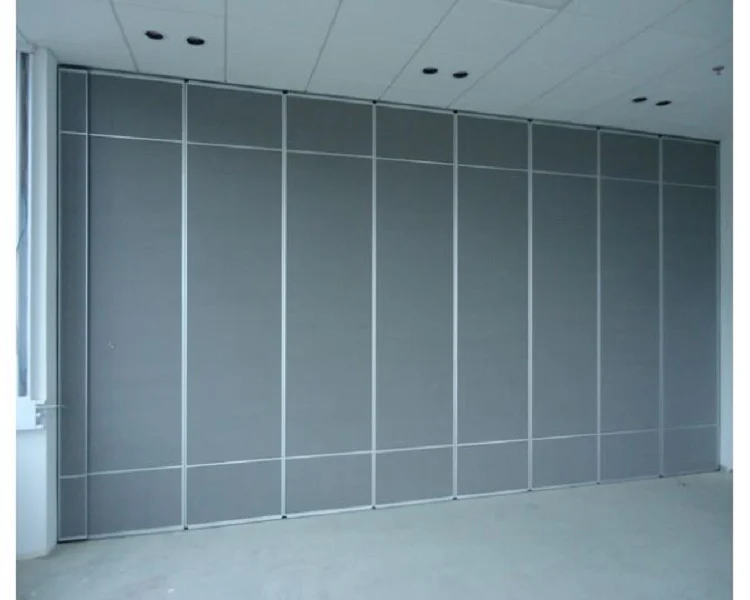
One frequent gap is describing the partition only by its visible finish. Another gap is assuming a route works because it looks clear on a plan; the overhead support condition still requires review.
A third gap is leaving pass-door requirements out of the record. Pass-door needs should be discussed and documented as part of the project scope. A fourth gap is failing to note which items were deferred. Deferred items are not failures, but they must be visible so the facility team knows what to confirm later.
Reviewing the Record Before Final Issue
Before the record is issued, read it as if you were a new facility team member with no prior knowledge of the project. Can you identify the rooms, the routes and the parking position? Can you tell which finishes were confirmed and which items remain open? If not, revise the record rather than adding assumptions.
Confirm that every performance-related statement points to separate project-specific evidence. Confirm that contact details for follow-up are current. A record that respects these boundaries is more useful than one that overstates what was demonstrated.
FAQ: Movable Partition Wall Training Demonstration Records
Who should attend the training demonstration?
Attendees typically include the facility team, the contractor, the project manager and any owner representative who will hold the handover file. The record should list names and roles so future readers know who received the information.
Does the record need to include acoustic ratings?
Only if the project specification includes them and the responsible party provides the supporting evidence. The record should reference the project-specific confirmation rather than restating a figure without context.
How detailed should the route description be?
Describe the straight, turning and stacking routes in relation to the reviewed layout. Note that every proposed movement path requires a continuous connected overhead route and project-specific support review.
Should the record list finish options?
Yes, list the finishes confirmed for that project, such as laminate, melamine, fabric, leather, glass or other approved surfaces.
How should open items be handled?
Record each open item with an owner and a target review point. Open items are normal in handover. The risk is leaving them undocumented so they are later mistaken for completed scope.
Can the record be updated after handover?
Yes, if the project team agrees on a revision process. Keep the original issue date and note subsequent revisions so the facility team can see what changed and why.
Conclusion and Next Steps
A movable partition wall training demonstration record is a practical tool for keeping handover knowledge visible. It documents what was shown, which routes were reviewed and which items remain open, while respecting the limits of what a demonstration can prove.
To discuss pass-door requirements, project documentation or a movable wall configuration for your layout, contact the EBUNGE team. You can also review the movable wall product range and browse additional planning resources before your next project meeting.