
Quick project answer
Review focus: movable partition wall.
A movable partition wall tender evaluation panel is not a formality. It is the control point where drawings, specifications, and commercial returns are tested against what the project can actually support. For overseas contractors, architects, interior designers, owners, and renovation teams, the panel must separate verified product facts from assumptions. This guide explains how to compose the panel, assign scoring roles, and document consensus without inventing performance, cost, or engineering outcomes.
Why Panel Composition Determines Tender Quality
Project review term: movable partition wall.
Movable partition packages touch architecture, structure, procurement, and operations. A panel drawn only from purchasing will miss route and support questions. A panel drawn only from design will miss commercial and delivery boundaries. The strongest composition includes at least one representative from design, one from site or construction, one from procurement, and one from the eventual operating team. For smaller projects, one person may hold two roles, but the role must still be declared in the evaluation record.
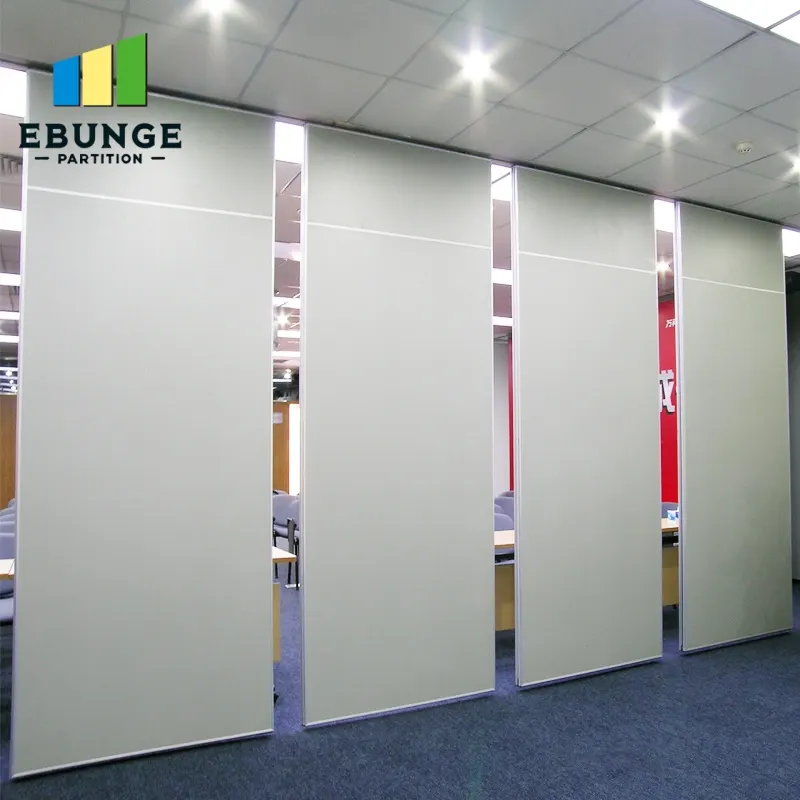
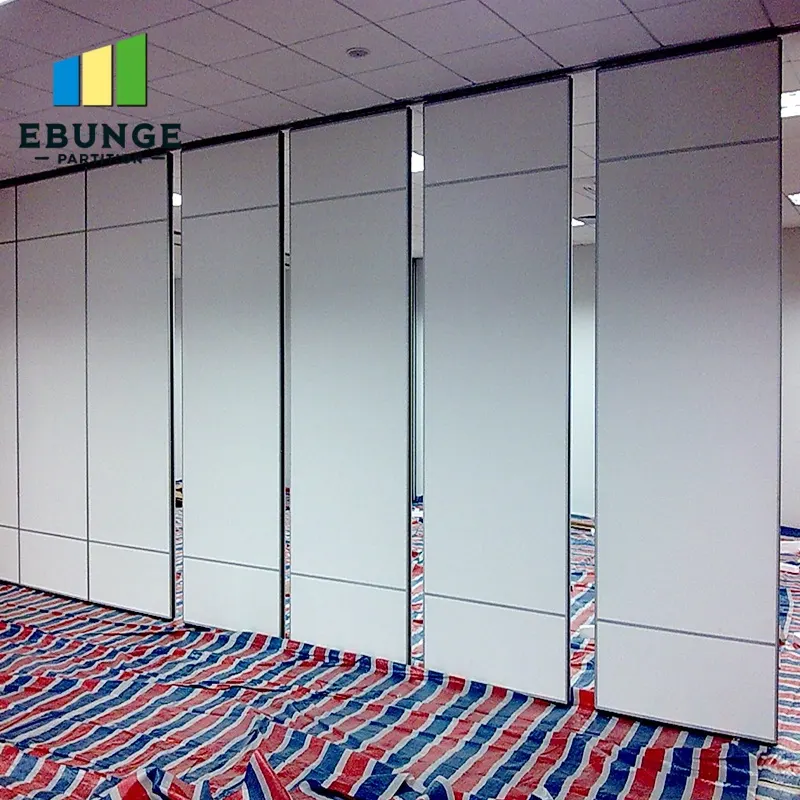
Each member should understand that EBUNGE movable partition panels are individually movable, suspended from a top track, cross the opening without a floor track, and park at a planned stacking position. These maintained facts are the baseline for questioning returns. The suitability of each route and parking arrangement depends on the approved layout, circulation, ceiling interfaces and operating sequence.
Assigning Scoring Roles Without Blurring Accountability
Coordination scope: movable partition wall.
Scoring discipline fails when every member scores every criterion equally. Instead, assign a lead scorer and a reviewer for each category. The lead scorer proposes a score with written justification. The reviewer checks that the justification cites a tender document, a drawing, or a confirmed project requirement. The panel chair resolves disagreements and records the final position.
Suggested role split
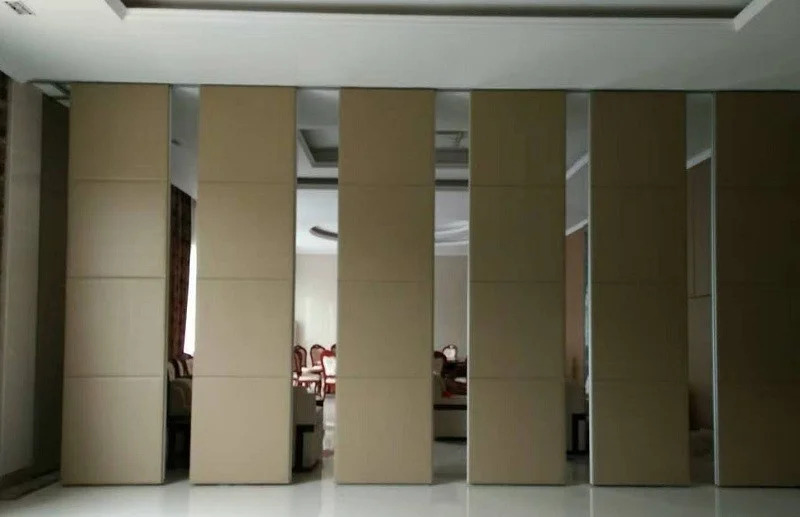
- Design lead: checks that straight, turning, and stacking routes are reviewed from the layout and that finish options such as laminate, melamine, fabric, leather, glass, or other approved surfaces are specified consistently.
- The exact route, junction arrangement, continuous overhead path and parking position must be confirmed from the coordinated project drawings.
- Procurement lead: checks that pass-door requirements, project documentation, and delivery responsibilities are clearly stated.
- Operations reviewer: checks that the parking position and daily movement sequence match the intended room use.
This split keeps each score tied to a visible evidence limit. It also prevents one dominant voice from converting a preference into a technical conclusion.
Building the Scoring Framework Around Evidence
Checklist focus: movable partition wall.
A scoring framework should reward clarity, not optimism. Criteria such as route feasibility, finish consistency, documentation completeness, and coordination readiness can be scored from submitted information. If a tender makes such claims, the panel should request the matching project-specific evidence or record the claim as unverified.
| Evaluation area | What can be scored from the return | What needs project-specific confirmation |
|---|---|---|
| Movement and route | Description of straight, turning, and stacking paths | Continuous connected overhead route and support review |
| Finish | Named finish option and sample reference | Cleaning compatibility and appearance approval |
| Acoustic intent | Stated acoustic concept and seal approach | Project-specific acoustic requirement and test evidence |
| Documentation | Drawing set, schedule, and pass-door notes | Final coordinated dimensions and interfaces |
The panel should ask for the project-specific acoustic requirement and the corresponding evidence rather than accepting a generic label.
Running the Consensus Meeting
Consensus does not mean everyone agrees on every point. It means the panel records what is confirmed, what is unresolved, and what must be clarified before award. Use a numbered process to keep the meeting productive.
- Confirm the evaluation criteria and weightings before opening any return.
- Ask each lead scorer to present their category with cited evidence.
- Invite the reviewer to challenge any score that relies on assumption.
- Record unresolved items in a clarification log with an owner and a due date.
- Score only after clarifications are returned and reviewed.
- Document the final consensus, including any minority position.
This process protects the panel from hindsight bias and gives the project a defensible record if questions arise later.
Documenting Decisions and Clarification Logs
The evaluation record should be usable by someone who did not attend the meeting. It should include the panel composition, the scoring criteria, the evidence cited for each score, the clarification questions sent, and the final consensus. Avoid phrases such as “meets performance” unless the matching evidence is attached. Instead, write “acoustic requirement to be confirmed against project-specific evidence” or “route to be verified from coordinated layout.”
It shows the project team where design development is still needed. It also prevents a tender return from being treated as a completed engineering solution.
Common Pitfalls in Movable Partition Tender Review
Another is accepting a parking description without checking the stacking route against the layout. Each of these can be avoided by returning to the maintained product facts and the project drawings.
Another pitfall is treating a generic application example as evidence of a application reference. Named venues are examples only. Movable partitions can be considered wherever flexible spatial division, combination, or reconfiguration is required, but the specific configuration still needs project-specific review.
FAQ: Movable Partition Wall Tender Evaluation Panel
What is the purpose of a movable partition wall tender evaluation panel?
It tests tender returns against project requirements, separates verified facts from assumptions, and creates a documented basis for award or clarification.
Who should sit on the panel?
Include design, site or construction, procurement, and operations representation. On smaller projects, one person may hold multiple roles, but each role should be declared.
How should acoustic claims be scored?
Score the clarity of the stated acoustic concept and the presence of project-specific evidence.
What should be clarified before award?
Confirm the continuous connected overhead route, support review, parking position, finish approval, pass-door requirements, and any project-specific acoustic or dimensional requirement.
How do we document consensus?
Record panel composition, criteria, evidence cited, clarification questions, final scores, and any minority position. The record should be understandable without the meeting.
Can the panel rely on finish samples for performance?
No. Finish options such as laminate, melamine, fabric, leather, glass, or other approved surfaces are visible selections.
Conclusion and Next Steps
A disciplined movable partition wall tender evaluation panel protects the project from unsupported claims and unclear coordination. Compose the panel with declared roles, score only what the return can evidence, and document every clarification. Keep the maintained product facts in view: panels are individually movable, top-hung, cross the opening without a floor track, and park at a planned stacking position. Straight, turning, and stacking routes must be reviewed from the layout. Finish options and pass-door requirements should be confirmed against project documentation.
Before award, confirm project-specific support, acoustic, and dimensional requirements. If your team needs to discuss route review, finish options, or documentation expectations, contact EBUNGE to start the conversation. You can also review the movable wall product range and browse additional planning resources for tender preparation.