
Quick answer: architect coordination query log movable partition
Review focus: architect coordination query log movable partition.
An architect coordination query log movable partition framework gives every open design question a visible owner, a required evidence source and a review date. On movable wall projects, the highest-risk gaps are rarely about finishes; they are about route continuity, support coordination and the boundary between confirmed product facts and project-specific assumptions. This article sets out a design-phase log and response-tracking method that keeps those boundaries explicit.
Why a Query Log Belongs in the Design Phase
Project review term: architect coordination query log movable partition.
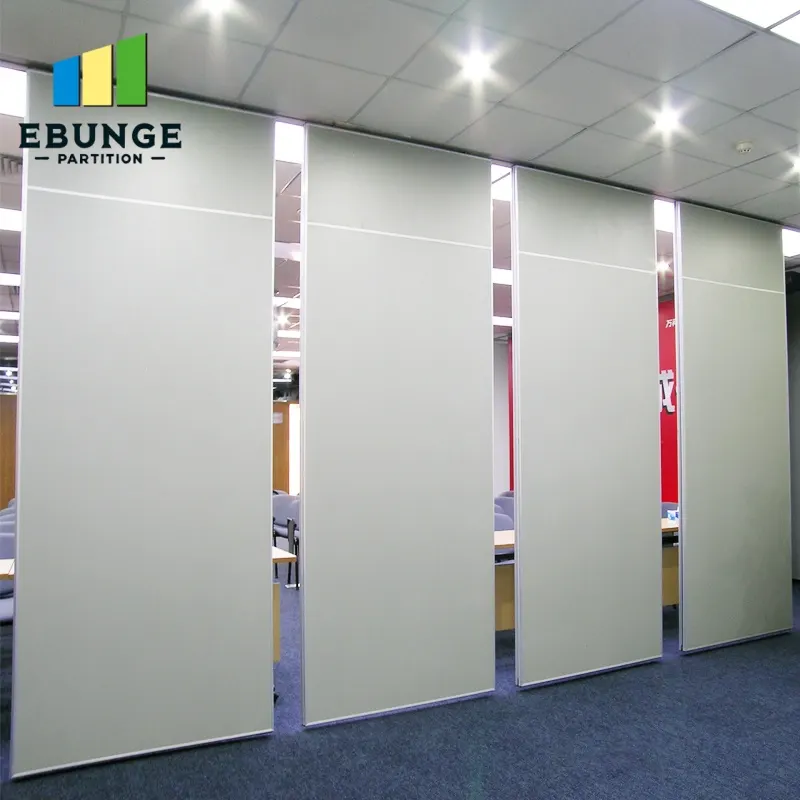
Movable partitions are top-hung and travel without a continuous floor track along the partition line. The exact route, junction arrangement, continuous overhead path and parking position must be confirmed from the coordinated project drawings. A query log turns scattered emails into a controlled register.
Without a log, unresolved items migrate into construction documents as assumptions. A log does not replace engineering review; it records what still needs it.
Core Query Categories for Movable Wall Coordination
Coordination scope: architect coordination query log movable partition.
Group queries so that responses route to the right reviewer. The categories below reflect the maintained product facts and the evidence boundaries that apply to this product family.
- Route and geometry: straight, turning and stacking paths reviewed from the layout.
- Support interface: how the top track is supported by the building structure, subject to project-specific review.
- Parking position: where panels stack and whether the coordinated design permits compact stacking.
- Finish selection: laminate, melamine, fabric, leather, glass and other approved surfaces.
- Pass-door requirements: whether a pass door is needed and how it is documented.
- The suitability of each route and parking arrangement depends on the approved layout, circulation, ceiling interfaces and operating sequence.
- Documentation: drawings, schedules and submittals required for the project.
Building the Log: Fields That Keep Responses Traceable
Checklist focus: architect coordination query log movable partition.
A useful log is short enough to maintain and complete enough to audit. Each row should capture the question, the evidence needed, the responsible party and the status.
| Field | Purpose | Example entry |
|---|---|---|
| Query ID | Unique reference for tracking | MP-014 |
| Category | Routes to correct reviewer | Support interface |
| Question | Clear, answerable statement | Confirm support condition at track line |
| Evidence required | Prevents unsupported answers | Structural drawing or engineer note |
| Owner | Single point of accountability | Structural engineer |
| Status | Open, answered, closed | Open |
| Review date | Keeps momentum | Design milestone 2 |
Response Tracking Without Inventing Performance
Review focus: architect coordination query log movable partition.
Responses must stay inside the evidence boundary.
The exact overhead route and support arrangement must be confirmed by the responsible project team from coordinated drawings. The log should show that dependency rather than closing the item prematurely.
Drawing Review and Route Verification
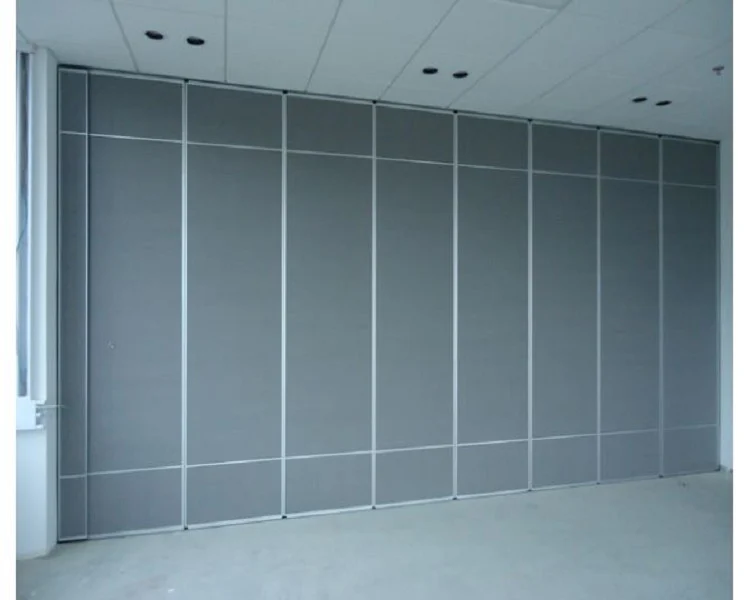
Every proposed movement path requires a continuous connected overhead route and project-specific support review. The log should link each route query to the drawing that shows the straight, turning and stacking paths.
- Overlay the proposed partition line on the architectural plan.
- Mark the parking position and confirm it is reachable from the opening.
- Check that the overhead route is continuous across the full travel path.
- Record the review outcome in the log and update the drawing reference.
Finish and Pass-Door Queries
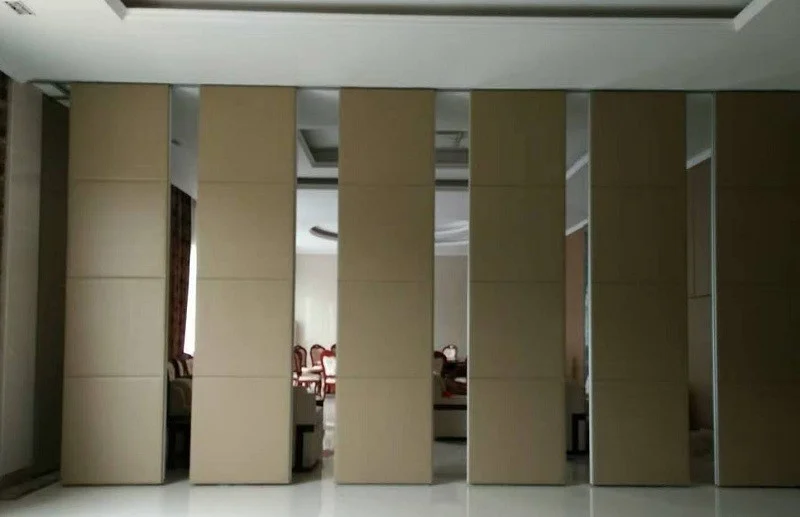
Finish options include laminate, melamine, fabric, leather, glass and other approved surfaces. A finish query should ask whether a surface is approved for the project, not whether it provides a hidden performance benefit. Visible references can support layout discussion but do not verify hidden construction or performance.
Pass-door requirements can be discussed as part of the layout. The log should record the door location, the adjacent panel condition and the documentation needed for review.
Evidence Notes and Boundaries
Product facts describe top-hung movement, clear floor travel, customized parking and broad application scope. They do not establish project-specific support, acoustic, fire, durability or commercial outcomes. Those require matching evidence and drawing review.
Use this boundary note in the log header so every contributor sees the same limits.
FAQ: Architect Coordination Query Logs
What is an architect coordination query log for movable partitions?
It is a controlled register of design-phase questions, required evidence, owners and review dates. It keeps route, support, parking, finish and pass-door items visible until they are answered or formally deferred.
Which queries need project-specific evidence?
Generic product facts are not a substitute.
Can the log confirm acoustic performance?
No.
How should route and parking queries be handled?
Review straight, turning and stacking routes from the layout. Confirm that the overhead route is continuous and that the parking position is coordinated with the design. Support remains subject to project-specific review.
What finish information can be logged?
Record the selected finish from the approved options: laminate, melamine, fabric, leather, glass and other approved surfaces. Do not infer performance from the finish name or appearance.
When should a query be closed?
Close a query only when the required evidence is attached and the responsible reviewer has confirmed it. If evidence is missing, keep it open or mark it as deferred with a review date.
Conclusion and Next Steps
A query log is a lightweight control that keeps movable partition coordination honest. It separates confirmed product facts from project-specific requirements and gives every open item a path to resolution. Start with the categories above, assign owners, and review the log at each design milestone.
To discuss pass-door requirements, finish options or project documentation, contact EBUNGE. You can also review the movable walls product page and the resources section for further planning context.