
Quick answer: movable partition wall
Review focus: movable partition wall.
A movable partition wall tender scope gap review is not a price comparison exercise. It is a structured check that the supplier submittal matches the project layout, the intended movement routes and the documentation obligations. Gaps usually appear where a submittal describes panels but omits the conditions that make those panels workable on site. This framework helps contractors, architects, interior designers, owners and renovation teams read submittals against the drawings rather than against marketing language.
Start with the movement route, not the panel finish
Project review term: movable partition wall.
Movable wall panels are individually movable, suspended from a top track, cross the opening without a floor track and park at a planned stacking position. That single sentence already creates review questions. Does the submittal show a continuous connected overhead route? Does it identify where panels park? Does it treat straight, turning and stacking routes as part of the scope?
A supplier may show a beautiful elevation while leaving the route logic unresolved. The reviewer’s job is to compare the proposed route against the architectural layout and flag any place where the submittal assumes a condition that the drawings do not show.
Route review prompts
- Is the overhead route continuous across every opening the panels must cross?
- Are turning points and stacking positions shown on a plan, not only described in text?
- Does the submittal assume a clear floor line where other trades have placed services?
- Are adjacent walls, columns or ceilings treated as fixed constraints?
Check the submittal against the tender scope
Coordination scope: movable partition wall.
Scope gaps often hide in the boundary between supplier supply and site installation. The tender may expect the supplier to provide panels, track, parking arrangement and interface details, while the submittal lists only panels and finish. Reviewers should mark every item that is described but not clearly allocated.
Use the tender documents as the baseline. If the submittal introduces a condition that is not in the tender, treat it as an assumption flag rather than a confirmed inclusion. The goal is not to reject the submittal but to make the missing information visible before award.
Scope allocation checklist
- Panel supply, finish and approved surface selection.
- Top track and any associated support conditions shown on drawings.
- Parking position and stacking arrangement relative to the layout.
- Pass-door requirements, if the project needs them.
- Project documentation, including drawings and coordination information.
- Interface points with adjacent trades and existing structure.
Identify assumption flags in supplier language
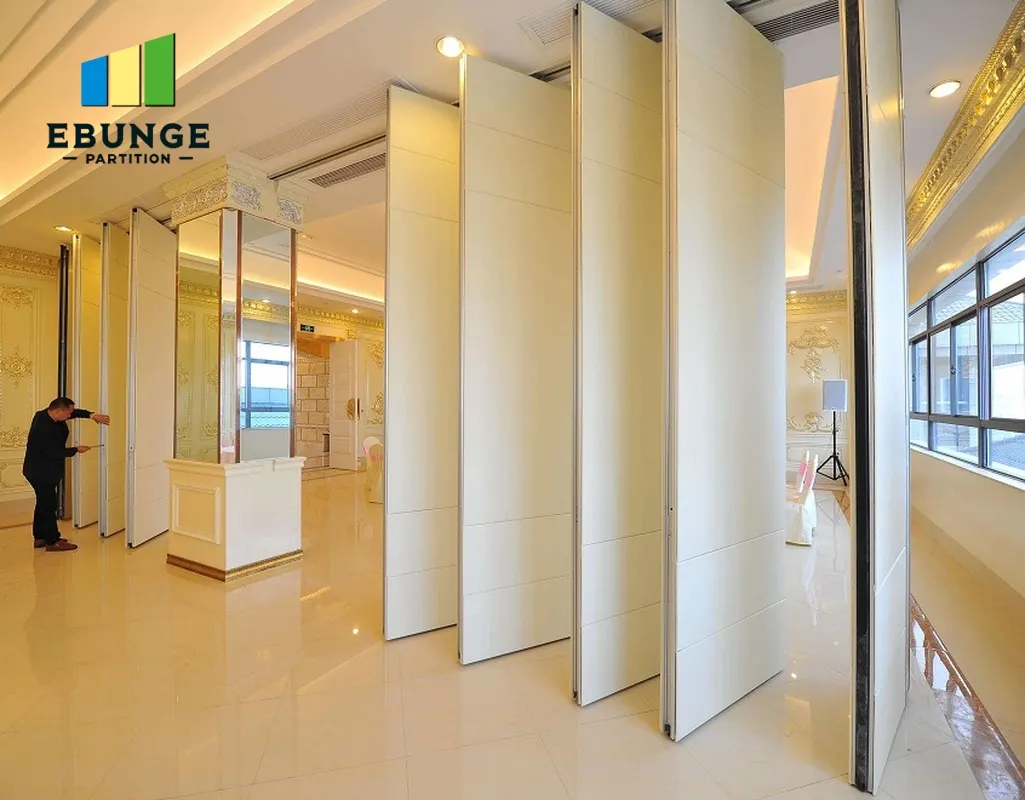
Checklist focus: movable partition wall.
Visible references can support layout discussion but do not verify hidden construction or performance. Examples include ‘standard detail’, ‘subject to site verification’ or ‘as required’. These phrases are not automatically wrong, but they tell the reviewer that a project-specific confirmation is still outstanding.
When you find an assumption flag, link it to the drawing or specification item it affects. That keeps the review evidence-based and avoids turning a documentation gap into a performance dispute later.
Common assumption flags
| Flag | What it may hide | Reviewer action |
|---|---|---|
| Standard track detail | Support conditions not checked against the structure | Request a project-specific support review |
| Finish as selected | Surface option not confirmed against the approved list | Confirm finish option and sample approval route |
| Acoustic performance | STC or Rw value quoted without project context | Ask for the exact project-specific acoustic requirement and evidence boundary |
| Parking as shown | Stacking position not coordinated with other trades | Compare parking plan with architectural layout |
Review acoustic and seal language carefully
The suitability of each route and parking arrangement depends on the approved layout, circulation, ceiling interfaces and operating sequence.
If the submittal cannot connect the claim to the project, mark it as an open item. This is a documentation review, not a promise that any particular acoustic outcome will be achieved.
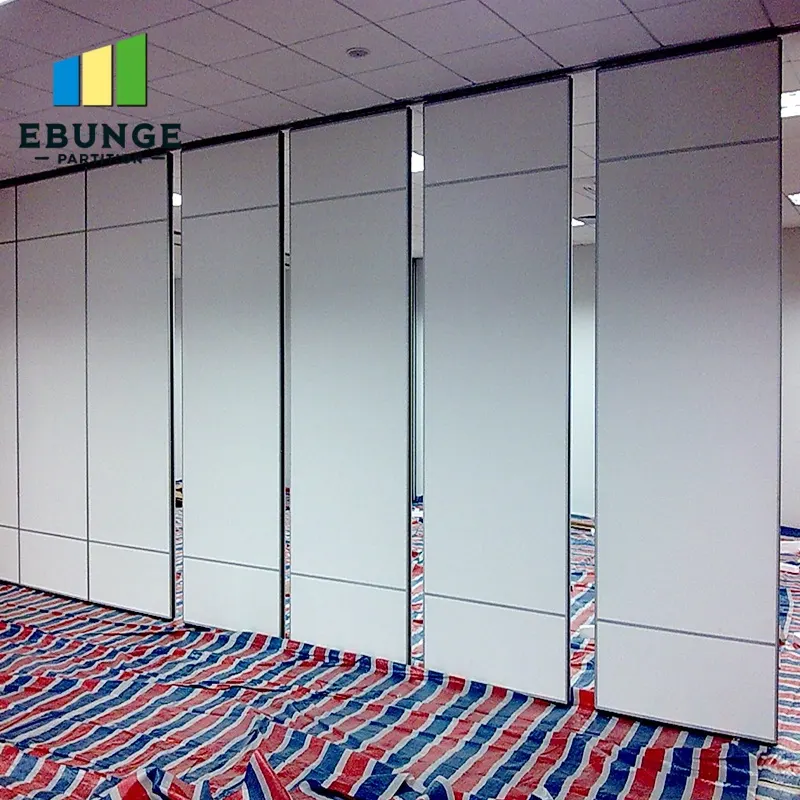
Evidence note
Confirm project-specific support, acoustic and dimensional requirements before accepting any submittal statement as a project commitment. Visible finishes, drawings and photographs do not by themselves prove acoustic, structural or durability performance.
Coordinate the review across disciplines
The architect checks layout and finish intent. The contractor checks buildability and interfaces. The owner checks that the operational need is covered. The supplier submittal should be read against all three perspectives.
If a gap appears, record it as a question with a drawing reference.
Numbered review process
- Collect the tender drawings, specification and supplier submittal.
- Mark the intended straight, turning and stacking routes on the layout.
- Compare each submittal line against the tender scope allocation.
- List every assumption flag and link it to a drawing or specification item.
- Request project-specific confirmation for support, acoustic and dimensional requirements.
- Issue a consolidated clarification before award.
Documentation and pass-door considerations
Pass-door requirements and project documentation can be discussed with the supplier as part of the tender review. If the project needs a pass door, the submittal should show how it fits the panel layout and the movement route. If the project needs specific documentation, the submittal should state what will be provided and when.
Do not assume that a generic submittal covers project documentation. Ask for the document list and check it against the tender requirements. This is one of the most common scope gaps because documentation is easy to overlook when the focus is on panels and finishes.
Frequently asked questions
What is a movable partition wall tender scope gap review?
It is a structured comparison between the tender requirements and the supplier submittal, looking for missing scope items, unclear allocations and assumptions that need project-specific confirmation.
Which project information is needed for this review?
You need the architectural layout, the intended movement and stacking routes, the finish requirements, any pass-door needs and the documentation obligations. Confirm project-specific support, acoustic and dimensional requirements with the project team.
How do I spot assumption flags in a submittal?
Look for phrases that depend on unstated conditions, such as ‘standard detail’ or ‘subject to site verification’. Link each flag to the drawing or specification item it affects and request a project-specific response.
Can a submittal prove acoustic performance?
A submittal should be tied to the project-specific acoustic requirement and the evidence that will demonstrate it. Do not treat a generic claim as a measured result.
What finish options should I expect in a submittal?
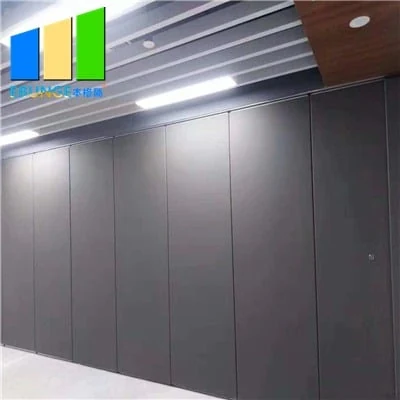
Confirmed finish options include laminate, melamine, fabric, leather, glass and other approved surfaces. The submittal should identify which option is proposed and how it will be approved for the project.
How should parking and stacking be reviewed?
Parking style is customized to the layout and project requirements. Review the parking position against the architectural plan and confirm that the stacking arrangement is coordinated with other trades.
When should I involve the supplier in clarification?
Involve the supplier as soon as a gap or assumption flag is identified.
Conclusion: make the gaps visible before award
A disciplined movable partition wall tender scope gap review protects the project from surprises later. Focus on the movement route, the scope allocation, the assumption flags and the documentation obligations. Keep every statement tied to the drawings and to project-specific confirmation.
Review the movable wall product context and the project planning resources before finalizing your submittal questions. When you are ready to discuss pass-door requirements, finish options or project documentation, contact the EBUNGE team to confirm the details for your project.