
Quick project answer
Review focus: track zone release.
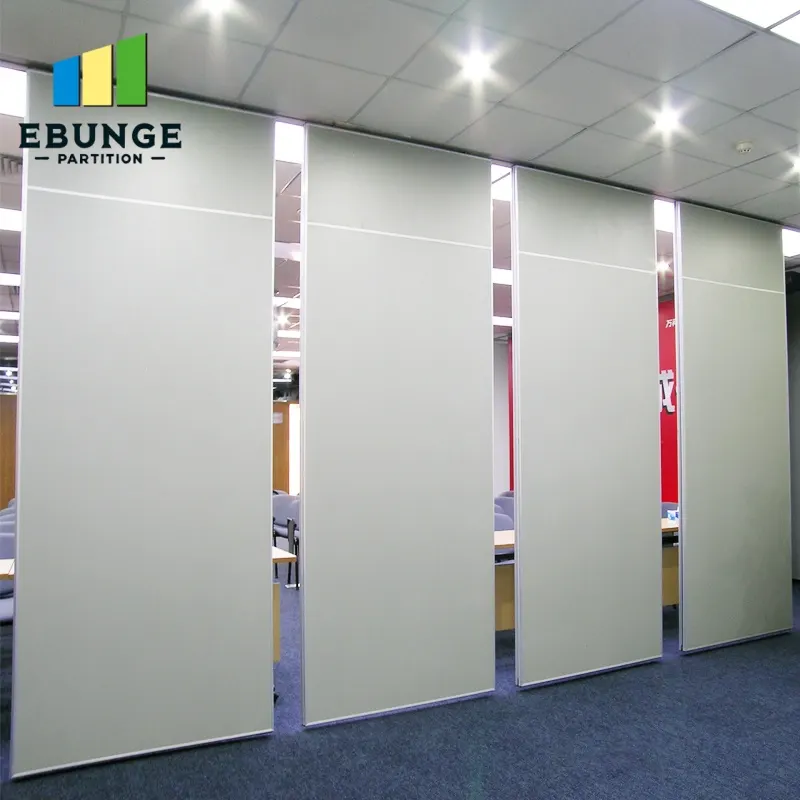
A movable partition track zone release sequence is the contractor’s control point between overhead route readiness and panel hanging. EBUNGE movable wall panels are individually movable, suspended from a top track, cross the opening without a floor track, and park at a planned stacking position. The exact route, junction arrangement, continuous overhead path and parking position must be confirmed from the coordinated project drawings. This article sets out a zone release framework for overseas project teams: what to verify, who signs off, and how to hand a zone to the hang crew without inferring performance that the drawings do not show.
Why Track Zone Release Matters Before Panel Hanging
Project review term: track zone release.
Panels hang from the top track, so the track is the first trade interface. If the overhead route is incomplete, the hang crew cannot start, and a partial release creates rework. The release sequence exists to confirm that the straight, turning and stacking routes shown on the layout are continuous and supported before panels arrive at the opening.
This is a coordination framework, not a performance statement. The suitability of each route and parking arrangement depends on the approved layout, circulation, ceiling interfaces and operating sequence. Those remain project-specific and must be confirmed against the project drawings and the relevant specification.
Information Required Before Any Zone Is Released
Release decisions depend on documents, not assumptions.
Drawing set and route review
The layout should show straight, turning and stacking routes. Review each route as a connected overhead path.
Finish and interface confirmation
Confirmed finish options include laminate, melamine, fabric, leather, glass and other approved surfaces. Pass-door requirements and project documentation can be discussed with the supplier so the opening and route logic match the intended use.
The Track Zone Release Sequence, Step by Step
- Zone definition. Divide the layout into release zones along the track route, including turning and stacking areas.
- Overhead route check. Confirm the route is continuous and connected for the zone being released.
- Support coordination review. Confirm the project-specific support requirements have been reviewed and documented.
- Inspection hold point. Pause the zone at the agreed hold point and record the outcome before release.
- Written release. Issue a zone release note to the hang crew naming the zone, date and any open items.
- Panel hang. Hang panels only in released zones, following the agreed stacking position.
- Post-hang walk. Verify movement along the released route and record any snagging items.
Inspection Hold Points and Trade Handoffs
Hold points prevent a zone from being released on verbal assurance. Each hold point should have a named reviewer, a defined check and a recorded result.
What a hold point should record
- Zone identifier and route segment covered.
- Drawing revision used for the check.
- Open items and who owns them.
- Release status: released, released with conditions, or not released.
Keep the record with the project documentation. If a drawing changes, the affected zones return to hold until rechecked.
Evidence Boundaries for Release Decisions
Release confirms coordination status only. It does not confirm acoustic, structural, fire, durability or commercial outcomes, and it does not replace project-specific engineering review.
Confirm the project-specific acoustic requirement with the responsible acoustic consultant and the supplier.
Similarly, do not infer support capacity, load paths or fixing requirements from a photograph, a finish sample or a generic detail. Those items require matching project evidence.
Common Coordination Failures and How to Avoid Them
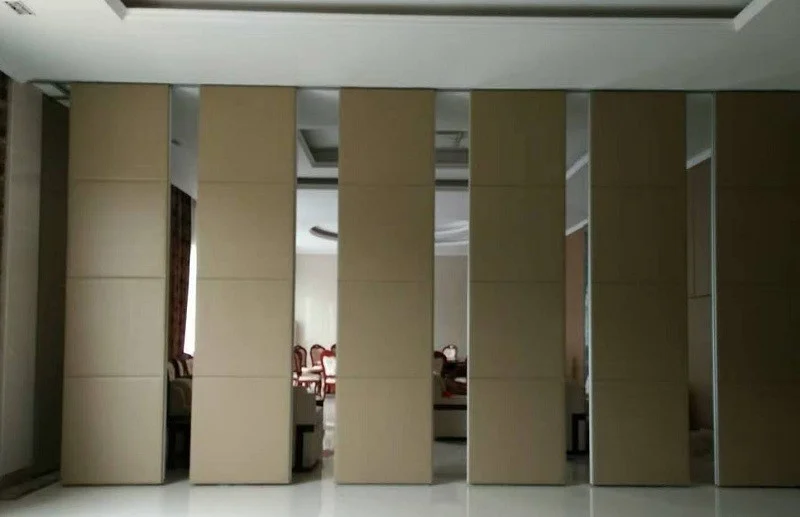
Most delays come from releasing a zone before the overhead route is complete, or from treating a stacking area as a storage space. Parking style is customized to the customer layout and project requirements and may support compact stacking when the coordinated design permits it, so the stacking position must be planned, not improvised.
Another frequent issue is a late change to the opening or pass-door requirement. Raise pass-door and documentation questions early so the route and opening logic are settled before panels are ordered or hung.
Roles, Records and Communication
Name one person to own the release log. The hang crew should receive only released zones, and the reviewer should be independent of the crew doing the hanging where the project allows. Short daily coordination between the overhead route trade and the partition crew keeps the sequence moving.
Use the EBUNGE resources for general planning context, and review the movable wall product information when preparing the layout discussion. Confirm project-specific support, acoustic and dimensional requirements before finalizing any release.
Frequently Asked Questions
What is a movable partition track zone release sequence?
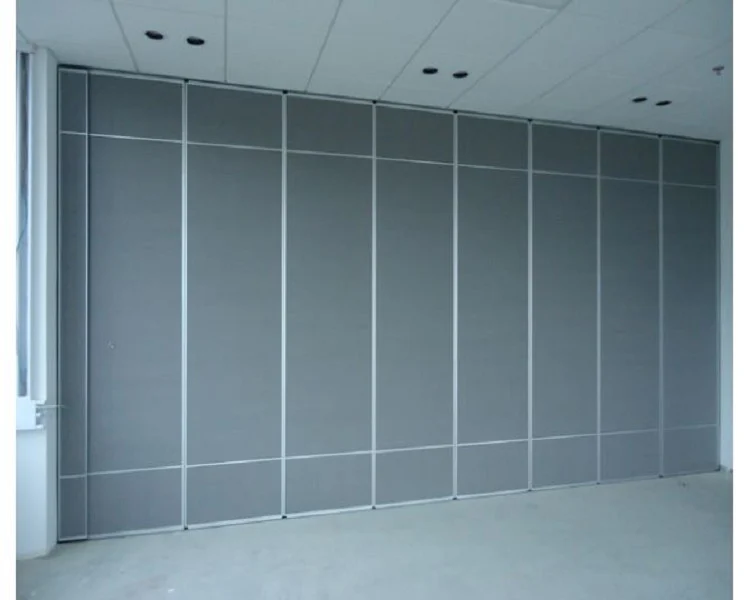
It is a controlled process for confirming that a defined section of the overhead track route is ready, inspected and released before panels are hung in that zone.
Do movable partition panels need a floor track?
EBUNGE movable wall panels are top-hung and cross the opening without a floor track.
Which documents are needed before releasing a zone?
The layout showing straight, turning and stacking routes, the relevant drawing revision, support coordination information and the approved finish schedule.
Can a zone be released if the route has a gap?
No. Every proposed movement path requires a continuous connected overhead route and project-specific support review before release.
Does zone release confirm acoustic performance?
No. Release confirms coordination status only.
How should pass-door requirements be handled?
Raise pass-door requirements and project documentation early so the opening and route logic are coordinated before installation begins.
Conclusion and Next Step
A disciplined movable partition track zone release sequence protects the hang programme by keeping panels out of unreleased areas. Define zones, verify continuous overhead routes, record hold points, and release in writing. Keep every decision tied to the project drawings and confirm support, acoustic and dimensional requirements for the specific project.
To discuss your layout, finishes, pass-door requirements or documentation, contact the EBUNGE team and share your project drawings for review.