
Quick project answer
Review focus: tender risk register.
A movable partition wall tender risk register is a working document that records what is known, what is assumed, and what must be confirmed before a contract is awarded. For overseas contractors, architects, interior designers, owners, renovation companies, distributors and construction teams, the register turns scattered tender clarifications into an auditable list of risks with owners and due dates. It does not replace drawings, specifications or project-specific engineering review. Instead, it exposes where those documents are silent, inconsistent or dependent on information that has not yet been provided.
The register should be started during tender review, not after award. Early entries are often provisional, but they create a shared language between the commercial team, the design team and the supplier. The goal is not to eliminate every uncertainty. The goal is to make uncertainty visible, assign it to a responsible party, and decide whether it can be closed, priced, or carried as a qualified risk.
Why a Risk Register Belongs in the Tender Stage
Project review term: tender risk register.
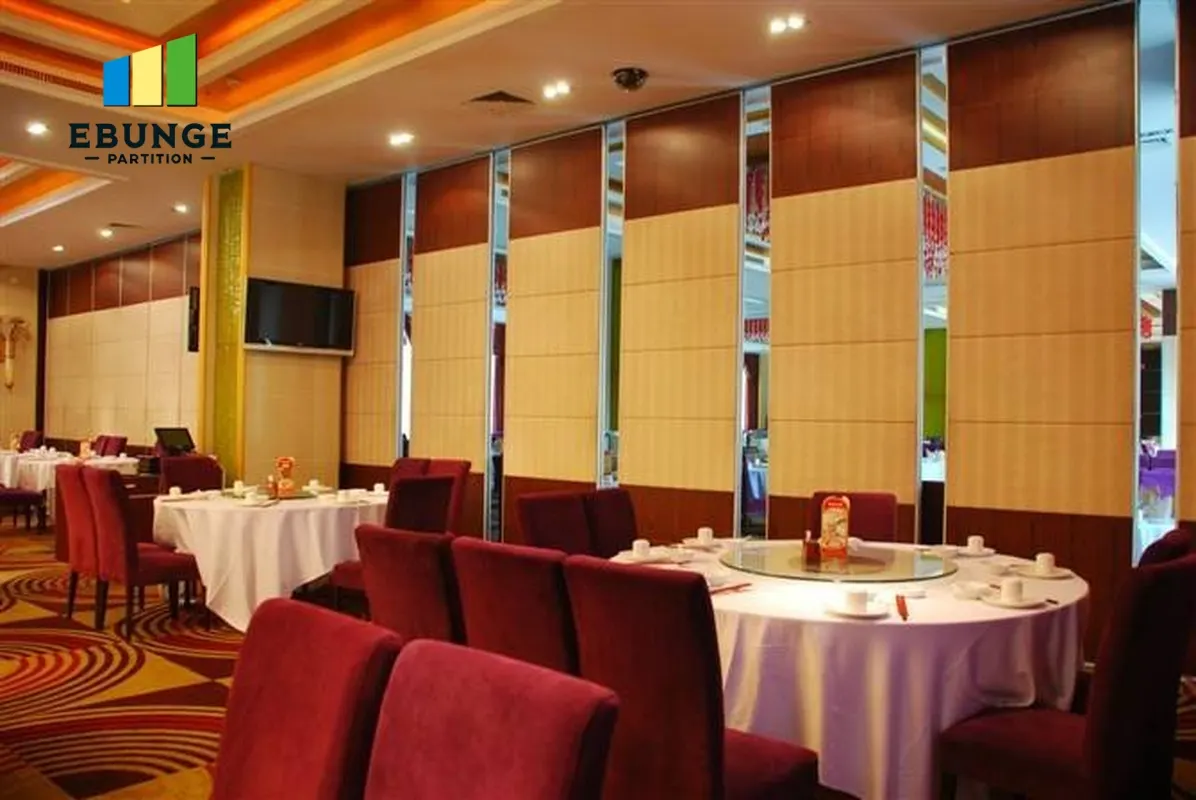
Movable partition packages sit at the intersection of architecture, structure, finishes and procurement. A tender package may describe room layouts, finish expectations and acoustic intent, while leaving the overhead support route, parking position or interface details to later coordination. If those gaps are not recorded, they can reappear as variations, delays or disputes.
A tender risk register gives the project team a controlled place to log these gaps. The exact overhead route and support arrangement must be confirmed by the responsible project team from coordinated drawings.
What the register is not
The suitability of each route and parking arrangement depends on the approved layout, circulation, ceiling interfaces and operating sequence. It is also not a place to record performance claims that have not been supported by project-specific evidence. Entries should describe the risk and the action needed, not assert an outcome.
Core Risk Categories for Movable Partition Packages
Coordination scope: tender risk register.
Most tender risks for movable partitions fall into a small number of categories. The categories below are a starting structure; project teams should adapt them to the procurement route and contract form.
| Risk category | Typical question to resolve | Evidence needed before award |
|---|---|---|
| Layout and movement route | Does the proposed straight, turning or stacking route work within the room geometry? | Reviewed layout drawings showing the overhead route and parking position |
| Overhead support and interface | Who confirms the supporting structure and the interface with adjacent trades? | Project-specific structural and coordination review |
| Finish and appearance | Which finish option is specified, and what sample or approval process applies? | Confirmed finish selection and approval procedure |
| Acoustic intent | How is acoustic performance described, and who verifies it? | Project-specific acoustic requirement and matching evidence |
| Pass-door and access | Are pass-door requirements defined and coordinated with the panel layout? | Confirmed pass-door requirement and layout review |
| Documentation and approvals | Which submittals, samples and approvals are required, and by when? | Agreed submittal schedule and responsibility matrix |
Each row should become at least one register entry. The entry should name the risk, describe the impact if unresolved, identify the owner, and state the action that closes it.
Building the Register: A Step-by-Step Process
Checklist focus: tender risk register.
A consistent process keeps the register usable across multiple packages and bidders. The following sequence can be run during tender review and updated as information arrives.
- Collect the tender documents. Gather drawings, specifications, schedules, finish requirements and any acoustic or operational brief. Note where documents conflict.
- List assumptions. Record every assumption that a bidder might make, especially about layout, support, parking and interfaces.
- Classify each item. Mark items as confirmed, to be confirmed, or dependent on another party. Avoid treating an assumption as a confirmed fact.
- Assign an owner. Every open item needs a named person or organization responsible for closing it.
- Set a due date. Tie dates to tender clarification deadlines, award milestones or drawing issue dates.
- Define the closure evidence. State what document, drawing or confirmation will close the item.
- Review before award. Confirm that no critical item remains open without a decision or a qualified allowance.
Keeping entries evidence-bounded
An entry that states a specific acoustic result without project-specific evidence is not. The register should point to the evidence required, not invent it.
Allocating Risk Between Parties
Review focus: tender risk register.
Allocation is a commercial decision, but it should follow from the technical facts. If the overhead support route depends on the base building structure, the party responsible for that structure should own the confirmation. If the finish selection depends on the owner’s design intent, the owner or their representative should own the approval.
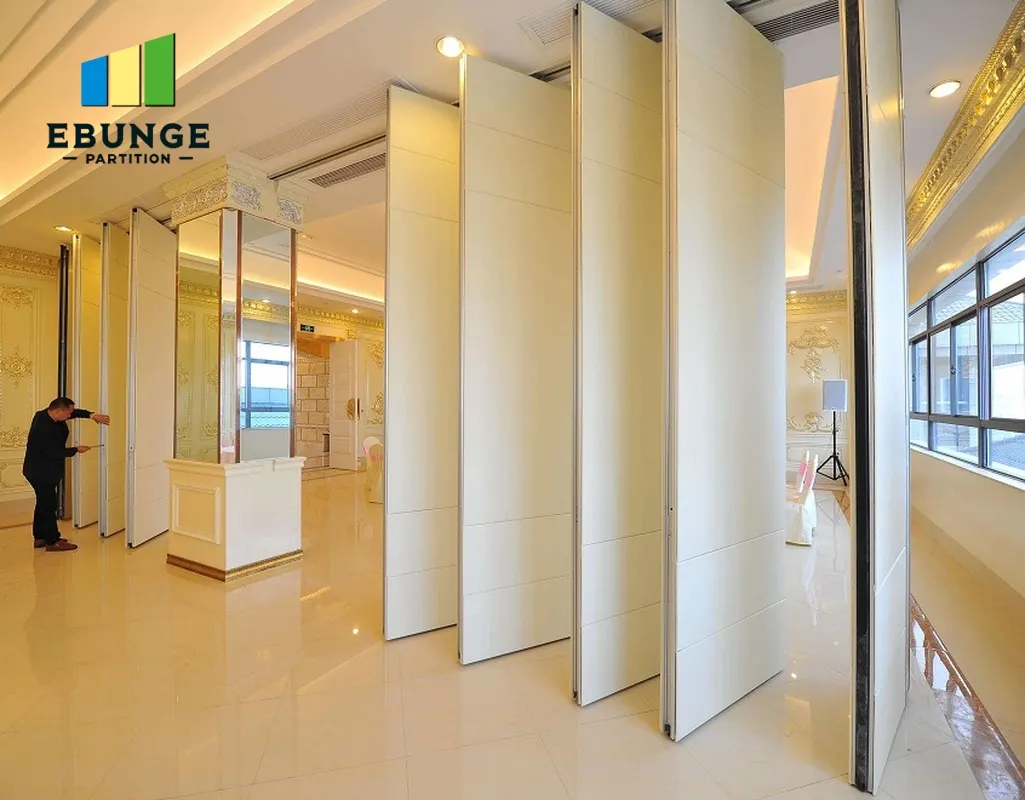
For movable partitions, the supplier can typically confirm product-related facts such as the top-hung, floor-track-free movement principle, the available finish options, and the need for a continuous overhead route.
Questions to ask each bidder
- Which assumptions in your bid depend on information not yet provided?
- What layout information do you need to confirm the movement and parking route?
- How will pass-door requirements be coordinated with the panel layout?
- Which finish options are included, and what approval process applies?
- What documentation will you provide for project-specific review?
Using the Register During Bid Evaluation
During evaluation, the register helps compare bids on a like-for-like basis. A bid that lists more assumptions is not necessarily weaker; it may simply be more transparent. The evaluation team should check whether each bidder has identified the same critical risks and whether their proposed closure actions are realistic.
Where a risk cannot be closed before award, the contract should record how it will be handled. This may include a clarification, a provisional sum, or a defined responsibility. The register should remain a live document through delivery, with closed items marked and new items added as coordination progresses.
Common Pitfalls to Avoid
One common pitfall is treating the register as a one-off tender form. It should be reviewed at each design stage and updated when drawings change. Another is assigning risks to “the supplier” without checking whether the supplier controls the relevant information.
A third pitfall is recording performance expectations without evidence.
FAQ: Tender Risk Registers for Movable Partitions
What is a movable partition wall tender risk register?
It is a structured list of risks, assumptions and open items related to a movable partition package, created during tender review and maintained through award. Each entry should have an owner, a due date and a defined closure action.
When should the register be started?
Start it as soon as tender documents are issued. Early entries may be provisional, but they help the project team identify gaps before bids are compared and before contractual commitments are made.
Which risks are specific to movable partitions?
Typical items include the movement route, parking position, overhead support interface, finish selection, pass-door requirements and acoustic intent. Each of these depends on project-specific drawings and coordination.
Can the supplier close all risks before award?
No. The exact route, junction arrangement, continuous overhead path and parking position must be confirmed from the coordinated project drawings.
How should acoustic risk be recorded?
Record the project’s acoustic requirement and the evidence needed to verify it. Do not record a performance result unless it is supported by project-specific documentation.
How often should the register be updated?
Review it at each design stage, before award, and during delivery. Closed items should be marked, and new items should be added when drawings or scope change.
Conclusion: Close the Gaps Before You Commit
A movable partition wall tender risk register is a practical tool for making procurement assumptions visible. It helps contractors, architects, designers, owners and renovation teams compare bids fairly, assign responsibility clearly and avoid surprises after award. The register does not replace project-specific support, acoustic and dimensional confirmation, but it ensures those confirmations are requested and tracked.
To discuss pass-door requirements, finish options or project documentation for your movable partition package, contact EBUNGE. You can also review the movable wall product range and the resources library for further planning context.