
Quick answer: labor crew skill mix
Review focus: labor crew skill mix.
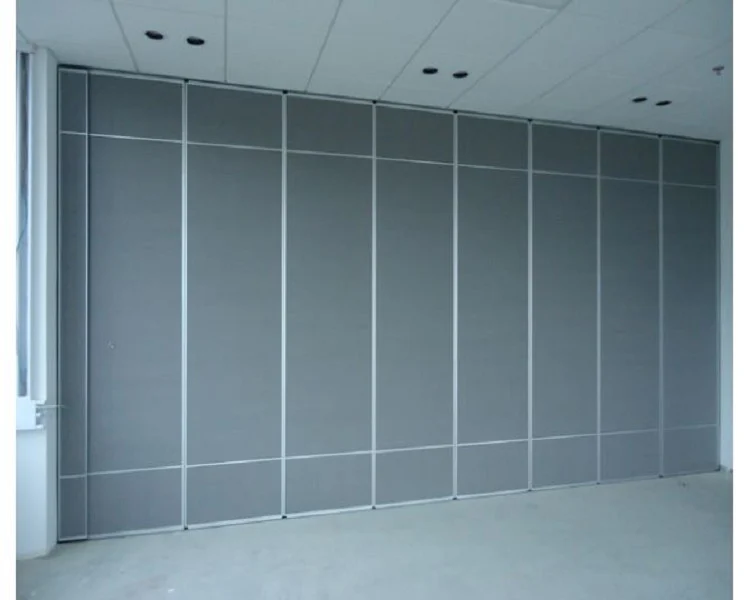
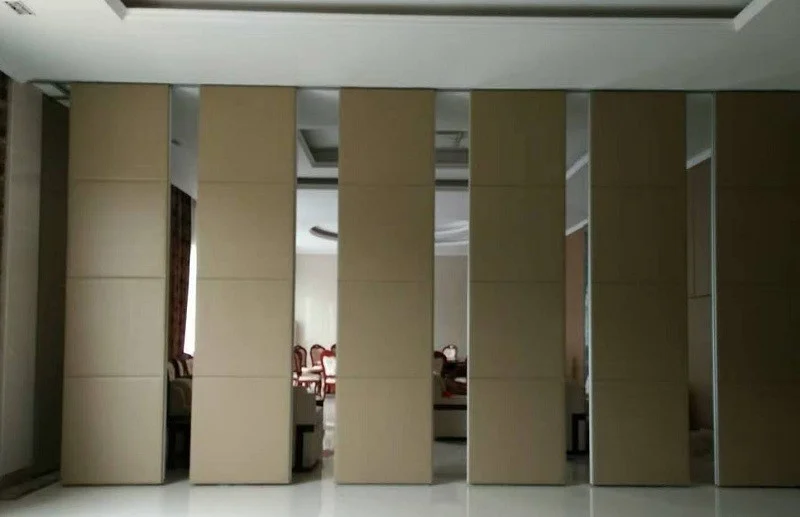
The exact overhead route and support arrangement must be confirmed by the responsible project team from coordinated drawings. Movable partition panels are individually movable, suspended from a top track, cross the opening without a floor track, and park at a planned stacking position. That sequence creates distinct work stages, and each stage carries different coordination and verification needs. This framework helps overseas contractors structure task allocation from track setting-out to panel hanging, so sequencing is clearer and rework risk is reduced. The suitability of each route and parking arrangement depends on the approved layout, circulation, ceiling interfaces and operating sequence.
Why Task Allocation Matters More Than Crew Size
Project review term: labor crew skill mix.
A larger crew does not automatically improve installation quality. If setting-out, track review and panel hanging are assigned without regard to skill level, errors can move downstream and become harder to correct. The goal is to place experienced people at decision points and support tasks where verification is straightforward.
For movable partition wall labor crew skill mix project planning, start by mapping the installation sequence against the confirmed layout. Straight, turning and stacking routes are reviewed from the layout, so the crew plan should follow the same logic. Where the route changes direction or panels park, the setting-out and support review deserve senior attention.
Stage 1: Track Setting-Out and Route Verification
Coordination scope: labor crew skill mix.
Track setting-out is the first control point. The overhead route must be continuous and connected for every proposed movement path. The exact route, junction arrangement, continuous overhead path and parking position must be confirmed from the coordinated project drawings.
Skills to assign
- Experienced setter-out to interpret layout drawings and confirm the route against site conditions.
- Second checker to verify dimensions and alignment independently before fixing.
- Coordinator to confirm that support conditions have been reviewed for the specific project.
This stage should not be rushed. Rework here affects every later task, including panel hanging and parking.
Stage 2: Track Installation and Support Review
Checklist focus: labor crew skill mix.
Track installation depends on the project-specific support structure. Do not infer load capacity, fixing type or support spacing from a drawing alone. Those items require matching project evidence and confirmation by the responsible engineer.
Task allocation guidance
- Assign a lead installer with track experience to direct fixing sequence.
- Keep a verifier available to check alignment and continuity before panels are introduced.
- Record any deviation from the reviewed layout for the project file.
- Confirm that the parking area route remains connected to the main track.
If support requirements are unclear, pause and request confirmation rather than proceeding on assumption.
Stage 3: Panel Hanging and Movement Checks
Review focus: labor crew skill mix.
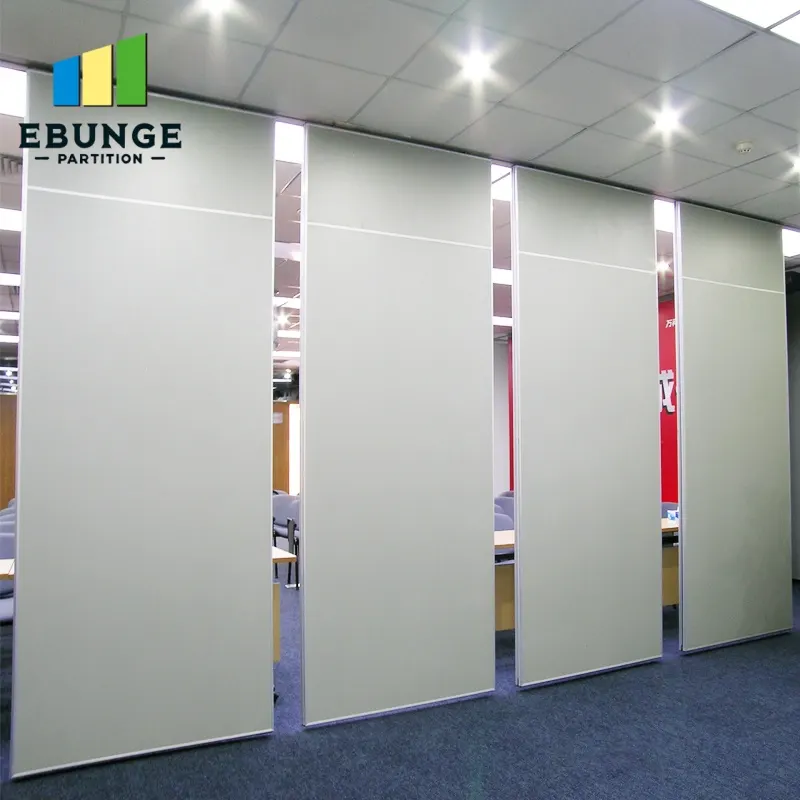
Panel hanging is where the top-hung system becomes visible. Because panels are suspended from a top track and cross the opening without a floor track, the crew should focus on smooth movement along the reviewed route and correct engagement with the track.
Assign panel hanging to installers who understand the system’s movement logic. Support tasks, such as preparing panels for hanging or moving them to the stacking position, can be allocated to less specialized crew under supervision. The key is to keep decision-making with experienced personnel while using the wider crew efficiently.
Stage 4: Parking, Stacking and Handover Checks
Parking style is customized to the customer layout and project requirements, and may support compact stacking when the coordinated design permits it. The crew should verify that the planned stacking position is reachable along the connected overhead route.
Handover checklist
- Confirm that all panels move individually along the intended route.
- Check that the parking position matches the reviewed layout.
- Verify that no floor track or floor hardware is required along the partition line.
- Confirm that pass-door requirements, if any, have been discussed and documented.
- Collect project documentation for the client record.
Skill Mix Framework: A Compact Comparison
| Task stage | Recommended skill level | Verification focus |
|---|---|---|
| Track setting-out | Experienced setter-out plus checker | Route continuity and alignment |
| Track installation | Lead installer with track experience | Support review and fixing sequence |
| Panel hanging | Experienced hanger with supervised support | Movement along reviewed route |
| Parking and handover | Supervisor plus documentation support | Stacking position and project records |
This table is a planning aid, not a fixed rule. Adjust it to the project’s confirmed layout, support conditions and documentation requirements.
Evidence Boundaries Every Crew Plan Should Respect
Do not infer acoustic, fire, durability, load or commercial performance from a visible finish, photograph or drawing. Confirm project-specific support, acoustic and dimensional requirements before installation.
Finish options include laminate, melamine, fabric, leather, glass and other approved surfaces.
Coordination Between Trades and Documentation
Contractor Installation Planning coordination improves when the partition crew’s sequence is shared with other trades. Ceiling, electrical and HVAC work can affect the overhead route, so early coordination helps avoid conflicts.
Project documentation can be discussed with the supplier. Keep drawings, route reviews and confirmation records together so the installation team works from the same information. For broader planning resources, see the EBUNGE resources page.
Frequently Asked Questions
What is the first task in a movable partition installation plan?
Track setting-out and route verification come first. The overhead route must be continuous and connected for every proposed movement path before panel hanging begins.
Can a less experienced crew member hang panels?
Less specialized crew can support preparation and movement under supervision, but decision points should stay with experienced personnel.
Does every project need the same crew skill mix?
No. The mix depends on the confirmed layout, route complexity, support conditions and documentation requirements. Review the project drawings before finalizing task allocation.
How should acoustic requirements be handled in the crew plan?
Acoustic requirements must be confirmed for the specific project. Do not assume a rating from a finish sample or a generic description.
What should be checked before handover?
Confirm that panels move individually along the reviewed route, that the parking position matches the layout, and that project documentation is complete. Pass-door requirements should also be discussed and documented.
Where can contractors get project-specific support?
Contact EBUNGE to discuss layout review, pass-door requirements and project documentation. See the movable walls product page for maintained product context.
Conclusion: Plan the Sequence, Then Assign the Skills
A reliable movable partition wall labor crew skill mix follows the installation sequence: setting-out, track review, panel hanging, parking and handover. Assign experienced people to decision points and use supervised support for routine tasks. Keep every recommendation tied to confirmed project drawings and evidence boundaries. Confirm project-specific support, acoustic and dimensional requirements before work begins.
To discuss your project’s layout, route review or documentation needs, contact EBUNGE.