
Quick project answer
Review focus: track anchor setting out.
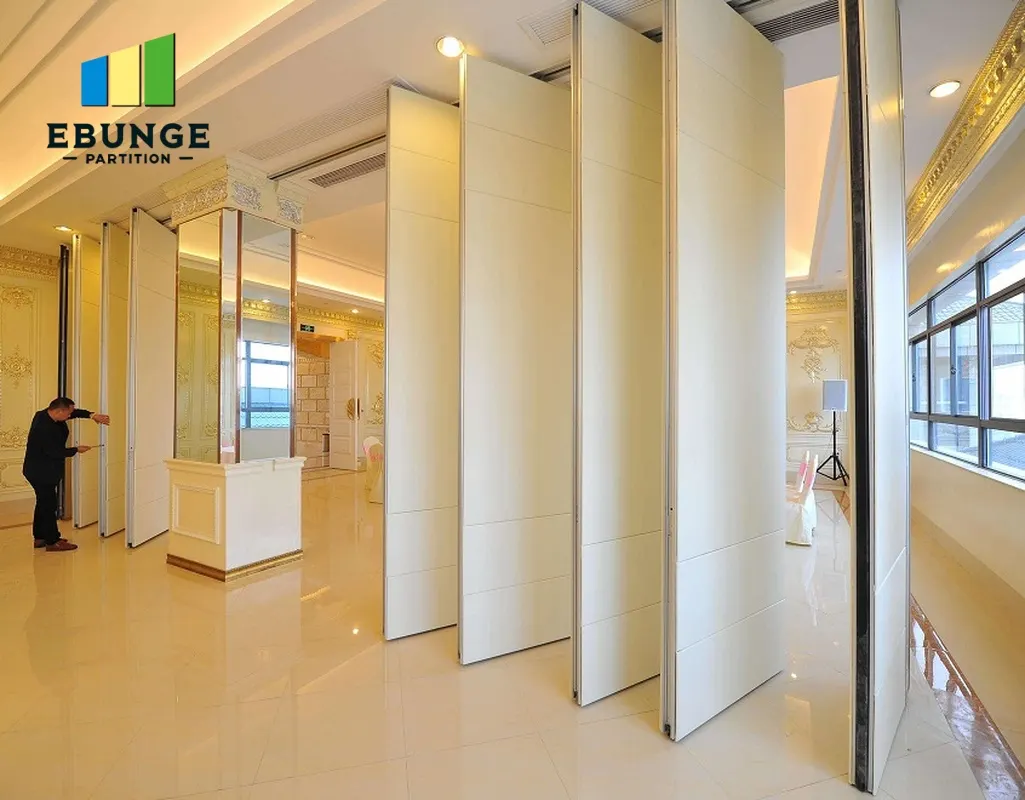
Movable partition track anchor setting out is the first control point that determines whether a top-hung system can be installed cleanly. EBUNGE movable wall panels are individually movable, suspended from a top track, cross the opening without a floor track, and park at a planned stacking position. The exact overhead route and support arrangement must be confirmed by the responsible project team from coordinated drawings. This article sets out a practical sequence for site teams, with clear boundaries on what must be confirmed from project drawings.
Why Track Anchor Setting Out Comes Before Panel Delivery
Project review term: track anchor setting out.
A top-hung partition transfers its load through the track and its anchors into the supporting structure. The exact route, junction arrangement, continuous overhead path and parking position must be confirmed from the coordinated project drawings. Correcting this after panels arrive creates avoidable rework.
Setting out early also allows the project team to review the straight, turning and stacking routes from the layout. Every proposed movement path requires a continuous connected overhead route and project-specific support review.
Information to Collect Before Setting Out
Coordination scope: track anchor setting out.
Before marking any anchor position, the site team should assemble the current coordinated drawing set and confirm that it reflects the approved layout. The goal is not to calculate final engineering values on site, but to verify that the information needed for setting out is present and consistent.
- Approved partition layout showing the opening, turning points and parking position.
- The suitability of each route and parking arrangement depends on the approved layout, circulation, ceiling interfaces and operating sequence.
- Confirmed track route, including any turns and the stacking area.
- Finish schedule for laminate, melamine, fabric, leather, glass or other approved surfaces, where finish weight or thickness affects coordination.
- Pass-door requirements, if the layout includes a pass door.
- Project documentation confirming support, acoustic and dimensional requirements.
Where any item is missing or unclear, raise a request for information before setting out. A drawing that is not coordinated is not a reliable basis for anchor positions.
A Step-by-Step Setting-Out Sequence for Site Teams
The following sequence keeps setting out and tolerancing in a logical order.
- Confirm the datum. Agree the horizontal and vertical datum with the main contractor and record it on the setting-out drawing.
- Mark the track centreline. Transfer the approved track line to the soffit or supporting structure, including the full travel route and parking zone.
- Identify anchor positions. Mark anchor locations along the track line as shown on the coordinated drawings.
- Verify the supporting structure. Check that the structure at each anchor position matches the assumption in the drawings. If it does not, stop and refer back.
- Record tolerances. Note the permitted deviation for line, level and anchor spacing as stated in the project documentation.
- Carry out a pre-installation check. Re-measure the marked line against the datum before drilling or fixing.
- Release for installation. Only release the track zone once the setting-out record has been reviewed and accepted.
Tolerancing Principles Without Inventing Numbers
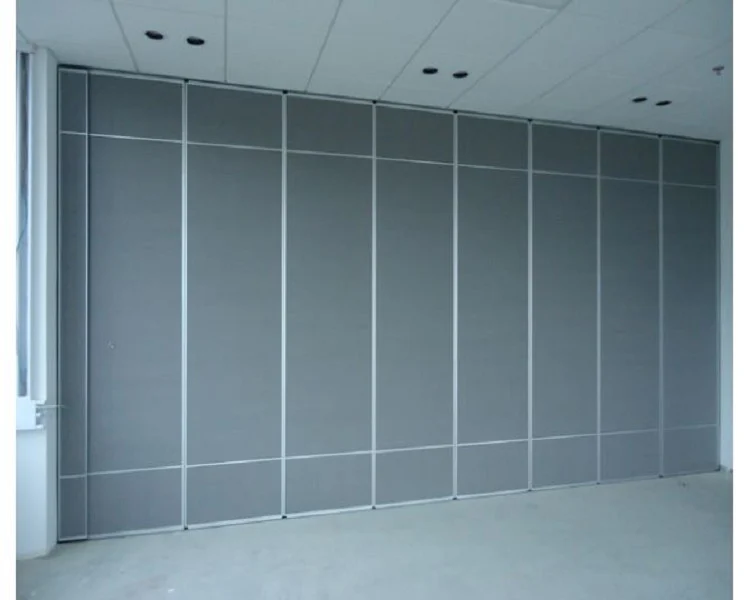
Tolerances for track anchors are project-specific. They depend on the supporting structure, the track system, the panel configuration and the required acoustic and dimensional performance. This article does not state numerical tolerances because those values must come from the project documentation.
What site teams can control is the process: use one datum, measure from fixed references rather than from previous marks, and record each check. Where a tolerance is exceeded, the correct action is to review the cause and agree a correction with the project team, not to force the track into position.
Coordinating the Track Route, Parking and Pass Doors
The track route is not only the opening line. It includes the path to the parking position and any turning section. Setting out must therefore cover the full route shown on the layout.
Straight, turning and stacking routes
Straight, turning and stacking routes are reviewed from the layout. Each route must be continuous and supported. Where a route changes direction, the setting-out drawing should show the transition clearly so the anchor line follows the intended path.
Parking position
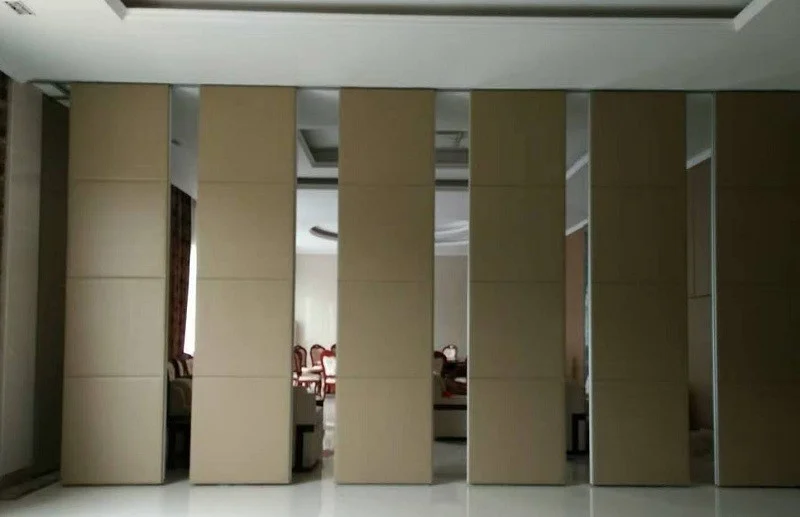
Parking style is customized to the customer layout and project requirements and may support compact stacking when the coordinated design permits it. The parking zone must be set out at the same time as the opening line, because it affects the total track length and the anchor positions.
Pass doors
Pass-door requirements can be discussed with the project team. If a pass door is included, its position and swing should be coordinated with the track line and the panel stacking zone before setting out is finalized.
Evidence Boundaries: What Setting Out Cannot Prove
Setting out confirms position and coordination. Those matters require project-specific evidence and confirmation.
Similarly, a finish such as laminate, melamine, fabric, leather or glass is a surface choice. Confirm finish suitability for the project separately.
Common Setting-Out Risks and How to Reduce Them
| Risk | Why it matters | Practical control |
|---|---|---|
| Multiple datums in use | Anchor line drifts from the approved route | Agree one datum and record it |
| Uncoordinated structural drawings | Anchors may not align with suitable support | Resolve clashes before marking |
| Parking zone omitted | Track length and anchor positions are incomplete | Set out the full route, not just the opening |
| Tolerance treated as approximate | Track alignment problems appear later | Use the project tolerance and record checks |
| Late finish or pass-door changes | Setting-out record becomes outdated | Re-verify after any layout change |
FAQ: Movable Partition Track Anchor Setting Out
What is movable partition track anchor setting out?
It is the process of marking and verifying the track line and anchor positions on the supporting structure before the track and panels are installed. It uses the approved layout, datum and coordinated drawings.
Who should carry out the setting out?
Setting out is normally carried out by the site team responsible for the track zone, working from coordinated drawings. The project team should confirm responsibilities in the installation plan.
Can setting out proceed without structural drawings?
No. Anchor positions depend on the supporting structure.
Does the track need a floor track for setting out?
No. EBUNGE movable partition panels are top-hung and move without a continuous floor running track or floor hardware along the partition line. Setting out therefore focuses on the overhead track and its anchors.
How are tolerances decided?
Tolerances are project-specific and should be stated in the project documentation. They depend on the supporting structure, track system and panel configuration, so they cannot be assumed from a generic guide.
What should happen if the structure does not match the drawings?
Stop the setting out at that point and refer the discrepancy back to the project team. Do not adjust anchor positions without a reviewed solution.
Conclusion: Set Out First, Install Second
Movable partition track anchor setting out is a coordination task that protects the installation sequence. By confirming the datum, the full track route, the parking position and the supporting structure before drilling, site teams reduce the risk of rework and misalignment.
Every project has its own support, acoustic and dimensional requirements. Confirm these from the project documentation before setting out, and treat any unverified assumption as a hold point. For product information, review the movable partition wall page and the resources section, then contact the team to discuss pass-door requirements and project documentation.