
Category: Movable Partition Wall FAQs
movable walls for art galleries is a top-hung operable wall system planned from the confirmed opening, overhead support, privacy target, finish, and stacking direction.
EBUNGE Partition provides factory direct supply and project coordination for overseas B2B buyers. Review the approved movable partition wall system before comparing a custom solution for a hotel ballroom, banquet hall, conference room, office, school hall, event hall, training room, restaurant, or auditorium.
Introduction: movable walls for art galleries
Art galleries are dynamic spaces that require flexibility to accommodate changing exhibitions, events, and visitor flow. Movable walls for art galleries offer a practical solution, allowing you to reconfigure spaces quickly and efficiently. However, selecting the right system involves more than just choosing a partition. In this guide, we’ll explore the 9 most common mistakes buyers make when investing in movable walls for art galleries, and how to avoid them. Whether you’re a building material distributor or a gallery owner, this information will help you make an informed decision.
Movable walls for art galleries are flexible partition systems that allow for dynamic exhibition spaces. They provide acoustic separation, protect artwork, and can be customized to fit any gallery layout. When planning your project, be sure to provide the opening size, acoustic requirement, finish preference, floor plan or project drawings, and panel stacking direction to get an accurate quotation.
Summary Block:
- Acoustic Performance: Choose walls with proper acoustic insulation to protect artwork and maintain a quiet environment.
- Customization: Ensure the system can be tailored to your exact dimensions and design needs.
- Track System: Opt for top-hung tracks to avoid floor obstructions and enhance flexibility.
- Finish Options: Select finishes that complement your gallery’s aesthetic while ensuring durability.
- Professional Support: Work with a supplier that offers design and installation guidance.
Need help translating the movable walls for art galleries requirements into a practical layout for this restaurant private room?
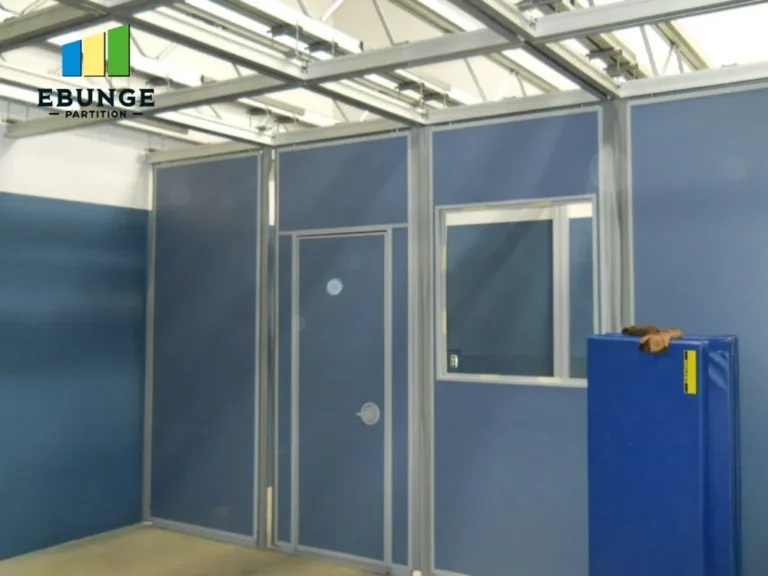
Why Movable Walls Are Essential for Art Galleries
Art galleries often face the challenge of maximizing space while maintaining an inviting atmosphere. Movable walls for art galleries provide the versatility to create separate rooms, enlarge exhibition areas, or adapt to different art installations. They also offer acoustic separation, which is crucial for protecting sensitive artwork and ensuring a pleasant visitor experience. Additionally, movable walls can be easily reconfigured, making them a cost-effective solution for evolving gallery needs.
Mistake #1: Ignoring Acoustic Performance: movable walls for art galleries
One of the most critical aspects of movable walls for art galleries is acoustic performance. Artwork, especially fragile pieces, can be damaged by excessive noise or vibrations. Additionally, galleries often host events or lectures where sound quality matters. Ignoring acoustic performance can lead to a space that is not only uncomfortable but also harmful to the art.
How to avoid: Look for movable partition walls with high acoustic ratings. For example, a system with a Sound Transmission Class (STC) rating of 50 or higher is ideal for gallery settings. However, exact ratings must be confirmed from the project specification or test documentation. Discuss your acoustic requirements with the supplier to ensure the walls meet your needs.
Mistake #2: Overlooking Customization Options
Art galleries come in all shapes and sizes, and so do their partition needs. Overlooking customization options can result in walls that don’t fit perfectly or fail to meet your aesthetic requirements. For instance, a restaurant private room may require custom dimensions to fit a specific layout.
How to avoid: Choose a manufacturer that offers custom movable walls. EBUNGE Partition, for example, provides custom size and finish options to match your exact specifications. Additionally, ensure the supplier can accommodate unusual dimensions and provide design support for unique spaces.
Mistake #3: Choosing a System with Floor Tracks
Floor tracks are a common feature in some movable wall systems, but they can be problematic in art galleries. They create trip hazards, interfere with flooring aesthetics, and make cleaning difficult. Moreover, floor tracks limit the flexibility of the space, as they require a fixed path.
How to avoid: Opt for a top-hung track system, which eliminates the need for floor tracks. This allows for a seamless floor surface and greater flexibility in wall placement. As a result, you can reconfigure the space without worrying about floor obstructions.
Mistake #4: Neglecting Finish and Aesthetics
The visual appeal of movable walls for art galleries is just as important as their functionality. Neglecting finish options can result in walls that clash with the gallery’s design or fail to enhance the overall ambiance. Additionally, the finish should be durable enough to withstand frequent use.
How to avoid: Explore the various finish options available, such as wood veneer, laminate, or fabric. Many manufacturers offer customizable finishes to match your interior design. For example, a restaurant private room might benefit from a fabric finish that adds warmth and sound absorption.
Mistake #5: Underestimating Installation Complexity
Installation of movable walls can be complex, especially in existing buildings. Underestimating this complexity can lead to delays, additional costs, and even safety issues. For instance, the installation process may require special equipment or structural modifications.
How to avoid: Work with a supplier that provides installation guidance or professional installation services. EBUNGE Partition offers installation guidance to ensure a smooth process. Additionally, plan for the installation to be done during off-hours to minimize disruption to gallery operations.
Mistake #6: Failing to Plan for Flexibility
Art galleries are constantly evolving, and your movable walls should be able to keep up. Failing to plan for flexibility can result in walls that are difficult to move or reconfigure, limiting your ability to adapt to changing needs.
How to avoid: Choose a system that is easy to operate and allows for quick reconfiguration. Movable walls with a top-hung track system are typically more flexible, as they can be moved along the track without the need for floor guides. Additionally, consider the stacking direction of the panels to maximize space when walls are not in use.
Share the opening, drawings, finish direction, and privacy target for a project-specific movable walls for art galleries review.
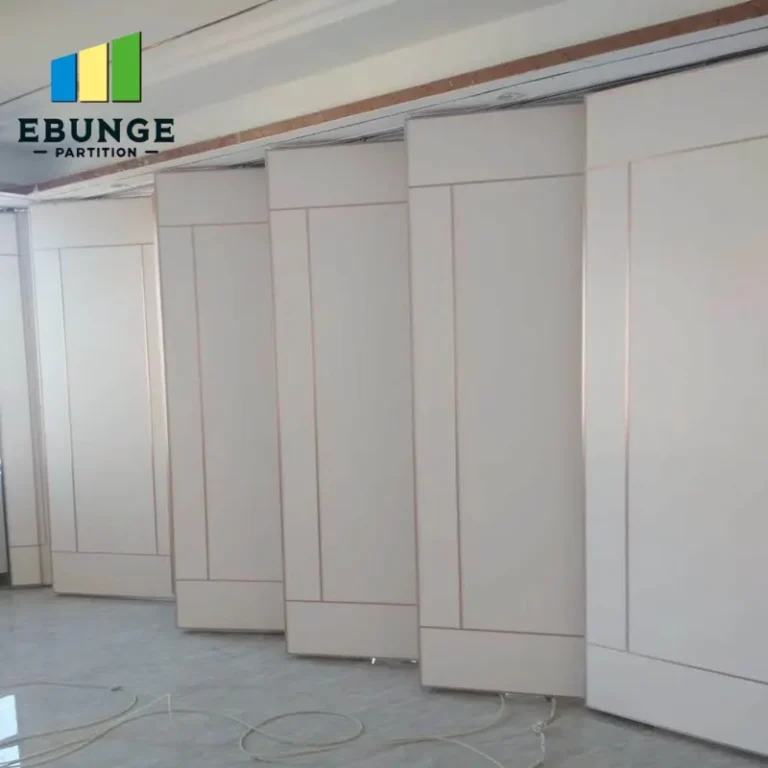
Mistake #7: Not Considering Future Maintenance
Movable walls are an investment, and like any investment, they require maintenance. Not considering future maintenance can lead to costly repairs or premature replacement. For example, worn rollers or damaged seals can affect the performance of the walls.
How to avoid: Choose a system with high-quality components that are easy to maintain. Ask about the availability of spare parts and warranty terms. Additionally, establish a maintenance schedule to keep the walls in optimal condition.
Mistake #8: Overlooking Export and Delivery Logistics
For international projects, export and delivery logistics can be a major challenge. Overlooking these aspects can result in delays, damaged goods, or unexpected costs. This is especially relevant for building material distributors who source products from overseas.
How to avoid: Partner with a supplier that has experience in export projects. EBUNGE Partition offers global shipping and coordinates delivery to ensure your order arrives on time and in perfect condition. Discuss delivery timelines and packaging requirements with the supplier to avoid any surprises.
Mistake #9: Skipping Professional Design Support
Designing a movable wall system for an art gallery is not a simple task. It requires careful planning of acoustics, dimensions, and aesthetics. Skipping professional design support can lead to a system that doesn’t meet your needs or is inefficient.
How to avoid: Engage a supplier that offers project design support, including CAD drawings and layout recommendations. This ensures that your movable walls are tailored to your specific space and requirements. Additionally, professional support can help you avoid costly mistakes during installation.
Conclusion
Selecting the right movable walls for art galleries is a critical decision that can impact the functionality and aesthetics of your space. By avoiding these 9 common mistakes, you can ensure that your investment provides long-term value. Remember to prioritize acoustic performance, customization, top-hung tracks, finishes, installation, flexibility, maintenance, logistics, and professional support.
At EBUNGE Partition, we specialize in manufacturing high-quality movable partition walls that are perfect for art galleries, restaurant private rooms, and other commercial spaces. Our factory-direct approach ensures competitive pricing, and our team provides project design support, CAD drawings, and installation guidance. Contact our team today for a free consultation and quote for your gallery project.
Frequently Asked Questions
What are the benefits of using movable walls in art galleries? Movable walls offer flexibility, acoustic separation, and the ability to create dynamic exhibition spaces. They can be easily reconfigured to accommodate different events or art installations.
How do acoustic movable walls protect artwork? Acoustic movable walls reduce noise transmission and vibrations, which can be harmful to sensitive artwork. They also help maintain a quiet environment for visitors.
Can movable walls be custom-sized for unique gallery spaces? Yes, many manufacturers, including EBUNGE Partition, offer custom sizes to fit any space. Provide your exact dimensions to get a tailored solution.
Do movable walls require floor tracks? Not necessarily. Top-hung track systems eliminate the need for floor tracks, providing a seamless floor surface and greater flexibility.
What finishes are available for movable walls in galleries? Finishes can include wood veneer, laminate, fabric, and more. Choose a finish that complements your gallery’s design and offers durability.
How long does installation typically take? Installation time varies depending on the size and complexity of the project. A professional team can provide a timeline based on your specific requirements. For accurate estimates, consult with your supplier.
—
Project Information Box To get a quick project suggestion, please provide the following details:
- Opening size (width x height)
- Country/City
- Application area (e.g., restaurant private room)
- Acoustic requirement (e.g., STC rating)
- Finish preference
- Panel stacking direction
- Drawings/floor plan/site photos (if available)
[Get a Quick Project Suggestion](#) | [Get a Custom Solution](#) | [Get a Free Quote](#)
*Note: For exact acoustic ratings, fire ratings, warranty, or performance data, please confirm from the project specification, quotation, contract, or supporting test documentation.*
movable walls for art galleries Project Information Needed for a Review
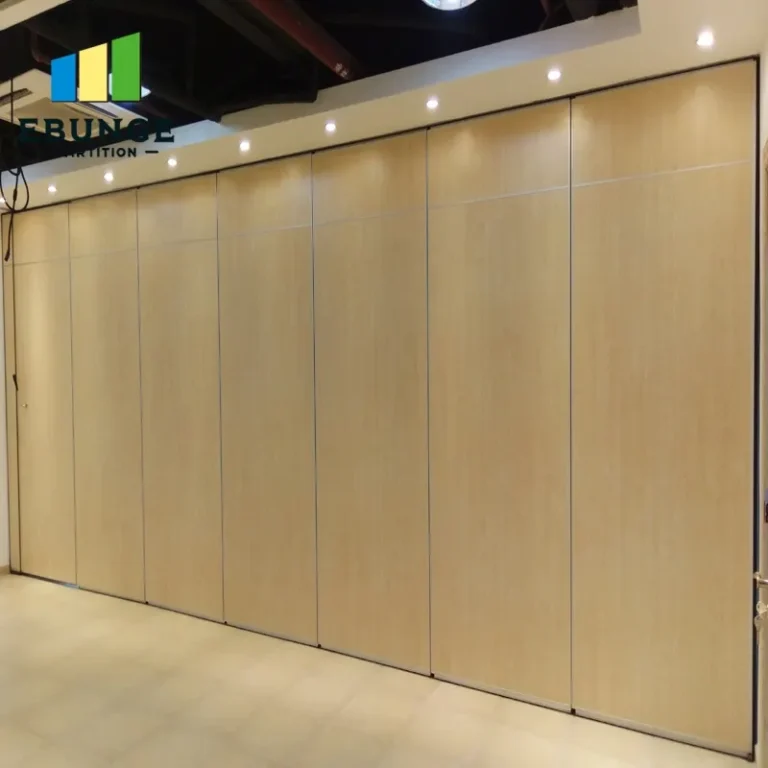
For building material distributor, a useful movable walls for art galleries review starts with the actual site and operating conditions rather than a generic product selection.
- Opening width, clear height, and finished floor level
- Project country, city, and application area
- Required sound privacy or project specification
- Ceiling support and track coordination drawings
- Finish preference, access needs, and panel stacking direction
- Floor plan, reflected ceiling plan, or site photos when available
Send the opening size and project drawings to discuss a differentiated movable walls for art galleries solution for this restaurant private room.
Frequently Asked Questions About movable walls for art galleries
What information is needed to specify movable walls for art galleries?
Specify movable walls for art galleries from the opening width and height, overhead support, privacy requirement, finish preference, access needs, stacking direction, drawings, and actual operating plan.
How should buyers compare movable walls for art galleries proposals?
Compare each movable walls for art galleries proposal against the same drawings, scope, finish schedule, installation responsibility, and documented project requirements rather than an unsupported headline claim.
Does movable walls for art galleries require a floor rail?
A top-hung movable walls for art galleries normally keeps the finished floor clear, while the overhead support and track route must be confirmed by the project team before production.
How is the acoustic target for movable walls for art galleries selected?
The movable walls for art galleries acoustic target should follow the intended activities, privacy expectation, surrounding construction, seals, site gaps, and supporting project documentation.
Can EBUNGE customize movable walls for art galleries for this project?
EBUNGE Partition can coordinate custom size, finish, stacking layout, drawings, packing, export delivery, and installation guidance after the project inputs are confirmed.