
Category: Movable Partition Wall FAQs
movable partition tender requirements is a top-hung operable wall system planned from the confirmed opening, overhead support, privacy target, finish, and stacking direction.
EBUNGE Partition provides factory direct supply and project coordination for overseas B2B buyers. Review the approved movable partition wall system before comparing a custom solution for a hotel ballroom, banquet hall, conference room, office, school hall, event hall, training room, restaurant, or auditorium.
Movable partition tender requirements should be specified from the opening, required privacy, overhead support, finish, stacking plan, drawings, and operating needs of the exhibition hall.
When planning a commercial project like an exhibition hall, understanding movable partition tender requirements is essential. These requirements form the basis of your procurement process, ensuring that the chosen partition system meets your functional, acoustic, and aesthetic needs. For building material distributors and project managers, a clear grasp of these specifications helps you select a supplier that can deliver a reliable, high-quality solution.
> Direct Answer: Movable partition tender requirements for exhibition halls typically include acoustic performance specifications, structural installation details, customization options, and supplier qualifications. Acoustic ratings often require a minimum STC (Sound Transmission Class) of 40-50, and the partition system should offer flexibility in layout changes. When requesting a quotation, provide the opening size, acoustic requirement, finish preference, floor plan or project drawings, and panel stacking direction.
Summary: movable partition tender requirements
- Acoustic Performance: Specify STC ratings and fire safety compliance.
- Installation: Choose between top-hung and floor-rail systems; plan for timeline.
- Customization: Determine size, finish, and design flexibility.
- Supplier Support: Evaluate experience, project design support, and after-sales.
- Cost: Consider total cost of ownership, not just initial price.
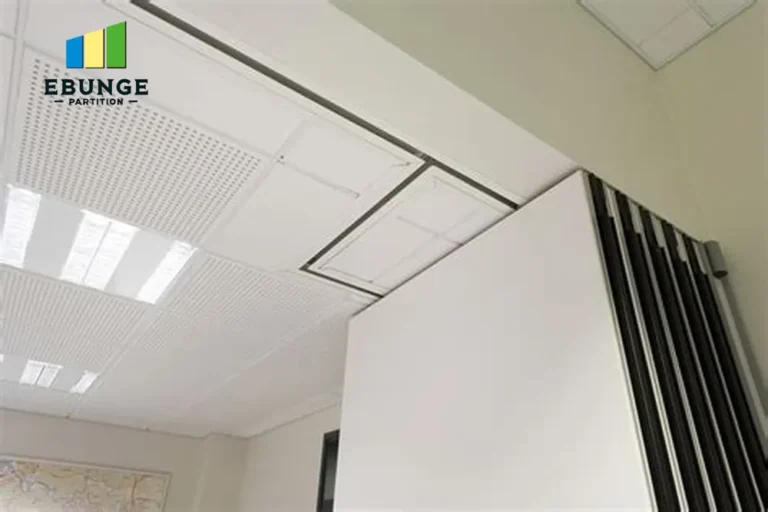
Understanding Tender Requirements for Movable Partitions: movable partition tender requirements
Need help translating the movable partition tender requirements requirements into a practical layout for this exhibition hall?
Movable partition tender requirements refer to the technical and commercial specifications that a buyer includes in a tender document to solicit bids from suppliers. These cover aspects like acoustic performance, materials, installation, and compliance. For exhibition halls, the requirements are often more demanding due to the need for flexibility and high acoustic performance.
Key Components of a Tender Document
A comprehensive tender document for movable partitions should include:
- Acoustic specifications: desired STC rating, sound insulation tests.
- Structural details: track system type, weight capacity, ceiling support.
- Customization needs: sizes, finishes, and special features.
- Installation requirements: timeline, coordination with other trades.
- Supplier qualifications: experience, certifications, references.
Why Exhibition Halls Need Specialized Partition Solutions
Exhibition halls are dynamic spaces that host various events, from trade shows to conferences. Therefore, the partition system must be adaptable, easy to operate, and capable of providing acoustic separation when needed. Additionally, the visual appeal is crucial, as the partitions are often visible to visitors. As a result, specialized solutions that combine functionality and aesthetics are necessary.
Acoustic Performance: The Core Tender Requirement
Acoustic performance is often the most critical element in movable partition tender requirements. Without proper sound insulation, the partition fails its primary purpose. Therefore, specifying the right acoustic ratings is vital.
Acoustic Ratings and Standards
Acoustic performance is measured by the Sound Transmission Class (STC). For exhibition halls, an STC of 40-50 is commonly required, but the exact number depends on the specific use. For instance, if the partition separates a noisy exhibition area from a quiet meeting room, a higher STC may be needed. It’s essential to confirm the exact rating from the project specification and test documentation.
How to Specify Acoustic Movable Walls
When specifying an acoustic movable wall, you should:
- Define the required STC rating.
- Request test reports from the supplier.
- Consider the sealing mechanisms at the top, bottom, and sides.
- Ensure the partition’s acoustic performance is certified by recognized bodies.
For example, EBUNGE Partition offers acoustic movable walls that can be customized to meet your project’s acoustic requirements. However, exact performance numbers must be confirmed based on your specific configuration.
Structural and Installation Requirements
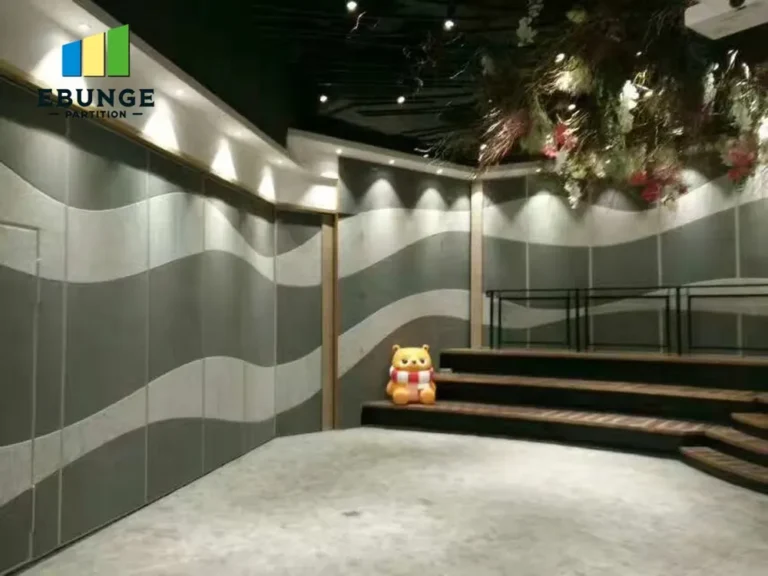
The structural design of the partition system affects its functionality and ease of use. Therefore, understanding the installation requirements is crucial.
Top-Hung Track Systems vs. Floor-Rail Systems
A top-hung track system is often preferred in exhibition halls because it leaves the floor clear, allowing for unobstructed movement and easy cleaning. In contrast, a floor-rail system requires a track on the floor, which can be a tripping hazard and collect dirt. Therefore, for high-traffic areas, a top-hung system is usually the better choice.
Additionally, top-hung systems are more flexible, as they can accommodate uneven floors and are easier to install. However, they require a robust ceiling structure to support the weight of the panels.
Installation Timeline and Coordination
Installation time can vary based on the size of the project and the complexity of the system. For a large exhibition hall, installation might take several weeks. Therefore, it’s important to coordinate with the supplier to ensure the timeline aligns with your project schedule. EBUNGE provides installation guidance and can help with project coordination.
Customization and Aesthetics
Exhibition halls often have unique design requirements. Therefore, customization is a key aspect of movable partition tender requirements. The ability to tailor the partition to your exact specifications can significantly impact the overall look and functionality.
Custom Sizes and Finishes
As a custom partition wall manufacturer, EBUNGE offers a wide range of sizes and finishes. Whether you need a partition to fit an irregular opening or want a specific wood veneer or fabric finish, customization is possible. Therefore, you should clearly specify your needs in the tender document.
Share the opening, drawings, finish direction, and privacy target for a project-specific movable partition tender requirements review.
Balancing Functionality and Design
While aesthetics are important, functionality should never be compromised. For example, a partition with a beautiful finish must still provide the required acoustic performance. Therefore, it’s essential to work with a supplier that can balance both aspects. EBUNGE’s design team can help you achieve this balance.
Supplier Qualifications and Support
Choosing the right supplier is as important as specifying the right product. Therefore, your tender document should include criteria for evaluating supplier capabilities.
Evaluating Manufacturer Capabilities
When evaluating suppliers, consider:
- Years of experience in manufacturing movable partitions.
- Track record of successful projects, especially in exhibition halls.
- Certifications and compliance with international standards.
- Capacity to handle large orders and tight deadlines.
Importance of Project Design Support
A supplier that offers project design support can be invaluable. They can help you refine your specifications, provide CAD drawings, and ensure the partition system integrates seamlessly with the building’s structure. As a result, you can avoid costly mistakes and ensure a smooth installation.
Cost Considerations and Budgeting
Cost is always a major factor in any project. Therefore, your movable partition tender requirements should include a clear budget and a request for detailed quotations. When comparing bids, consider the total cost of ownership, including installation, maintenance, and potential future modifications. For a detailed cost analysis, you can refer to our movable partition cost guide.
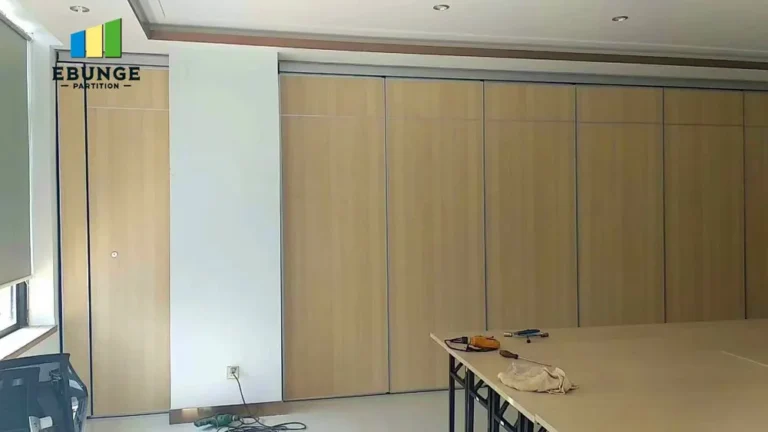
Conclusion
In conclusion, understanding movable partition tender requirements is crucial for the success of your exhibition hall project. By focusing on acoustic performance, installation details, customization, and supplier support, you can ensure that the chosen partition system meets your needs. Remember to include all necessary information in your tender document and evaluate bids carefully.
If you’re ready to move forward, contact our team for a detailed tender support package and project-specific quotation. We offer factory-direct supply, custom sizes, and comprehensive project support.
[Get a Quick Project Suggestion](#) | [Get a Custom Solution](#) | [Get a Free Quote](#)
Frequently Asked Questions
What are the typical acoustic requirements for movable partitions in exhibition halls?
Typically, an the project-specific acoustic target is required, but the exact number depends on the specific application. Always confirm with the project specification and test reports.
How does a top-hung track system benefit exhibition hall installations?
A top-hung track system leaves the floor clear, reduces tripping hazards, and is more flexible for uneven floors. It’s ideal for high-traffic areas.
Can movable partitions be customized to fit specific dimensions?
Yes, as a custom partition wall manufacturer, EBUNGE can tailor partitions to your exact size and finish requirements.
What certifications should a movable partition supplier have?
Look for certifications related to acoustic performance, fire safety, and quality management. Exact certifications may vary by region and project.
How long does installation typically take for a large exhibition hall?
Installation time varies based on project size and complexity. It’s best to discuss timelines with your supplier to ensure alignment with your schedule.
What support does EBUNGE offer for international projects?
EBUNGE provides global shipping, installation guidance, and project design support, including CAD drawings and export coordination.
—
Project Information Box: To receive a tailored quotation, please provide the following details:
- Opening size (width and height)
- Country/city
- Application area (e.g., exhibition hall)
- Acoustic requirement (STC rating if known)
- Finish preference (e.g., fabric, wood veneer)
- Panel stacking direction (left, right, or center)
- Drawings/floor plan/site photos
Contact us at acoustic-partition.com/contact to start your project.
—
*This guide is intended for informational purposes. For specific technical data, always refer to official test reports and project specifications.*
movable partition tender requirements Project Information Needed for a Review
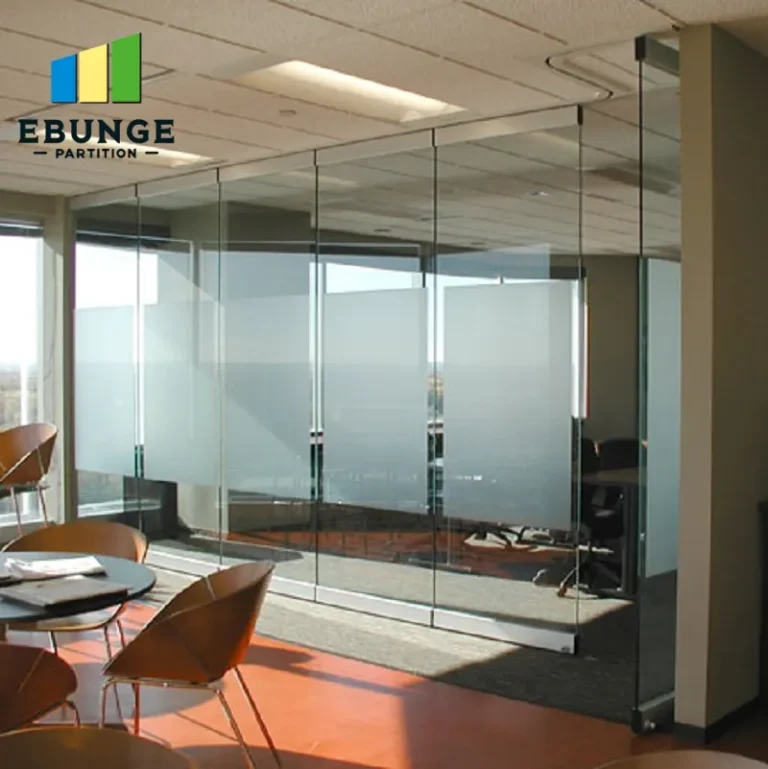
For building material distributor, a useful movable partition tender requirements review starts with the actual site and operating conditions rather than a generic product selection.
Send the opening size and project drawings to discuss a differentiated movable partition tender requirements solution for this exhibition hall.
- Opening width, clear height, and finished floor level
- Project country, city, and application area
- Required sound privacy or project specification
- Ceiling support and track coordination drawings
- Finish preference, access needs, and panel stacking direction
- Floor plan, reflected ceiling plan, or site photos when available
Frequently Asked Questions About movable partition tender requirements
What information is needed to specify movable partition tender requirements?
Specify movable partition tender requirements from the opening width and height, overhead support, privacy requirement, finish preference, access needs, stacking direction, drawings, and actual operating plan.
How should buyers compare movable partition tender requirements proposals?
Compare each movable partition tender requirements proposal against the same drawings, scope, finish schedule, installation responsibility, and documented project requirements rather than an unsupported headline claim.
Does movable partition tender requirements require a floor rail?
A top-hung movable partition tender requirements normally keeps the finished floor clear, while the overhead support and track route must be confirmed by the project team before production.
How is the acoustic target for movable partition tender requirements selected?
The movable partition tender requirements acoustic target should follow the intended activities, privacy expectation, surrounding construction, seals, site gaps, and supporting project documentation.
Can EBUNGE customize movable partition tender requirements for this project?
EBUNGE Partition can coordinate custom size, finish, stacking layout, drawings, packing, export delivery, and installation guidance after the project inputs are confirmed.