
Category: Movable Partition Design Ideas
operable wall seal inspection is a top-hung operable wall system planned from the confirmed opening, overhead support, privacy target, finish, and stacking direction.
EBUNGE Partition provides factory direct supply and project coordination for overseas B2B buyers. Review the approved movable partition wall system before comparing a custom solution for a hotel ballroom, banquet hall, conference room, office, school hall, event hall, training room, restaurant, or auditorium.
Operable wall seal inspection is critical for maintaining acoustic performance and longevity of movable partitions, especially in conference rooms where sound privacy is essential. Regular checks ensure seals are intact, aligned, and free of gaps, preventing sound leakage and maintaining the wall’s effectiveness. When planning a project, please provide the opening size, acoustic requirement, finish preference, floor plan or project drawings, and panel stacking direction to get a tailored solution.
—
Introduction: operable wall seal inspection
In conference room projects, the ability to divide space flexibly while maintaining acoustic privacy is paramount. Operable wall systems offer a practical solution, but their performance heavily depends on the condition of their seals. Operable wall seal inspection is an essential practice that ensures your movable partition wall continues to function effectively over time. For school project buyers, understanding this aspect can prevent costly repairs and ensure the longevity of your investment.
As a factory-direct supplier, EBUNGE Partition specializes in acoustic movable walls designed for durability and easy maintenance. Our operable wall systems are engineered with high-quality seals and top-hung track systems that require minimal floor rail, making them ideal for conference rooms. However, even the best systems require regular inspection to maintain their acoustic integrity.
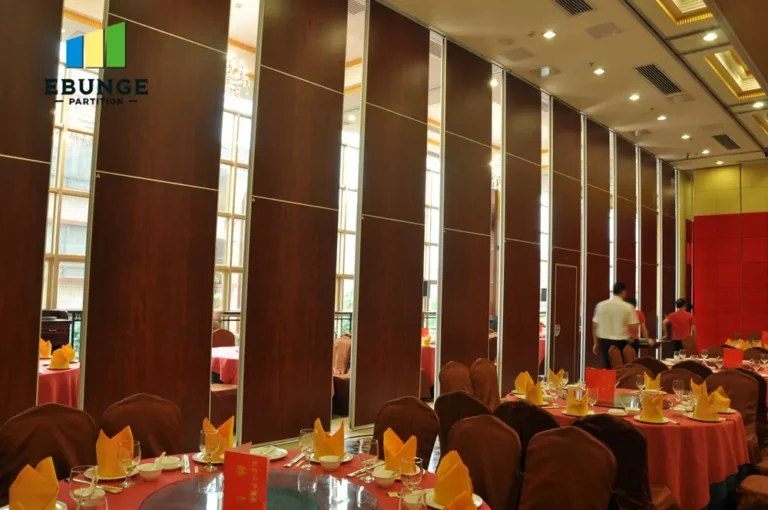
Need help translating the operable wall seal inspection requirements into a practical layout for this conference room?
The Role of Seals in Acoustic Performance: operable wall seal inspection
Seals are the unsung heroes of any operable wall. They are the flexible components that compress against the floor, ceiling, and adjacent panels to create an airtight barrier. This barrier is what prevents sound from leaking through gaps, ensuring that conversations in one conference room do not disturb activities in the next.
How Seals Affect Sound Insulation
Sound insulation in an operable wall is measured by its Sound Transmission Class (STC) rating. Seals play a critical role in achieving and maintaining the desired STC rating. If seals are worn, misaligned, or damaged, even the best acoustic panels will underperform. For example, a small gap of just 1/16 inch can reduce the STC rating by up to 10 points. Therefore, regular operable wall seal inspection is not just a maintenance task; it is a performance requirement.
Common Seal Issues in Operable Walls
Several issues can compromise seal effectiveness:
- Wear and Tear: Over time, seals can crack, tear, or become brittle due to constant compression and environmental factors.
- Misalignment: Panels may shift, causing seals to not align properly with the floor or ceiling.
- Dirt and Debris: Accumulation of dust and grime can prevent seals from compressing fully.
- Incorrect Installation: Poor initial installation can lead to premature seal failure.
Recognizing these issues early through regular inspection can save significant time and money.
Key Inspection Points for Operable Wall Seals
To ensure your operable wall system remains in top condition, focus on these inspection points:
Visual Inspection for Wear and Tear
Start with a visual check. Look for cracks, tears, or signs of compression set. Pay attention to areas where seals meet the floor and ceiling, as these are prone to damage. If you notice any deterioration, it may be time to consider replacement.
Testing Acoustic Seal Integrity
Perform a simple sound test. Close the wall and listen for any audible sound leakage. For a more precise assessment, use a sound meter to measure the difference in sound levels across the wall. This can help identify subtle gaps that might otherwise go unnoticed.
Checking Seal Alignment and Gaps
Ensure that seals are aligned correctly along the entire perimeter. Check for gaps between the seal and the floor, ceiling, and adjacent panels. Use a feeler gauge to measure any gaps, and adjust the seals or panels as necessary.
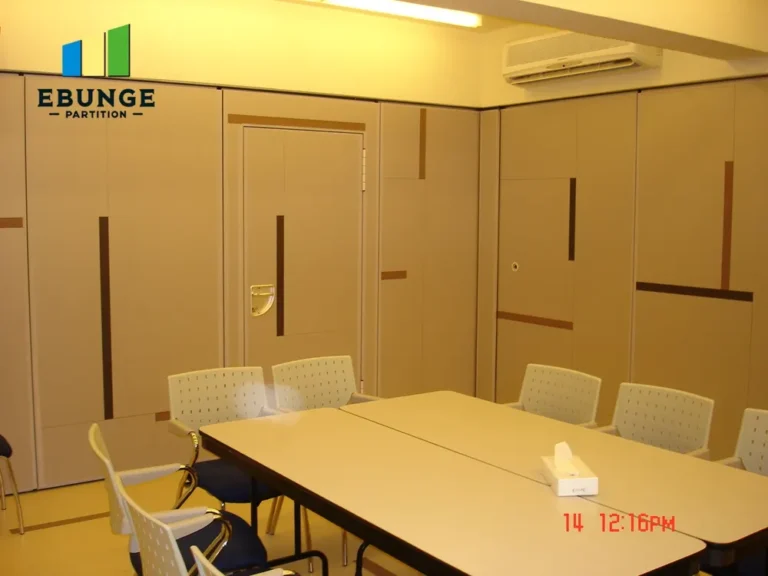
Best Practices for Seal Maintenance in School Projects
Schools have unique requirements due to high usage and the need for minimal disruption. Implementing a maintenance schedule is essential.
Regular Inspection Schedule
We recommend inspecting seals at least twice a year. However, in high-traffic environments like schools, quarterly inspections may be more appropriate. Regular checks can catch small issues before they become major problems.
Cleaning and Lubrication
Keep seals clean by wiping them with a mild detergent and water. Avoid harsh chemicals that can degrade the rubber. Lubricate moving parts, such as the top-hung track and rollers, according to the manufacturer’s instructions. This reduces friction and extends the life of the seals.
When to Replace Seals
Seals typically have a lifespan of 5-10 years, depending on usage and environmental conditions. If you notice significant wear, cracking, or loss of flexibility, it’s time to replace them. Always use manufacturer-approved replacement seals to ensure compatibility and performance.
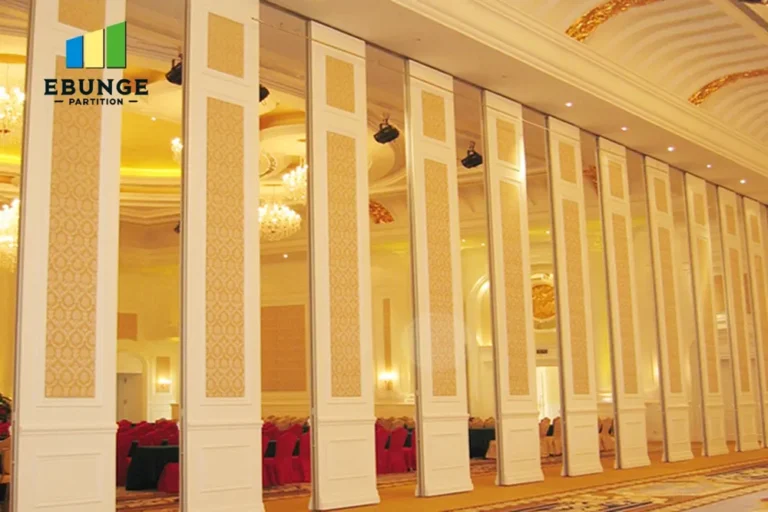
Share the opening, drawings, finish direction, and privacy target for a project-specific operable wall seal inspection review.
How EBUNGE Ensures Seal Quality in Our Operable Walls
At EBUNGE Partition, we understand that the quality of seals directly impacts the performance of our operable walls. That’s why we use high-grade acoustic gaskets that are tested for durability and sound insulation. Our manufacturing process includes rigorous quality control checks to ensure every seal is properly fitted.
Additionally, our custom movable wall systems are designed with the end-user in mind. We offer a range of finishes and configurations, and our project design team can assist you in selecting the right system for your conference room. We also provide installation guidance and export project delivery coordination to ensure a smooth process from order to installation.
Frequently Asked Questions
How often should operable wall seals be inspected?
It is recommended to inspect seals at least twice a year. For high-usage areas like schools, quarterly inspections are advisable to maintain optimal performance.
What are signs that an operable wall seal needs replacement?
Signs include visible cracks, tears, loss of flexibility, or gaps that allow sound leakage. If you notice any of these, it’s time to replace the seals.
Can seals be replaced on existing operable walls?
Yes, seals are replaceable. It’s important to use seals that are compatible with your specific operable wall system. Contact the manufacturer for the correct replacement parts.
How does seal quality affect acoustic performance?
Seal quality is directly linked to acoustic performance. High-quality seals that are properly maintained ensure a tight seal, preventing sound leakage and maintaining the STC rating of the wall.
What maintenance is required for operable wall seals?
Regular cleaning, lubrication of moving parts, and periodic inspection for wear and tear are essential. Following the manufacturer’s maintenance guidelines will prolong the life of your seals.
Why is seal inspection important for school conference rooms?
School conference rooms host a variety of activities, from meetings to presentations, where sound privacy is crucial. Regular seal inspection ensures that the operable wall continues to provide the required acoustic separation, avoiding disruptions and maintaining a professional environment.
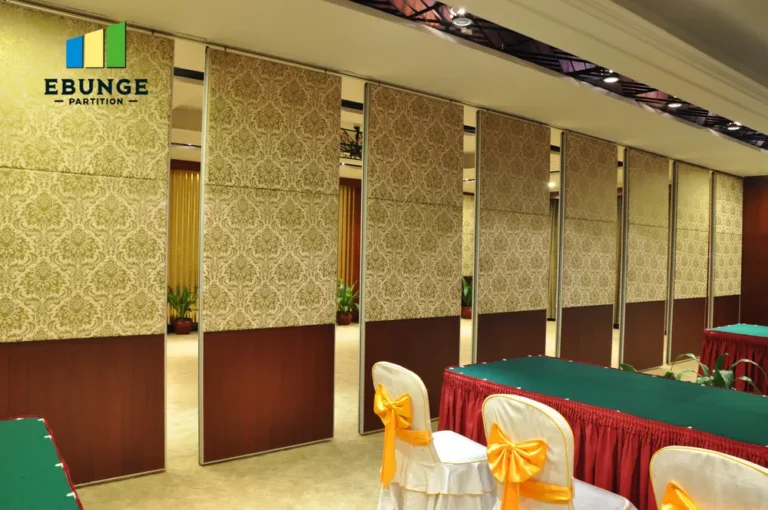
Conclusion and Next Steps
In summary, operable wall seal inspection is a vital part of maintaining the acoustic performance and longevity of your movable partition walls. By implementing a regular inspection schedule and addressing issues promptly, you can ensure that your conference room remains functional and effective for years to come.
At EBUNGE Partition, we are committed to providing high-quality operable wall systems and ongoing support. Our factory-direct supply ensures competitive pricing, and our custom solutions are tailored to your specific needs. Whether you are planning a new conference room or upgrading an existing one, our team is here to help.
Contact our project design team for a free consultation on your conference room partition needs. We can assist with project planning, provide detailed specifications, and offer installation guidance to ensure a successful outcome.
[Get a Quick Project Suggestion](#) | [Get a Custom Solution](#) | [Get a Free Quote](#)
—
Project Information Box: To provide you with accurate recommendations, please share the following details:
- Opening size (width x height)
- Country/City
- Application area
- Acoustic requirement (e.g., STC rating)
- Finish preference (e.g., laminate, fabric, wood veneer)
- Panel stacking direction (left, right, or center)
- Drawings/floor plan/site photos
Submit this information via our contact page to get started.
operable wall seal inspection Project Information Needed for a Review
For school project buyer, a useful operable wall seal inspection review starts with the actual site and operating conditions rather than a generic product selection.
- Opening width, clear height, and finished floor level
- Project country, city, and application area
- Required sound privacy or project specification
- Ceiling support and track coordination drawings
- Finish preference, access needs, and panel stacking direction
- Floor plan, reflected ceiling plan, or site photos when available
operable wall seal inspection Questions for Project Buyers
What information is needed to specify operable wall seal inspection?
Specify operable wall seal inspection from the opening width and height, overhead support, privacy requirement, finish preference, access needs, stacking direction, drawings, and actual operating plan.
How should buyers compare operable wall seal inspection proposals?
Compare each operable wall seal inspection proposal against the same drawings, scope, finish schedule, installation responsibility, and documented project requirements rather than an unsupported headline claim.
Does operable wall seal inspection require a floor rail?
A top-hung operable wall seal inspection normally keeps the finished floor clear, while the overhead support and track route must be confirmed by the project team before production.
How is the acoustic target for operable wall seal inspection selected?
The operable wall seal inspection acoustic target should follow the intended activities, privacy expectation, surrounding construction, seals, site gaps, and supporting project documentation.
Can EBUNGE customize operable wall seal inspection for this project?
EBUNGE Partition can coordinate custom size, finish, stacking layout, drawings, packing, export delivery, and installation guidance after the project inputs are confirmed.
Send the opening size and project drawings to discuss a differentiated operable wall seal inspection solution for this conference room.