
When your community center project requires a movable partition wall, choosing the right community sliding partition supplier can determine whether your budget holds and your timeline is met. This guide is written specifically for school project buyers who need to evaluate suppliers for a community center application, focusing on practical steps to verify reliability, customization support, and overseas delivery. You will learn what questions to ask, what documents to prepare, and how to compare quotes effectively, all while avoiding common pitfalls.
Direct answer: To verify a community sliding partition supplier, you must request detailed quotations based on your exact opening sizes, drawings, acoustic targets, and finish preferences. Check their experience with community center projects, ask for references, and confirm their top-hung track system without floor rail. For overseas delivery, clarify Incoterms, lead times, and installation support. Always validate claims with written documentation and, if possible, a site visit or video call.
Community Sliding Partition Supplier: Why Supplier Reliability Matters for Community Centers
Community centers often host diverse activities, from meetings to performances, so the sliding partition must be robust and easy to operate. A reliable supplier ensures that the operable wall system meets safety compliance and acoustic insulation requirements. Unreliable suppliers may cause budget overruns or project delays, especially when customization is needed. By focusing on supplier verification, you reduce these risks.
One key aspect is the top-hung track system, which eliminates floor rails, making the space safer and easier to clean. Confirm that the supplier has experience with such systems in community settings. Ask for case studies or references from similar projects, but remember that exact performance data should come from your project specifications, not marketing materials.
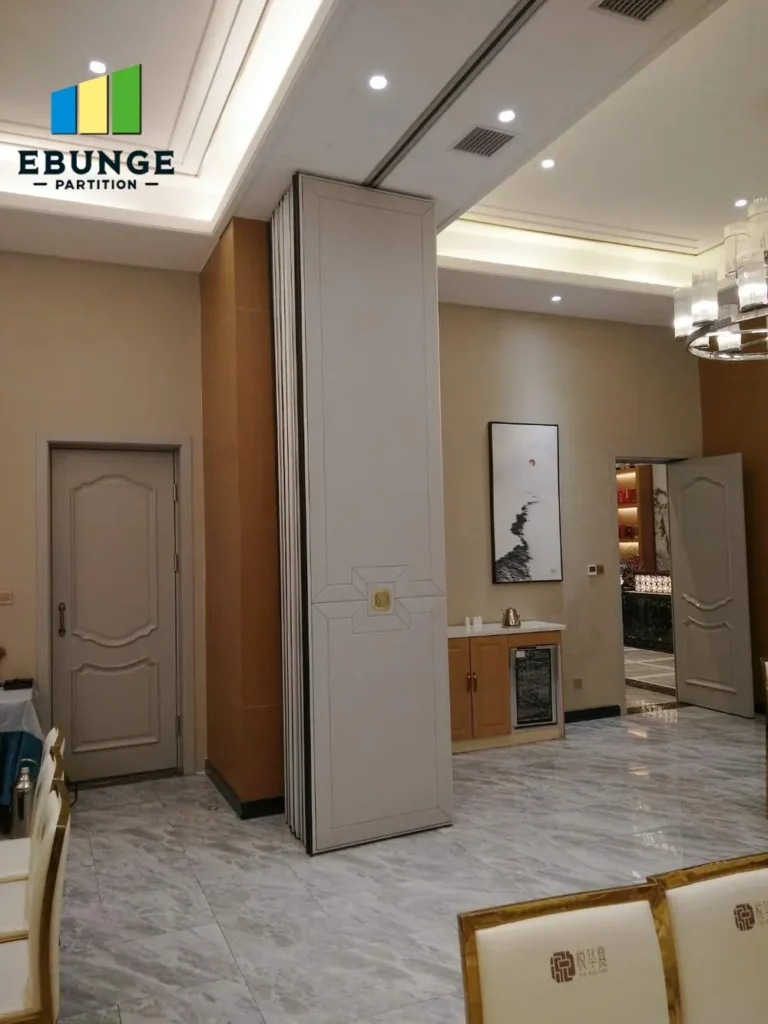
Need help turning the community sliding partition supplier requirements into a practical project layout?
Preparing Your Inquiry: Essential Information to Share
To get accurate quotes, you must provide the supplier with complete information. This includes:
- Opening size: Width, height, and depth of the opening.
- Drawings: Architectural or structural drawings showing the surrounding walls, ceiling, and floor.
- Acoustic target: Desired sound insulation rating (e.g., STC or Rw value).
- Finish preference: Material, color, and texture of the panels.
- Project location: Site address and access conditions for delivery.
Sharing this data upfront helps suppliers provide a detailed quotation and reduces back-and-forth communication. It also signals that you are a serious buyer, which may lead to better service.
Evaluating Customization Support for Your Project
Community centers often require custom movable walls to fit unusual dimensions or incorporate specific features like whiteboards or tackable surfaces. Assess the supplier’s ability to customize by asking about their engineering team, manufacturing process, and lead times for custom orders. A supplier that offers in-house design support can help you refine your requirements.
Request a sample or a mock-up of the finish and hardware. This is especially important for overseas suppliers, as it verifies quality before mass production. Also, ask about their capability to meet acoustic targets with custom sizes; they should provide calculations or test data, but remember to validate these with your own specifications.
Acoustic Insulation: What to Ask and Verify
Acoustic performance is critical for community centers, as activities may require sound isolation. When discussing acoustic partition solutions, ask the supplier for the acoustic rating of their standard panels and how customization affects that rating. They should provide test reports from accredited laboratories, but you must cross-check these against your project’s requirements.
Be cautious of suppliers who promise high STC ratings without evidence. Instead, ask for a performance specification that includes the frequency range and the exact construction of the wall. If possible, visit a completed installation to hear the performance yourself. Remember, the final acoustic outcome depends on the entire assembly, including perimeter sealing and ceiling connections.
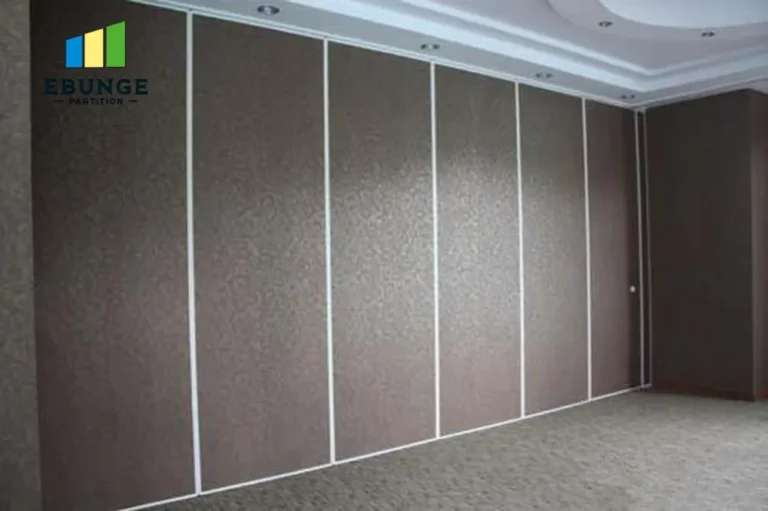
Safety Compliance and Quality Assurance
Safety is non-negotiable in public buildings. Verify that the supplier’s products meet relevant standards, such as fire resistance, impact resistance, and safe operation. Ask for certifications, but also check if they are recognized in your country. For overseas suppliers, confirm that they can provide documentation in your language and that their products comply with local building codes.
Quality assurance processes, such as factory inspections and quality control checks, are equally important. Ask about their defect rate, warranty terms, and after-sales service. A reliable supplier will offer a clear warranty and a process for addressing issues. Avoid suppliers that are vague about post-delivery support.
Share the opening, drawings, finish direction, and privacy target for a project-specific review.
Managing Overseas Delivery and Project Timeline
If you are sourcing from overseas, delivery logistics can be complex. Clarify the Incoterms (e.g., EXW, FOB, CIF) to understand who is responsible for shipping, insurance, and customs. Ask for a detailed lead time, including production, transit, and installation. Build in buffer time for unexpected delays, such as port congestion or customs clearance.
Also, discuss installation support. Some suppliers offer remote guidance or send a technician for on-site supervision. If not, you may need to hire a local installer familiar with top-hung track systems. Ensure that the supplier provides detailed installation drawings and instructions.
Comparing Quotes: A Checklist for Buyers
When you receive quotes, use a checklist to compare apples to apples. Consider the following:
| Item | Supplier A | Supplier B |
|---|---|---|
| Price (including delivery) | ||
| Lead time | ||
| Acoustic rating | ||
| Customization options | ||
| Warranty terms | ||
| After-sales support | ||
| Safety certifications |
Use this table to ensure that all suppliers are providing the same scope. If a quote is significantly lower, investigate what is omitted. It may lack acoustic sealing, hardware quality, or installation services.
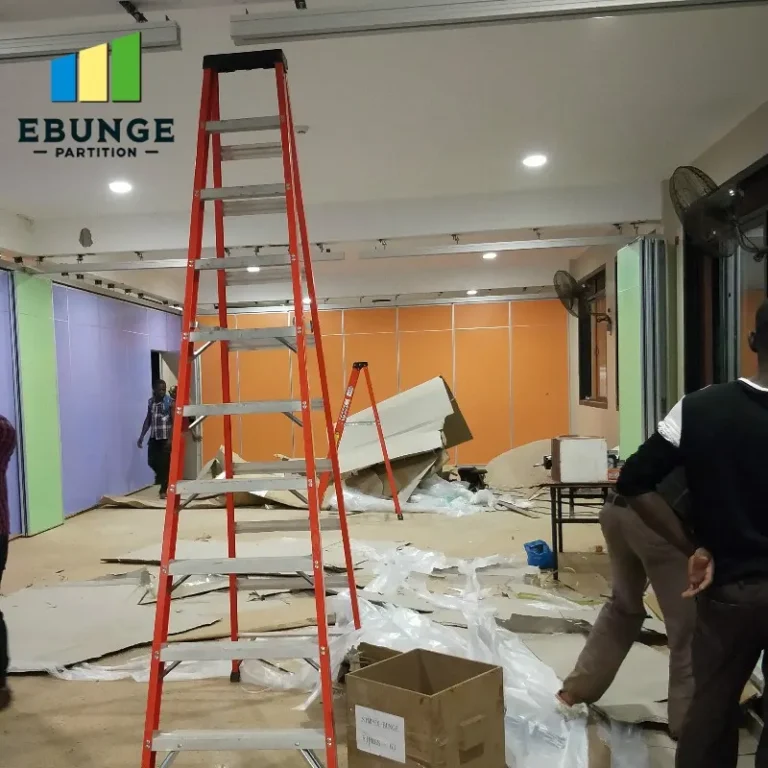
After-Sales Service and Warranty: Protecting Your Investment
After installation, the relationship with your supplier continues. Ask about their after-sales service: Do they offer spare parts, maintenance guides, or a hotline for troubleshooting? What is the warranty period, and what does it cover? For overseas suppliers, confirm if warranty claims require returning parts to the factory, which can be costly and time-consuming.
To protect your investment, request a warranty certificate and a service level agreement. Keep all correspondence and documents for future reference. A supplier that stands behind their product is more likely to be reliable.
Conclusion: Making Your Decision with Confidence
Selecting a community sliding partition supplier for your community center project is a significant decision. By preparing your requirements, asking the right questions, and verifying claims with documentation, you can mitigate risks and ensure a successful outcome. Remember to focus on reliability, customization support, and clear communication, especially for overseas deliveries. With careful evaluation, you can find a partner who delivers a quality operable wall system that meets your acoustic and safety needs.
For more insights on movable partition walls, explore our movable partition wall solutions and blog. If you are ready to discuss your project, contact our team.
Frequently Asked Questions
What information does a supplier need to provide a quote?
Suppliers need your opening size, drawings, acoustic target, finish preference, and project location. The more details you share, the more accurate the quote.
How can I verify a supplier’s reliability?
Ask for references from similar community center projects, check their track record, and request documentation such as certifications and test reports. A site visit or video call can also help.
What is a top-hung track system?
It’s a sliding partition system where the weight is supported by a track on the ceiling, eliminating the need for a floor rail. This makes the floor flush and easier to maintain.
How do I ensure acoustic performance?
Specify your acoustic target and request test data. Ensure that the supplier’s product meets the required STC or Rw rating, and consider perimeter sealing for optimal performance.
What should I know about overseas delivery?
Clarify Incoterms, lead times, and installation support. Ask about customs and shipping insurance, and plan for potential delays.
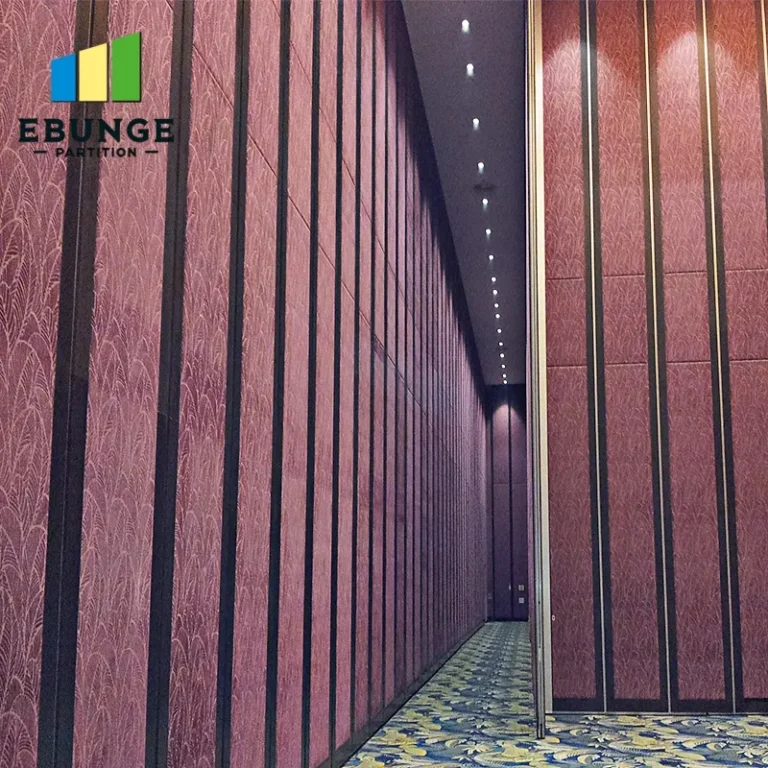
Send the opening size and drawings to discuss a differentiated community sliding partition supplier solution.