
When planning an office meeting room, one of the most critical decisions you’ll make is choosing a movable walls soundproof solution. As an interior designer, you need to balance aesthetics, functionality, and acoustic performance while ensuring your client’s budget and timeline are respected. The challenge is that many movable walls soundproof products look similar on the surface, but their performance and installation requirements vary significantly. This article answers the key questions you’ll face when specifying an operable wall system, helping you prepare accurate quotations and avoid costly surprises. We’ll focus on what really matters for acoustic partition solutions in office environments, from sound insulation to installation logistics.
Direct answer: Movable walls soundproof are an excellent choice for office meeting rooms when you need flexible space division without compromising acoustic privacy. They offer high sound insulation (typically rated by STC), quick installation with minimal disruption, and full customization to match your design vision. However, their performance depends on proper specification, site conditions, and installation quality. This article guides you through the essential buyer questions to ensure your project’s success.
Movable Walls Soundproof: 1. What Sound Insulation Performance (STC Rating) Do You Need?
Sound Transmission Class (STC) is the industry standard for measuring how well a partition reduces sound. For office meeting rooms, you typically need an STC rating of 40-50 for normal conversations, but if you require confidentiality, you may need higher. It’s important to understand that the STC rating is not just about the wall panel itself—it also depends on the seals, the track system, and the installation quality. When discussing requirements with your client, define the acceptable noise level and whether speech privacy is critical. This will help you select the right acoustic partition solution.
Remember, a movable walls soundproof supplier can provide test data, but you should verify that the ratings are from independent labs and relevant to your configuration. Always request a detailed specification sheet and compare it with your project’s acoustic design.
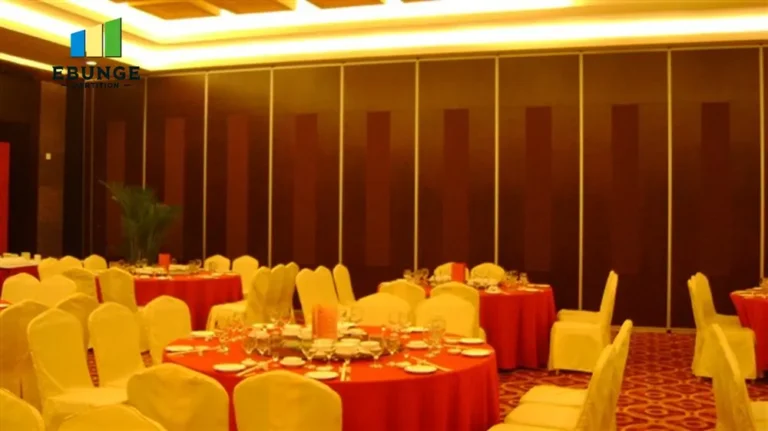
Need help turning the movable walls soundproof requirements into a practical project layout?
2. How Long Does Installation Take and How Much Disruption?
Time is money in any office project. Traditional drywall construction can take weeks, but movable walls soundproof systems are designed for speed. A typical installation for an office meeting room partition can be completed in days, not weeks, depending on the size and complexity. The key is to choose a system that uses a top-hung track without a floor rail, which minimizes site preparation and allows for faster installation. You should also consider whether the installation can be done after hours or in phases to reduce disruption to ongoing operations.
Ask your supplier for a detailed installation timeline and whether they provide installation guidance or a full service. Ensure that your project schedule accommodates any site conditions that might affect the installation, such as uneven floors or ceiling obstructions.
3. What Aesthetic Customization Options Are Available?
As an interior designer, aesthetics are non-negotiable. Modern movable walls soundproof systems offer a wide range of finishes, from wood veneers to fabric panels, and even glass inserts. You can customize the color, texture, and material to match your office design. Some suppliers also offer custom panel sizes and shapes, allowing you to create unique configurations. When evaluating options, ask for samples and check how the finishes hold up over time—especially in high-traffic areas.
Additionally, consider the visual impact of the track system. Top-hung tracks are less obtrusive and can be recessed into the ceiling for a clean look. Discuss your design intent with the supplier early to ensure they can deliver the desired aesthetic without compromising acoustic performance.
4. How Durable and Low-Maintenance Is the System?
Movable partitions are a long-term investment. You need a system that can withstand daily use and require minimal maintenance. Look for features like robust seals that maintain acoustic performance over time, high-quality rollers that operate smoothly, and durable finishes that resist scratches and stains. Ask about the warranty and expected lifespan of the components. A reputable supplier will provide maintenance guidelines and recommend periodic checks to ensure the system continues to perform optimally.
In office environments, partitions are frequently moved, so ease of operation is crucial. A well-designed top-hung track system should allow one person to move a panel smoothly and safely. Test the operation if possible, and ensure that the hardware is reliable.
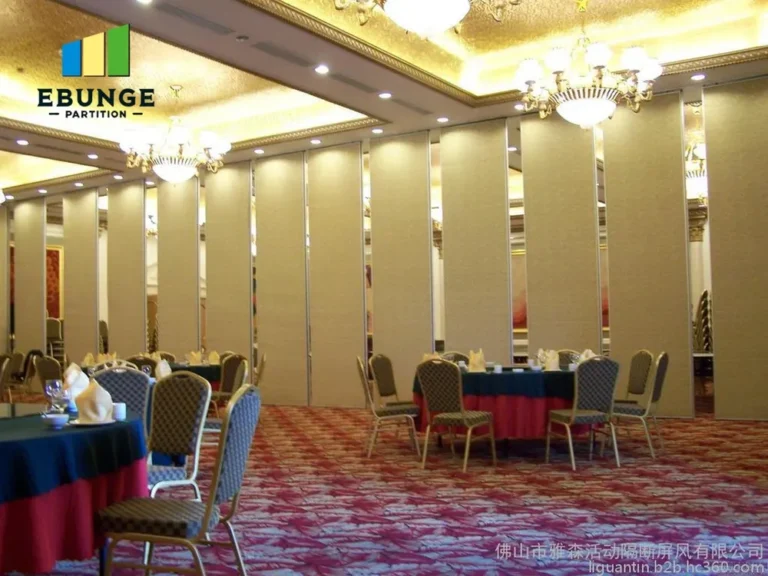
5. How Can You Optimize Space with Movable Walls?
One of the main advantages of movable walls soundproof is space flexibility. You can divide a large room into smaller meeting rooms or open up the space for events. When planning, consider the stacking area—where the panels are stored when not in use. A good design will minimize the stacking space and allow for maximum usable area. Discuss your space requirements with the supplier to determine the best configuration and track layout.
Also, think about the future. If your client’s needs change, can the system be reconfigured? Modular designs offer greater flexibility. Ensure that the system can adapt to different room sizes and layouts without major modifications.
6. Does the System Comply with Building Codes and Standards?
Compliance is critical for safety and legal reasons. Movable walls must meet local building codes, including fire safety, accessibility, and structural requirements. In many jurisdictions, movable partitions are considered part of the building’s structure and must be certified accordingly. Ask your supplier for documentation that proves compliance with relevant standards, such as fire resistance ratings and ADA accessibility. Also, consider acoustic requirements specific to your project, such as LEED credits for acoustics.
Your supplier should be able to provide test reports and certifications. If they cannot, that’s a red flag. Always verify that the system is suitable for your specific application and that all necessary approvals are obtained before installation.
Share the opening, drawings, finish direction, and privacy target for a project-specific review.
7. How Do You Manage Budget Constraints?
Budget is always a concern, but movable walls soundproof systems offer long-term value. While the initial cost may be higher than drywall, the flexibility and reusability can save money over time. To manage costs, consider the total cost of ownership, including installation, maintenance, and potential reconfiguration. Obtain multiple quotations and ensure they include all components, such as tracks, seals, and installation. Be wary of hidden costs like structural reinforcement or electrical work.
Work with a supplier who understands your budget and can suggest cost-effective alternatives without compromising quality. Sometimes, a standard finish or a simpler configuration can reduce costs significantly.
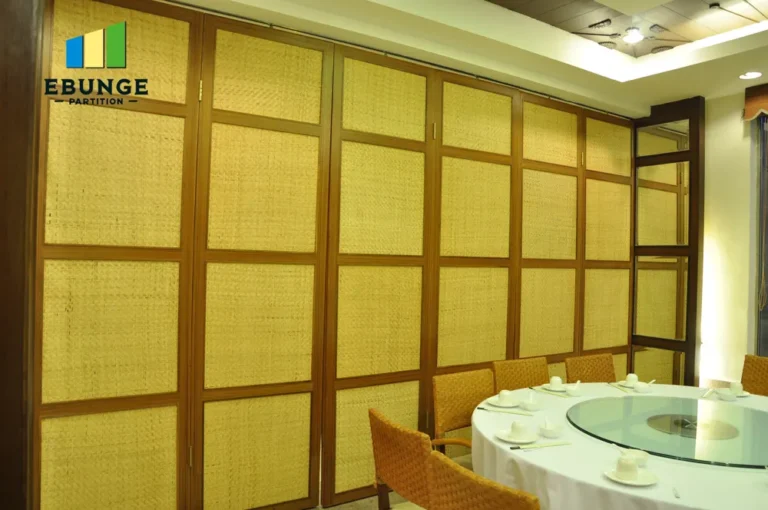
8. How Easy Is Operation and Flexibility?
The day-to-day use of movable walls depends on how easy they are to operate. Users should be able to move panels effortlessly, with minimal noise and effort. A top-hung track system with quality rollers and a simple locking mechanism is essential. Consider the weight of the panels and whether they can be moved by a single person. Also, think about the frequency of use—if the walls are moved daily, heavy-duty components are necessary.
Flexibility also means the ability to adjust the layout quickly. Some systems offer multiple configurations, such as L-shapes or T-junctions, which can be useful in complex office layouts. Ask the supplier about the range of configurations possible and whether additional components are needed.
Key Considerations for Quotation Readiness
To get an accurate quotation from a movable walls soundproof supplier, you need to provide specific information. Here is a checklist to prepare:
- Opening size: Width, height, and depth of the opening to be enclosed.
- Drawings: Architectural drawings or floor plans showing the proposed location and dimensions.
- Acoustic target: The required STC rating or the level of sound privacy needed.
- Finish preference: The desired surface material, color, and texture.
- Project location: The site address, as it affects delivery and installation logistics.
Having this information ready will help the supplier provide a detailed and accurate quote, avoid delays, and ensure the system meets your expectations.
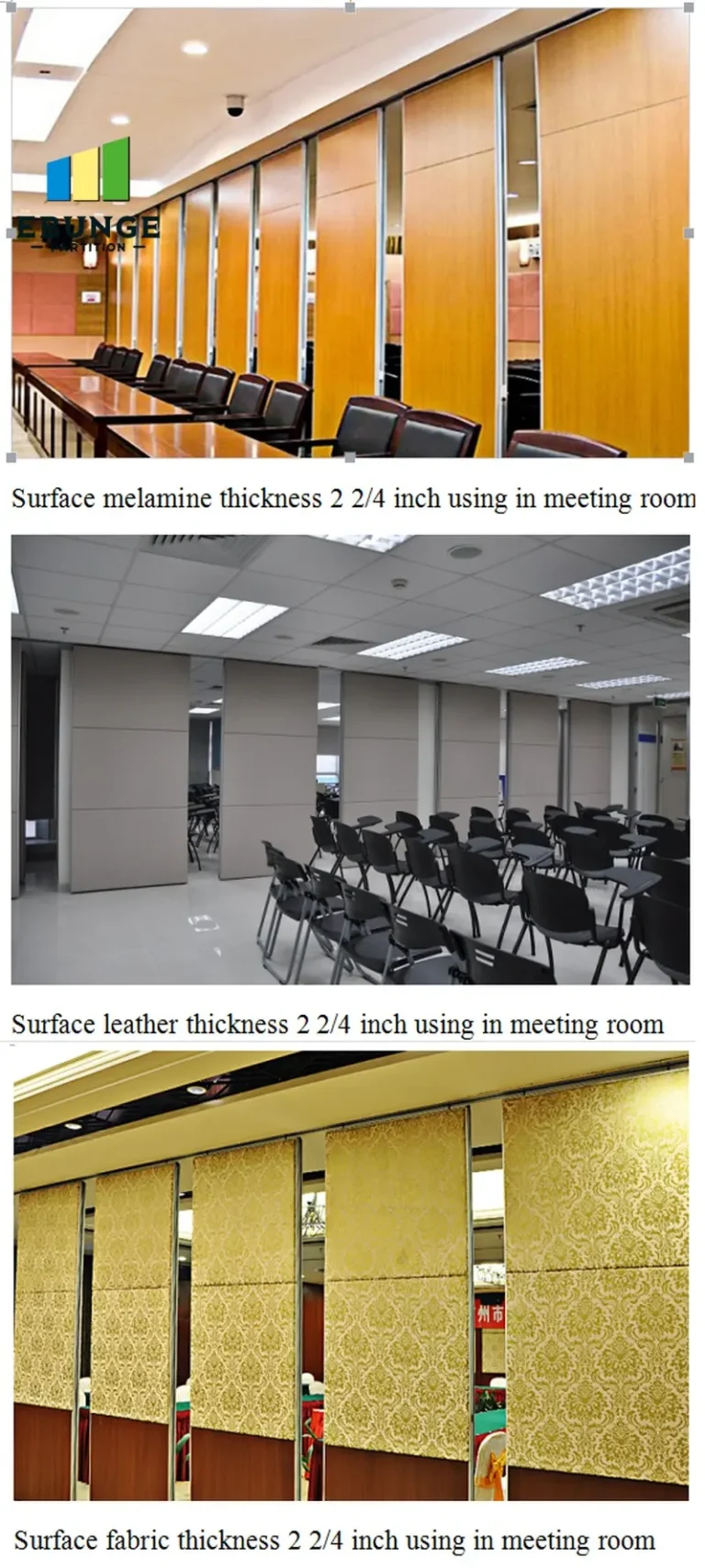
Comparison Table: Movable Walls vs. Traditional Partition Walls
| Feature | Movable Walls Soundproof | Traditional Drywall |
|---|---|---|
| Installation time | Days | Weeks |
| Flexibility | Reconfigurable | Fixed |
| Acoustic performance | High, with proper sealing | Depends on construction |
| Space usage | Maximized with stacking | Permanent footprint |
| Maintenance | Low, but components may wear | Low, but repairs may be needed |
| Cost | Higher initial, lower long-term | Lower initial, higher if reconfigured |
Conclusion
Choosing the right movable walls soundproof system for your office meeting room involves careful consideration of acoustic performance, installation, aesthetics, durability, space optimization, compliance, budget, and ease of use. By asking the right questions and preparing detailed information, you can ensure a successful project that meets your client’s needs. Remember to work with a reputable supplier who can provide transparent data and support throughout the process. For more insights, explore our blog or view our acoustic partition solutions. If you have specific questions, feel free to contact us.
Frequently Asked Questions
1. What STC rating is suitable for a confidential meeting room?
For confidential discussions, an STC of 50 or higher is recommended. However, the actual performance depends on the entire system, including seals and flanking paths. Always consult with an acoustician for specific requirements.
2. Can movable walls be installed in an existing office without major disruption?
Yes, especially with top-hung track systems that require minimal floor work. Installation can often be done outside business hours to minimize disruption.
3. Are there customization options for finishes and colors?
Absolutely. Most suppliers offer a variety of finishes, including wood veneers, laminates, fabrics, and glass. Custom colors and patterns are often possible.
4. How do movable walls compare to glass partitions in terms of acoustics?
Movable walls with solid panels generally offer higher sound insulation than glass partitions, which may not achieve the same STC unless using specialized acoustic glass. The choice depends on your design and acoustic needs.
5. What maintenance is required for movable walls?
Regular cleaning of tracks and seals is recommended. Periodically check for wear on rollers and seals to maintain acoustic performance. Most systems are designed for low maintenance.
Send the opening size and drawings to discuss a differentiated movable walls soundproof solution.