
When planning a conference room that needs reliable sound separation, acoustic partition wall details determine whether the space will meet your school project’s privacy requirements. This article explains what those details include, why they matter for buyer decisions, and how to prepare for a quotation. By understanding the key components, you can confidently discuss your project with suppliers and ensure the final installation performs as intended.
Acoustic partition wall details refer to the technical specifications, materials, and installation requirements that define the sound insulation performance, structural support, and operational features of a movable partition wall. For a conference room, these details include the wall panel construction, sealing mechanisms, track system, acoustic ratings, and integration with surrounding building elements. Understanding these details helps buyers evaluate options, communicate needs, and obtain accurate quotations.
Why Acoustic Partition Wall Details Matter for School Conference Rooms
School conference rooms often host meetings, presentations, and confidential discussions. Sound privacy is essential, but many buyers worry about acoustic performance uncertainty. Acoustic partition wall details provide clarity on how much sound will be blocked, which directly impacts the room’s usability. Without proper details, you risk investing in a partition that fails to meet your acoustic target, leading to disruptions and costly modifications.
Moreover, these details influence durability, ease of installation, and lifecycle costs. A well-specified partition can last for decades with minimal maintenance, while a poorly detailed one may require frequent repairs. For a school project, understanding these aspects ensures you choose a solution that balances performance, budget, and long-term value.
Need help turning the acoustic partition wall details requirements into a practical project layout?
Key Components of Acoustic Partition Wall Details
To make informed decisions, you need to understand the main elements that define an acoustic partition wall system. These include the panel construction, sealing systems, track configuration, and hardware. Each component contributes to the overall acoustic performance and functionality.
Panel Construction and Materials
The panels are the core of the partition. They typically consist of a metal frame filled with sound-absorbing materials, such as mineral wool or acoustic foam, and faced with boards like gypsum or steel. The thickness and density of these layers affect the sound insulation. For conference rooms, a common target is to achieve a certain sound transmission class (STC) rating, but the exact value should be confirmed from project specifications. The supplier should provide detailed construction drawings showing layer thicknesses, materials, and edge profiles.
Sealing Systems
Sound leaks often occur at the edges and gaps between panels. Acoustic partition wall details include perimeter seals, such as drop seals at the bottom and compression seals at the top and sides. These seals must be durable and maintain consistent pressure to ensure a tight fit. Top-hung track systems, as used by EBUNGE, allow for a clean floor without rails, but they require precise ceiling support. The sealing details are critical for achieving the desired acoustic performance.
Track and Hardware
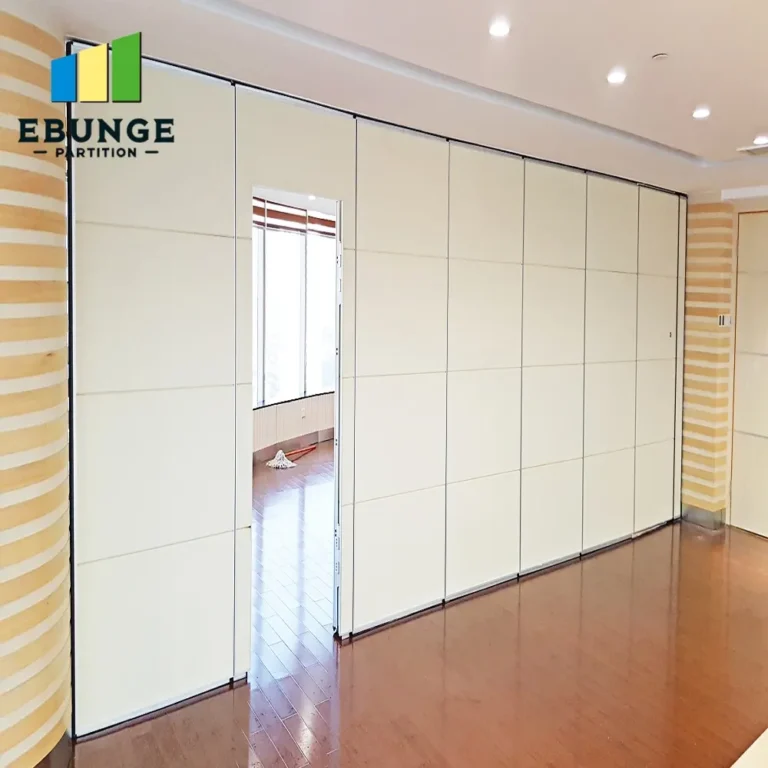
The track system supports the weight of the panels and guides their movement. Top-hung tracks are popular for conference rooms because they eliminate floor tracks, making cleaning easier and reducing trip hazards. The track must be engineered to handle the load and operate smoothly. Hardware includes trolleys, hinges, and handles, which should be robust and corrosion-resistant. These details affect ease of operation and long-term reliability.
How to Evaluate Acoustic Performance Ratings
Acoustic performance is often expressed as an STC or Rw rating, but these numbers can be misleading without context. The rating depends on the partition’s construction, installation quality, and flanking paths around the partition. For a conference room, you should define your acoustic target based on the type of activities and the level of privacy required. For example, a target of STC 45 may be suitable for normal conversations, while STC 50 or higher may be needed for confidential discussions. However, the exact target should be confirmed with an acoustic consultant or based on your project’s requirements.
When reviewing acoustic partition wall details, ask the supplier for test reports from accredited laboratories. These reports should match the exact wall configuration you plan to install. Be wary of ratings that are not supported by documentation. Also, consider that the actual on-site performance may differ due to installation conditions. Therefore, it’s essential to work with an experienced installer who follows the manufacturer’s guidelines.
Customization Options for Your Conference Room
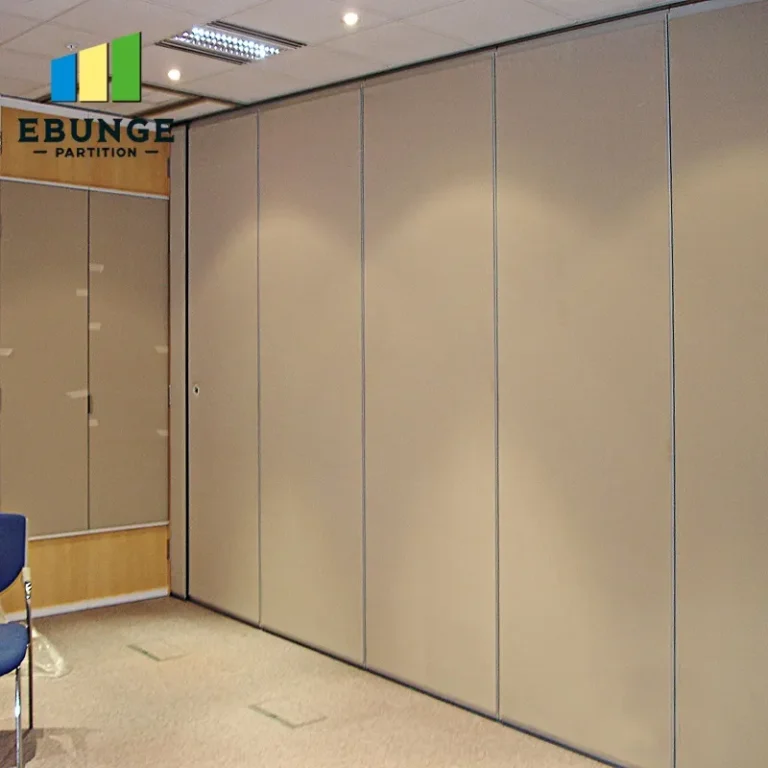
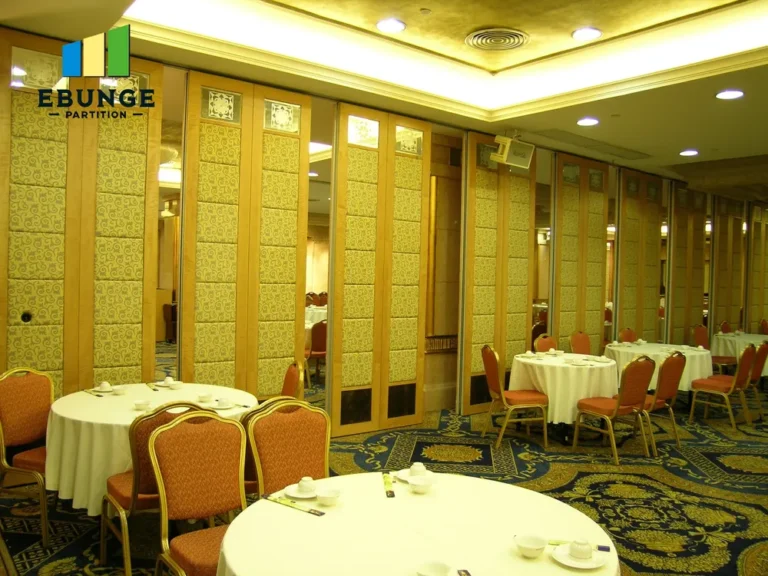
Every school project has unique requirements. Acoustic partition wall details can be customized to match your aesthetic, functional, and acoustic needs. For instance, you can choose from various finishes such as whiteboard, tackable fabric, or wood veneer. The partition can also be designed to integrate with existing architecture, such as curved or angled walls. However, customization may affect the acoustic performance, so it’s crucial to discuss any modifications with the supplier to ensure they do not compromise the sound insulation.
Another customization is the operation method. Some partitions are manually operated, while others are motorized. For large conference rooms, motorized systems offer convenience but add complexity and cost. Your choice should align with the expected frequency of use and the available budget. The supplier should provide detailed drawings and specifications for any custom solution, including the impact on acoustic ratings.
Compliance with Building Codes and Standards
Acoustic partition wall details must comply with local building codes and standards. These may include fire safety regulations, accessibility requirements, and structural load limits. For instance, the partition must not block emergency exits or interfere with fire suppression systems. The supplier should be familiar with relevant codes and provide evidence of compliance, such as test certificates or material data sheets. It’s your responsibility to verify that the proposed system meets all applicable requirements for your location.
Additionally, the partition may need to meet specific acoustic standards set by your school district or state. Some projects may require a certain STC rating for classrooms or conference rooms. Ensure that the supplier’s documentation clearly states compliance with these standards. If in doubt, consult with a building official or acoustic consultant before finalizing your order.
Share the opening, drawings, finish direction, and privacy target for a project-specific review.
Lifecycle Costs and Durability Considerations
Beyond the initial purchase price, consider the lifecycle costs of the partition. Durable materials and quality hardware may cost more upfront but can reduce maintenance and replacement expenses over time. Ask about the expected lifespan of the seals, panels, and track system. Also, inquire about the availability of replacement parts and the supplier’s after-sales support. A reliable manufacturer will offer guidance on maintenance and provide prompt assistance if issues arise.
For a school environment, the partition will likely see frequent use. Therefore, choose materials that resist wear and tear, such as impact-resistant panels and high-cycle hardware. The acoustic partition wall details should include information about the durability of finishes and the ease of repairing minor damages. This information helps you budget for ongoing maintenance and ensures the partition remains functional for years.
Preparing for a Quotation: Essential Information to Provide
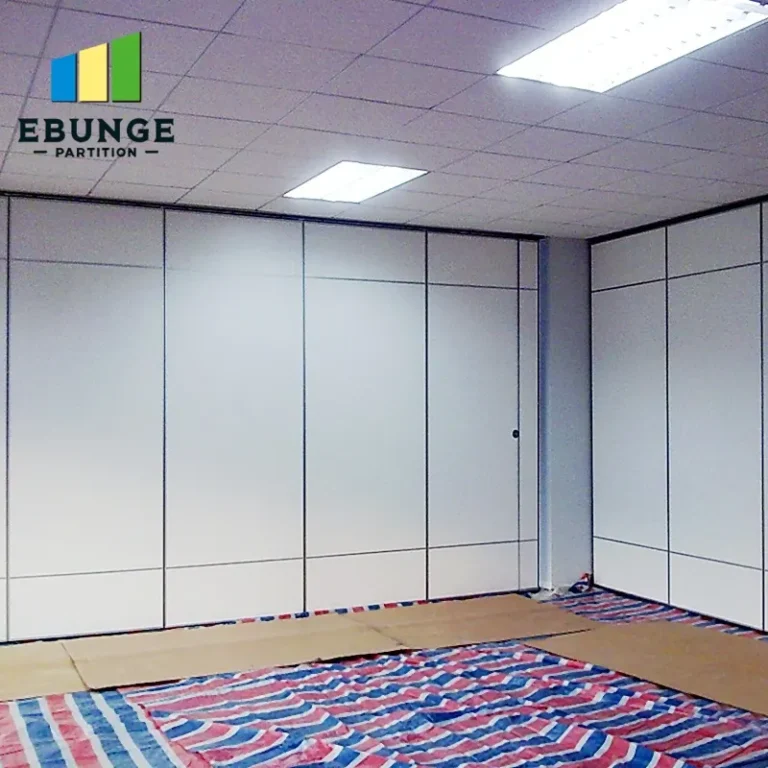
To receive an accurate quotation, you need to provide the supplier with specific details about your project. This includes the opening size (width, height, and depth), architectural drawings, your acoustic target (e.g., desired STC rating), finish preferences, and the project location. The more detailed your information, the more precise the quote will be. A reputable supplier will use these details to recommend a suitable system and provide a comprehensive proposal.
When contacting suppliers, be prepared to discuss your application. For a conference room, mention the types of activities and the level of privacy required. Also, indicate if you have any design constraints, such as ceiling height or existing HVAC systems. This upfront communication helps the supplier tailor their solution to your needs and avoids misunderstandings later.
Checklist for Reviewing Acoustic Partition Wall Details
Use this checklist to ensure you have considered all critical aspects before making a decision:
| Aspect | Questions to Ask |
|---|---|
| Acoustic Performance | What is the STC/Rw rating? Is there a test report? Does it match my target? |
| Sealing System | How are gaps sealed? Are drop seals included? What is the expected durability? |
| Track System | Is it top-hung? What is the load capacity? Is it suitable for my ceiling structure? |
| Customization | Can I choose finishes? Will customization affect acoustic performance? |
| Compliance | Does it meet local building codes? Are certificates available? |
| Lifecycle Costs | What is the expected lifespan? What maintenance is required? Are spare parts available? |
| Supplier Support | What after-sales support is offered? Is installation guidance provided? |
Frequently Asked Questions
What is the typical acoustic rating for conference room partitions?
The typical rating ranges from STC 40 to STC 50, but the exact value depends on your project’s requirements. Confirm your target with an acoustic consultant and ensure the supplier provides a test report for the specific configuration.
Can I install a top-hung track without a floor rail?
Yes, EBUNGE specializes in top-hung track systems that eliminate the floor rail, creating a barrier-free opening. This requires adequate ceiling support and precise installation to ensure smooth operation and proper sealing.
How do I choose the right finish for my school conference room?
Consider factors such as durability, maintenance, and aesthetics. Popular options include whiteboard surfaces for collaborative work, tackable fabric for pinning notices, or wood veneer for a professional look. Discuss with the supplier how the finish may affect acoustic performance.
What information do I need to provide for a quotation?
You should provide the opening size (width, height, depth), architectural drawings, your acoustic target, finish preferences, and project location. This information allows the supplier to recommend a suitable system and give an accurate quote.
Are there any building code requirements for movable partitions?
Yes, partitions must comply with fire safety, accessibility, and structural codes. The supplier should provide documentation of compliance, and you should verify with local authorities if necessary.
Conclusion: Making an Informed Decision
Understanding acoustic partition wall details is essential for a successful conference room project. By focusing on the technical specifications, acoustic performance, customization options, and compliance, you can select a partition that meets your needs and budget. Remember to gather all necessary project information before requesting quotations, and always verify claims with documented evidence. For further guidance, explore our blogs and FAQ section, or contact us to discuss your project in detail.
Send the opening size and drawings to discuss a differentiated acoustic partition wall details solution.