
When you are an architect tasked with specifying an office acoustic partition supplier for a conference room, the decision goes far beyond comparing price lists. The success of your project hinges on the supplier’s ability to deliver acoustic performance, meet building codes, and provide reliable project management support. This guide is designed to help you evaluate suppliers with a technical and practical lens, ensuring you ask the right questions, prepare the necessary documentation, and secure a quotation that aligns with your project’s specific requirements.
Quick Answer: To evaluate an office acoustic partition supplier effectively, focus on verifying acoustic insulation data (e.g., STC ratings), confirming compliance with local building codes, assessing the durability of the top-hung track system, and requesting a detailed quotation that includes installation, lead time, and warranty terms. Always provide your opening size, drawings, acoustic target, finish preference, and project location to get accurate and comparable proposals.
Why Supplier Evaluation Matters for Conference Room Partitions
Conference rooms are high-stakes environments where confidential discussions and presentations occur. The acoustic performance of movable partitions directly impacts speech privacy and meeting productivity. A poorly performing partition can lead to sound leakage, causing distractions and compromising confidentiality. Therefore, selecting a supplier who can deliver proven acoustic solutions is critical. Moreover, the supplier’s ability to coordinate custom projects, provide detailed drawings, and support installation can significantly affect your project timeline and budget.
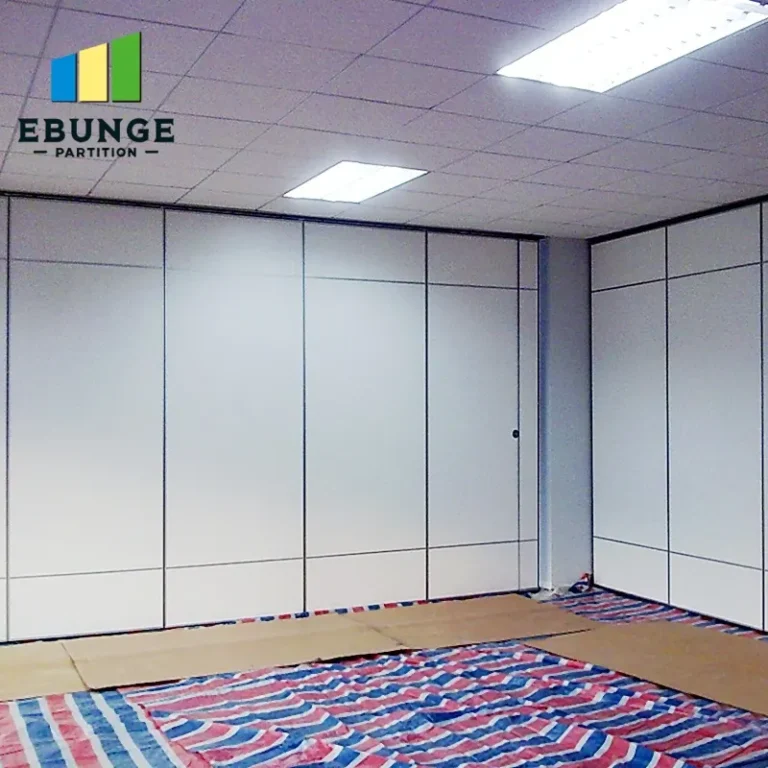
Need help turning the office acoustic partition supplier requirements into a practical project layout?
Key Evaluation Criteria for Office Acoustic Partition Suppliers
When assessing potential suppliers, consider the following criteria, each of which addresses a common buyer concern:
1. Acoustic Insulation Ratings and Data
Acoustic performance is quantified by Sound Transmission Class (STC) or weighted sound reduction index (Rw). For conference rooms, a typical requirement is STC 40-50, but this depends on the ambient noise level and the desired privacy level. Ask the supplier for certified test reports from an accredited laboratory. Do not rely on marketing claims; request the actual test data for the specific partition model you intend to use.
2. Compliance with Building Codes and Standards
Your project must comply with local building codes, fire safety regulations, and accessibility standards. Verify that the supplier’s partitions meet relevant standards, such as ASTM E90 for sound transmission or EN ISO 10140 for laboratory measurements. Also, check fire ratings (e.g., Class A or B) and ensure the partition system is compatible with your building’s fire compartmentation requirements.
3. Durability and Quality of the Track System
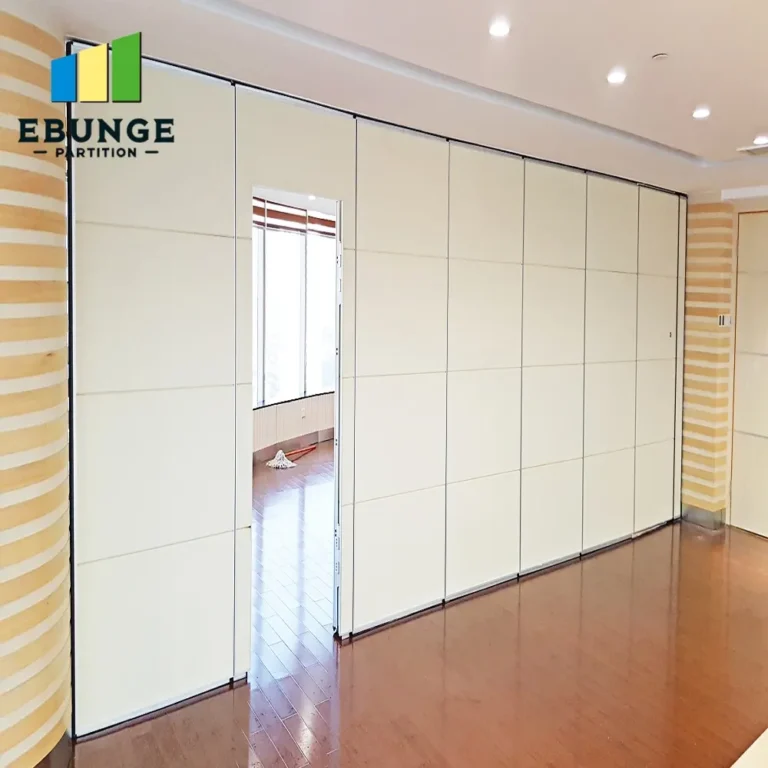
The track system is the backbone of a movable partition. A top-hung track system, where the partition hangs from an overhead track without a floor rail, offers several advantages: easier floor cleaning, no trip hazards, and smoother operation for heavy panels. Inquire about the track material (e.g., extruded aluminum), the number of ball bearings in trolleys, and the expected lifespan. Ask for details on maintenance requirements and availability of spare parts.
4. Ease of Installation and Project Management Support
Installation complexity can impact your construction schedule. A reputable supplier should provide detailed installation drawings, clear instructions, and possibly on-site supervision. Ask about the estimated installation time for your project size and whether they offer a turnkey service. Also, evaluate their project management capabilities: do they have a dedicated coordinator who handles communication, scheduling, and troubleshooting?
5. Lead Time and Delivery Reliability
Manufacturing lead times vary. For custom movable walls, typical lead times range from 4 to 12 weeks, depending on complexity. Confirm the supplier’s current lead time and their track record for on-time delivery. Request a written commitment in the quotation, including penalties for delays if possible. Also, consider the logistics: will they deliver to your site, and are they responsible for unloading and positioning?
6. Warranty and After-Sales Service
A robust warranty reflects the supplier’s confidence in their product. Ask for the warranty period on panels, track, and hardware. Clarify what is covered (e.g., defects in materials, workmanship, or wear and tear) and the response time for service calls. Also, inquire about the availability of replacement parts and the supplier’s policy on repairs.
7. Cost Transparency and Total Cost of Ownership
Beyond the initial quote, consider the total cost of ownership, including maintenance, energy efficiency (if applicable), and potential future modifications. A transparent quotation should itemize costs for materials, hardware, installation, and any optional features like acoustic seals or integrated blinds. Beware of hidden charges for engineering, shipping, or site survey.
Design Flexibility and Customization
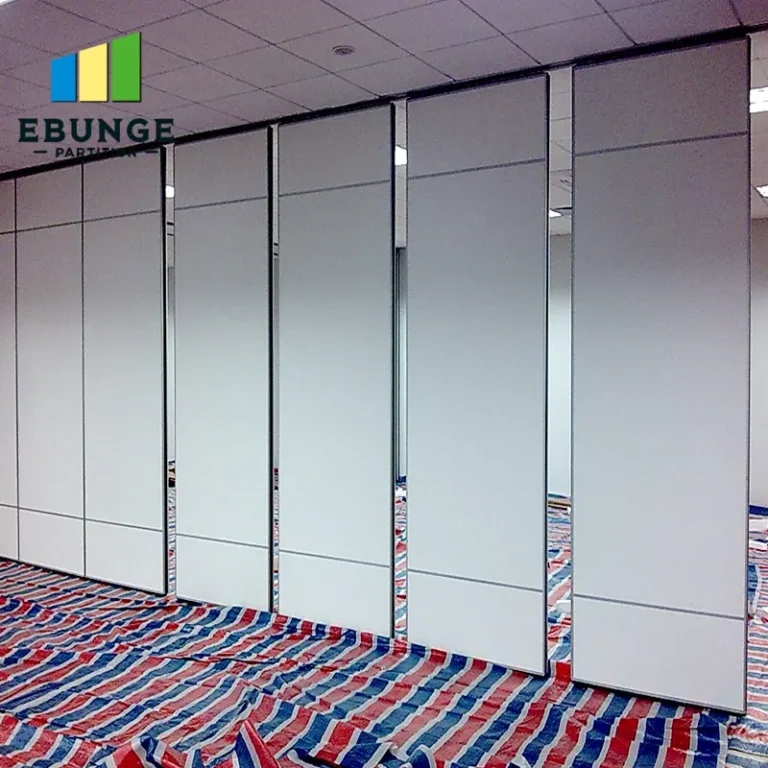
Every conference room is unique, and your partition may need to accommodate specific dimensions, sightlines, or finishes. Evaluate the supplier’s ability to customize panel widths, heights, and shapes. Ask about the range of finish options (e.g., wood veneer, laminate, fabric, glass) and whether they can match your interior design. Also, check if they offer integrated features like whiteboards, marker trays, or sliding glass panels that enhance functionality.
Preparing Your Inquiry: What to Share with Potential Suppliers
To receive accurate and comparable quotations, provide each supplier with a comprehensive brief. This should include:
- Opening size: Width, height, and depth of the opening(s). Include any obstructions like columns or lighting fixtures.
- Drawings: Architectural floor plans, sections, and elevations showing the partition location and surrounding structure.
- Acoustic target: Specify the desired STC/Rw rating or the level of privacy required.
- Finish preference: Indicate the type of surface material and color/finish sample if available.
- Project location: Site address and any access constraints that may affect delivery or installation.
- Project timeline: Expected start and completion dates for installation.
By sharing this information upfront, you enable suppliers to provide a precise proposal and reduce the risk of misunderstandings later.
Share the opening, drawings, finish direction, and privacy target for a project-specific review.
Checklist for Evaluating Office Acoustic Partition Suppliers
Use this checklist to systematically compare suppliers:
| Criterion | What to Ask | Why It Matters |
|---|---|---|
| Acoustic Performance | Can you provide certified STC/Rw test reports for the proposed model? | Ensures the partition meets your privacy requirements. |
| Compliance | Does the partition meet local building and fire codes? | Prevents legal and safety issues. |
| Track System | Is it top-hung without floor rail? What is the track material and load capacity? | Affects durability and ease of use. |
| Installation | Do you provide installation drawings and on-site supervision? | Reduces installation errors and delays. |
| Lead Time | What is the current lead time and delivery schedule? | Aligns with your project timeline. |
| Warranty | What is the warranty period and what does it cover? | Protects your investment. |
| Cost | Can you itemize the quotation? | Ensures transparency and no hidden costs. |
| Customization | Can you accommodate custom sizes and finishes? | Ensures the partition fits your design. |
| Project Management | Who will be our point of contact and how do you handle issues? | Ensures smooth communication and problem-solving. |
Why Choose a Top-Hung Track System?
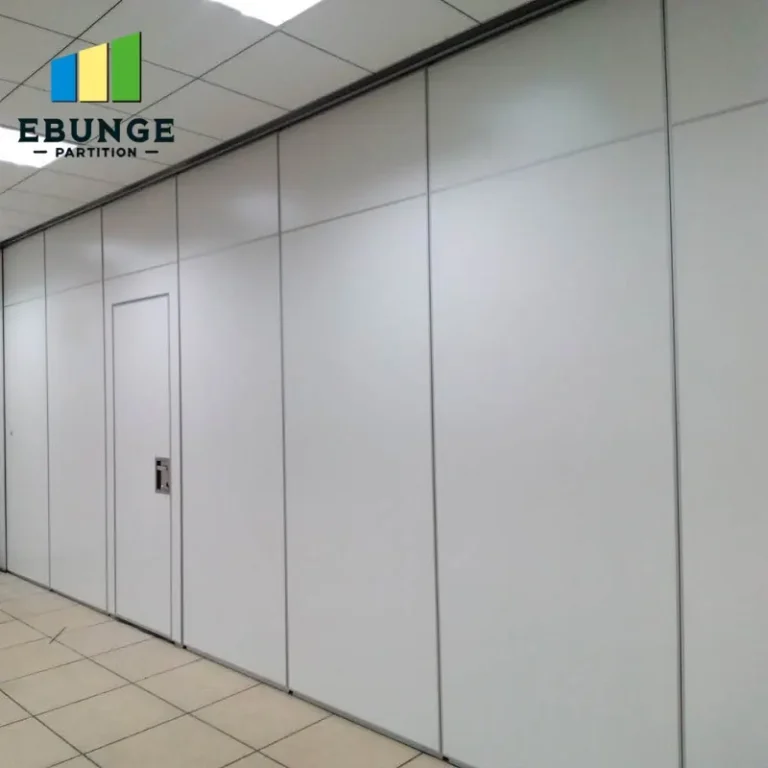
Many architects prefer a top-hung track system for conference room partitions because it eliminates the floor rail, creating a seamless floor surface and easier cleaning. It also allows for larger panel sizes and smoother operation. When evaluating suppliers, confirm that they specialize in this type of system and have a proven track record in similar projects. Ask for references or case studies (without expecting confidential details) to gauge their experience.
Making the Final Decision
After evaluating suppliers based on the above criteria, shortlist the top candidates and request a site visit or a mock-up sample if possible. This allows you to assess the product’s quality and acoustic performance firsthand. Also, consider the supplier’s responsiveness and professionalism during the inquiry process—this often reflects their project management capabilities.
Remember, the cheapest quote may not be the best value if it compromises on acoustic performance or durability. Weigh all factors and choose a supplier who offers a balanced solution that meets your technical requirements and budget.
Conclusion
Selecting the right office acoustic partition supplier is a critical step in ensuring your conference room meets acoustic and functional expectations. By focusing on verified acoustic data, compliance, track system quality, and transparent communication, you can make an informed decision. Always provide comprehensive project details to get accurate quotes, and don’t hesitate to ask for evidence of performance claims. A reliable supplier will appreciate your diligence and work with you to deliver a successful project.
Frequently Asked Questions
1. What is the typical acoustic rating for a conference room partition?
It depends on the level of privacy needed. For standard conference rooms, an STC rating of 40-45 is often sufficient, but for confidential discussions, you may need STC 50 or higher. Always specify your acoustic target to the supplier.
2. How long does it take to install a movable partition?
Installation time varies based on the size and complexity of the system. A single partition may take 2-3 days, while a large project with multiple partitions could take several weeks. The supplier should provide a detailed installation schedule.
3. Can the partition be customized to match my existing interior?
Yes, most suppliers offer a range of finishes including wood veneer, laminate, fabric, and glass. You can also specify custom colors or even incorporate branding. Provide finish samples to the supplier for exact matching.
4. What maintenance does a movable partition require?
Maintenance is generally minimal. Regular inspection of the track and trolleys, cleaning of panels, and occasional lubrication of moving parts are recommended. The supplier should provide a maintenance manual.
5. How do I get an accurate quotation?
Provide the supplier with your opening dimensions, drawings, acoustic requirements, finish preference, and project location. This allows them to quote accurately and reduces the risk of unexpected costs.
For more insights on movable partition walls and operable wall systems, explore our blogs and Movable Partition Manufacturer resources. If you have a project in mind, do not hesitate to contact us for detailed support.
For this buyer review, office acoustic partition supplier should be checked against the confirmed opening, drawings, operating plan, and project specification.
Send the opening size and drawings to discuss a differentiated office acoustic partition supplier solution.