
When planning a school hall renovation or new build, the school movable partition cost is often the first question on an interior designer’s mind. However, the real challenge is not just the price per square meter but understanding what drives the final quotation. This guide is designed to help you navigate the cost factors, ask the right questions, and prepare a clear brief for suppliers. By the end, you will know exactly what information to share to get accurate quotes and avoid costly surprises.
Direct answer: The school movable partition cost for a school hall typically varies widely based on size, acoustic requirements, finish, and installation complexity. To get a precise quotation, you must provide the opening dimensions, acoustic target (e.g., STC rating), finish preference, and project location. Expect costs to include the partition system itself, installation, and potential structural modifications.
School Movable Partition Cost: Why School Hall Partitions Differ from Standard Office Walls
School halls present unique challenges: large spans, high ceilings, and the need for acoustic separation between activities. Unlike office partitions, a school hall partition wall must often withstand heavy use, integrate with existing architecture, and meet strict safety standards. These factors directly influence the school movable partition cost. For instance, a top-hung track system may be preferred to avoid floor rails, but it requires a structure capable of supporting the weight. This means the cost is not just for the partition itself but also for the structural assessment and potential reinforcement.
As an interior designer, you need to consider the full scope: the partition system, the track, the installation labor, and any extra work like ceiling reinforcement or electrical adjustments. A clear technical brief will help suppliers provide accurate quotes and reduce the risk of change orders later.
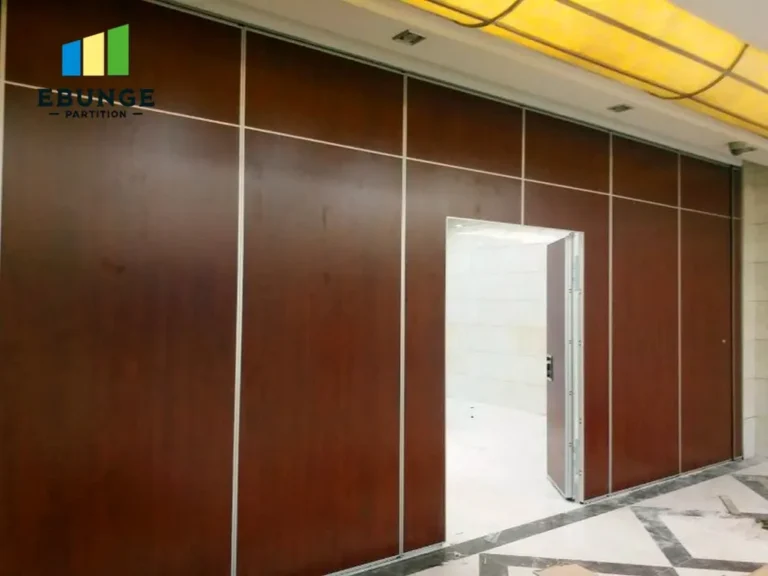
Need help turning the school movable partition cost requirements into a practical project layout?
Key Cost Drivers in School Movable Partition Projects
Several factors contribute to the final price of a movable partition wall in a school hall. Understanding these will help you compare quotes and make informed decisions.
1. Size and Configuration
The larger the opening, the more panels and track required, increasing material and installation costs. Complex configurations, such as curved tracks or multiple stacking areas, also add to the price.
2. Acoustic Performance
Acoustic partition solutions are rated by their sound transmission class (STC). Higher STC ratings require thicker panels, additional seals, and more precise installation, all of which raise the school movable partition cost. For a school hall, you might need an STC of 50 or more to ensure activities do not disturb each other.
3. Finish and Materials
The choice of surface finish—whether laminate, veneer, or tackable fabric—affects both aesthetics and cost. Custom finishes, such as writing surfaces or integrated whiteboards, will increase the price. Additionally, the quality of the internal core material impacts durability and acoustic performance.
4. Installation Complexity
Site conditions play a significant role. If the ceiling structure is not suitable for a top-hung track system, additional steelwork may be needed. Access to the site, the need for scaffolding, and the number of installation days all influence labor costs.
5. Logistics and Delivery
Delivery costs depend on the distance from the factory to the site, access constraints, and whether a crane is required to unload panels. For international projects, customs and transportation add further expenses.
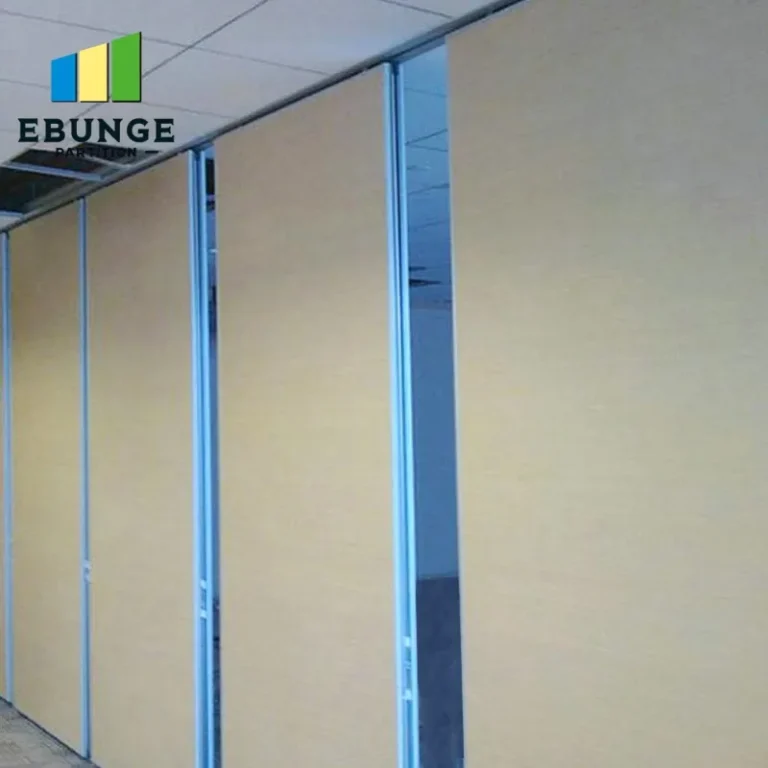
How to Get Accurate Quotes: Information Suppliers Need
To receive precise quotations, you must provide detailed information. Here is a checklist of what to share with potential suppliers:
- Opening size: Width, height, and depth of the area to be divided, including any obstructions.
- Architectural drawings: Floor plans, elevations, and sections of the hall, showing the partition location and surrounding structure.
- Acoustic target: The desired STC rating or the level of sound insulation required.
- Finish preference: Material, color, and any special features like tackability or whiteboard surfaces.
- Project location: The site address, country, and any access constraints.
- Timeline: Expected installation date and any phasing requirements.
Providing this information upfront will help suppliers tailor their proposals to your needs and avoid guesswork. It also demonstrates that you are a professional buyer, which can lead to more favorable terms.
Comparing Quotes: What to Look For
When you receive quotes, do not just compare the bottom line. Examine what is included and what is not. Here is a comparison table to guide your evaluation:
| Component | What to Check | Why It Matters |
|---|---|---|
| Partition panels | Number of panels, materials, core type | Affects acoustic performance and durability |
| Track system | Top-hung vs. floor rail, length, curves | Top-hung avoids floor obstructions but requires structural support |
| Seals and gaskets | Type and number of perimeter seals | Critical for acoustic performance |
| Installation labor | Number of days, crew size, site preparation | Labor costs can vary significantly |
| Delivery and logistics | Shipping, customs, crane hire | Can add substantial costs, especially for international projects |
| Warranty | Coverage period and terms | Protects your investment |
| Customization | Special finishes, integrated features | These often come at a premium |
Use this table as a checklist when reviewing proposals. It will help you identify hidden costs and ensure you are comparing like-for-like.
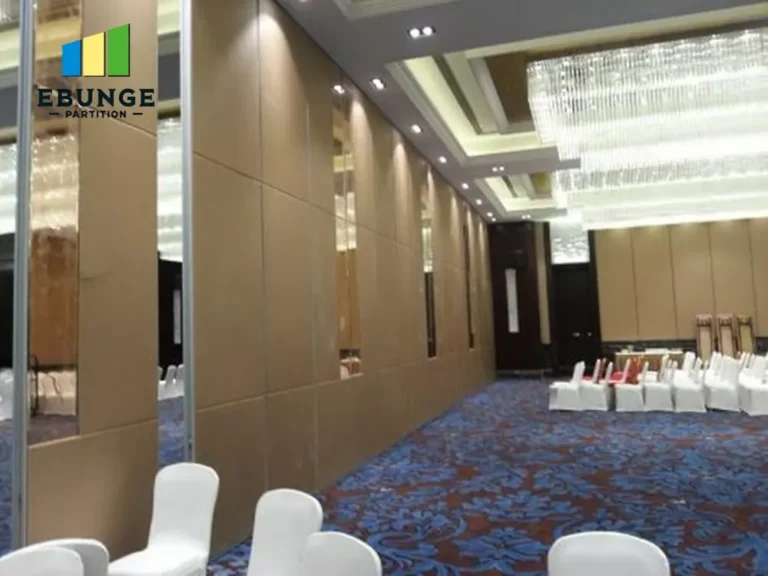
Share the opening, drawings, finish direction, and privacy target for a project-specific review.
Total Cost of Ownership: Beyond the Initial Quote
When evaluating school movable partition cost, consider the total cost of ownership over the partition’s lifespan. This includes maintenance, repairs, and potential replacement parts. A cheaper system may require more frequent maintenance, leading to higher long-term costs. Ask suppliers about the expected lifespan, maintenance requirements, and availability of spare parts.
Durability is particularly important in a school environment where partitions are used frequently. A robust system with quality hardware may have a higher upfront cost but will save money in the long run. Additionally, check the warranty terms: what is covered, for how long, and what is excluded.
Installation Timeline and Project Impact
The installation schedule can affect your overall project timeline. Movable partitions typically require a few days to install, but this can extend if site conditions are not ready. Coordinate with the supplier to ensure the ceiling structure is prepared and access is clear. Delays in installation can have a domino effect on other trades, so factor this into your planning.
Ask the supplier for a detailed installation schedule and confirm the number of installers and working hours. Also, clarify who is responsible for site preparation, such as providing power and lighting for the installation crew.
Supplier Reliability and Support
Choosing a reliable supplier is as important as the product itself. Look for a supplier who communicates clearly, provides technical support, and has experience with school projects. Check references and ask about past installations. A supplier who offers guidance on drawings and installation is valuable, especially for complex projects.
At EBUNGE, we specialize in top-hung track systems without floor rails, which are ideal for school halls. We provide custom project coordination, finishes, and drawings to ensure a smooth process. While we cannot make unsupported claims, we are committed to delivering quality solutions tailored to your needs.
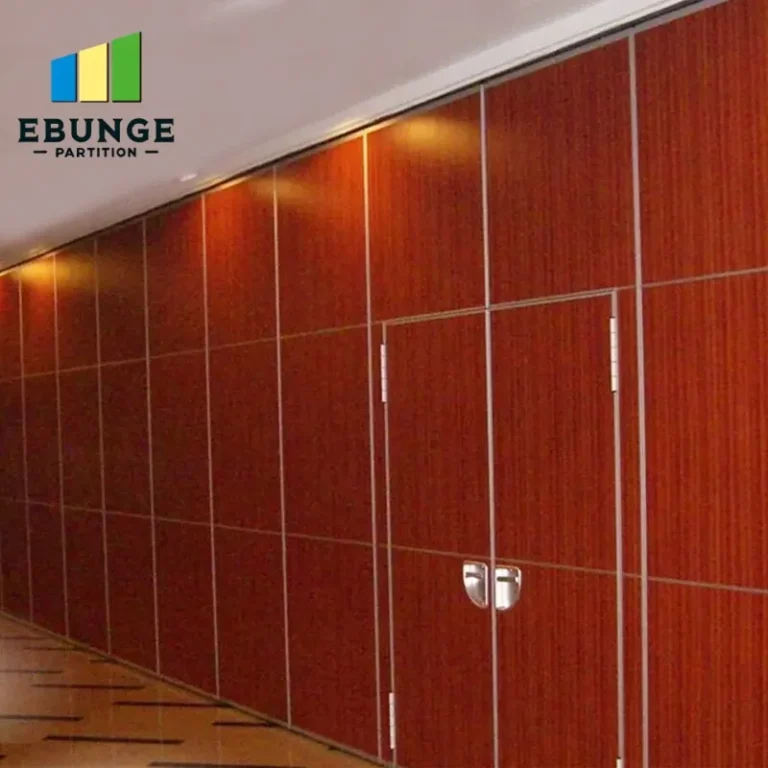
Conclusion: Be Prepared, Not Surprised
Understanding the school movable partition cost requires a holistic view of all contributing factors. By preparing a detailed brief, comparing quotes thoroughly, and considering the total cost of ownership, you can make an informed decision that fits your budget and meets your acoustic and functional requirements. Remember to share all relevant details with suppliers, and do not hesitate to ask questions.
For more insights on movable partition costs and technical considerations, explore our Movable Partition Cost category and our blog. If you are ready to discuss your project, contact us for personalized assistance.
Frequently Asked Questions
What is the average cost of a school movable partition?
The cost varies widely based on size, acoustic rating, finish, and installation complexity. It is best to request quotes with detailed specifications.
How can I reduce the school movable partition cost?
Optimize the opening size, choose standard finishes, and ensure the ceiling structure is ready. Also, compare multiple quotes and negotiate.
What is the difference between top-hung and floor rail systems?
Top-hung systems have no floor rail, offering a clean floor surface and easier accessibility. They require a stronger ceiling support, which may add to structural costs.
How do I determine the acoustic requirement for my school hall?
Consider the activities that will occur simultaneously. An STC rating of 50 or higher is common for school halls, but consult an acoustic engineer for specific needs.
What information do I need to provide for a quotation?
Share the opening dimensions, drawings, acoustic target, finish preference, and project location. This ensures accurate and comparable quotes.
Send the opening size and drawings to discuss a differentiated school movable partition cost solution.