
When you are responsible for a community center project, the choice of an operable wall system is more than a design decision—it is a long-term operational commitment. This community operable wall maintenance guide is written for school project buyers like you, who need to balance acoustic performance, daily usability, and lifecycle costs. You will learn what to ask suppliers, how to plan for maintenance, and how to prepare for a quotation that covers your specific needs. The goal is to help you make an informed purchase that minimizes downtime and avoids unexpected expenses.
Direct answer: For a community center, the best operable wall system is one that is designed for frequent use, easy to maintain, and backed by a responsive manufacturer. Prioritize a top-hung track system without a floor rail, as it reduces trip hazards and simplifies floor cleaning. Plan for periodic inspections, immediate repairs for any damage, and keep spare parts in stock. Always request a detailed maintenance schedule and warranty terms from your supplier before purchasing.
Community Operable Wall Maintenance: Why Community Centers Need a Different Maintenance Approach
Community centers host a variety of activities—from children’s classes to adult meetings—which means your operable wall will be used daily. Unlike an office partition that might be moved a few times a year, a community operable wall can be cycled several times a day. This high frequency puts stress on the top-hung track system, seals, and panels. A maintenance plan must be proactive, not reactive. You need to know who will service the wall, how often, and what parts might wear out.
In addition, community centers often have limited maintenance staff. Your team may not have the technical expertise to adjust tracks or replace acoustic seals. Therefore, the supplier’s support is critical. Look for a manufacturer that offers training for your facilities team and has a clear process for ordering replacement parts. This is where a community operable wall maintenance supplier becomes your partner, not just a vendor.
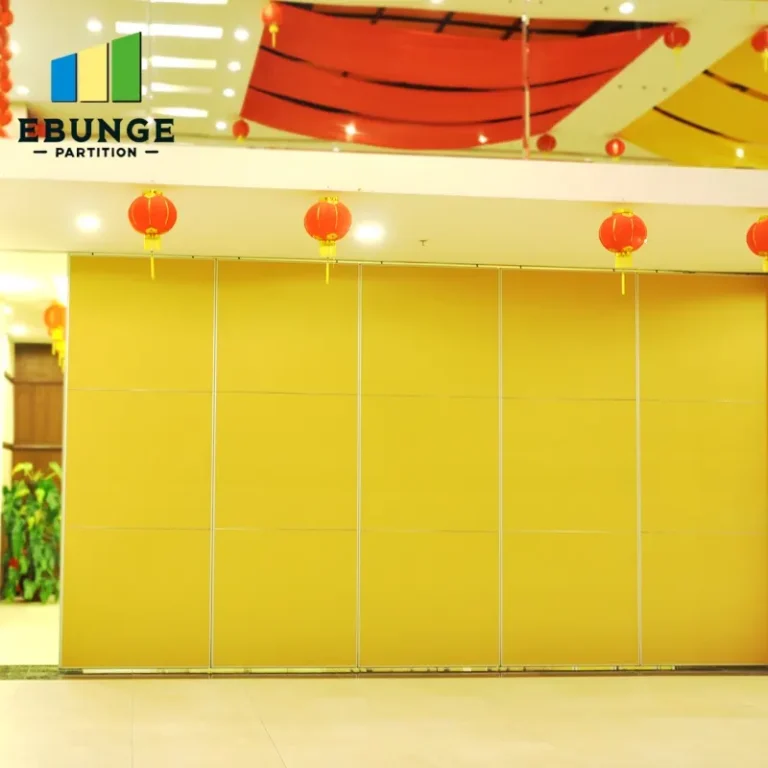
Need help turning the community operable wall maintenance requirements into a practical project layout?
Key Maintenance Considerations Before You Buy
Before you sign a contract, consider these maintenance-related factors:
- Warranty coverage: What does the warranty include? Does it cover labor, parts, and travel for the first year? What is the warranty length for the track, panels, and acoustic seals?
- Maintenance frequency: Ask for a recommended schedule. Some systems need quarterly checks, others annual. For a community center, a semi-annual inspection might be wise.
- Cost of maintenance: Get a cost estimate for annual inspections and typical repairs. This helps you budget.
- Who performs maintenance: Can your staff handle it, or does the supplier offer a service contract? If so, what is the response time?
- Availability of replacement parts: How quickly can you get a new seal or a wheel? Are parts stocked locally or shipped from overseas?
- Impact on daily operations: How long does a typical repair take? Will the wall be out of service for a day or a week?
- Safety compliance: Ensure the wall meets all applicable building codes and safety standards. Check that the top-hung track has a secure locking mechanism.
- Acoustical performance degradation: Over time, seals compress and gaps appear, reducing sound insulation. What is the expected performance loss over 10 years?
- Longevity of the wall: What is the expected lifespan of the system? Look for durable materials like steel frames and heavy-duty fabric.
- Manufacturer support: Is the supplier easy to reach? Do they provide clear documentation and responsive customer service?
Planning for Maintenance: A Pre-Purchase Checklist
Use this checklist when comparing suppliers and preparing for your project:
| Checklist Item | Why It Matters | Where to Confirm |
|---|---|---|
| Request a maintenance manual | Provides instructions for daily and periodic care | Supplier |
| Identify spare parts list | Know which parts are likely to wear and need replacement | Supplier documentation |
| Confirm warranty terms | Understand what is covered and for how long | Contract |
| Plan for staff training | Ensure your team can operate and troubleshoot the wall | Supplier training session |
| Set a maintenance schedule | Prevent small issues from becoming big problems | Maintenance plan |
| Budget for annual service | Avoid surprise costs | Quotation |
Top-Hung Track Systems: Maintenance Advantages
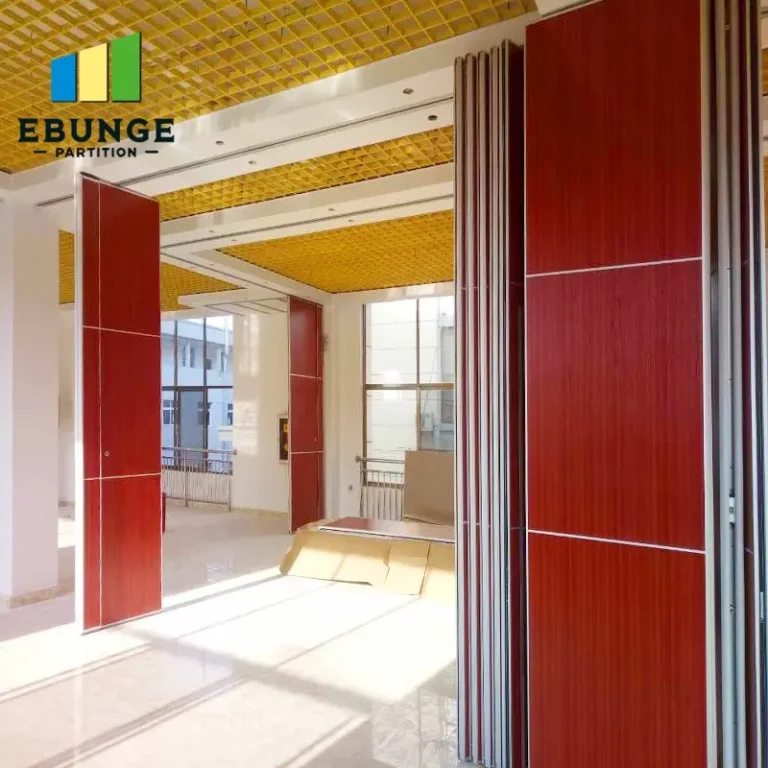
A top-hung track system, where the wall hangs from an overhead track and has no floor rail, offers several maintenance benefits for a community center. First, the floor area remains clear, making cleaning easier and reducing trip hazards. Second, the track is less likely to be damaged by carts or heavy foot traffic. Third, the absence of a floor guide means fewer parts to break or misalign. However, the track and trolleys still require regular inspection to ensure smooth operation. Lubrication of moving parts, checking for wear on wheels, and verifying the alignment of panels are essential tasks.
When you request a quotation, ask about the track material (e.g., steel or aluminum) and the type of trolley system. A robust top-hung system can handle frequent use, but only if it is properly maintained. Your supplier should provide a clear guide on what to check every month, quarter, and year.
Acoustic Performance and Maintenance
The acoustic seals are the most vulnerable part of an operable wall. Over time, they can compress, crack, or peel, reducing the sound insulation between rooms. In a community center, where multiple activities may occur simultaneously, maintaining acoustic performance is crucial. Regular inspection of the perimeter seals and the bottom seal (if any) is necessary. If you notice gaps or light passing through, it’s time to replace the seals. This is a simple, cost-effective repair that your facilities team can often do with minimal training.
To preserve acoustic performance, avoid dragging the wall across the floor—always use the proper lifting mechanism. Also, ensure that the wall is fully sealed when closed. If you have questions about acoustic performance degradation, ask your supplier for data on seal longevity and replacement intervals.
Share the opening, drawings, finish direction, and privacy target for a project-specific review.
Daily Operation Tips to Reduce Wear
Your staff and users can help extend the life of your operable wall with simple habits:
- Always use the designated handles or pulls to move the wall.
- Do not force the wall; if it seems stuck, check for obstructions.
- Keep the track area free of dust and debris.
- Close the wall gently and engage the locking mechanism securely.
- Report any unusual noises or resistance immediately.
These practices reduce the frequency of repairs and keep the wall functioning smoothly. Include these tips in a quick reference card for your staff.
How to Prepare for a Supplier Inquiry
To get an accurate quotation and maintenance plan, you need to provide the supplier with specific information. Prepare the following details:
- Opening size: The width and height of the opening you need to fill.
- Drawings: Architectural or structural drawings showing the ceiling and floor conditions.
- Acoustic target: The desired sound transmission class (STC) rating for your spaces.
- Finish preference: Whether you need a tackable surface, whiteboard, or a specific color.
- Project location: The site address and delivery constraints (e.g., loading dock access).
By sharing these details, you enable the supplier to recommend the right system and provide a realistic maintenance schedule. A reputable supplier will also ask about your usage patterns and expected frequency of operation.
Building a Maintenance Partnership
Your relationship with the supplier does not end after installation. For long-term success, establish a clear communication channel. Ask if they offer a preventive maintenance program. If not, request a list of recommended service providers in your area. Also, keep all documentation—manuals, warranties, and service records—in a central file. This will be invaluable for future repairs and for training new staff.
Consider scheduling an annual inspection with the supplier or a certified technician. This proactive approach can catch issues early, saving you money and preventing downtime. Remember, a community operable wall is an investment; regular maintenance protects that investment.
Frequently Asked Questions
How often should an operable wall in a community center be serviced?
It depends on usage. For daily use, a professional inspection every six months is recommended. Your supplier can advise based on your specific system.
Can our maintenance staff handle repairs, or do we need a specialist?
Minor tasks like replacing seals or adjusting stops can be done by your staff after training. Major issues, such as track misalignment, should be handled by a qualified technician.
What is the typical lifespan of an operable wall?
With proper maintenance, a quality operable wall can last 20 years or more. Regular care of the track, trolleys, and seals is key.
Are replacement parts readily available?
Most suppliers stock common parts like seals and wheels. Custom components may take longer. Ask your supplier about their parts availability before purchase.
Does the warranty cover maintenance?
Warranties typically cover defects in materials and workmanship, not routine maintenance. Read your warranty carefully and ask questions.
How can we minimize acoustical performance loss over time?
Regularly inspect and replace seals, ensure proper closure, and avoid damage to panels. Following the supplier’s maintenance guide is essential.
Conclusion: Make Maintenance a Priority
Choosing the right operable wall for your community center is a balance of performance, cost, and maintainability. By focusing on community operable wall maintenance from the start, you can avoid common pitfalls and ensure your investment serves your community for years. Remember to ask detailed questions, request documentation, and plan for ongoing care. For more insights, explore our movable partition wall resources or read about maintenance best practices. When you are ready, contact us to discuss your project specifics.
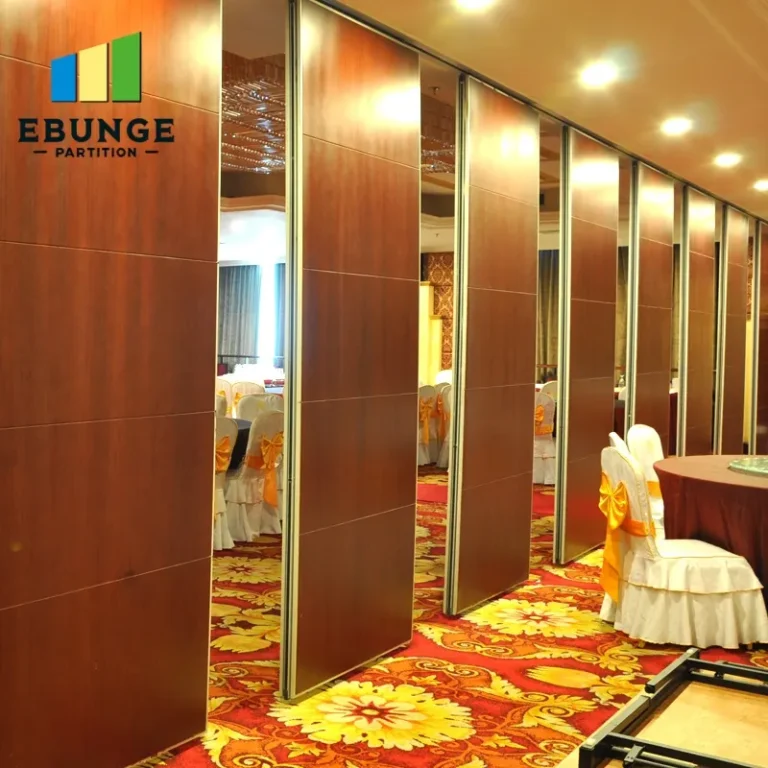
For this buyer review, community operable wall maintenance should be checked against the confirmed opening, drawings, operating plan, and project specification.
Send the opening size and drawings to discuss a differentiated community operable wall maintenance solution.