
When you manage a hotel, the conference room is a revenue center. But a sliding partition that fails during a high-profile event can damage your reputation. Evaluating conference room sliding partition maintenance is not just about fixing panels; it is about protecting your investment and ensuring uninterrupted operations. As a buyer, you need a clear framework to assess maintenance requirements, compare supplier capabilities, and make a confident purchasing decision. This guide is designed to help you navigate the technicalities, ask the right questions, and prepare for a successful project quotation.
Direct answer: To evaluate conference room sliding partition maintenance, focus on the system’s design (top-hung track without floor rail), component durability (trolleys, seals, panels), warranty terms, spare parts availability, and the supplier’s service response time. Request documented maintenance schedules, replacement part lists, and a clear service contract that outlines costs and responsibilities. Prioritize systems that offer easy access to components and minimal downtime during repairs.
Conference Room Sliding Partition Maintenance: Why Maintenance Should Be a Core Criterion in Your Purchase Decision
Many buyers focus on aesthetics and acoustic performance, but maintenance is the key to long-term satisfaction. A movable partition wall that is difficult or expensive to maintain can become a financial drain and a source of operational headaches. For a hotel, every hour of downtime in a conference room is lost revenue. Therefore, when evaluating proposals, you must consider how each system’s maintenance requirements align with your facility’s usage patterns and your staff’s capabilities.
Moreover, maintenance is not just about fixing breakdowns; it is about preventive care. A well-maintained operable wall system can last for decades, while a neglected one may need premature replacement. Your evaluation should include a realistic assessment of the maintenance frequency, the complexity of tasks, and the cost of consumables or spare parts.
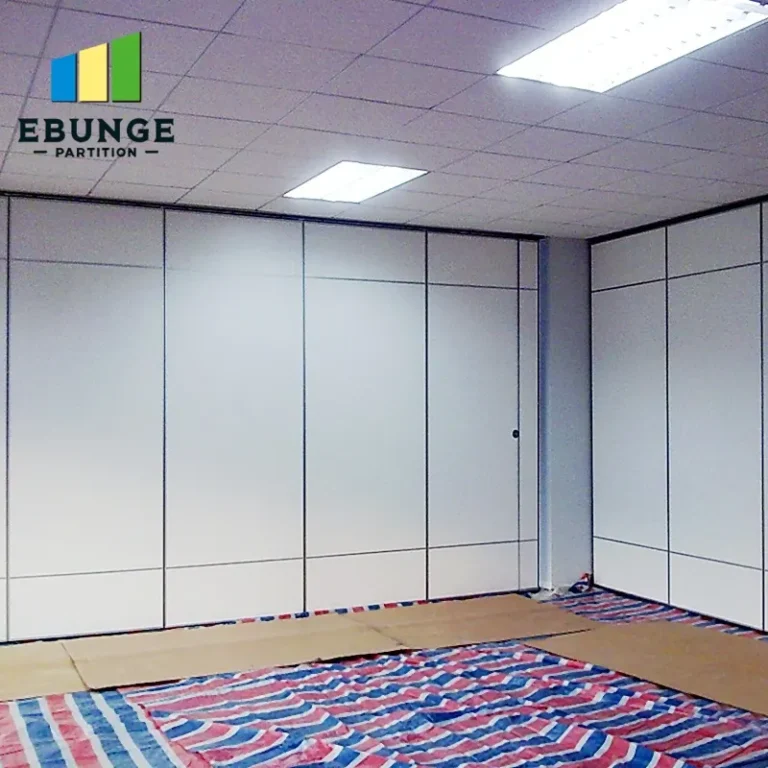
Need help turning the conference room sliding partition maintenance requirements into a practical project layout?
Key Maintenance Components to Scrutinize
To effectively evaluate conference room sliding partition maintenance, you need to understand the critical components that require attention. These include:
- Track and Trolleys: The top-hung track system is the heart of the partition. Inspect the track material (typically aluminum or steel), the trolley wheel quality, and whether they are sealed to prevent dust ingress. Ask about the recommended lubrication schedule and the expected lifespan of trolleys.
- Seals and Gaskets: Acoustic partition solutions rely on perimeter seals (top, bottom, and vertical) to block sound. These rubber or brush seals wear over time. Check if they are replaceable and how often they need replacement based on usage.
- Panels and Hinges: The panels themselves, whether glass, wood, or other materials, may require refinishing or repair. Hinges and pivot points need regular inspection for wear and tear.
- Drive Mechanism: If the partition is motorized, the motor and its components (belts, gears, sensors) require periodic servicing. Ensure the supplier provides clear guidelines for motor maintenance and safety checks.
How to Assess Maintenance Frequency and Durability
Maintenance frequency depends on usage intensity. A hotel conference room that hosts daily events will need more frequent checks than a corporate office that uses the partition occasionally. When discussing with suppliers, ask for a recommended maintenance schedule based on average weekly use. For instance, a daily-use partition might require monthly visual inspections, quarterly lubrication, and annual professional servicing.
Durability is linked to the quality of components. High-grade steel trolleys with nylon wheels, for example, are generally more durable and quieter than lower-cost alternatives. Ask for material specifications and test data (e.g., cycle testing) but remember that independent certifications should be verified. Do not rely solely on marketing claims; request documented evidence.
Also, consider the modularity of the system. A custom movable wall that allows easy replacement of individual panels or seals without dismantling the entire partition will reduce downtime and maintenance complexity.
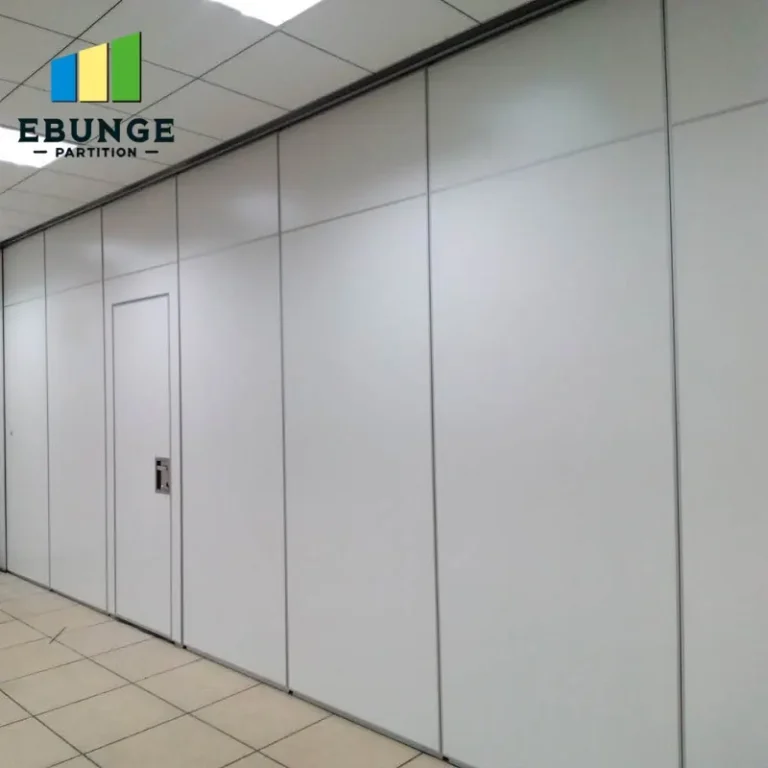
Warranty Coverage and Spare Parts Availability
Warranty terms are a critical aspect of conference room sliding partition maintenance. Scrutinize what is covered: parts, labor, travel? For how long? Are there exclusions like wear-and-tear items (seals, trolleys)? A typical warranty might cover 2-5 years for mechanical components, but the specifics vary. Ensure you get the warranty in writing and understand the claim process.
Spare parts availability is equally important. Ask the supplier how long they guarantee the availability of spare parts for the model you purchase. Some suppliers offer parts for 10-15 years after discontinuation. Also, ask about lead times for critical parts like trolleys or seals. In a hotel, a part that takes weeks to ship could leave you with a nonfunctional partition for an extended period.
Cost of Maintenance Contracts and Hidden Fees
Many suppliers offer maintenance contracts, but these can vary significantly in scope and price. Compare what is included: preventive maintenance visits, emergency call-outs, labor, and parts. Ask about the response time for emergency repairs and whether there are additional charges for after-hours service.
Be aware of hidden fees. Some contracts may exclude consumables like lubricants or seals, or they may have a minimum contract term that locks you in. Get a detailed breakdown of costs and clarify what is not covered. Also, consider whether your in-house maintenance team can handle basic tasks, which might reduce the need for a full-service contract.
Impact on Guest Experience and Downtime During Repairs
In a hotel, any maintenance activity that affects the conference room can impact guest experience. Evaluate how the partition system is designed for maintenance. For example, can repairs be done from one side without blocking the entire room? Are there access panels that allow quick servicing?
Downtime is inevitable, but its duration can be minimized. Ask the supplier about typical repair times for common issues. Also, consider the availability of a spare partition or temporary solutions. In practice, a top-hung track system with no floor rail often allows for easier access to the bottom seal, reducing the time needed for adjustments.
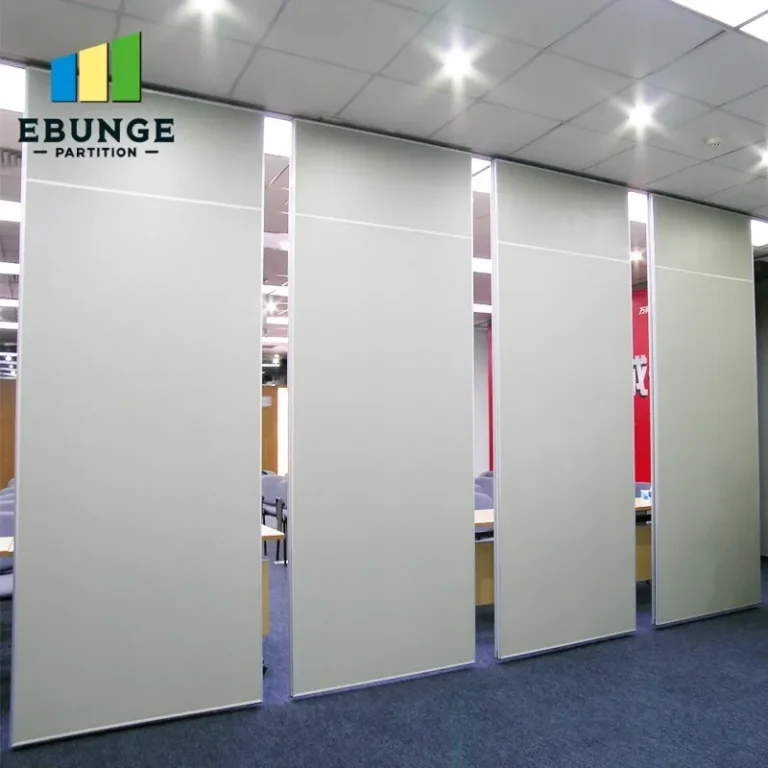
Share the opening, drawings, finish direction, and privacy target for a project-specific review.
Compliance with Safety Standards and Inspection Protocols
Safety is non-negotiable. Your movable partition wall must comply with relevant building codes and safety standards, especially in a public building like a hotel. Ask the supplier for evidence of compliance, such as test reports for fire resistance, acoustic performance, and structural safety. Also, inquire about the inspection protocols required to maintain compliance. For instance, some systems need annual safety checks on the track and trolleys to ensure they are within operational limits.
Your maintenance plan should include regular safety inspections, and you should keep records of these inspections for liability purposes. Ensure that the supplier provides clear instructions for these checks or includes them in the maintenance contract.
Practical Checklist for Evaluating Maintenance Proposals
To streamline your evaluation, use this checklist when comparing supplier proposals:
| Criteria | Questions to Ask | Notes |
|---|---|---|
| Track System | Is it top-hung without floor rail? What is the track material and trolley quality? | Top-hung systems reduce floor obstructions and are easier to clean. |
| Seal Replacement | How often do seals need replacing? Are they standard sizes? | Seals wear faster with frequent use; consider stocking spares. |
| Warranty | What is covered? Duration? Exclusions? | Get everything in writing. |
| Spare Parts | How long will parts be available? Lead times? | Critical for minimizing downtime. |
| Maintenance Contract | What is included? Response time? Costs? | Compare at least two options. |
| Safety Compliance | Does the system meet local codes? What inspections are needed? | Request documentation. |
Preparing for Your Quotation: Information to Share
To get accurate maintenance-related quotes, you must provide specific project details. A reputable supplier will ask for:
- Opening size: Width and height of the opening to be divided.
- Drawings: Architectural drawings showing the space, ceiling structure, and any obstructions.
- Acoustic target: The desired sound insulation level (e.g., STC rating) based on your event types.
- Finish preference: The surface material (e.g., laminate, veneer, fabric) and color.
- Project location: The site address, which affects logistics and service response times.
Sharing this information early ensures that the supplier can propose a system with appropriate maintenance features and provide a realistic service plan.
Frequently Asked Questions
How often should conference room sliding partitions be serviced?
For typical hotel usage (daily to weekly events), a professional service every 6 to 12 months is recommended. However, the exact frequency depends on usage, environment, and manufacturer guidelines. Always follow the supplier’s maintenance schedule and document each service.
What is the typical lifespan of a movable partition wall?
With proper maintenance, a high-quality operable wall system can last 20 to 30 years. The lifespan is influenced by component quality, frequency of use, and adherence to maintenance schedules. Regular inspections can identify wear early and extend the system’s life.
Are spare parts readily available for older models?
Reputable manufacturers often keep spare parts for 10-15 years after a model is discontinued. It is essential to confirm this with your supplier and possibly stock critical consumables like seals and trolleys to minimize downtime.
Can maintenance be performed in-house?
Basic tasks like cleaning and visual inspections can be done by your facility team. However, adjustments to trolleys, seals, or motors should be performed by trained technicians to avoid damage. A hybrid approach—in-house for routine checks, professional for annual servicing—can be cost-effective.
What should I look for in a maintenance contract?
Look for clear definitions of included services, response times, and exclusions. Ensure that the contract covers preventive maintenance, emergency call-outs, and parts replacement. Compare costs and scope from multiple suppliers to make an informed decision.
Conclusion: Making a Confident, Maintenance-Savvy Choice
Evaluating conference room sliding partition maintenance is a multi-faceted process that requires careful consideration of technical specifications, service support, and lifecycle costs. By focusing on the key components, warranty terms, spare parts availability, and safety compliance, you can select a system that not only meets your acoustic and aesthetic needs but also remains reliable for years. Remember to share your project details with suppliers to receive accurate quotations and maintenance plans. With the right approach, you can ensure that your conference room partition is an asset, not a liability.
For more insights on movable partition walls, explore our blog for technical articles and case studies. If you have specific questions about maintenance best practices, or if you are ready to discuss your project, contact our team for expert guidance. We are here to help you navigate the complexities of your project.
For this buyer review, conference room sliding partition maintenance should be checked against the confirmed opening, drawings, operating plan, and project specification.
Send the opening size and drawings to discuss a differentiated conference room sliding partition maintenance solution.