
When you are responsible for specifying operable walls for a community center, the selection process goes far beyond comparing brochures. You need a community operable wall supplier who understands the unique demands of public buildings: high traffic, acoustic privacy, durability, and compliance. This article is written for interior designers and specifiers who need practical guidance for shortlisting suppliers, preparing inquiries, and making confident decisions. We focus on what matters before you request a quote, so you can streamline your project and avoid costly misunderstandings.
Direct answer: To shortlist a community operable wall supplier, first define your project’s technical requirements (acoustic target, opening sizes, fire ratings, and finish preferences), then evaluate suppliers based on their ability to provide custom engineering, top-hung track systems without floor rails, and clear documentation. Prepare a detailed inquiry with drawings and specifications, and use a structured checklist to compare quotations.
Why Community Centers Demand a Different Approach to Operable Walls
Community centers are not typical office spaces. They host diverse activities, from town hall meetings to dance classes, which means the operable wall system must deliver reliable acoustic separation and withstand constant use. Unlike corporate environments, community centers often have larger openings, uneven floors, and strict budget constraints. A movable partition wall for a community center must be robust, easy to operate, and maintainable over decades. This is why you need a supplier who specializes in custom solutions, not just a manufacturer of standard panels.
When you start your search, remember that the cheapest quote is rarely the most cost-effective. Focus on total cost of ownership, including installation, maintenance, and potential downtime. A supplier who offers design flexibility and technical support can save you significant time and money in the long run.
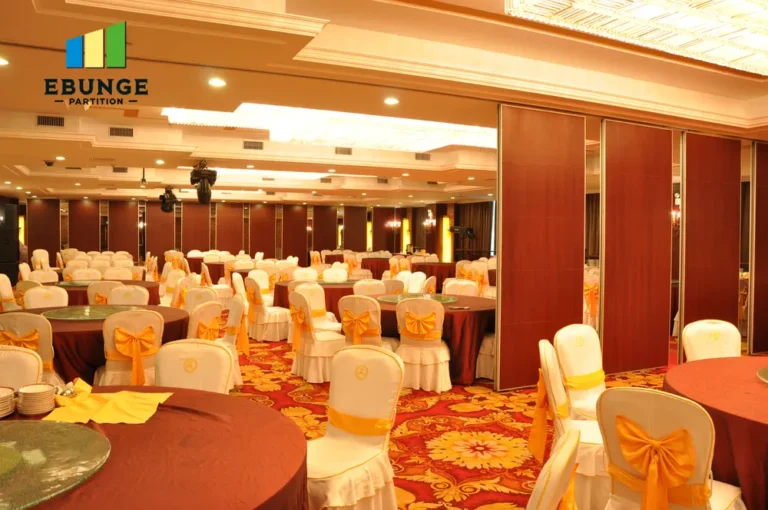
Need help turning the community operable wall supplier requirements into a practical project layout?
Key Technical Requirements to Define Before Contacting Suppliers
Before you reach out to any community operable wall supplier, you must have a clear picture of your project’s technical needs. This ensures that you receive accurate quotations and comparable proposals. Here are the essential elements to define:
- Acoustic Performance: Determine the required sound transmission class (STC) or weighted sound reduction index (Rw) for each partition. For community centers, typical targets range from STC 40 to STC 50, but this depends on the adjacent activities. Confirm the exact requirement with an acoustic consultant.
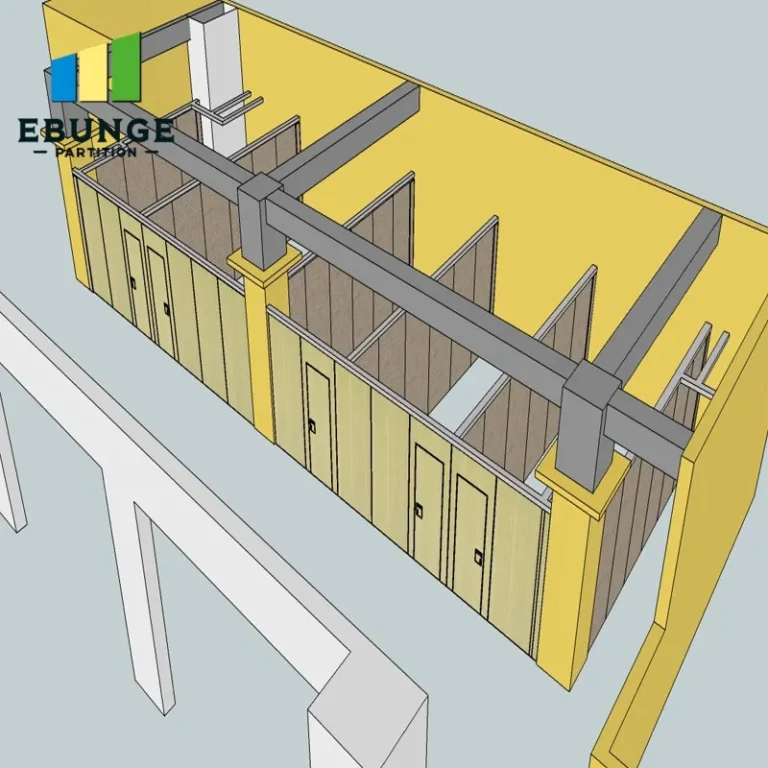
- Opening Sizes and Configuration: Measure the width and height of each opening. Note any obstructions, such as columns or ceiling features. Also, decide whether you need straight runs, curved tracks, or multi-directional stacking.
- Fire and Building Codes: Check local building codes for fire resistance ratings and egress requirements. Operable walls may need to meet specific fire ratings, especially in public buildings. Ensure the supplier can provide documentation for compliance.
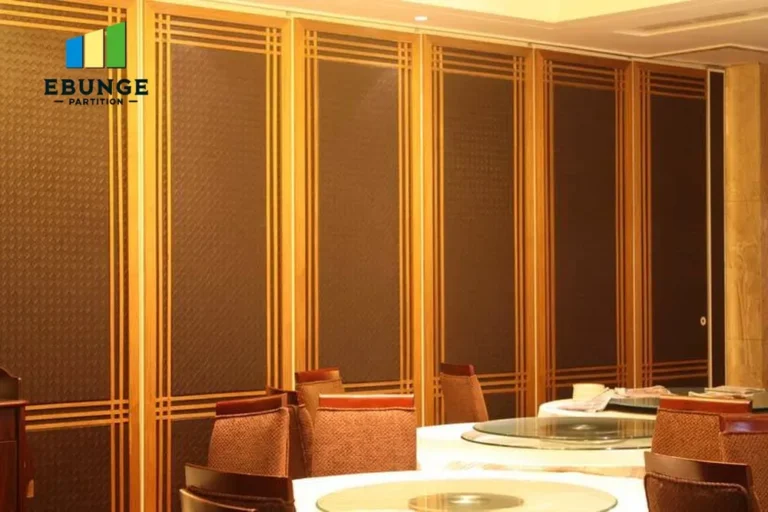
- Finish and Aesthetics: Choose finishes that match the interior design, such as tackable surfaces, whiteboard panels, or wood veneers. Consider durability and ease of cleaning in high-traffic areas.
- Operation and Storage: Decide how the panels will be stored when not in use. Top-hung track systems allow for stacking in a pocket or against a wall. Consider the available space and the ease of operation for staff.
Having this information ready will help you communicate effectively with suppliers and receive tailored advice.
What to Look for in a Community Operable Wall Supplier
Not all suppliers are created equal, and for a community center, you need a partner who can deliver on customization and reliability. Here are the key attributes to evaluate:
Customization Support
Every community center has unique dimensions and design requirements. A supplier that offers custom-made panels, tailored track systems, and flexible finishes is essential. They should be able to work with your drawings and provide engineering support for non-standard configurations.
Top-Hung Track System Without Floor Rail
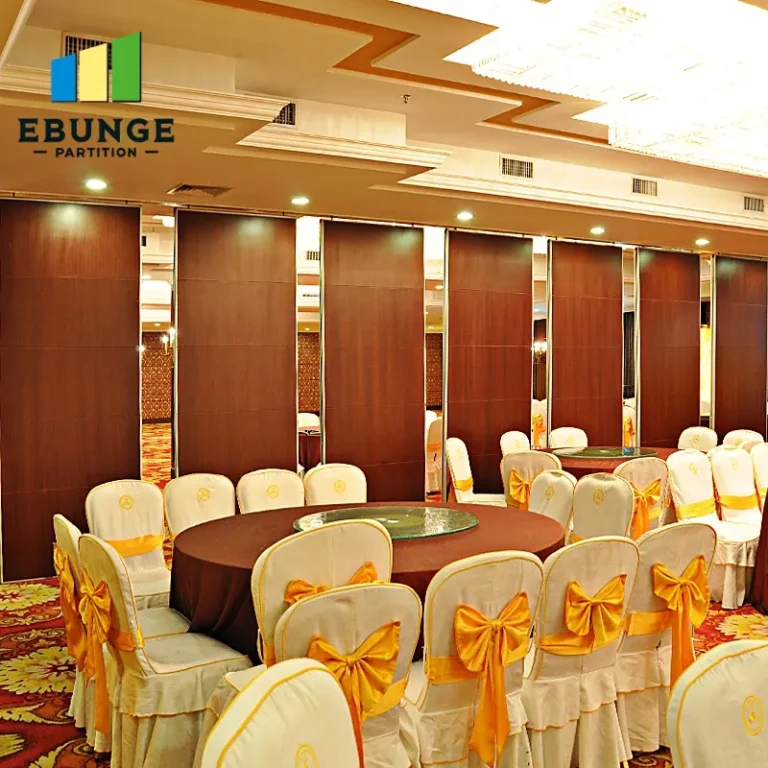
For high-traffic public spaces, a top-hung track system is ideal because it eliminates the floor rail, which can be a trip hazard and a maintenance issue. This system also allows for easier cleaning and smoother movement. Ensure the supplier has experience with this type of installation.
Technical Documentation and Support
A reliable supplier will provide detailed technical drawings, installation manuals, and maintenance guidelines. They should also offer support during installation and be responsive to your questions. This is critical for avoiding delays and ensuring the system performs as expected.
When you evaluate suppliers, ask for references from similar projects, especially community centers or public buildings. Follow up with those references to learn about their experience with the supplier’s reliability and post-installation service.
Preparing an Inquiry That Gets Accurate Quotes
To get the most useful quotations, you need to provide suppliers with comprehensive information. A vague inquiry will result in vague pricing and may lead to misunderstandings. Here is what to include in your request for quotation (RFQ):
- Project Overview: Describe the community center, its purpose, and the specific areas where the operable walls will be installed.
- Drawings and Dimensions: Provide architectural drawings with exact opening sizes, ceiling heights, and any structural constraints. If possible, share CAD files.
- Acoustic Targets: State the required STC or Rw rating for each partition. If you are unsure, ask the supplier for guidance, but having a target helps in comparison.
- Finish Preferences: Specify the desired finish, color, and any special features like tackability or magnetic surfaces.
- Project Location and Timeline: Include the site address and your expected installation timeline. This helps the supplier assess logistics and lead times.
- Compliance Requirements: Mention any local building codes or fire safety regulations that apply.
By providing this information, you demonstrate that you are a serious buyer, which often results in more attentive service and accurate pricing.
Share the opening, drawings, finish direction, and privacy target for a project-specific review.
Evaluating Quotations: A Practical Checklist
When you receive quotations, use a structured approach to compare them fairly. Here is a checklist that covers the essential aspects:
| Criteria | What to Check |
|---|---|
| Acoustic Performance | Does the quote specify the exact STC/Rw rating? Is it certified by a recognized laboratory? |
| Durability | What materials are used? Are the panels designed for high-frequency use? What is the warranty on mechanical parts? |
| Compliance | Does the supplier provide documentation for fire ratings, building codes, and safety standards? |
| Installation Timeline | What is the estimated lead time? Does it align with your project schedule? |
| Maintenance Requirements | What maintenance is required? Are replacement parts readily available? |
| Warranty Terms | What does the warranty cover? How long is it? Are there any exclusions? |
| Total Cost of Ownership | Consider not just the initial price but also installation, maintenance, and potential energy costs. |
| Design Flexibility | Can the supplier accommodate custom sizes, finishes, or configurations? Are there additional costs? |
Use this checklist to create a scoring matrix that weighs the factors most important to your project.
Common Pitfalls to Avoid When Choosing a Supplier
Even experienced designers can make mistakes when selecting a community operable wall supplier. Here are some pitfalls to avoid:
- Focusing Only on Price: The lowest bid may lack essential features or support, leading to higher costs later.
- Ignoring Acoustic Test Data: Some suppliers may provide estimated ratings. Insist on actual test reports from accredited labs.
- Overlooking Installation Logistics: For overseas suppliers, consider shipping costs, customs, and potential delays. Ensure they have a local distributor or installation partner if needed.
- Skipping Reference Checks: Talk to past clients to gauge the supplier’s reliability and responsiveness.
- Not Clarifying Warranty Terms: Understand what is covered and for how long. Some warranties may not cover wear and tear in public spaces.
By being aware of these pitfalls, you can make a more informed decision.
How We Support Your Community Center Project
As a manufacturer of movable partition walls, we specialize in custom solutions for community centers. Our top-hung track system eliminates the floor rail, making it safer and easier to maintain. We work closely with designers to ensure that every aspect of the operable wall system meets your project’s requirements. From initial consultation to installation guidance, we provide the support you need. To learn more about our movable partition wall solutions, visit our movable partition wall page. For insights and tips, check our blog. If you are ready to discuss your project, contact us.
Frequently Asked Questions
What is the typical lead time for a custom operable wall order?
Lead times vary based on the complexity of the project, the number of panels, and the current production schedule. For a community center, we recommend allowing 8-12 weeks from order confirmation to delivery. However, this is an estimate; exact timelines should be confirmed with the supplier during the quotation phase.
Can operable walls meet high acoustic ratings for community centers?
Yes, operable walls can achieve high acoustic ratings, but the actual performance depends on the design, materials, and installation quality. For community centers, typical targets are STC 40-50. Always request certified test data from the supplier to verify the rating.
Do operable walls require special maintenance?
Operable walls require periodic maintenance, such as checking track alignment, lubricating moving parts, and inspecting seals. A top-hung track system reduces maintenance compared to floor rail systems. The supplier should provide a maintenance manual and recommend a schedule.
How do I ensure the operable wall complies with building codes?
You should work with a supplier who understands local building codes and can provide documentation for fire ratings, egress, and safety. Provide your project’s location and any relevant code requirements to the supplier so they can advise accordingly.
Can I get a sample or mock-up before ordering?
Many suppliers offer samples of finishes or small mock-ups. For a community center, a full-scale mock-up may be beneficial to test acoustics and operation. Discuss this with the supplier early in the process.
Conclusion: Making an Informed Choice
Selecting the right community operable wall supplier is a critical decision that impacts the functionality and longevity of your space. By defining your technical requirements, preparing a detailed inquiry, and evaluating suppliers against a structured checklist, you can make a confident choice. Remember to prioritize reliability, customization support, and clear communication. A top-hung track system without floor rail is a wise choice for high-traffic areas, and a supplier who offers comprehensive support will help ensure a smooth installation. For more information on how we can assist with your community center project, explore our resources or reach out to our team.
Send the opening size and drawings to discuss a differentiated community operable wall supplier solution.