
When planning an exhibition hall, the choice of a movable partition manufacturer can determine how flexibly the space adapts to different events, crowds, and layouts. As an architect, you need more than a product catalog; you need a supplier who understands project-specific requirements, communicates clearly, and delivers on time. This guide focuses on the practical aspects of comparing manufacturers, from qualification checks to quotation readiness, helping you make an informed decision for your next exhibition hall project.
Direct answer: To compare movable partition manufacturer options for an exhibition hall, focus on their ability to provide custom solutions, transparent technical documentation, and reliable project support. Request detailed quotations based on your specific opening sizes, acoustic targets, and finish preferences. Verify their experience with top-hung track systems, their compliance with relevant building codes, and their track record for overseas delivery.
Why the Manufacturer Choice Matters for Exhibition Halls
Exhibition halls are dynamic environments. They host trade shows, conferences, and private events, often requiring quick reconfiguration of space. A movable partition wall system must be robust enough for frequent use, yet flexible enough to create varying room sizes. The manufacturer’s role extends beyond supplying panels; they provide engineering expertise, installation guidance, and after-sales support. A reliable supplier can help you avoid costly delays and ensure the operable wall system performs as expected.
One of the primary pain points architects face is supplier reliability. You need a partner who responds promptly, provides accurate information, and follows through on commitments. Customization support is equally vital, as exhibition halls often have non-standard dimensions, acoustic requirements, and aesthetic preferences. Finally, overseas delivery adds complexity: shipping costs, lead times, and import regulations must be managed efficiently. Therefore, evaluating a movable partition manufacturer on these criteria is essential.
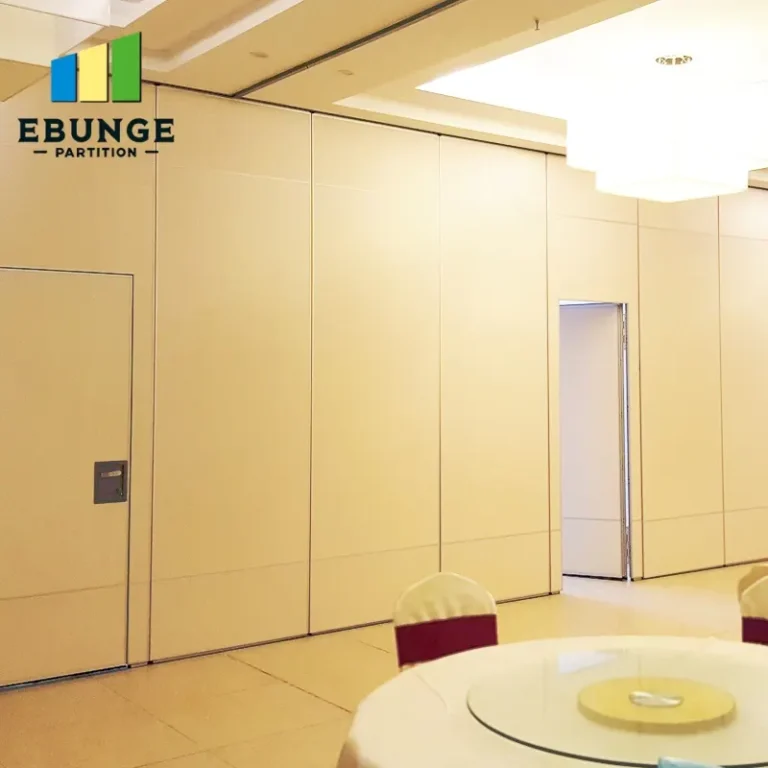
Need help turning the movable partition manufacturer requirements into a practical project layout?
Key Buyer Concerns When Selecting a Supplier
Your decision will be influenced by several factors, each critical to the project’s success:
- Product quality: Assess the materials, construction, and finish of the partition panels. Ask for samples or detailed specifications.
- Acoustic insulation performance: If sound control is a priority, request acoustic test data. Be cautious of claims without supporting evidence; ask for the testing standard and conditions.
- Durability: Exhibition halls see heavy traffic. Inquire about the wear resistance of panels, tracks, and hardware.
- Ease of installation: A top-hung track system without a floor rail is often preferred for its clean appearance and easier floor maintenance. Confirm the manufacturer’s installation process and whether they provide detailed drawings.
- Maintenance requirements: Understand what upkeep is needed for the moving parts and surfaces.
- Customization options: Can the manufacturer accommodate special sizes, shapes, or finishes? Are there restrictions?
- Lead time: Clarify production and delivery timelines, especially for overseas orders.
- Shipping costs: Get a clear breakdown of costs, including packaging, freight, and insurance.
- Warranty: What is covered, and for how long? Ensure the terms are in writing.
- Technical support: Will they assist with design, installation, and troubleshooting?
- Compliance with building codes: Verify that the system meets local regulations, such as fire safety and accessibility.
- Project management: Does the supplier offer coordination with other trades, or do they only supply the product?
These concerns should guide your questions during the inquiry phase. A professional manufacturer will welcome such scrutiny and provide transparent answers.
Preparing Your Quotation Request
To get accurate quotations, you must provide detailed information. The more specific you are, the more precise the response. Here is what to include:
- Opening size: Width, height, and number of openings. Also note any obstructions like columns or beams.
- Drawings: Architectural or shop drawings that show the partition locations and surrounding structures.
- Acoustic target: The desired sound insulation rating (e.g., STC or Rw) for each partition.
- Finish preference: Laminate, veneer, paint, or fabric. Include color codes if possible.
- Project location: The site address, which affects shipping costs and compliance requirements.
By providing this data, you enable the movable partition manufacturer to offer a tailored solution. It also helps you compare quotations fairly, as each will be based on the same specifications.
Evaluating Technical Capabilities
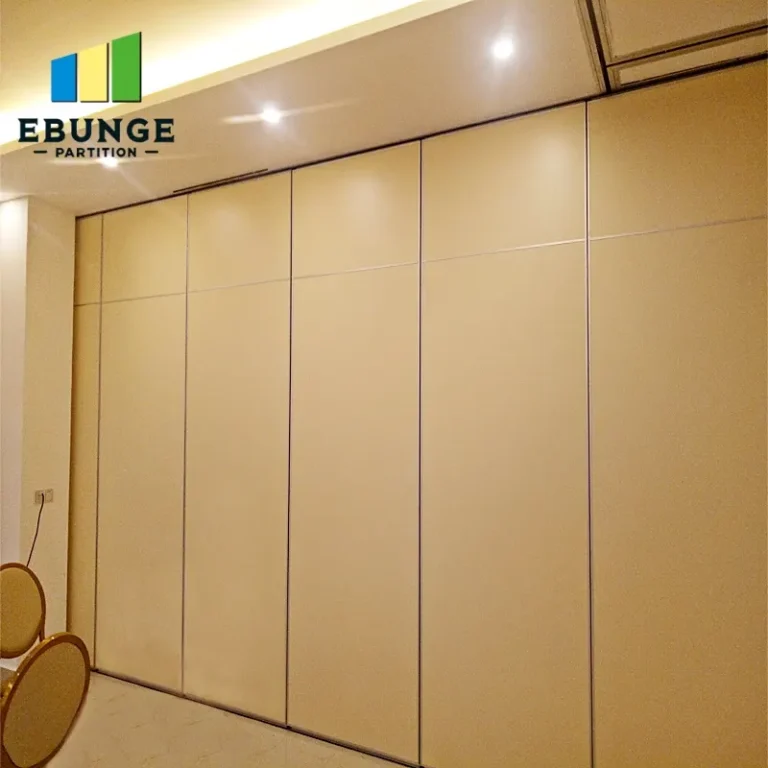
Not all movable partition systems are created equal. For exhibition halls, a top-hung track system is often recommended because it eliminates the floor rail, making the floor flush and easier to clean. When evaluating a manufacturer, ask about their track system’s load capacity, smoothness of operation, and safety features.
Acoustic performance is another key technical aspect. If your exhibition hall hosts events requiring sound isolation, you need panels with high acoustic ratings. However, be wary of manufacturers who quote impressive numbers without providing test reports. Insist on documentation from recognized laboratories.
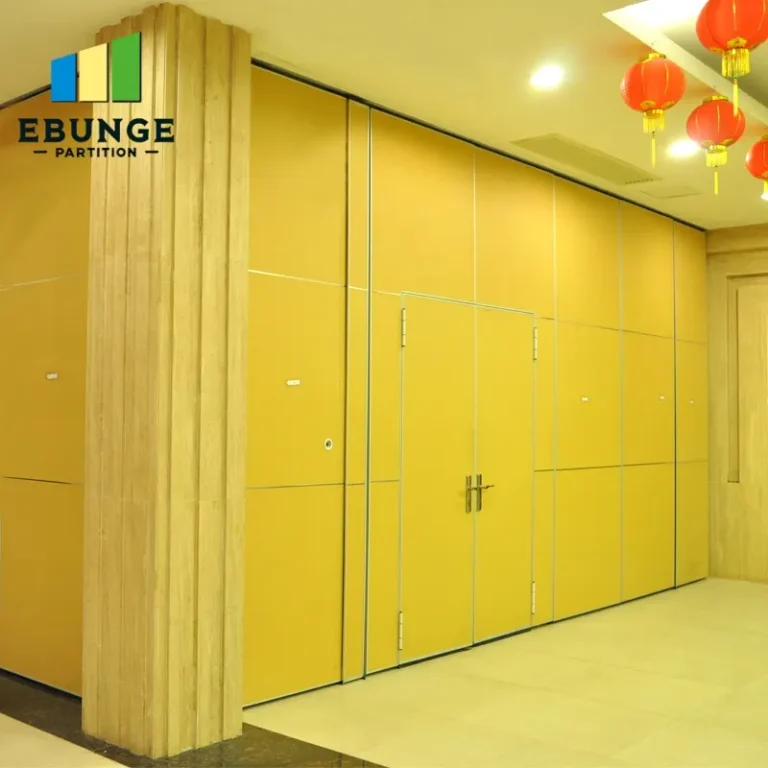
Customization support is also a technical consideration. Can the manufacturer produce panels with non-standard heights or widths? Can they integrate pass doors, glazing, or special seals? Their ability to adapt to your design will impact the final result.
Understanding the Role of Drawings and Installation Guidance
Detailed drawings are essential for accurate installation. A reputable manufacturer will provide layout drawings, section details, and installation instructions. They should also be available to answer questions during installation. This support is crucial, especially for overseas projects where on-site visits may be limited.
Share the opening, drawings, finish direction, and privacy target for a project-specific review.
Comparing Supplier Reliability and Support
Supplier reliability goes beyond product quality. It includes communication responsiveness, adherence to schedules, and after-sales service. Check references or seek testimonials from past clients, particularly those who have undertaken similar projects. Ask about their experience with overseas deliveries and how they handle customs, packaging, and potential damages.
Technical support is another differentiator. A manufacturer that offers design assistance, installation guidance, and troubleshooting can save you time and money. They should also be willing to collaborate with your project team to ensure a smooth workflow.
When comparing manufacturers, consider creating a scorecard based on your priorities. This will help you make an objective decision.
Checklist for Comparing Movable Partition Manufacturers
| Criterion | Questions to Ask | Why It Matters |
|---|---|---|
| Product quality | What materials are used? Can I see samples? | Ensures durability and aesthetics. |
| Acoustic performance | Do you have test reports? What standard? | Confirms sound insulation claims. |
| Customization | Can you handle non-standard sizes or finishes? | Adapts to specific design needs. |
| Lead time | What is your production and delivery schedule? | Helps plan project timeline. |
| Shipping costs | What is included in the freight quote? | Avoids unexpected expenses. |
| Warranty | What does the warranty cover? | Protects your investment. |
| Technical support | Do you provide installation guidance? | Ensures correct installation. |
| Compliance | Does your system meet local building codes? | Avoids legal issues. |
Inquiry Conversion: Turning Questions into Quotes
When you contact a movable partition manufacturer, be prepared to ask targeted questions that will help you evaluate their suitability. Here are some examples:
- Can you provide a detailed quotation based on the drawings I send?
- What is your typical lead time for production and delivery?
- Do you have experience with exhibition hall projects?
- How do you handle customs and shipping for overseas orders?
- What after-sales support do you offer?
These questions will not only get you the information you need but also reveal the manufacturer’s responsiveness and professionalism. A reliable supplier will answer promptly and thoroughly, demonstrating their commitment to customer service.
For further insights on movable partition systems, you can explore our movable partition wall resource, or check our blog for technical articles. If you need to discuss your project directly, feel free to contact us.
Conclusion: Making the Right Choice
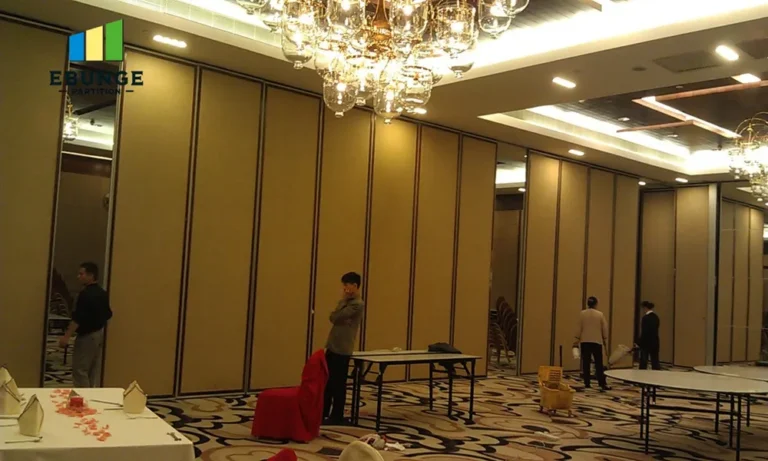
Choosing a movable partition manufacturer for your exhibition hall requires careful evaluation of technical capabilities, reliability, and support. By preparing a detailed inquiry, asking the right questions, and using a comparison checklist, you can select a partner who will deliver a high-quality operable wall system that meets your project’s needs. Remember to verify all claims with documentation and ensure that the manufacturer’s offerings align with your specific requirements.
Frequently Asked Questions
What information should I provide to get an accurate quote?
Provide the opening size, drawings, acoustic target, finish preference, and project location. This allows the manufacturer to tailor their quotation to your exact needs.
How can I verify a manufacturer’s acoustic performance claims?
Ask for acoustic test reports from recognized laboratories. These reports should specify the testing standard and conditions. Be cautious of claims without supporting documentation.
What are the benefits of a top-hung track system?
A top-hung track system eliminates the floor rail, providing a flush floor that is easier to clean and safer for foot traffic. It also allows for more flexible layout changes.
How do I ensure the partition system complies with building codes?
Ask the manufacturer if their system meets the relevant building codes for your project location. Request documentation or certificates that confirm compliance.
What should I consider for overseas delivery?
Clarify shipping costs, lead times, and packaging. Ask about the manufacturer’s experience with international shipments and how they handle customs and potential damages.
Send the opening size and drawings to discuss a differentiated movable partition manufacturer solution.