
When outfitting a training center with flexible spaces, the choice of a training center sliding partition supplier can determine whether your project stays on schedule, within budget, and meets acoustic and safety requirements. As a building material distributor, you need a partner who understands technical specifications, offers customization, and ensures reliable overseas delivery. This article provides a practical framework for evaluating suppliers, preparing inquiries, and avoiding common pitfalls.
Direct answer: To select a training center sliding partition supplier, verify their experience with movable partition walls in educational or corporate training environments, request documented acoustic test reports, confirm customization capabilities for finishes and sizes, check references for overseas projects, and ensure they provide detailed drawings and installation guidance. Always base decisions on project-specific specifications and written agreements.
Training Center Sliding Partition Supplier: Why Training Centers Need Specialized Partition Solutions
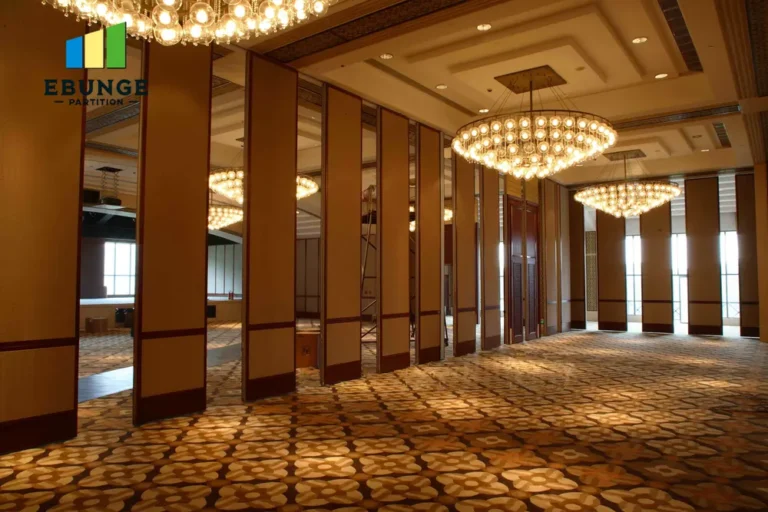
Training centers often require flexible room layouts for varying group sizes, workshops, and presentations. Unlike standard offices, these spaces demand frequent reconfiguration, sound isolation for simultaneous sessions, and durability against heavy use. A movable partition wall system must integrate with the building’s structure, HVAC, and lighting, which is why a supplier with project-specific engineering support is essential.
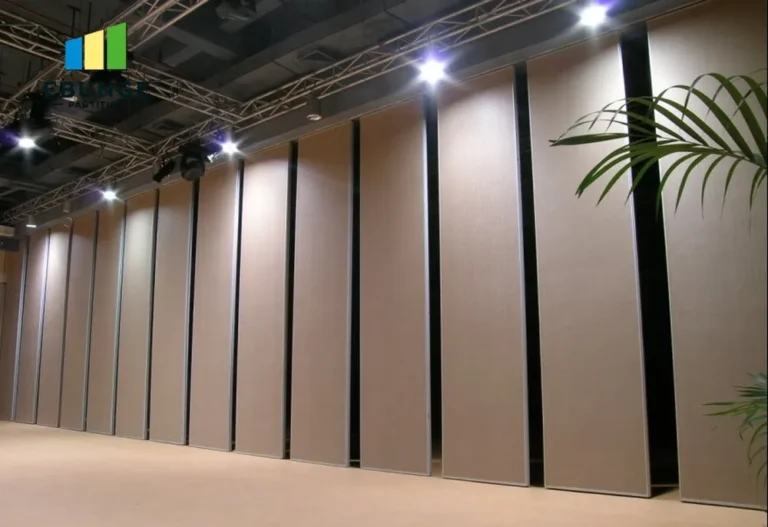
An operable wall system for a training center typically uses a top-hung track system, allowing panels to glide smoothly without floor rails. This design simplifies cleaning, reduces trip hazards, and accommodates floor coverings. However, the track must be engineered for the ceiling structure, and the panels must be sized to fit the opening precisely. A supplier that offers custom movable wall solutions can adapt to non-standard openings and acoustic requirements.
Need help turning the training center sliding partition supplier requirements into a practical project layout?
Key Criteria for Evaluating Suppliers
Before contacting suppliers, establish your evaluation criteria. Consider the following aspects:
- Experience: Look for suppliers with completed projects in training centers, educational facilities, or similar environments.
- Product Range: Ensure they offer movable partition walls with various panel thicknesses, finishes, and acoustic ratings.
- Customization: Confirm they can produce custom sizes, integrate glass panels, or match specific finishes.
- Technical Support: Assess their ability to provide detailed drawings, installation guidance, and after-sales support.
- Delivery and Logistics: For overseas orders, check their experience with international shipping, lead times, and packaging.
Understanding Your Technical Requirements
To obtain accurate quotations, you must communicate your technical needs clearly. Start by measuring the opening size, ceiling height, and available wall space. Determine the desired acoustic performance, often expressed as Sound Transmission Class (STC) or Rw rating. For training centers, an acoustic partition solution with a rating of 45-50 dB is common, but this depends on the ambient noise and the level of privacy required.
Consider the frequency of operation. If the walls will be moved daily, opt for a top-hung track system with high-quality trolleys and seals. Also, specify the finish—whether you need whiteboard surfaces, tackable panels, or a particular wood grain. These choices affect cost and lead time.
Preparing a Detailed Inquiry for Suppliers
A well-prepared inquiry not only speeds up the quotation process but also signals that you are a serious buyer. Include the following information:
- Project location and building type (training center).
- Opening dimensions and number of units.
- Ceiling structure details (e.g., concrete slab, suspended ceiling).
- Acoustic target in dB.
- Finish preferences and any samples required.
- Installation timeline and expected project completion.
- Any special requirements like fire ratings or accessibility.
Share drawings or sketches if available. This allows the supplier to provide a more accurate quote and identify potential issues early.
Evaluating Quotations and Comparing Offers
When you receive quotations, compare them on more than just price. Look for transparency in what is included: panels, tracks, seals, hardware, installation, and delivery. Check if the quote specifies the acoustic performance and whether it references test reports. Ask about warranty terms and spare parts availability.
Create a comparison table to evaluate suppliers side by side:
| Criteria | Supplier A | Supplier B | Supplier C |
|---|---|---|---|
| Experience with training centers | Yes (5 projects) | No | Yes (2 projects) |
| Acoustic test report provided | Yes (Rw 50 dB) | No | Yes (Rw 48 dB) |
| Customization options | High | Limited | Medium |
| Lead time (weeks) | 8-10 | 6-8 | 10-12 |
| Warranty (years) | 5 | 2 | 3 |
| Installation support | Yes | No | Yes |
Note that this is a sample; actual data must come from supplier documentation.
Assessing Supplier Reliability and Support
Supplier reliability goes beyond the product. Check their communication responsiveness, willingness to answer technical questions, and ability to provide references. Ask for contact details of past clients, especially those with overseas projects. Inquire about after-sales service: Do they offer replacement parts? Is there a local agent or support team?
For overseas delivery, discuss packaging standards, shipping methods, and insurance. Confirm that the supplier has experience with export documentation and customs clearance. A reliable supplier will provide a detailed delivery schedule and keep you informed of any delays.
Share the opening, drawings, finish direction, and privacy target for a project-specific review.
Acoustic Performance Verification
Acoustic performance is a critical factor for training centers. Do not rely solely on marketing claims. Request acoustic test reports from accredited laboratories. Verify that the test conditions match your application (e.g., similar panel size and construction). If possible, arrange for a mock-up or visit an installed project to hear the actual sound isolation.
Remember that acoustic performance depends on proper installation, including perimeter seals and floor guides (if used). A top-hung track system without a floor rail can achieve good acoustic ratings if the bottom seal is effective. Ask the supplier how they ensure the seal compresses correctly.
Installation and Maintenance Considerations
Installation complexity can affect your project timeline. Ask the supplier if they provide installation supervision or detailed instructions. For complex projects, consider hiring a certified installer. Clarify who is responsible for structural modifications to support the track weight.
Maintenance is another factor. Movable partition walls require periodic checks on tracks, trolleys, and seals. A good supplier will provide a maintenance checklist and recommend replacement intervals. This helps you plan for long-term costs.
Budgeting and Avoiding Cost Overruns
Budget overruns often arise from overlooked items: structural reinforcement, custom finishes, or additional acoustic seals. When reviewing quotes, ask for a breakdown of costs. Ensure that the quote includes all necessary components and that there are no hidden fees for engineering or drawings. Also, consider the cost of installation and any local permits.
To avoid surprises, define the scope clearly in your inquiry and request a fixed-price quotation. If changes are needed later, document them in writing and agree on cost adjustments beforehand.
Compliance with Building Codes and Standards
Ensure that the partition system complies with local building codes, fire safety regulations, and accessibility standards. Ask the supplier for relevant certificates, such as fire ratings or material certifications. For international projects, check that the supplier’s products meet the standards of the destination country. This may require additional testing or documentation.
Conclusion: Making the Right Choice
Selecting the right training center sliding partition supplier requires a balance of technical capability, customization support, and reliable delivery. By preparing a detailed inquiry, evaluating quotations against your criteria, and verifying acoustic performance, you can minimize risks and ensure a successful project. Remember to base all decisions on documented evidence and written agreements.
For more insights on movable partition walls and project coordination, explore our resources on movable partition walls and industry blogs. If you have specific questions, our team is ready to assist.
Frequently Asked Questions
What is the typical lead time for a training center partition wall order?
Lead times vary based on customization and order size. Typically, it ranges from 6 to 12 weeks after approval of drawings. Confirm the exact timeline with your supplier and include it in the contract.
Can I get a custom finish to match my training center’s branding?
Yes, most suppliers offer a range of finishes including laminates, veneers, and paint. You can also specify custom colors or incorporate whiteboard surfaces. Provide a sample or color code for accurate matching.
How do I ensure the acoustic performance meets my requirements?
Request acoustic test reports and verify that the rating applies to your panel configuration. If possible, visit an installed project. Installation quality greatly affects performance, so follow the supplier’s guidelines.
What is the difference between a top-hung system and a floor-guided system?
A top-hung system runs on an overhead track, leaving the floor clear, which is easier to clean and more accessible. A floor-guided system uses a floor track or guide, which may be required for very tall panels but can be a trip hazard.
Do you provide installation services overseas?
Many suppliers can provide installation supervision or partner with local installers. Clarify this during the inquiry. If not, they should offer detailed installation manuals and remote support.
For this buyer review, training center sliding partition supplier should be checked against the confirmed opening, drawings, operating plan, and project specification.
Send the opening size and drawings to discuss a differentiated training center sliding partition supplier solution.