
When you supply restaurant folding partition suppliers for private dining rooms, your buying decisions affect more than just the room layout. They influence acoustic comfort, fire safety, daily operations, and the reputation you build with restaurant owners. As a building material distributor, you need a supplier that understands the commercial kitchen environment, delivers on time, and supports you through installation and after-sales. This guide helps you evaluate restaurant folding partition supplier options with a focus on technical readiness, quotation accuracy, and long-term reliability.
Direct answer: The most reliable restaurant folding partition supplier for your private room projects is one that provides clear technical documentation, supports customization based on your drawings, offers a top-hung track system without floor rails, and demonstrates a track record of on-time overseas delivery. Always verify acoustic performance, fire ratings, and warranty terms in writing before committing.
Restaurant Folding Partition Supplier: Why Restaurant Private Rooms Demand Specialized Partition Solutions
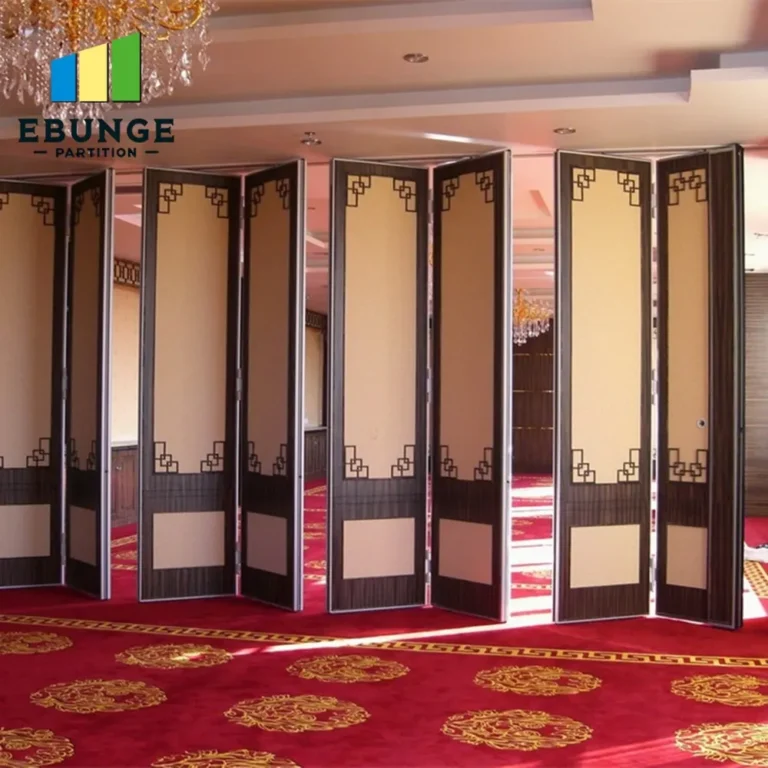
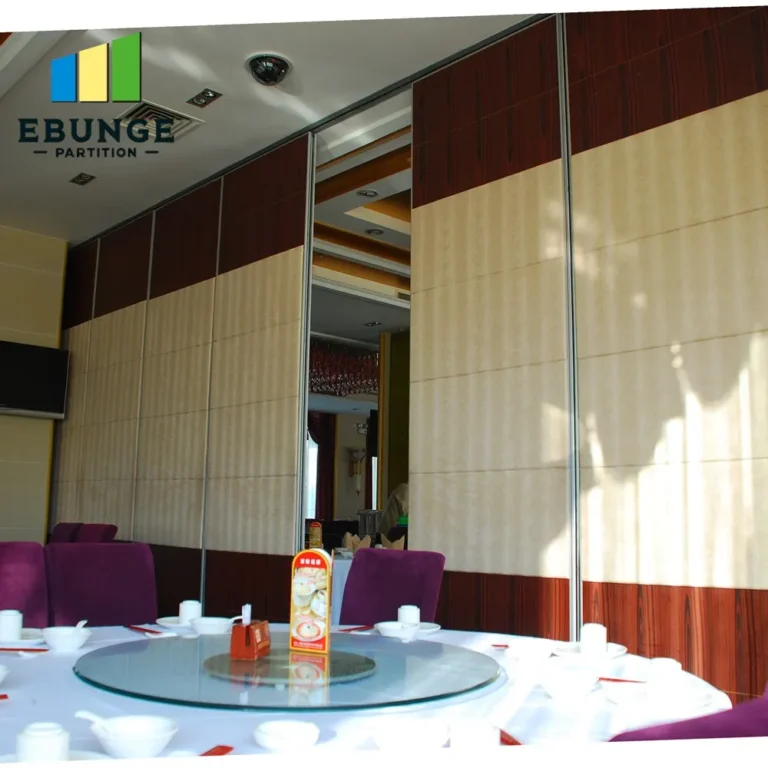
Restaurant private rooms have unique requirements compared to typical office spaces. They need partitions that can be quickly reconfigured for different party sizes, provide acoustic separation to contain noise, and meet fire safety codes. A movable partition wall in a restaurant must also withstand frequent use, resist moisture and grease, and be easy to clean. These factors make it essential to work with a supplier that specializes in acoustic partition solutions, not just a general manufacturer.
As a distributor, you must assess whether the supplier’s product line aligns with restaurant-specific needs. For instance, a top-hung track system is often preferred because it eliminates floor rails that can trip staff or collect debris. This design also simplifies cleaning and maintenance, which is critical in a food service environment.
Need help turning the restaurant folding partition supplier requirements into a practical project layout?
Key Technical Specifications to Request from Suppliers
Before requesting a quote, compile a detailed specification sheet. This should include the opening size (width and height), ceiling structure, wall type, and any acoustic or fire rating targets. A reputable supplier will ask for these details to provide accurate pricing and lead times.
Here are the essential technical parameters to discuss:
- Acoustic performance: Ask for the Sound Transmission Class (STC) rating. For restaurant privacy, an STC of 40-50 is typical, but confirm the exact requirement with your client.
- Fire rating: Verify if the partition needs to meet local fire codes. Common ratings are 30, 60, or 90 minutes. Request test reports or certification documents.
- Track system: Confirm if the supplier offers a top-hung track without floor rail. This is a key differentiator for restaurant applications.
- Finish options: Discuss available finishes such as laminate, veneer, or paint, and ensure they are suitable for high-traffic areas.
- Panel dimensions and weight: Understand the maximum panel size and weight to assess handling and installation complexity.
Getting these specifications in writing helps you compare quotes fairly and avoid misunderstandings later.
Evaluating Supplier Reliability and Production Capacity
Supplier reliability is a top concern for distributors, especially when dealing with overseas manufacturers. You need assurance that the supplier can meet your order volume and delivery schedule. Start by asking about their production capacity and lead times for custom movable wall projects.
Request references from other distributors or projects in similar markets. If possible, ask for a factory audit report or video tour. A transparent supplier will share quality control processes and testing procedures. Additionally, inquire about their experience with export packaging and shipping to your region. Delays in customs or port handling can disrupt your project timeline, so a supplier with proven logistics experience is invaluable.
Another aspect of reliability is after-sales support. What happens if a part is damaged during shipping? Who provides installation guidance? Does the supplier offer spare parts? Clarify these points before signing a contract.
Customization Support: From Drawings to Delivery
Restaurant private rooms often have irregular dimensions or unique architectural features. A supplier that offers customization based on your drawings is essential. During the quotation phase, provide detailed floor plans and elevations. The supplier should be able to confirm whether they can manufacture panels to your exact specifications.
Ask about their engineering and design support. Do they have in-house CAD capabilities? Can they suggest modifications to improve performance or ease of installation? A collaborative supplier will work with you to refine the design, not just take orders.
Also, clarify the customization process: how many revisions are included, and what is the lead time for custom production? This affects your project planning and client communication.
Acoustic Performance and Fire Safety Compliance
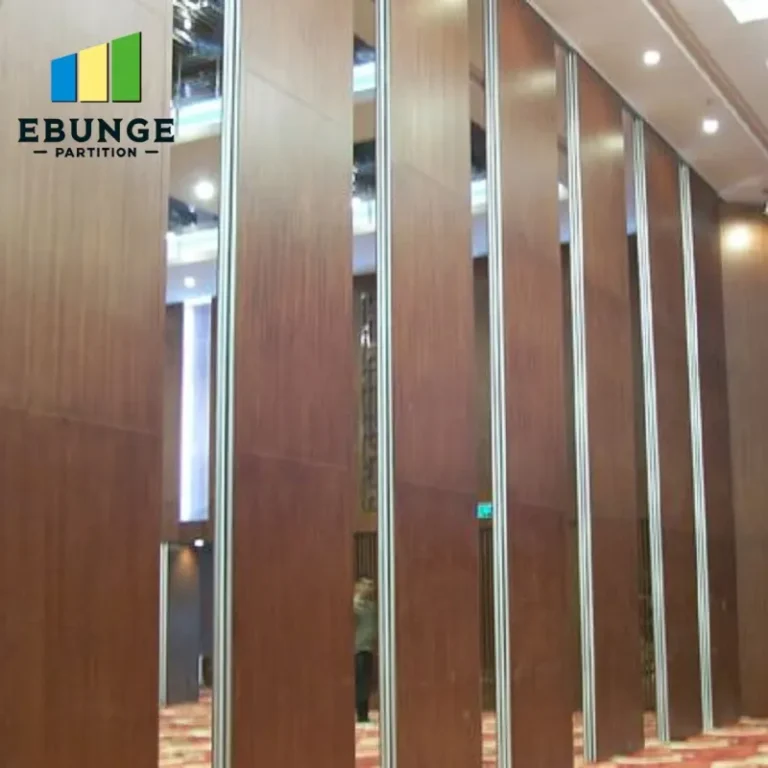
Acoustic and fire safety are non-negotiable for restaurant partitions. A movable partition wall that fails to provide adequate sound insulation can lead to guest complaints. Similarly, non-compliant fire ratings can result in legal liabilities.
When evaluating acoustic partition solutions, request test reports from accredited laboratories. These reports should show the STC rating under conditions similar to your project. Be cautious of suppliers who provide only theoretical values or marketing claims.
For fire safety, check if the partition system has been tested to local standards (e.g., ASTM E119, EN 1364-1). The fire rating must include the entire assembly—panels, tracks, and seals—not just the panel core. Confirm that the supplier can provide certification documents that you can share with building inspectors.
Installation Complexity and Maintenance Requirements
Installation complexity affects your project cost and timeline. A top-hung track system is generally easier to install than floor-mounted systems, but it requires precise ceiling support. Ask the supplier for installation manuals and videos. Also, inquire about the number of installers needed and the estimated installation time per panel.
Maintenance is another consideration. Restaurant partitions are used daily, so they must be durable and easy to maintain. Ask about the recommended cleaning methods, especially for finishes that may be exposed to grease or food particles. Also, check if the track system requires periodic lubrication or adjustment. A supplier that provides clear maintenance guidelines demonstrates long-term support.
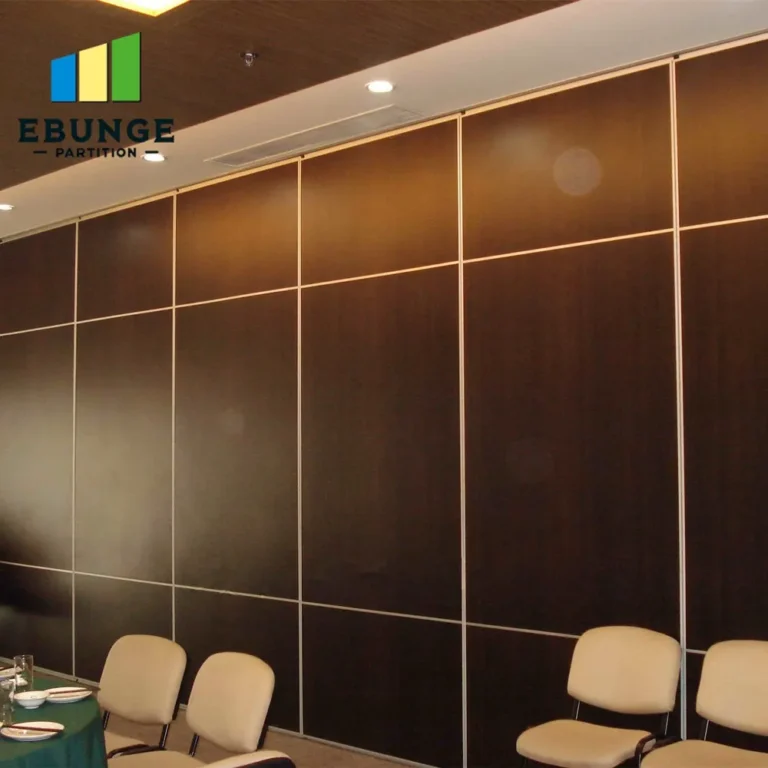
Share the opening, drawings, finish direction, and privacy target for a project-specific review.
Warranty Coverage and After-Sales Support
Warranty terms vary significantly among suppliers. Some offer only a limited warranty on parts, while others include labor. As a distributor, you need a warranty that protects you and your clients. Ask for the warranty duration, what it covers (e.g., panels, tracks, hardware), and the claim process.
After-sales support is equally important. Will the supplier assist with troubleshooting if issues arise during installation or after handover? Do they have a local representative or distributor network? If not, how do they handle remote support? Clear communication channels and response times should be established upfront.
Shipping Costs and Overseas Delivery Considerations
For international orders, shipping costs can significantly impact your total budget. Request a detailed quotation that includes packaging, freight, insurance, and customs duties. Ask about the Incoterms (e.g., FOB, CIF) to understand who bears the risk and cost at each stage.
Also, inquire about the supplier’s experience with export packaging. Movable partition walls are large and heavy, so proper crating is essential to prevent damage. Ask about their packaging standards and whether they use moisture-resistant materials for ocean freight.
Delivery lead times are another factor. Confirm the production time and shipping duration. A supplier that offers tracking and regular updates can help you plan your installation schedule.
Practical Checklist for Comparing Supplier Quotes
Use this checklist to ensure you have all the information needed to make an informed decision:
| Item | Details to Request | Why It Matters |
|---|---|---|
| Acoustic rating | STC value with test report | Ensures privacy and noise control |
| Fire rating | Certified rating (e.g., 60 min) | Compliance with building codes |
| Track system | Top-hung without floor rail | Simplifies cleaning and safety |
| Customization capability | Whether they work from drawings | Ensures fit for irregular spaces |
| Warranty | Duration and coverage | Protects your investment |
| After-sales support | Response time and spare parts | Ensures long-term reliability |
| Shipping terms | Incoterms and packaging | Controls costs and damage risk |
Conclusion: Making the Right Choice for Your Restaurant Projects
Choosing the right restaurant folding partition supplier is a strategic decision that affects your project’s success and your business reputation. Focus on suppliers that offer top-hung track systems, provide transparent technical documentation, and demonstrate a commitment to customization and after-sales support. By preparing detailed specifications and asking the right questions, you can secure a reliable partner for your restaurant private room projects.
For more insights on movable partition walls, explore our movable partition wall resources or browse our blog. If you have specific project requirements, contact our team for personalized guidance. As a manufacturer, we understand the importance of reliable supply chains and technical accuracy.
Frequently Asked Questions
What is the typical lead time for a custom movable wall order?
Lead times vary based on complexity and order size. Custom projects typically take 4-8 weeks for production, plus shipping time. Always confirm exact dates in your contract.
Can a restaurant folding partition be installed without floor rails?
Yes, many suppliers offer top-hung track systems that support the partition from the ceiling, eliminating floor rails. This is ideal for restaurants to maintain a clean, safe floor surface.
How do I verify the acoustic performance of a partition?
Request the STC rating from an accredited test report. Ensure the report matches your specific partition configuration, including panel thickness and seals.
What fire rating is commonly required for restaurant partitions?
Fire ratings depend on local building codes. Common requirements are 30, 60, or 90 minutes. Confirm with your local authority and request certification documents from the supplier.
What should I include in an inquiry to get an accurate quotation?
Provide the opening size (width and height), ceiling height, drawings or sketches, acoustic target, finish preference, and project location. This helps the supplier offer precise pricing and feasibility.
For this buyer review, restaurant folding partition supplier should be checked against the confirmed opening, drawings, operating plan, and project specification.
Send the opening size and drawings to discuss a differentiated restaurant folding partition supplier solution.