
When designing a restaurant private room, the operable wall system finish options you select can define the entire guest experience. The right finish not only enhances the aesthetic appeal but also contributes to acoustic performance and durability, especially in a bustling hospitality environment. For building material distributors, guiding clients through these choices is crucial for quotation readiness and project success. This guide explores finish options for operable wall systems in restaurant private rooms, focusing on practical decisions that impact installation, maintenance, and overall satisfaction.
Direct Answer: The best operable wall system finish for a restaurant private room balances durability, acoustic performance, and design flexibility. Common options include vinyl-faced panels for cost-effectiveness, fabric-wrapped panels for acoustics, and wood veneer for aesthetics. Prioritize finishes that are easy to clean, resistant to impacts, and match the room’s acoustic requirements. Always confirm exact specifications with your supplier and provide detailed project drawings for accurate quotations.
Operable Wall System Finish Options: Why Finish Choice Matters in Restaurant Private Rooms
In restaurant private rooms, the operable wall system is not just a partition; it is a functional element that must withstand daily use, frequent cleaning, and occasional impacts. The finish plays a pivotal role in acoustic control, as porous materials absorb sound better. Additionally, the finish contributes to the room’s ambiance, influencing the overall dining experience. For distributors, understanding these factors helps in advising clients and preparing quotes that meet both aesthetic and performance expectations.
Consider the acoustic needs: a private dining room should minimize noise transfer to adjacent spaces. Finishes with higher sound absorption coefficients, such as fabric or acoustic panels, can significantly improve sound insulation. However, they may require more maintenance. On the other hand, smooth vinyl finishes are easier to clean but may reflect sound, reducing acoustic performance. This trade-off is a key consideration in the decision-making process.
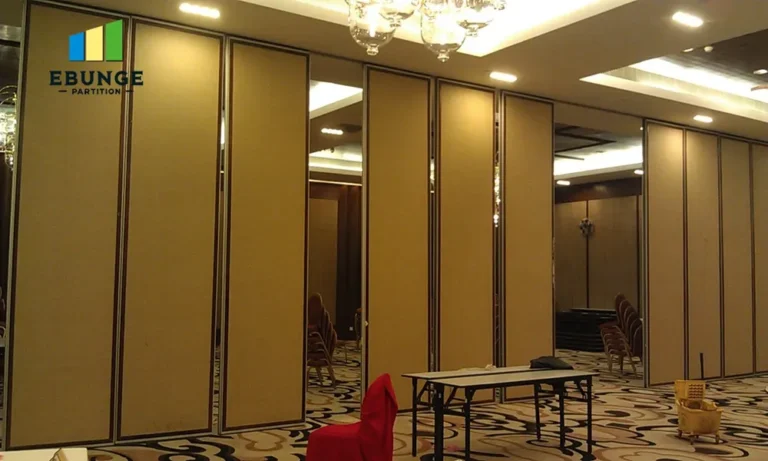
Need help turning the operable wall system finish options requirements into a practical project layout?
Evaluating Finish Durability for High-Traffic Commercial Spaces
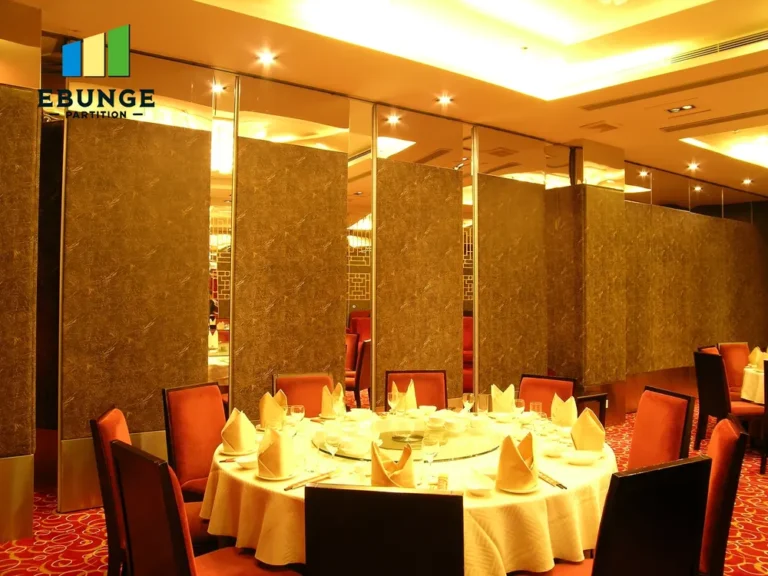
Durability is paramount. Restaurant walls are prone to scuffs, scratches, and stains. For operable walls, the finish must withstand repeated movement and contact. Vinyl finishes are highly durable and resistant to moisture, making them ideal for areas near kitchens or bars. They are available in a wide range of colors and patterns, allowing for customization. However, if the design calls for a more upscale look, wood veneer or laminate finishes offer elegance but may require more careful handling.
When advising clients, emphasize that durability extends to the finish’s ability to maintain its appearance over time. For instance, high-pressure laminates (HPL) are robust and resist impacts, but they can be prone to chipping at edges. Fabric finishes, while aesthetically pleasing, may stain easily unless treated. Recommend finishes that are easy to repair or replace, as this reduces long-term maintenance costs.
Acoustic Performance: Balancing Aesthetics and Sound Control
Acoustic performance is a critical factor in restaurant private rooms. Operable wall systems with top-hung track designs can achieve high sound insulation when properly sealed. The finish contributes to this by absorbing sound waves. Fabric-wrapped panels, for example, are excellent for sound absorption but may not provide high sound transmission loss on their own. Combining a dense core with a fabric finish can optimize both sound absorption and insulation.
It is essential to set realistic acoustic expectations. The actual sound insulation depends on the wall’s construction, including the core material, thickness, and sealing details. As a distributor, guide your clients to specify their acoustic target (e.g., STC rating) and provide this information to the manufacturer. This ensures the operable wall system is engineered to meet the required performance.
Installation Time and Ease: Impact of Finish Selection
The choice of finish can affect installation time and complexity. Pre-finished panels arrive ready to install, reducing on-site labor. For instance, vinyl-faced panels are lightweight and easy to handle, speeding up installation. On the other hand, wood veneer finishes may require additional site finishing or touch-ups, extending the project timeline. For restaurant owners, minimizing downtime is crucial, so advise finishes that facilitate quick installation without compromising quality.
Also, consider the track system. A top-hung track system, which is our specialty, allows for easy installation without floor tracks, simplifying the process. This system also makes future adjustments easier, as panels can be moved or reconfigured with minimal disruption.
Maintenance and Cleaning: Practical Considerations
Restaurant environments demand finishes that are easy to clean and maintain. Vinyl finishes can be wiped down with mild detergents, making them ideal for areas prone to splashes. Fabric finishes may require vacuuming and periodic professional cleaning. When recommending finishes, ask about the client’s maintenance capabilities and frequency of use. For high-turnover venues, low-maintenance finishes are often preferred.
Additionally, consider the long-term wear. Movable walls are operated frequently; the finish around edges and handles may show wear. Choose finishes with protective edging or reinforced corners to extend the product’s lifespan. Providing maintenance guidelines to the end-user can prevent premature deterioration.
Customization and Aesthetic Flexibility
Restaurant private rooms often require a unique design to reflect the brand’s identity. Operable wall systems offer customization options, including custom sizes, colors, and finishes. For instance, a wood veneer finish can be matched to existing interior elements, creating a seamless look. Alternatively, a printed vinyl finish can incorporate logos or patterns, adding a personalized touch.
When discussing customization, emphasize the importance of providing accurate drawings and specifications. This ensures the manufacturer can produce panels that fit perfectly and meet design expectations. Custom finishes may have longer lead times, so advise clients to plan accordingly.
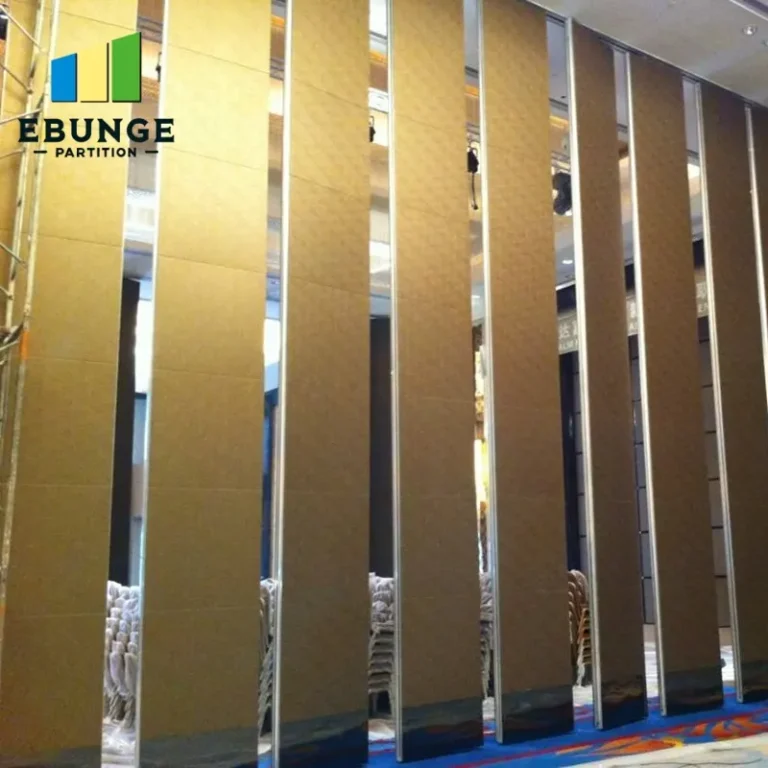
Share the opening, drawings, finish direction, and privacy target for a project-specific review.
Cost and Lead Time: Budgeting for Finish Options
Cost is a significant factor. Vinyl finishes are generally more cost-effective than wood veneer or fabric. However, the total cost includes not only the finish but also installation and maintenance. Provide clients with a clear breakdown of costs, including any custom finishes. Lead times vary: standard vinyl finishes may be available in a few weeks, while custom wood veneers may take longer. Set realistic expectations to avoid project delays.
For quotation readiness, ask clients for the opening size, number of panels, acoustic target, and finish preference. This information allows you to provide an accurate estimate. Also, discuss the project location and any special requirements, such as fire ratings or accessibility.
Supplier Support and Project Coordination
Choosing a supplier who offers comprehensive support is crucial. From initial consultation to installation guidance, a reliable supplier ensures the project runs smoothly. Look for suppliers who provide detailed drawings, installation manuals, and after-sales support. This is especially important for complex projects with custom finishes.
As a distributor, you can add value by facilitating communication between the client and the manufacturer. Ensure that all technical details, such as wall thickness and track specifications, are clearly communicated to avoid errors. A supplier that offers top-hung track systems without floor rails can simplify installation and reduce costs.
Checklist for Choosing Operable Wall System Finishes
| Consideration | Key Questions |
|---|---|
| Durability | Will the finish withstand frequent use and cleaning? Is it scratch-resistant? |
| Acoustic Performance | What is the target STC rating? Does the finish contribute to sound absorption? |
| Maintenance | Is the finish easy to clean? Are there any special care requirements? |
| Installation | Will the finish affect installation time? Are pre-finished panels available? |
| Cost | What is the budget? Are there cost-effective alternatives that meet requirements? |
| Lead Time | How long will it take to produce and deliver the panels? |
| Customization | Are custom colors, patterns, or materials needed? Can the supplier accommodate? |
Conclusion: Making the Right Finish Decision
Selecting the right operable wall system finish options for restaurant private rooms involves a careful balance of aesthetics, durability, acoustics, and cost. By understanding the specific needs of the restaurant environment and providing clear technical requirements, you can ensure a successful project. Remember to prioritize finishes that are easy to maintain and align with the acoustic goals. For further guidance, explore our movable partition wall options or read more insights on our blog. If you have a project in mind, contact us to discuss your requirements.
Frequently Asked Questions
What are the most durable finishes for operable walls in restaurants?
Vinyl and high-pressure laminate finishes are highly durable, resistant to scratches and moisture, making them ideal for restaurant environments.
Can operable walls with fabric finishes provide good acoustic performance?
Yes, fabric finishes can enhance sound absorption, but the overall acoustic performance depends on the wall’s core and construction. Specify your acoustic target to the manufacturer.
How do I choose between vinyl and wood veneer finishes?
Consider the design aesthetic, maintenance requirements, and budget. Vinyl is cost-effective and easy to clean, while wood veneer offers a premium look but may need more care.
What information do I need to provide for a quotation?
Provide the opening size, number of panels, acoustic target, finish preference, and project location. This helps the supplier give an accurate estimate.
Are custom finishes available for operable wall systems?
Yes, many manufacturers offer custom colors, patterns, and materials. Be prepared for longer lead times and potentially higher costs.
For this buyer review, operable wall system finish options should be checked against the confirmed opening, drawings, operating plan, and project specification.
Send the opening size and drawings to discuss a differentiated operable wall system finish options solution.