
When outfitting a hotel banquet hall with a church hall movable wall, the decision often comes down to more than just square footage and aesthetics. As a building material distributor, you need a solution that balances acoustic performance, operational durability, and cost predictability—while ensuring your client’s investment is protected through every stage of procurement and installation. This guide focuses on the practical aspects of comparing suppliers, from quotation readiness to technical specifications, so you can approach negotiations with confidence and clarity.
Direct answer: The movable partition cost for a hotel banquet hall depends on several variables: panel configuration, acoustic rating, track system, finish, and customization. To get accurate pricing, share your opening size, ceiling height, acoustic target (e.g., STC rating), finish preference, and project location with suppliers. Expect lead times to vary, and always request a detailed quotation that itemizes materials, hardware, installation, and delivery.
Why the Church Hall Movable Wall Category Needs Extra Scrutiny
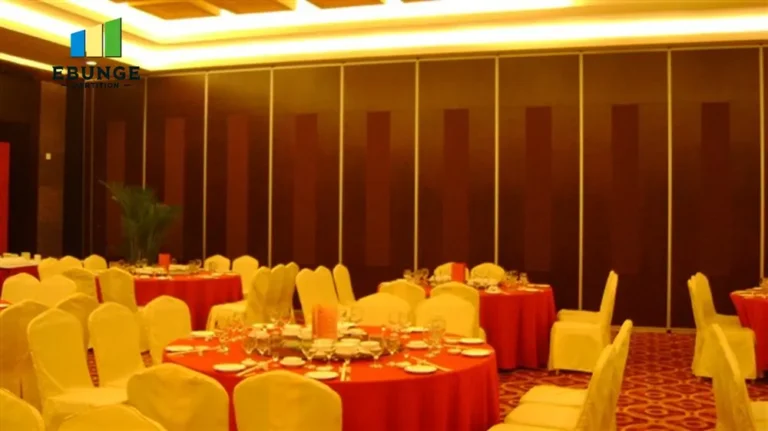
Church hall movable wall systems are often specified for their ability to divide large, reverberant spaces into smaller, functional rooms. In a hotel banquet hall, the same system must handle frequent use, varying event types, and strict noise control. The term “church hall movable wall” may imply a specific design heritage, but in practice, it refers to operable wall systems that prioritize sound insulation and ease of operation. For distributors, the key is to evaluate whether a supplier’s offering truly meets the demands of a hospitality environment, where downtime is not an option.
Unlike residential or office partitions, banquet hall walls are subject to heavy traffic, possible impact damage, and the need for rapid reconfiguration. This means the track system, panel seals, and acoustic gaskets must be robust. The focus should be on long-term reliability, not just the initial movable partition cost.
Need help turning the movable partition cost requirements into a practical project layout?
Key Technical Requirements for Hotel Banquet Hall Partition Walls
Before comparing suppliers, define your technical baseline. For a hotel banquet hall, consider the following:
Acoustic Performance
Sound transmission class (STC) ratings are critical. A typical banquet hall might require STC 45–50 to prevent sound bleed between concurrent events. However, the actual performance depends on the entire assembly—wall panels, perimeter seals, and the top track. Ask suppliers for acoustic test reports based on the exact configuration you plan to use, not just generic values.
Track System and Operation
Top-hung track systems, which suspend the panels from an overhead rail, are preferred because they eliminate floor tracks, making cleaning and movement easier. Ensure the track is rated for the weight and frequency of use. For large openings, consider electric operation or motorized systems, but factor in maintenance and power requirements.
Finish and Aesthetics
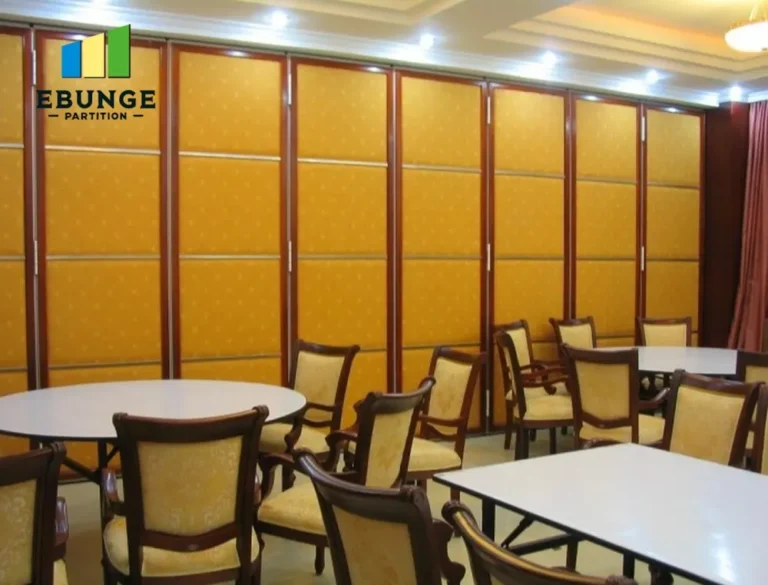
Hotel interiors demand high-quality finishes. Options range from vinyl laminates to wood veneers or custom paint. Verify that the supplier can match your design intent and that the finish is durable enough for daily contact. Samples are essential before committing.
Evaluating Supplier Reliability and Customization Support
Supplier reliability is often more important than the lowest quote. Look for evidence of consistent quality, such as certifications (e.g., ISO 9001) and a track record of similar projects. Customization support is equally crucial: can the supplier accommodate non-standard heights, curved tracks, or special acoustic requirements? A supplier that only offers standard sizes may force compromises on your project.
Ask about their engineering support. Will they provide detailed shop drawings? Do they offer installation guidance? For overseas delivery, confirm that they have experience with export packaging and can provide documentation for customs clearance. A reliable supplier will be transparent about lead times and any potential delays.
Overseas Delivery: Packaging, Shipping, and Damage Prevention
If you are importing from overseas, shipping damage is a top concern. Movable wall panels are large and heavy, so proper packaging is non-negotiable. Inquire about the supplier’s export packaging standards: are panels wrapped in protective film, strapped to pallets, and covered with weather-resistant materials? Do they use shock indicators or tilt sensors? A supplier that invests in robust packaging demonstrates attention to detail and reduces your risk of receiving damaged goods.
Also, clarify Incoterms (e.g., FOB, CIF) and who bears the risk during transit. Request photos or videos of the packaging process, and consider hiring a third-party inspection service before shipment. This can save you from costly disputes later.
Warranty, Installation Timeline, and After-Sales Support
Warranty terms vary widely. Some suppliers offer 5 years, others 10 or more. Understand what is covered: panels, track, hardware, and labor? What is the claim process? For an international buyer, after-sales support might be remote, so ask about spare parts availability and response times.
Installation timeline is another factor. A typical hotel project has tight deadlines. Get a realistic schedule from the supplier, including manufacturing, shipping, and installation. Remember that installation often requires specialized crews; your supplier may recommend certified installers or provide training for local teams.
Price Transparency: What Should Be Included in a Quotation?
The movable partition cost can be misleading if you don’t compare apples to apples. A transparent quotation should itemize:
- Panels (size, thickness, acoustic rating)
- Track system (length, type, load capacity)
- Seals and gaskets
- Finish (material, color, texture)
- Hardware (locks, handles, stacking brackets)
- Installation (labor, equipment, supervision)
- Delivery (freight, insurance, duties)
- Taxes and any additional fees
Ask for a breakdown in writing. If a supplier gives a lump-sum price without details, be cautious. Also, clarify payment terms, such as deposit percentages and milestones. Avoid suppliers who demand full payment upfront.
Share the opening, drawings, finish direction, and privacy target for a project-specific review.
How to Prepare for a Productive Supplier Inquiry
To get accurate quotes and speed up the process, be ready to share:
- Exact opening dimensions (width, height, depth)
- Ceiling structure details (load-bearing capacity, attachment points)
- Acoustic target (STC or Rw rating)
- Finish preferences (color, material, texture)
- Number of panels and stacking configuration
- Project location (for logistics planning)
- Expected timeline (design, approval, installation)
Provide architectural drawings if available. The more information you give, the more accurate the quotation will be. This also signals that you are a serious buyer, which may improve your negotiating position.
Practical Checklist for Comparing Suppliers
Use this checklist to evaluate each supplier objectively:
| Criterion | Questions to Ask | Notes |
|---|---|---|
| Acoustic performance | Do you have test reports for the exact configuration? | Verify STC/Rw values |
| Track durability | What material is the track? What is the load capacity? | Top-hung preferred |
| Finish options | Can you match custom colors or materials? | Request samples |
| Warranty | What is covered and for how long? | Get written terms |
| Installation timeline | What is the standard lead time? What about installation? | Factor in shipping |
| Shipping damage | How do you package for export? Any inspection certificates? | Ask for photos |
| After-sales support | Do you offer spare parts? What is the response time? | Remote support acceptable? |
| Price transparency | Can you itemize the quotation? | Compare line by line |
Understanding Movable Partition Cost Drivers
While we cannot quote specific prices, it helps to understand what influences the movable partition cost. The primary drivers are:
- Panel size and thickness: Larger or thicker panels require more material and heavier hardware.
- Acoustic rating: Higher STC ratings require more mass, additional seals, and sometimes double-glazing, increasing cost.
- Track system: Top-hung systems are more expensive than floor-mounted but offer better performance and aesthetics.
- Finish: Premium finishes like wood veneer or custom paint add cost.
- Automation: Motorized operation adds to the price but may be necessary for very large or heavy panels.
- Customization: Non-standard sizes or shapes increase engineering and manufacturing effort.
- Installation complexity: High ceilings, curved tracks, or difficult access can raise installation costs.
- Shipping and logistics: Distance, volume, and special handling impact freight charges.
Remember, the lowest upfront cost may not be the most economical if it leads to higher maintenance or replacement costs. Focus on total cost of ownership.
Integrating the Operable Wall System with Your Project Workflow
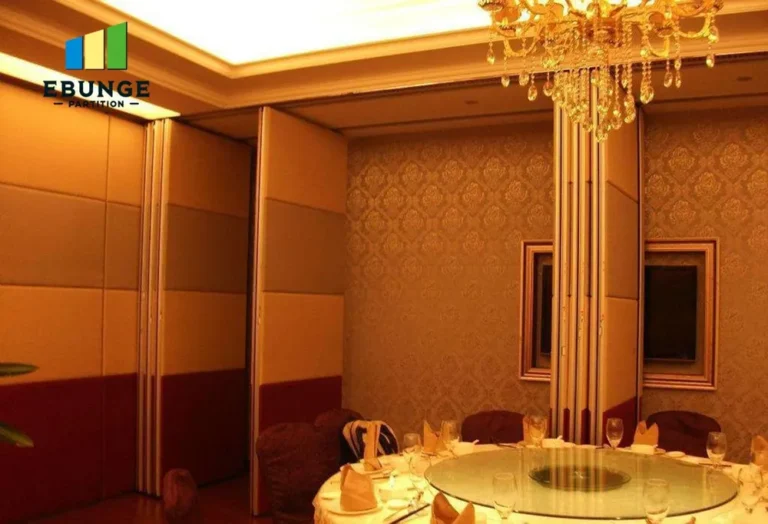
As a distributor, you likely work with architects, general contractors, and interior designers. Coordinate early to ensure the operable wall system is integrated into the building’s structural and MEP plans. Share supplier drawings with the design team and verify ceiling loads. Early collaboration prevents costly changes later.
Also, consider the operational aspect: how often will the wall be moved? If it’s daily, choose a system designed for high-frequency use. Discuss maintenance requirements with the supplier and plan for periodic inspections. A well-maintained system lasts longer and performs better.
Conclusion: Making an Informed Decision
Choosing the right church hall movable wall for a hotel banquet hall requires a balance of technical performance, cost, and supplier reliability. By focusing on movable partition cost drivers, preparing detailed inquiries, and using a structured comparison checklist, you can select a solution that meets your client’s needs and protects your reputation. Always verify claims with documentation and never assume—ask for specifics.
For further guidance on movable partition walls, explore our movable partition wall solutions or read more in our blog. If you’re ready to discuss your project, contact us for personalized assistance.
Frequently Asked Questions
What is the typical lead time for a church hall movable wall?
Lead times vary by supplier and complexity. Standard systems may take 6–10 weeks for manufacturing, plus 2–4 weeks for shipping if overseas. Custom projects can take longer. Always confirm with the supplier and include buffer in your schedule.
Can I install a movable wall myself to save costs?
Installation requires specialized skills and tools to ensure proper alignment and acoustic sealing. Poor installation can void the warranty and compromise performance. It is recommended to use trained installers, either from the supplier or certified local contractors.
How do I know if the acoustic rating is reliable?
Ask for acoustic test reports from accredited laboratories (e.g., ASTM, ISO). The report should specify the exact wall configuration, including panel thickness, seals, and track. Be wary of suppliers who cannot provide such documentation.
What maintenance does an operable wall system require?
Regularly inspect tracks and seals for wear, clean panels as recommended, and ensure the top-hung track remains free of debris. Lubricate moving parts per supplier instructions. Schedule annual professional inspections for high-use systems.
Are there options for curved or angled installations?
Yes, some suppliers offer curved tracks or custom angles. However, these increase complexity and cost. Discuss your specific layout with the supplier to see if they can accommodate it.
For more insights on cost considerations, visit our Movable Partition Cost category.
Send the opening size and drawings to discuss a differentiated movable partition cost solution.