
When planning a community center, the movable partition cost is a central factor in your budget, but it is not the only one. As an architect, you need a movable wall for office or multi-purpose spaces that meets acoustic targets, fits the building structure, and arrives on time. This guide helps you compare suppliers with a focus on quotation readiness and technical specifications, so you can make an informed decision for your project.
Direct answer: The movable partition cost for a community center depends on the opening size, acoustic requirements, finish, and track system. To get accurate quotes, prepare detailed drawings, specify STC targets, and request a breakdown of materials, hardware, and installation. A top-hung track system without a floor rail is often preferred for flexibility and accessibility.
Why Movable Partition Cost Varies in Community Centers
Community centers often have large, irregular spaces that require custom solutions. The movable partition cost is influenced by the wall height, weight, number of panels, and the type of track system. A top-hung track system, for instance, requires structural support from the ceiling, which can add to installation costs. Additionally, acoustic performance—measured by Sound Transmission Class (STC)—drives up the price if you need higher ratings.
For example, a standard partition may cost less, but if you need STC 50 or above, you will need thicker panels and better seals. Always ask suppliers for a detailed quotation that lists each component separately, so you can compare like-for-like.
Need help turning the movable partition cost requirements into a practical project layout?
Key Technical Requirements to Specify in Your Inquiry
To get comparable quotes, you must provide clear specifications. Include the following in your RFQ:
- Opening dimensions (width, height, and number of stacks)
- Acoustic target (STC rating)
- Finish preferences (e.g., whiteboard, tackable, or wood veneer)
- Operation type (manual or motorized)
- Fire rating requirements, if any
- Building drawings (DWG or PDF)
- Project location and delivery schedule
Providing these details upfront reduces back-and-forth and helps suppliers offer accurate pricing. It also signals that you are a professional, which can improve the quality of responses.
Evaluating Supplier Reliability for Overseas Delivery
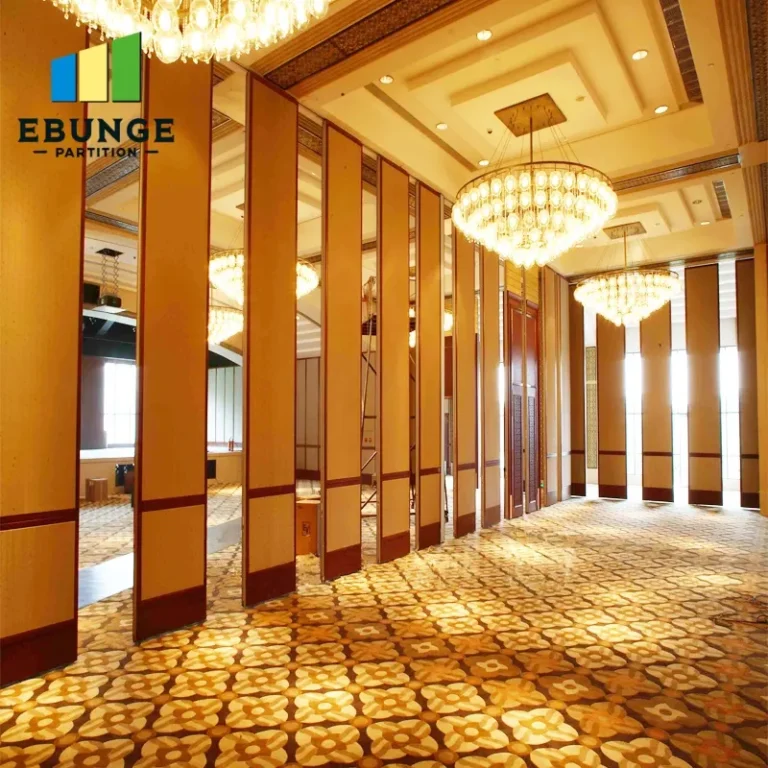
When sourcing from overseas, supplier reliability is critical. Look for manufacturers that have experience with international projects and can provide references. Ask about their production lead times, shipping methods, and how they handle customs and import duties. A reliable supplier will also offer installation drawings and technical support during installation.
Check if they have a local partner or agent who can assist on-site. This can mitigate risks related to communication and after-sales service. Remember, the lowest quote may not be the best value if it leads to delays or quality issues.
Acoustic Partition Solutions: What to Look For
Acoustic performance is a top concern for community centers, where multiple activities may occur simultaneously. When comparing acoustic partition solutions, ask for test reports from accredited laboratories. Verify that the STC rating is for the assembled wall, not just the panel. Also, consider the perimeter seals—they are essential for achieving the rated performance.
For community centers, you might need movable walls that can be reconfigured quickly. A top-hung track system allows for easy operation without floor rails, which is beneficial for accessibility and cleaning. Ensure the supplier can provide acoustic seals that are durable and maintain their performance over time.
Installation Complexity and Maintenance Requirements
Installation complexity affects both cost and schedule. A top-hung track system requires precise alignment and structural support. Ask the supplier if they provide installation supervision or detailed instructions. Some offer installation services through authorized partners, which can simplify your project management.
Maintenance is another ongoing cost. Inquire about the warranty terms and what is covered. For example, are the tracks and rollers included? What is the expected lifespan of the seals? A supplier that offers a comprehensive warranty and responsive support is worth considering, even if the initial cost is higher.
Cost vs. Quality: Making an Informed Trade-off
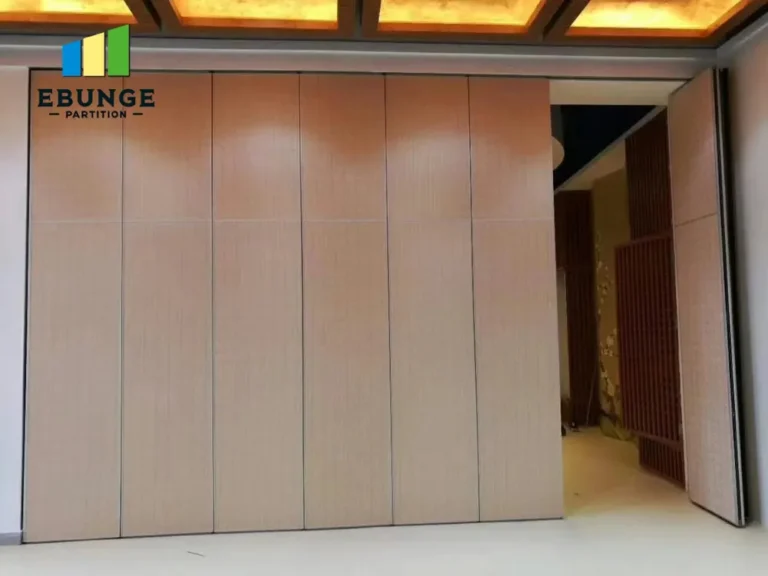
It is tempting to choose the lowest price, but consider the total cost of ownership. A cheaper partition may require more frequent repairs or fail to meet acoustic standards, leading to complaints. Compare the quality of materials, such as the thickness of steel frames and the density of panels. Also, check if the supplier uses certified components.
Request a sample or visit a completed project if possible. This gives you a tangible sense of the product’s quality and performance. When comparing quotes, look beyond the total price and evaluate the value offered.
Share the opening, drawings, finish direction, and privacy target for a project-specific review.
Warranty and Support: Protecting Your Investment
A solid warranty is a sign of supplier confidence. Ask for the warranty period and what it covers. For movable walls, typical coverage includes parts and mechanisms, but not damage caused by misuse. Also, check the supplier’s support response time. In a community center, downtime can be disruptive, so fast support is valuable.
Ensure that the warranty is backed by a legal entity and that you have a clear contact for claims. If the supplier is overseas, confirm if they have a local representative or if you need to ship parts back.
Compatibility with Existing Structures and Safety Compliance
Your community center may have existing structures, such as exposed beams or HVAC ducts. The movable wall must integrate seamlessly. Provide the supplier with accurate architectural drawings and note any obstructions. A top-hung track system can be designed to accommodate these challenges, but it requires careful engineering.
Safety compliance is non-negotiable. Ensure that the partition meets local building codes and fire safety regulations. Ask the supplier for compliance certificates and test reports. They should also provide operation manuals and safety instructions for end-users.
Checklist for Comparing Movable Wall for Office Suppliers
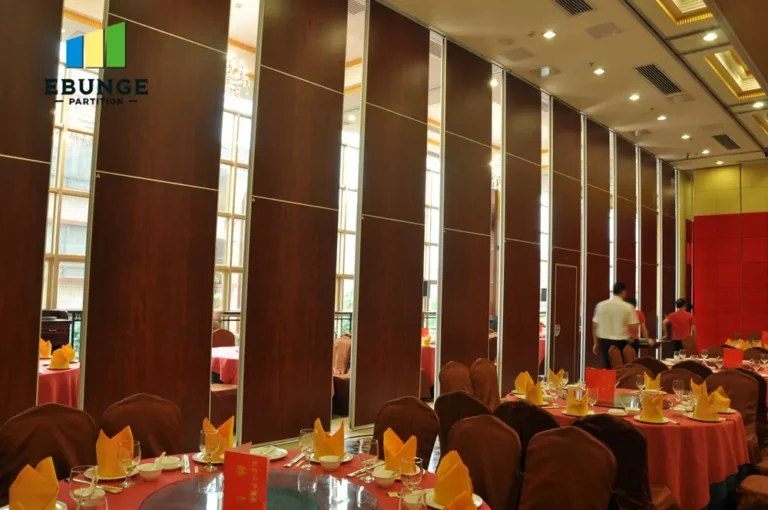
| Criteria | Questions to Ask | Why It Matters |
|---|---|---|
| Acoustic performance | What is the STC rating? Is it tested for the full assembly? | Ensures sound isolation meets community center needs. |
| Track system | Is it top-hung without floor rail? What is the maximum height? | Affects installation, accessibility, and cost. |
| Customization | Can you customize finishes, sizes, and configurations? | Matches architectural design and functional requirements. |
| Delivery and installation | What are lead times? Do you provide installation support? | Avoids delays and ensures correct installation. |
| Warranty and support | What is the warranty period? How do you handle claims? | Protects your investment and ensures long-term reliability. |
| Safety compliance | Do you have certifications? Are you compliant with local codes? | Ensures legal and user safety. |
How to Get Accurate Quotes and Compare Them
To get accurate quotes, send the same detailed RFQ to at least three suppliers. Include your drawings and specifications. When you receive quotes, compare the scope of supply, exclusions, and payment terms. A transparent quotation will list all components, such as panels, tracks, seals, and hardware.
Also, ask for a sample or a video demonstration to verify quality. If possible, visit a reference site. This helps you assess the product’s performance and the supplier’s professionalism.
Conclusion: Balancing Movable Partition Cost and Value
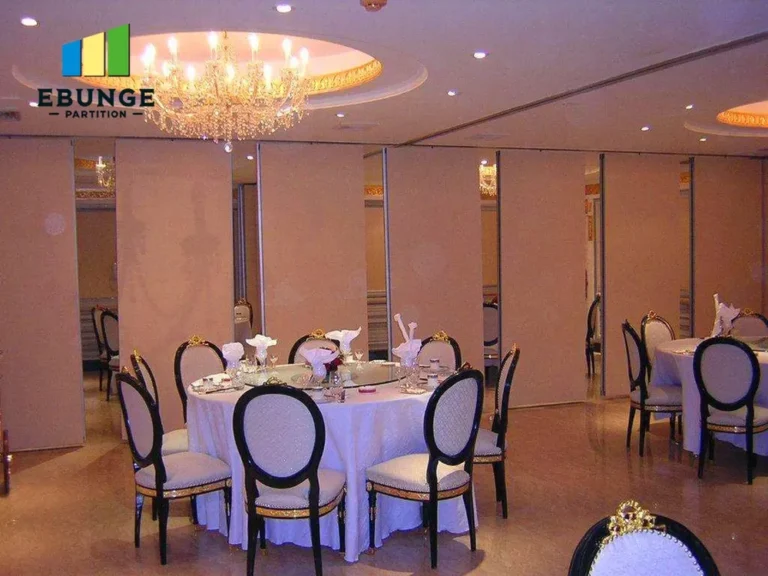
In summary, the movable partition cost should be evaluated in the context of your project’s specific requirements. By preparing a detailed specification, you can receive accurate quotes and make a comparison based on quality, support, and compliance. Remember to prioritize a top-hung track system for flexibility and consider the long-term maintenance and warranty.
For more insights on movable partition walls, you can explore our movable partition wall solutions or read our blog articles on acoustic design. If you have a project in mind, contact us for a consultation.
Frequently Asked Questions
How long does it take to install a movable wall in a community center?
Installation time varies based on the size and complexity of the system. A typical wall may take a few days to a week. Your supplier should provide a timeline based on your specific project.
Can a movable wall be customized to match existing interior design?
Yes, most suppliers offer a range of finishes, including wood veneers, laminates, and fabric. You can also specify custom colors to match your design.
What is the maximum height for a top-hung track movable wall?
The maximum height depends on the system and structural support. Many systems can go up to 6 meters or more. Consult the supplier for your specific ceiling height.
Are movable walls soundproof?
Movable walls are not fully soundproof but can provide high acoustic insulation. With proper STC ratings and seals, they can significantly reduce noise transmission.
What maintenance does a movable wall require?
Maintenance is minimal but includes regular cleaning of tracks and seals. Check moving parts periodically and lubricate as recommended by the manufacturer.
Send the opening size and drawings to discuss a differentiated movable partition cost solution.