
When you’re quoting a conference room project, the movable partition cost is rarely a single line item. Contractors know that pricing depends on a matrix of technical specifications, site conditions, and supplier coordination. This article breaks down the factors that drive the total investment, so you can prepare accurate estimates and avoid budget surprises. We’ll cover everything from acoustic performance to installation complexity, and we’ll guide you on the information you need to gather before requesting a quotation.
Direct answer: Movable partition wall cost for conference rooms is influenced by panel size, acoustic rating, finish choice, hardware (especially top-hung track systems), installation labor, and site-specific factors like ceiling height and structural support. Expect to pay more for higher STC ratings, custom finishes, and complex integration with HVAC or lighting. To get an accurate quote, you must provide your opening dimensions, ceiling height, acoustic target, finish preference, and project location.
Key Cost Drivers in Movable Partition Wall Projects
Every conference room partition project has unique parameters. The most significant cost elements include the operable wall system itself, the track configuration, acoustic seals, and the panels’ construction. A top-hung track system, which is a standard for EBUNGE, eliminates floor rails, but it requires adequate ceiling support. That structural requirement can add to your budget if your building needs reinforcement.
Panel Construction and Materials
Panels are typically steel-framed with gypsum or aluminum faces. The choice of core material—honeycomb, particleboard, or mineral wool—affects both weight and acoustic performance. Heavier panels with denser cores tend to offer better sound insulation but require more robust hardware and labor to handle.
Acoustic Performance and STC Ratings
For conference rooms, sound isolation is critical. STC (Sound Transmission Class) ratings measure how well a partition blocks sound. Higher STC ratings (e.g., STC 45-50) involve additional seals, thicker panels, and precision installation, all of which increase cost. You should specify your target STC based on the room’s use—confidential meetings will demand higher ratings than general collaboration areas.
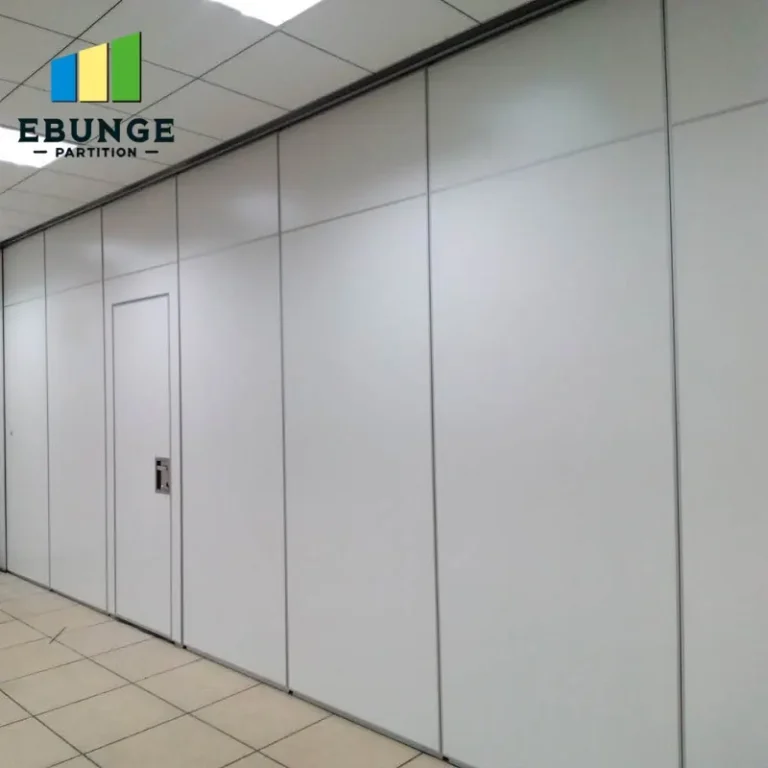
Need help turning the movable partition cost requirements into a practical project layout?
Top-Hung Track Systems: Why They Matter for Cost
EBUNGE’s top-hung track system is a common choice for conference rooms because it leaves the floor clear, simplifying cleaning and reducing trip hazards. However, this system transfers the entire weight of the partition to the overhead structure. If your ceiling is not designed for that load, you may need to add steel beams or other supports, which is a significant cost factor. Be sure to have a structural engineer assess your ceiling before budgeting.
Installation Complexity and Labor Costs
Installation labor is often the second-largest cost after materials. Complex installations—such as those involving curved tracks, multiple stacking areas, or integration with existing building systems—take more time and skill. The condition of your site also matters: uneven floors or ceilings, tight access, and existing finishes can slow down the work. Always request a site survey to get accurate labor estimates.
Material Quality and Finish Selection
The finish of your movable wall affects both aesthetics and price. Standard vinyl or fabric finishes are economical, while custom laminates, wood veneers, or acoustic panels in specific colors will raise the cost. Additionally, the quality of seals, gaskets, and hardware influences durability and acoustic performance. Investing in higher-quality components can reduce long-term maintenance costs, but it increases the initial quote.
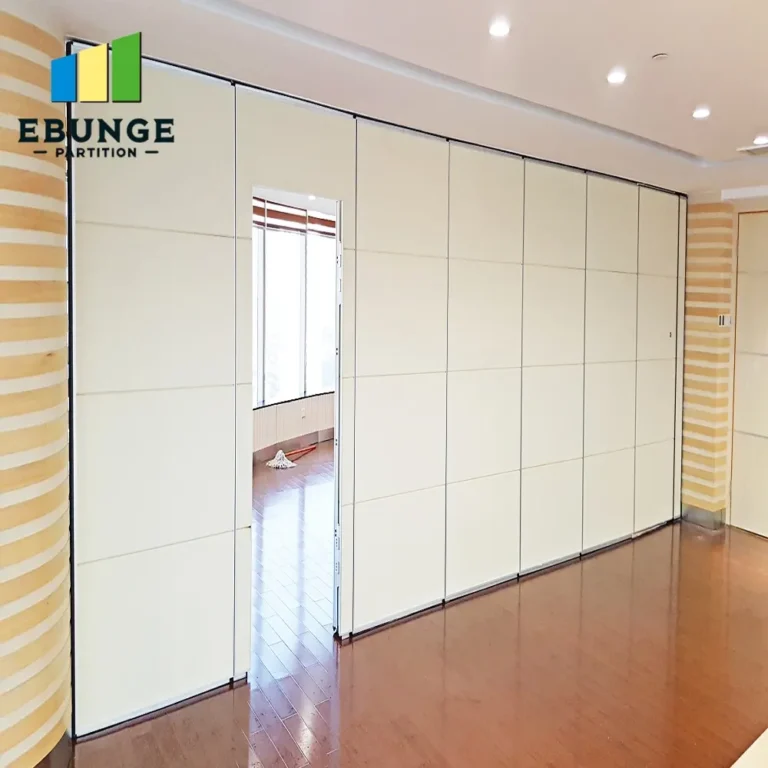
Warranty and After-Sales Support
Warranty coverage is a cost factor that is often overlooked. A comprehensive warranty that includes parts and labor for several years will cost more upfront but can save you money if issues arise. Check what the supplier covers: hardware, panels, acoustic seals, and installation. Reliable after-sales support is especially important for movable walls that are frequently operated.
Share the opening, drawings, finish direction, and privacy target for a project-specific review.
Compliance with Building Codes and Fire Safety
Your movable partition must meet local building codes, including fire ratings and accessibility requirements. Fire-rated partitions with special materials and seals are more expensive. Additionally, if the wall is part of a fire compartmentation strategy, you will need to ensure proper installation and documentation, which adds to project management costs.
Supplier Reliability and Quotation Transparency
Choosing a movable partition wall supplier is as important as choosing the product. A reliable supplier provides detailed quotations that break down costs, avoiding hidden fees. They should offer clear lead times, delivery schedules, and installation support. Look for suppliers who are willing to answer your technical questions and provide references. This can save you from budget overruns and project delays.
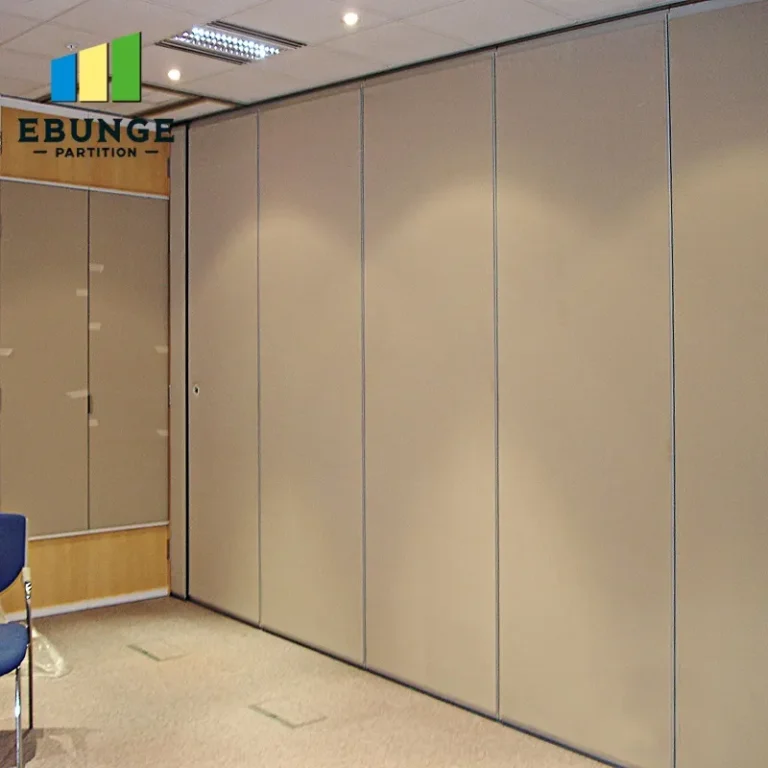
How to Prepare for a Movable Partition Cost Quote
To get an accurate quotation, you need to provide detailed information. Here’s a checklist to share with your supplier:
- Opening size: Width, height, and depth of the area to be divided.
- Drawings: Architectural or layout drawings showing the partition location.
- Acoustic target: Desired STC rating or decibel reduction.
- Finish preference: Material, color, and texture of the panel surfaces.
- Project location: Site address to assess delivery and labor costs.
- Ceiling structure: Details about the overhead support and any obstructions.
- Number of leaves: How many panels you need and their stacking configuration.
Comparison of Cost Factors
| Factor | Impact on Cost | Considerations |
|---|---|---|
| Panel Size | High | Larger panels require more material and stronger hardware. |
| Acoustic Rating | High | Higher STC needs more seals and denser cores. |
| Finish | Medium | Custom finishes increase material and labor costs. |
| Track System | Medium | Top-hung tracks require structural support. |
| Installation | High | Complexity and site conditions affect labor hours. |
| Warranty | Low-Medium | Longer coverage increases upfront cost. |
| Compliance | Medium | Fire-rated and code-compliant partitions cost more. |
Conclusion: Making an Informed Decision
Understanding the movable partition cost involves more than just the product price. It requires a holistic view of materials, installation, and project-specific requirements. By gathering the right information and asking your supplier detailed questions, you can ensure your budget is realistic and your project stays on track. For more insights, explore our movable partition wall solutions or read our blog posts on acoustic partitioning. If you’re ready to discuss your project, contact us for a detailed quote.
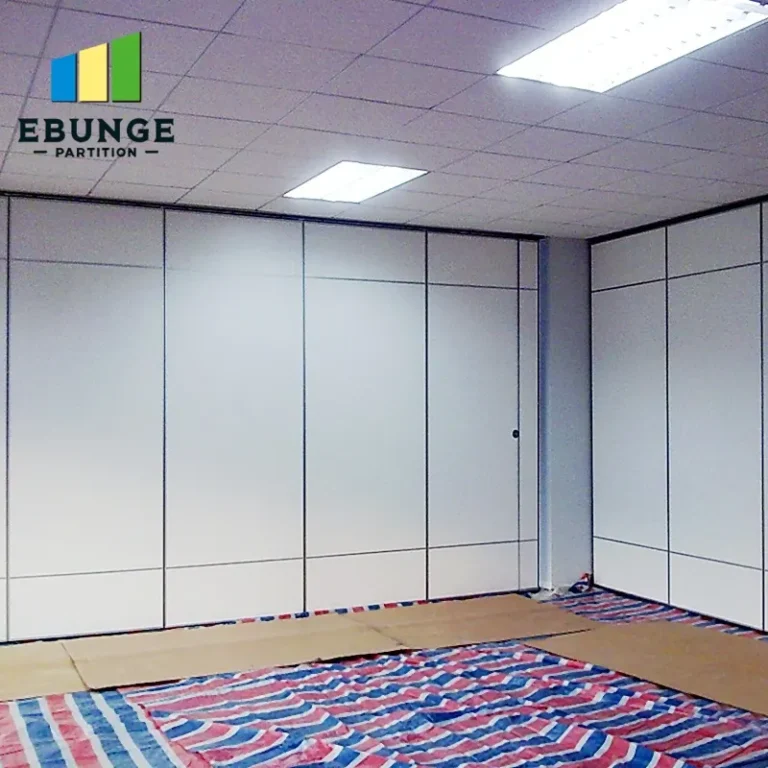
Frequently Asked Questions
What is the average cost of a movable partition wall for a conference room?
There is no fixed average because costs vary widely based on size, acoustic rating, and finish. For a typical conference room, you might see quotes ranging from a few thousand to tens of thousands of dollars. Always get a custom quote based on your specifications.
Are there hidden fees I should watch out for?
Hidden fees can include delivery charges, site preparation, structural reinforcement, and disposal of old partitions. Ask your supplier for a comprehensive breakdown that includes all possible costs.
How does acoustic rating affect the price?
Higher STC ratings require more advanced materials and seals, which increase the cost. For example, an STC 50 wall will be more expensive than an STC 40 wall due to additional layers and precision installation.
Can I install a movable partition myself to save money?
DIY installation is not recommended because proper alignment and acoustic sealing are critical. Incorrect installation can lead to poor performance and void warranties. Professional installation ensures compliance with safety and acoustic standards.
What information do I need to provide for a quotation?
You should provide the opening dimensions, ceiling height, drawings, desired acoustic rating, finish preferences, project location, and any special requirements like fire rating or integration with lighting/HVAC.
How long does installation take?
Installation time depends on the project complexity. A simple wall might take a couple of days, while a complex multi-panel system could take a week or more. Your supplier can give a timeline based on your specific needs.
Is warranty included in the price?
Most suppliers offer a standard warranty, but the coverage length and what it includes vary. Some warranties cover parts only, while others include labor. Clarify the warranty terms before you sign the contract.
For this buyer review, movable partition cost should be checked against the confirmed opening, drawings, operating plan, and project specification.
Send the opening size and drawings to discuss a differentiated movable partition cost solution.