
As an interior designer, you know that a hotel banquet hall is more than a room—it’s a revenue-generating asset that must adapt to weddings, conferences, and exhibitions. The choice of a movable partition wall system is critical, but so is its maintenance. A poorly maintained operable wall can disrupt events, rack up repair costs, and tarnish your reputation. This guide focuses on movable partition installation and maintenance for hotel banquet halls, addressing your concerns about frequency, cost, operational impact, warranty, spare parts, and required skills. We’ll help you ask the right questions and prepare for a successful project.
Direct answer: For a hotel banquet hall, movable partition maintenance involves regular inspection of the top-hung track system, seals, and panels, with light cleaning and lubrication every 3–6 months, and professional servicing annually. The frequency and cost depend on usage, product quality, and warranty terms. Always confirm maintenance requirements with your supplier and ensure they provide training, spare parts availability, and clear documentation.
Movable Partition Installation: Why Movable Partition Maintenance Is a Design Decision
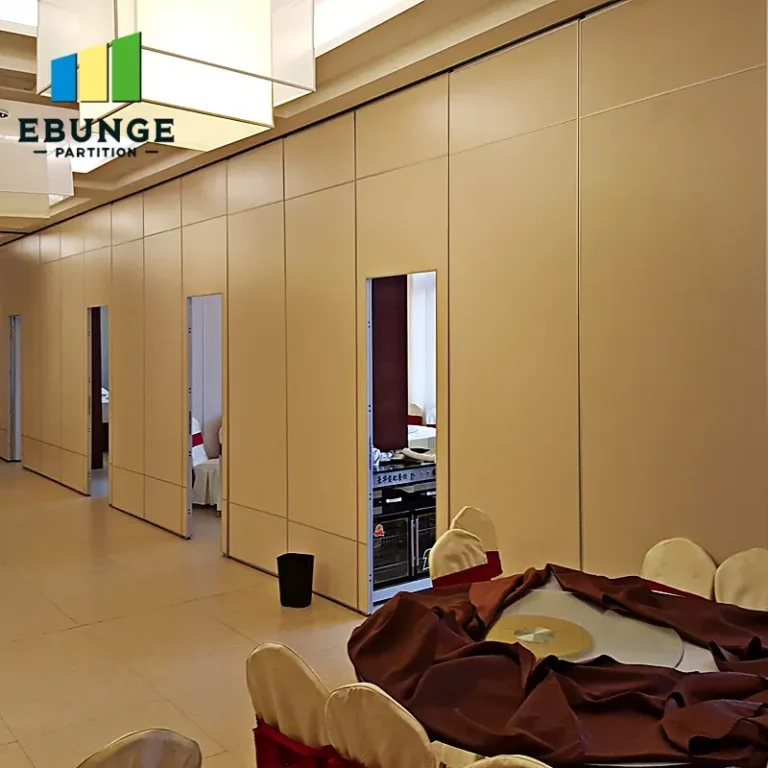
When you specify a movable partition wall, you’re not just choosing a product—you’re choosing a maintenance regime. The design of the system, especially the top-hung track without a floor rail, affects how easy it is to clean, inspect, and repair. A well-designed system minimizes dust accumulation, reduces wear on moving parts, and allows for quick access to critical components. For a hotel banquet hall, where events are frequent and turnaround times are short, maintenance must be efficient and non-disruptive.
Consider the acoustic performance over time. Seals and perimeter gaskets degrade with use, impacting sound insulation. Regular maintenance ensures that the acoustic partition solutions you specified continue to perform as intended. This is not just about upkeep; it’s about protecting your design’s integrity and your client’s investment.
Need help turning the movable partition installation requirements into a practical project layout?
What to Ask Before You Specify an Operable Wall System
To avoid surprises, include maintenance in your initial inquiries. Here are key questions to ask the supplier:
- What is the recommended maintenance schedule for this specific system?
- Which components are likely to need replacement, and how long do they typically last?
- Do you provide training for our facility team?
- What is the warranty coverage, and what does it exclude?
- Are spare parts available locally, and what is the lead time?
- What is the estimated annual maintenance cost, including labor and parts?
These questions will help you compare options and prepare for long-term ownership. Remember, the cheapest quote may not be the most economical over the system’s life.
Maintenance Considerations for Top-Hung Track Systems
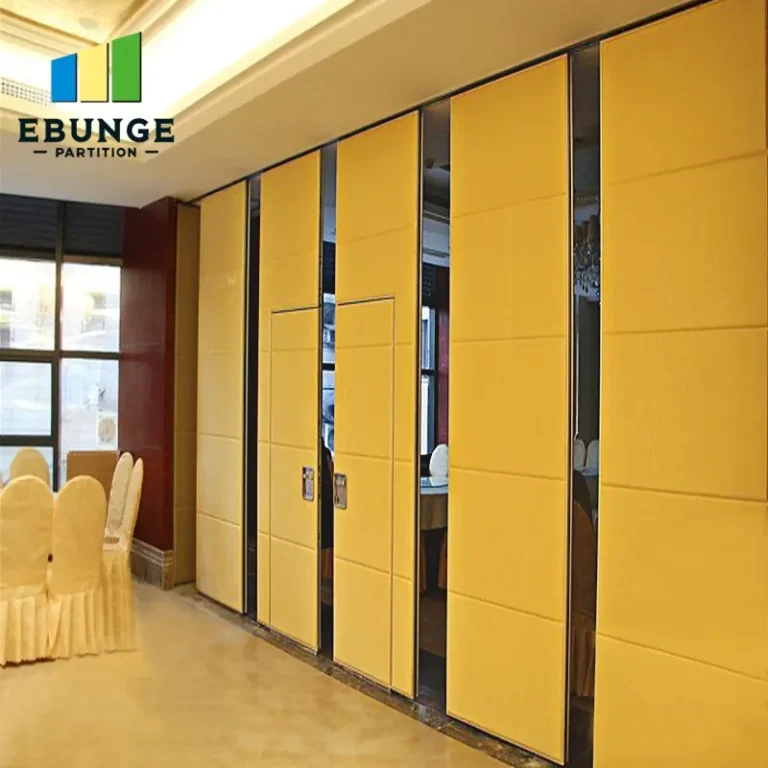
Top-hung track systems, which are common in hotel banquet halls, have specific maintenance needs. The track and trolleys are overhead, so they are less exposed to dirt and damage than floor rails, but they still require periodic inspection and lubrication. The absence of a floor rail simplifies cleaning and reduces trip hazards, but it also means that the wall’s weight is supported from above, placing stress on the overhead structure and trolleys.
During maintenance, check the following:
- Track alignment and wear
- Trolley wheels and bearings
- Seals and gaskets for damage or gaps
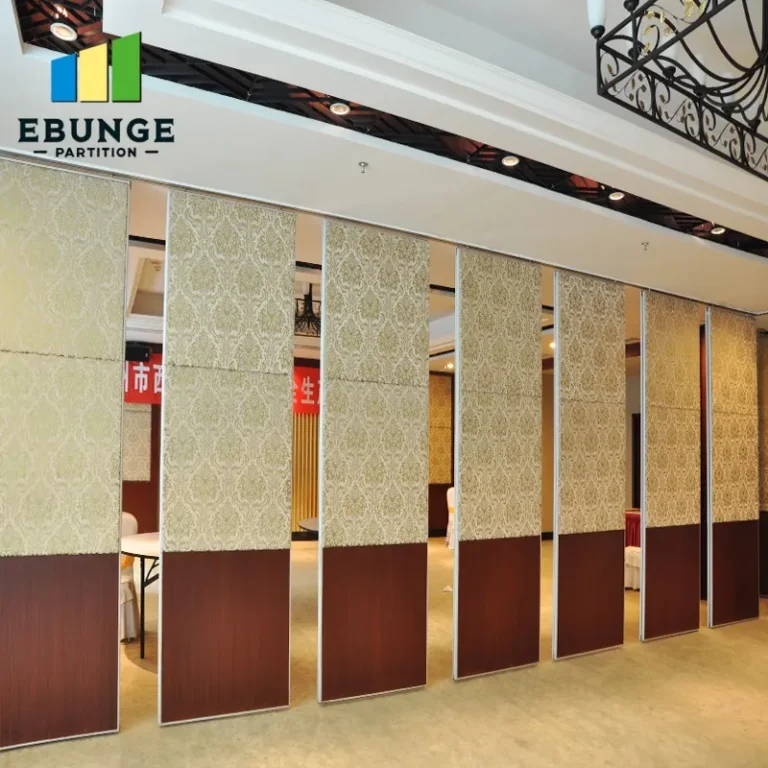
- Panel edges and surface finish
- Locking mechanisms and handles
Regular cleaning of the track and panels prevents dust buildup, which can cause operational issues. Use a soft cloth and mild detergent; avoid abrasive cleaners that can damage finishes.
Frequency and Cost of Upkeep: What to Expect
Maintenance frequency depends on usage. For a busy hotel banquet hall, light maintenance (cleaning, visual inspection) should occur monthly, while a thorough check and lubrication can be done quarterly. An annual professional service is recommended to address wear and tear, replace seals, and adjust alignment.
Costs vary widely based on system size, complexity, and service provider. You can expect to budget a small percentage of the initial installation cost per year for maintenance. However, this is an estimate; exact figures must be confirmed with your supplier. They should provide a maintenance plan with clear pricing.
To minimize operational impact, schedule maintenance during off-peak hours or on days when the hall is not booked. A well-planned maintenance program reduces emergency repairs and extends the system’s lifespan.
Warranty Coverage and Spare Parts: Read the Fine Print
Warranties typically cover manufacturing defects but not normal wear and tear. Ensure you understand what is included: parts, labor, travel? How long is the warranty? Does it require regular professional maintenance to remain valid? Ask for a copy of the warranty terms before signing.
Spare parts availability is crucial. Inquire about the supplier’s stock and lead times. For critical components like seals and trolleys, consider stocking a small inventory yourself. A reliable movable partition maintenance supplier will be transparent about parts availability and can provide a recommended spare parts list.
Skill required for maintenance: most routine tasks can be performed by trained facility staff, but complex repairs (e.g., replacing a trolley or realigning the track) may require a certified technician. Ask the supplier if they offer training or service contracts.
Share the opening, drawings, finish direction, and privacy target for a project-specific review.
Impact on Daily Operations: Minimizing Disruption
Maintenance should not interfere with your events. Plan for inspections during changeovers or overnight. Use a maintenance log to track service dates and identify patterns. A proactive approach reduces downtime and avoids last-minute cancellations.
Consider the acoustic performance during maintenance. If seals are replaced, verify that the acoustic rating is restored. This is especially important for hotel banquet halls where multiple events may occur simultaneously.
For a seamless experience, coordinate with your supplier to schedule maintenance during your low season. Many suppliers offer flexible maintenance windows.
A Practical Maintenance Checklist for Your Facility Team
Here is a checklist to include in your operations manual:
- Monthly: visually inspect panels and tracks; clean surfaces with a soft cloth.
- Quarterly: lubricate trolleys and locks as per manufacturer’s instructions; check seals for wear.
- Annually: have a professional service inspect the entire system, replace worn parts, and realign if needed.
- After heavy use: check for loose hardware and adjust as necessary.
Document every maintenance action and note any issues. This log will help you track costs and identify recurring problems.
Comparing Maintenance Needs: Top-Hung vs. Floor-Rail Systems
When comparing operable wall systems, consider the maintenance implications. The table below outlines key differences:
| Aspect | Top-Hung Track (No Floor Rail) | Floor-Rail System |
|---|---|---|
| Floor cleaning | Easy, no obstructions | Rail can trap dirt, harder to clean |
| Track maintenance | Overhead, less dirt, but needs ladder | Floor rail accessible but prone to damage |
| Operational disruption | Minimal, no floor obstruction | Rail may affect flooring and event setup |
| Spare parts | Typically more standardized | May require specific parts for rail |
| Skill required | Basic for routine; professional for complex | Similar, but rail repairs may be simpler |
This comparison is general; always consult your supplier for specifics.
Preparing for Your Next Project: Documentation and Coordination
To ensure a smooth movable partition installation and maintenance plan, gather the following before contacting suppliers:
- Opening size and layout drawings
- Acoustic target (STC rating) and test requirements
- Finish preferences (wood veneer, fabric, laminate, etc.)
- Project location and site access details
- Expected usage frequency and maintenance schedule
Share these details with suppliers to receive accurate quotations and maintenance recommendations. A reputable supplier, like those offering movable partition wall solutions, will guide you through the process. Visit our blog for more insights on movable partition installation.
Frequently Asked Questions
How often should movable partition maintenance be performed?
Light maintenance monthly, thorough checks quarterly, and professional service annually. Adjust based on usage.
What is the typical cost of maintenance for a hotel banquet hall partition?
Costs vary; ask your supplier for a detailed plan. Budget a small percentage of installation cost annually.
How can maintenance impact daily operations?
If scheduled properly, minimal. Plan during off-peak times and use a maintenance log to avoid disruptions.
What does the warranty cover for movable partitions?
Usually manufacturing defects, not wear and tear. Read the terms and ask about exclusions.
Are spare parts readily available for movable partition systems?
Check with your supplier. Reputable suppliers stock common parts and offer quick lead times.
What skills are needed for maintenance?
Routine tasks can be done by trained staff; complex repairs may require a certified technician.
In conclusion, movable partition maintenance is a critical factor in the success of your hotel banquet hall project. By asking the right questions and planning for upkeep, you can ensure that your operable wall system performs reliably and acoustically as designed. For more information, contact us to discuss your project specifics.
For this buyer review, movable partition installation should be checked against the confirmed opening, drawings, operating plan, and project specification.
Send the opening size and drawings to discuss a differentiated movable partition installation solution.