
When planning an exhibition hall, the movable partition cost is often the first question that comes to mind. As an interior designer, you need to balance aesthetics, functionality, and budget. But the true movable wall for hotel or exhibition hall project cost goes far beyond the initial quote. It involves technical specifications, installation complexity, long-term durability, and compliance with building codes. This article breaks down the factors that influence pricing, helping you prepare for accurate quotations and successful project execution.
Direct answer: The movable partition cost for an exhibition hall is determined by the wall’s size, configuration, acoustic performance requirements, material and finish choices, track system type, installation conditions, and additional features like soundproofing or fire resistance. Exact pricing requires a detailed project assessment, including opening dimensions, drawings, and acoustic targets. For a precise estimate, share your project details with a reputable supplier.
Why Movable Wall for Hotel Projects Require Custom Quoting
Unlike standard partitions, a movable wall for hotel or exhibition hall is typically custom-engineered to fit exact dimensions and performance needs. Each project has unique constraints: ceiling height, floor conditions, structural support, and the desired acoustic rating. Suppliers must consider these variables to provide a quote that reflects the true cost of materials, engineering, and installation. Therefore, a one-size-fits-all price list is rarely applicable.
For example, a top-hung track system without a floor rail is a popular choice for exhibition halls because it allows for unobstructed floor space and easier cleaning. However, this system requires a robust overhead structure to support the wall’s weight. The engineering and reinforcement needed can significantly affect the movable partition cost. Always provide detailed drawings and site conditions to get an accurate quotation.
Need help turning the movable partition cost requirements into a practical project layout?
Key Cost Drivers for Movable Partition Walls
Understanding the cost drivers helps you ask the right questions and compare quotes effectively. Here are the primary factors that influence pricing:
- Size and configuration: Larger spans and complex shapes (e.g., curved or angled walls) increase material and engineering costs.
- Acoustic performance: Higher Sound Transmission Class (STC) ratings require thicker panels, additional seals, and more robust hardware, raising the price.
- Finish and materials: Custom finishes, such as wood veneer, fabric panels, or glass inserts, add to the cost compared to standard painted finishes.
- Track system: Top-hung systems are generally more expensive than floor-supported ones due to the need for structural reinforcement, but they offer better floor flexibility.
- Installation complexity: Difficult site access, uneven floors, or existing ceiling structures can increase labor time and costs.
- Additional features: Fire-resistant materials, integrated door panels, or motorized operation add to the total cost.
Acoustic Performance: Balancing Budget and Soundproofing Needs
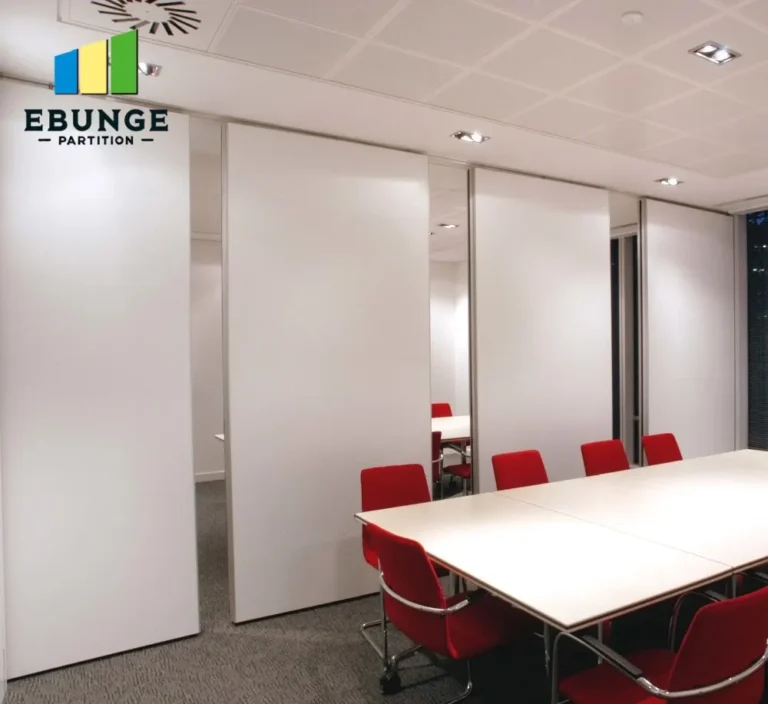
In an exhibition hall, acoustic privacy is often crucial for meetings, presentations, or events. The required acoustic rating directly impacts the movable partition cost. For example, a wall with an STC of 40 is less expensive than one with STC 50, which requires thicker panels and better sealing. However, higher acoustic performance also means better sound insulation, which can be a selling point for clients.
When specifying acoustic requirements, consider the ambient noise level of the hall and the desired level of privacy. An acoustic partition solution that meets but does not exceed the requirement is often the most cost-effective. Discuss your acoustic target with the supplier to find the right balance.
Installation Complexity and Its Effect on Quotation
Installation is a significant part of the movable partition cost. Factors like ceiling height, structural support, and access to the site can complicate the process. For instance, a top-hung track system requires precise alignment and reinforcement of the overhead structure. If the existing ceiling cannot support the weight, additional steel beams may be needed, increasing costs.
Moreover, installation in an active exhibition hall may require off-hours work, which can incur overtime labor charges. Always discuss installation conditions with the supplier to avoid surprises. A professional supplier will conduct a site survey to assess these factors before providing a final quote.
Durability and Maintenance: Total Cost of Ownership
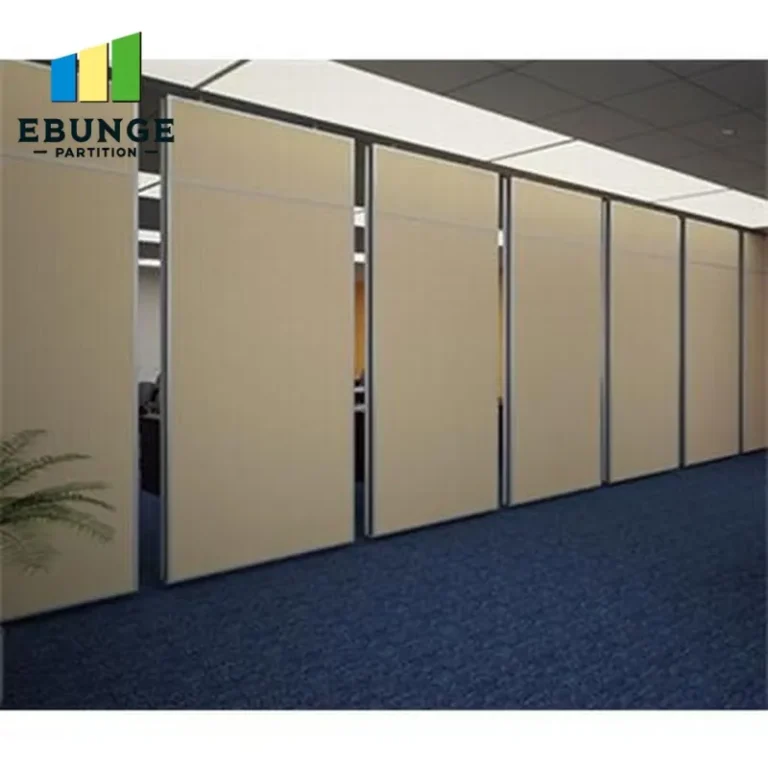
Exhibition halls are high-traffic environments, so the operable wall system must withstand frequent use. Durable materials and robust hardware reduce the need for repairs and extend the wall’s lifespan, but they come at a higher initial cost. Consider the total cost of ownership, not just the upfront price. A cheaper wall may require more maintenance or replacement sooner, ultimately costing more.
Ask about the warranty and after-sales support. A reputable movable wall for hotel supplier will offer a comprehensive warranty and be available for maintenance. This assurance can be more valuable than a lower initial quote.
Share the opening, drawings, finish direction, and privacy target for a project-specific review.
Aesthetics: Matching Your Hotel’s Design Vision
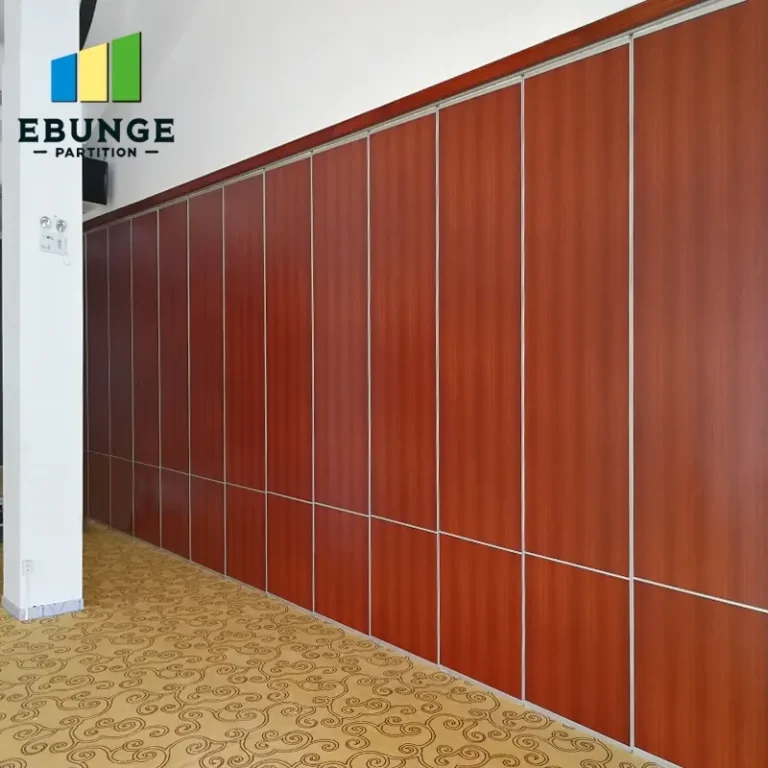
The visual appeal of the partition is critical in a hotel or exhibition hall. Custom movable wall panels can be finished with a variety of materials, colors, and textures to match the interior design. However, custom finishes and premium materials increase the movable partition cost. For example, a wood veneer finish is more expensive than a laminate, but it adds a touch of elegance that may be worth the investment.
When budgeting, consider the long-term aesthetic value. A well-designed partition can enhance the overall ambiance and even become a focal point. Share your design preferences with the supplier to get accurate pricing for finishes.
Compliance with Building Codes and Safety Standards
Exhibition halls must comply with local building codes, including fire safety, accessibility, and structural integrity. These requirements can influence the movable partition cost. For instance, fire-resistant panels and seals are more expensive than standard ones. Accessibility features, such as easy operation for people with disabilities, may also add to the cost.
Ensure that the supplier is knowledgeable about local regulations and can provide documentation of compliance. This is not only a legal requirement but also protects the safety of occupants. A reliable supplier will guide you through these regulations and incorporate them into the quote.
How to Get Accurate Quotes: A Buyer’s Checklist
To receive comparable and accurate quotes, provide each supplier with the same detailed information. Use this checklist to prepare your project specifications:
| Information Needed | Why It Matters |
|---|---|
| Opening size (width, height, depth) | Determines the wall dimensions and material quantities. |
| Architectural drawings (floor plan, elevations) | Helps engineers design the track system and assess structural requirements. |
| Acoustic target (STC rating) | Influences panel thickness, sealing, and cost. |
| Finish preference (laminate, veneer, fabric, etc.) | Affects material cost and aesthetic appeal. |
| Project location | Determines building codes, labor rates, and logistics. |
| Site conditions (ceiling type, floor flatness) | Affects installation complexity and potential reinforcement needs. |
| Expected usage frequency | Helps select durable hardware and finishes. |
By providing this information upfront, you enable suppliers to give more precise quotes, reducing the risk of unforeseen costs during installation.
Frequently Asked Questions
What is the average cost of a movable partition wall?
There is no standard average because costs vary widely based on size, materials, and features. For an accurate estimate, you must submit your project details to suppliers for a custom quote.
How does the top-hung track system affect the cost?
A top-hung track system without a floor rail often requires structural reinforcement of the ceiling, which can increase the movable partition cost. However, it offers the benefit of an unobstructed floor, which may be worth the extra expense for exhibition halls.
Can I get a movable wall with high acoustic performance on a budget?
Yes, but you may need to compromise on other aspects like finish or size. Discuss your acoustic requirements and budget with the supplier to explore cost-effective acoustic partition solutions.
How long does installation take for a movable wall?
Installation time depends on the project’s complexity, including site conditions and wall size. A professional supplier will provide a timeline based on your specific project.
What warranty should I expect for a movable partition wall?
Warranties vary by supplier. It’s essential to ask about the warranty coverage for panels, hardware, and installation. A reputable supplier will offer a reasonable warranty period.
Conclusion: Making Informed Decisions on Movable Partition Cost
Understanding the factors that affect movable partition cost empowers you to make budget-friendly decisions without compromising on quality. By preparing detailed project information and asking the right questions, you can obtain accurate quotes and avoid unexpected expenses. Remember, the cheapest option is not always the most cost-effective in the long run. Consider the total cost of ownership, including maintenance and durability.
For further guidance, explore our resources on movable partition walls and cost considerations. If you’re ready to discuss your project, contact our team for a detailed consultation. We’re here to help you achieve the perfect balance of form, function, and budget.
Send the opening size and drawings to discuss a differentiated movable partition cost solution.