
When a community center plans to add flexible spaces, the acoustic movable partition is often the most scrutinized purchase. Unlike office meeting rooms, public buildings face constant use, strict accessibility rules, and long-term maintenance realities that demand a different level of scrutiny. This guide helps you evaluate an acoustic movable partition for a government or public building project, focusing on quotation readiness and reducing decision risk. We will cover technical specifications, installation logistics, and maintenance planning, all without overpromising on performance.
Direct answer: For a community center, the right acoustic movable partition balances acoustic performance, durability, and ease of maintenance. To get an accurate quote, you need to specify the opening size, the acoustic target (e.g., STC rating), finish preferences, and provide architectural drawings. Working with a factory-direct supplier that offers custom project coordination and installation guidance reduces risk. Always confirm exact values from project documents, not generic claims.
Acoustic Movable Partition: Why Community Centers Demand a Different Partition Wall System
Community centers are not typical offices. They host toddlers’ classes, senior fitness sessions, town hall meetings, and private rentals. The partition wall system must withstand high traffic, frequent reconfiguration, and accidental impacts. Unlike an office meeting room, where aesthetics might dominate, a community center requires a system that is robust, easy to clean, and safe for all ages. Furthermore, public projects are funded by taxpayer money, so every decision is scrutinized for long-term value.
You also face unique challenges: installation must often happen during operating hours, minimizing disruption to ongoing programs. This means the installation team must work around a tight schedule, and the partition system must be designed for efficient assembly. A custom movable partition wall can be engineered to fit your exact opening dimensions and operational constraints, but only if you provide precise information upfront.
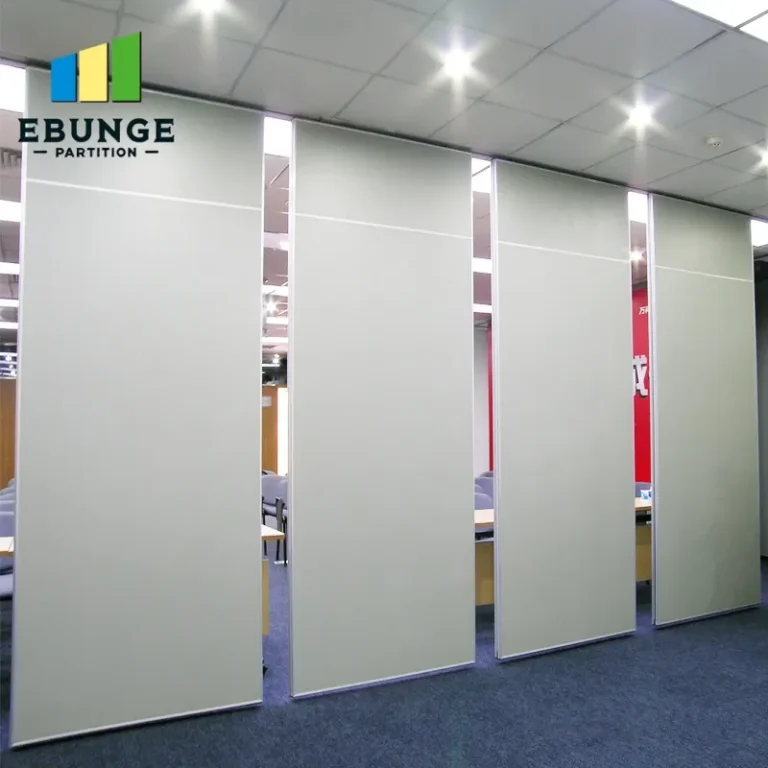
Need help turning the acoustic movable partition requirements into a practical project layout?
Key Technical Specifications for Public Buildings
Before requesting quotes, you need to define your technical requirements. The most critical are:
- Opening size: Measure width, height, and depth of the opening. Include any obstructions like lights or sprinklers.
- Acoustic target: Determine the required sound transmission class (STC) or acoustic rating. This depends on the adjacent spaces and their uses. For example, a partition between a music room and a quiet study area needs a higher rating than one between two meeting rooms.
- Finish preferences: Choose surfaces that are durable and easy to clean. Consider tackable surfaces for pinning notices, or marker boards for presentations.
- Fire and safety codes: Ensure the partition meets local fire codes, including fire-resistance ratings and emergency exit requirements. Confirm with the manufacturer’s documentation.
Installation Disruption: Planning for Minimal Downtime
One of the biggest concerns for a community center is installation disruption. You cannot simply shut down the building for a week. A professional installer can work after hours or during low-activity periods, but this requires careful planning. The partition system should be designed for quick installation, ideally with top-hung track systems that do not require floor rails, reducing on-site work and mess.
Ask your supplier for a detailed installation plan: how many workers, how many days, and what time of day. Also, ask about noise and dust control. Some systems are pre-finished in the factory, minimizing on-site sanding or painting. This is where factory-direct support becomes valuable: they can coordinate with your schedule and provide clear guidance.
Compliance with Building Codes and Accessibility
Public buildings must comply with the Americans with Disabilities Act (ADA) or similar accessibility standards. This affects the partition system in several ways: the track must not create a tripping hazard, the partition should not obstruct accessible routes, and the operation of the partition should be easy for people with limited strength. Also, fire codes may require that the partition be integrated with fire alarms and emergency lighting.
Your supplier should provide documentation that their system meets these codes. Do not rely on verbal assurances; ask for certificates and test reports. If a custom design is needed, the supplier must be willing to adapt to your specific requirements while maintaining compliance.
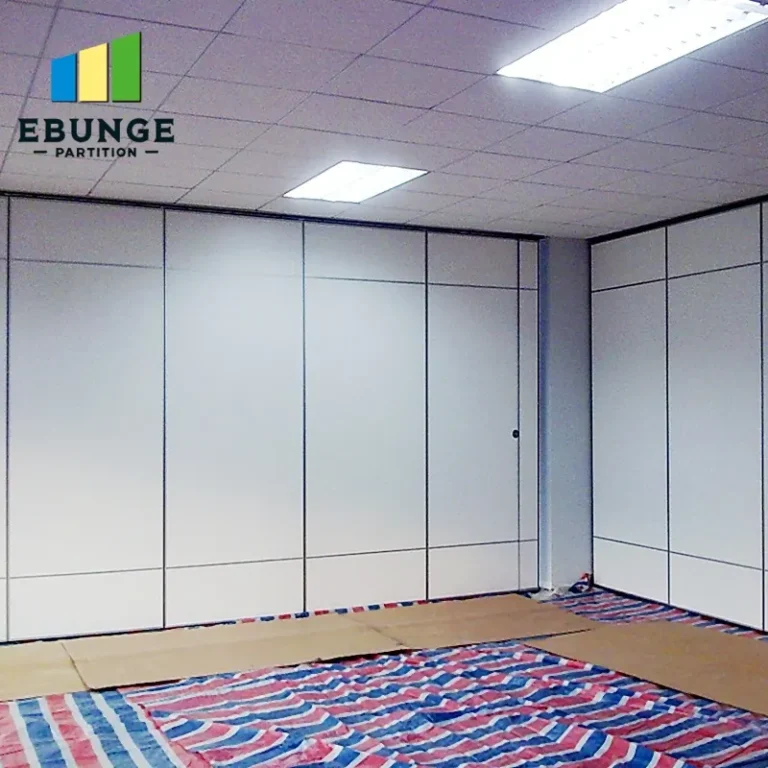
Long-Term Durability and Low Maintenance
Community centers are used hard. The partition wall system must withstand years of sliding, folding, and occasional bumps. Look for features like reinforced hinges, durable fabrics or laminates, and tracks that are easy to clean. A top-hung track without a floor rail is easier to maintain because there is no floor channel to collect dirt and debris. Also, consider the maintenance requirements: some systems require periodic adjustments, while others are designed to be maintenance-free for a certain period. Ask for a maintenance schedule and warranty terms.
Budget Constraints: Getting the Best Value
Public projects have strict budgets, but the cheapest option is not always the most cost-effective. Consider the total cost of ownership: initial purchase, installation, maintenance, and potential replacement. A slightly higher upfront cost for a more durable system may save money in the long run. Additionally, factory-direct suppliers often offer better prices because they eliminate middlemen, but be sure to compare apples to apples: include installation, taxes, and any custom work.
Share the opening, drawings, finish direction, and privacy target for a project-specific review.
Acoustic Performance Certification: What to Look For
Acoustic performance is a key selling point, but you cannot just take the manufacturer’s word for it. Look for independent test reports from accredited laboratories. The test should be conducted according to ASTM E90 or similar standards. The STC rating is a single number, but you should also check the sound transmission loss at specific frequencies, especially if you have noise issues like bass from music or HVAC systems. Ask the supplier to provide these reports for your specific configuration, as performance can vary with size and materials.
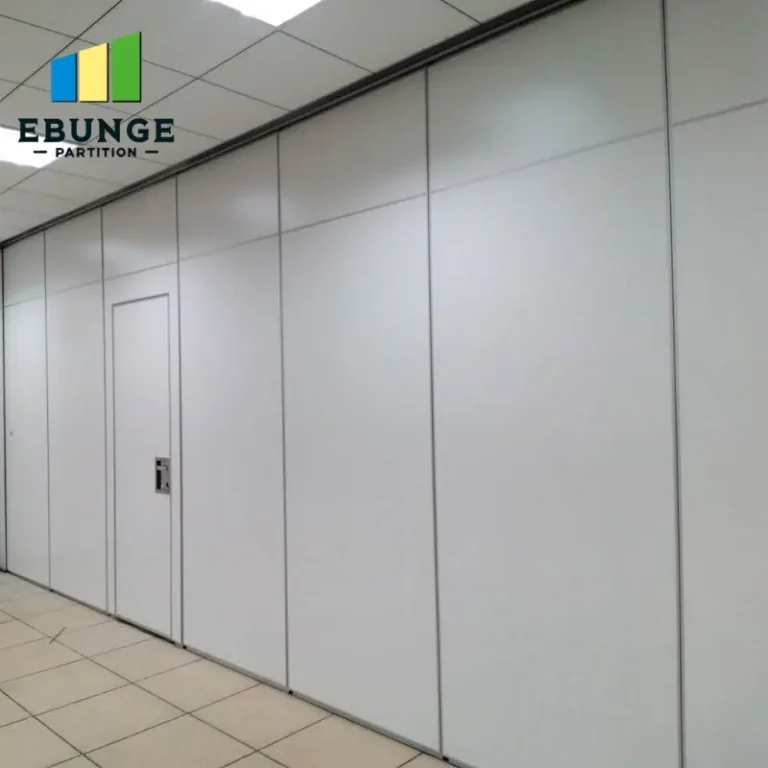
Warranty Coverage and After-Sales Support
A warranty is your safety net. Read the fine print: what parts are covered, for how long, and what is excluded? For example, some warranties do not cover damage due to misuse or normal wear and tear. Also, check the supplier’s after-sales support: do they have a local service team, or will you have to ship parts? For a public building, you want a warranty that is easy to enforce and a supplier that is responsive.
Comparison Checklist: Evaluating Suppliers
Use this checklist when comparing quotes and proposals:
| Criteria | What to Verify |
|---|---|
| Opening size | Exact dimensions, including tolerances |
| Acoustic target | STC rating from independent test |
| Finish options | Durability, cleanability, tackability |
| Installation plan | Timeline, disruption, team size |
| Codes and compliance | Fire, ADA, local building codes |
| Maintenance | Required adjustments, cleaning |
| Warranty | Coverage, duration, exclusions |
| Budget | Total cost of ownership, not just purchase |
How to Prepare for a Quotation: Documents and Drawings
To get an accurate quote, you must provide complete information. This includes architectural drawings showing the opening, wall construction, and ceiling height. Also, specify the acoustic target, finish preferences, and any special requirements like fire rating or accessibility. The more details you give, the more accurate the quote and the lower the risk of change orders later. A factory-direct supplier can offer custom project coordination and help you refine your specifications.
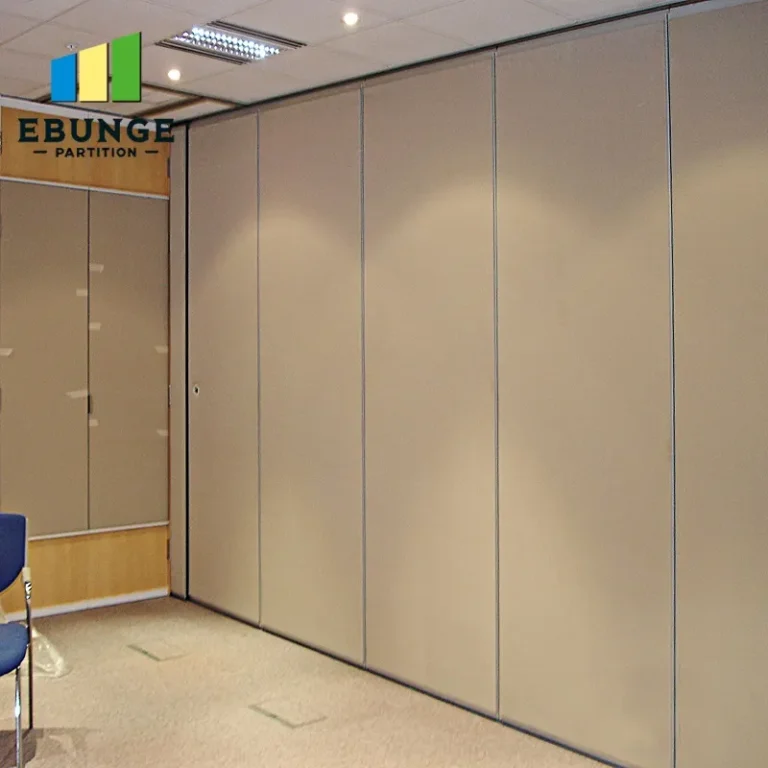
Conclusion: Make an Informed Decision
Choosing the right acoustic movable partition for your community center is a significant decision. By focusing on quotation readiness and understanding the technical and logistical details, you can reduce risk and ensure a successful installation. Remember to verify all performance claims with documented evidence, and work with a supplier that offers factory-direct support and custom coordination. For more insights, explore our movable partition wall resources, or read about installation best practices. If you have specific questions, contact our team for personalized guidance.
Frequently Asked Questions
What is the typical lead time for a custom acoustic movable partition?
Lead time varies based on complexity and factory schedule. After you provide detailed specifications and drawings, the supplier can give you a realistic timeline. Always confirm in writing.
Can the partition be installed without disturbing ongoing activities?
Yes, if the installation is planned properly. Many suppliers offer after-hours installation or phased installation to minimize disruption. Discuss your schedule with the supplier.
How do I know the acoustic rating is accurate?
Ask for independent test reports from accredited labs. The report should match your specific configuration. If the supplier cannot provide this, consider it a red flag.
What maintenance does a top-hung partition require?
Top-hung partitions without floor rails typically require less maintenance because there is no floor track to clean. Still, periodic checks of the track and hangers are recommended. Your supplier should provide a maintenance guide.
Can the partition be customized to match our interior design?
Yes, many suppliers offer a range of finishes, including laminates, fabrics, and marker boards. You can also choose custom colors to match your branding or decor.
Send the opening size and drawings to discuss a differentiated acoustic movable partition solution.