
For banquet hall operators, the challenge of adapting a large, open space for diverse events often collides with the need for privacy and acoustic control. Whether you’re converting a ballroom into a temporary recording studio or creating intimate breakout rooms, the choice of an office movable partition becomes a critical investment. This article focuses on the practical steps to prepare for a quotation and reduce project decision risk, ensuring your partition wall system meets long-term maintenance and performance expectations.
Direct answer: To solve space and privacy issues in a banquet hall, an office movable partition is a versatile solution, but success hinges on clear specifications. Before requesting quotes, define the opening size, acoustic target (e.g., STC rating), finish preference, and provide detailed drawings. Work with a factory-direct supplier who offers custom project coordination, installation guidance, and after-sales support, ensuring the system is top-hung without a floor rail for easy maintenance and flexibility.
Office Movable Partition: Why Banquet Halls Need More Than a Simple Divider
Banquet halls are multi-functional venues. One day you host a wedding reception, the next a corporate seminar or a recording session. The need to subdivide space without permanent construction is obvious, but the requirements go beyond just separating rooms. You need a system that offers soundproofing, durability, and aesthetic integration, all while being easy to operate and maintain. An office movable partition is designed for such flexibility, but not all systems are equal. The key is to approach the purchase as a long-term asset, not a quick fix.
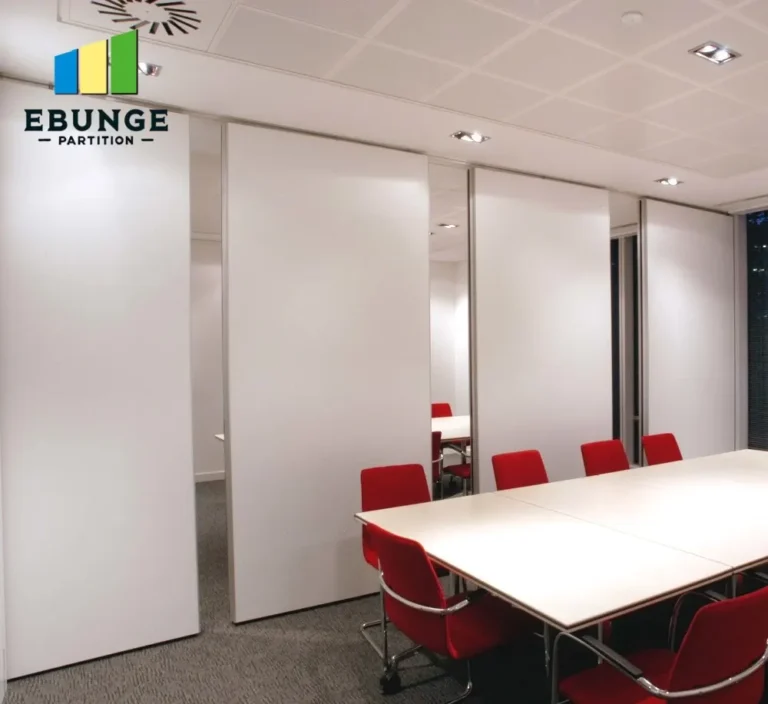
Need help turning the office movable partition requirements into a practical project layout?
Understanding Your Acoustic and Spatial Requirements
Before you even contact a supplier, you must define your needs. The first step is to measure the exact opening size where the partition will be installed. This includes height, width, and any obstructions like pillars or lighting fixtures. Next, determine the acoustic target. If you’re creating a recording studio, you’ll need a higher Sound Transmission Class (STC) rating, typically 50 or above, but this must be verified with your supplier. For general event spaces, a lower rating might suffice. Document these specifications on a drawing or a simple sketch; this will be your basis for comparing quotes.
The Hidden Costs of Ignoring Installation Disruption
One of the biggest concerns for a banquet hall operator is downtime. Traditional construction can shut down your venue for weeks. A movable partition, especially a top-hung system without a floor rail, can be installed quickly, often in a few days. However, you must plan for the installation process. Discuss with the supplier how they will handle delivery, assembly, and any necessary adjustments. Ask about the number of installers, the time required, and whether they will protect your flooring and décor. A professional installer will minimize disruption, but you should also consider scheduling installation during a quiet period.
Durability and Maintenance: The Long-Term View
Your partition will be used frequently, possibly daily. It needs to withstand impacts, frequent sliding, and cleaning. When evaluating an office movable partition, inquire about the materials used, especially the panels, seals, and track system. A top-hung track reduces the risk of damage to the floor and makes cleaning easier. Ask about maintenance requirements: how often do seals need replacing, how do you lubricate the track, and what is the warranty on moving parts? A factory-direct supplier can often provide better support and spare parts, but always verify these details in writing.
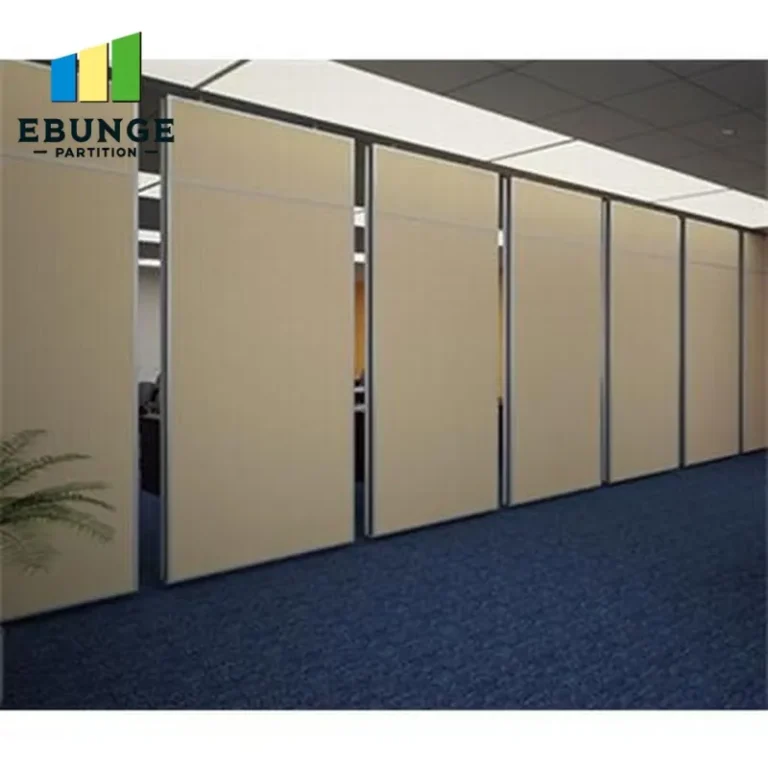
Customization Options for Your Banquet Hall Aesthetics
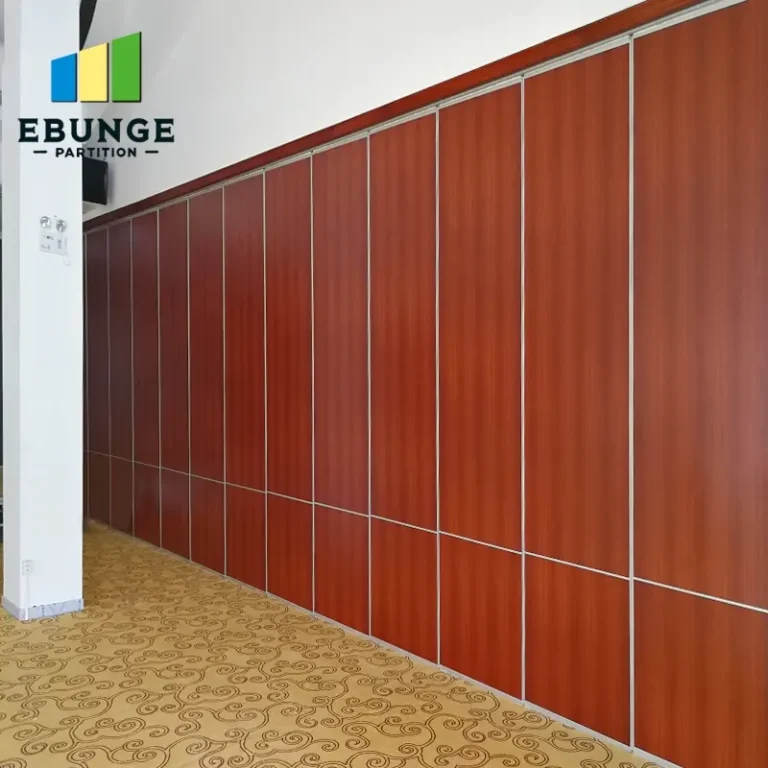
Your partition should complement your existing décor, not clash with it. Most suppliers offer a range of finishes, from wood veneer to fabric panels, and even glass inserts. When requesting a quote, specify your finish preference and ask for samples. Customization can also include the size of panels, the number of leaves, and the stacking configuration. A custom movable partition wall can be tailored to your exact needs, but this may affect cost and lead time. Ensure you understand all available options and their impact on your budget.
Comparing Cost vs. Value: What to Look For
Price is always a factor, but the cheapest quote is rarely the best value. Consider the total cost of ownership, including installation, maintenance, and potential repairs. A higher-quality system with a robust warranty and reliable support may cost more upfront but save you money in the long run. When comparing quotes, look at the specifications: are they offering the same acoustic rating, the same materials, and the same warranty? If not, you’re not comparing apples to apples. Ask for a detailed breakdown of costs, including delivery and installation.
Share the opening, drawings, finish direction, and privacy target for a project-specific review.
Warranty and Support: Protecting Your Investment
Before signing any contract, clarify the warranty terms. What does it cover, how long does it last, and who provides the support? A factory-direct supplier might offer a more comprehensive warranty and faster response times, but you need to confirm this. Ask for references or case studies of similar projects. While we cannot guarantee specific performance, a reputable supplier will be transparent about their track record. Also, check if they provide installation guidance, as this can prevent costly mistakes.
Preparing for Quotation: A Practical Checklist
To ensure you receive accurate and comparable quotes, prepare the following information:
- Opening dimensions: Measure height, width, and depth of the area.
- Acoustic target: Specify the desired STC rating or soundproofing level.
- Finish preference: Choose from available samples or provide a custom color code.
- Drawings: Provide architectural or simple sketches showing the installation area.
- Operational needs: How often will you use the partition? Manual or motorized operation?
- Installation constraints: Any obstacles, ceiling height, or access limitations?
- Budget range: Be upfront about your budget to filter out unrealistic proposals.
Comparison Table: Key Factors to Evaluate
| Factor | Why It Matters | Questions to Ask |
|---|---|---|
| Acoustic performance | Ensures privacy and sound isolation | What is the STC rating? How is it tested? |
| Track system | Affects durability and ease of use | Is it top-hung? What is the track material? |
| Material quality | Determines longevity and appearance | What are the panel cores and surface finishes? |
| Installation time | Minimizes disruption to your business | How long does installation take? Who does it? |
| Maintenance | Reduces long-term costs | What maintenance is required? Are spare parts available? |
| Warranty | Protects your investment | What does the warranty cover and for how long? |
Why Factory Direct Support Matters
Working directly with a manufacturer, such as a folding partition wall supplier, can offer several advantages. You get direct access to technical experts who can help you customize the solution, and you may save on intermediary costs. Factory direct often means better support for installation guidance and after-sales service. When you request a quote, ask if they provide project coordination from design to installation. This can significantly reduce the risk of miscommunication and errors.
Conclusion: Making an Informed Decision
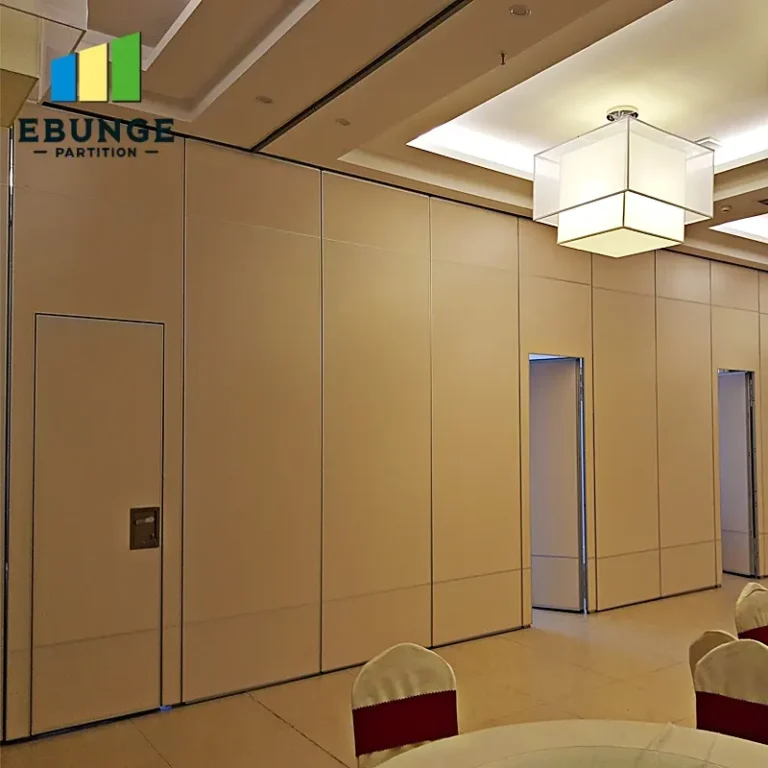
Choosing the right office movable partition for your banquet hall is a strategic decision. By focusing on your specific needs, preparing detailed specifications, and comparing quotes based on value rather than just price, you can minimize project risk. Remember to verify all claims with documentation and seek factory-direct support for the best outcome. For more insights, explore our movable partition wall solutions and cost guides. If you have specific questions, contact our team for personalized assistance.
Frequently Asked Questions
How do I know the acoustic rating I need for a recording studio?
The acoustic rating, typically measured in STC (Sound Transmission Class), depends on the level of isolation you require. For a recording studio, a higher STC (50+) is often recommended, but this must be verified based on your specific needs and the surrounding environment. Consult with your supplier to determine the appropriate target.
Can a movable partition be installed without damaging my existing floor?
Yes, a top-hung track system is designed to be floor-rail-free, which means no floor tracks are required. This minimizes damage to your flooring and makes cleaning easier. However, the ceiling structure must be able to support the weight of the partition, so a structural assessment is necessary.
What customization options are available for finishes and colors?
Most suppliers offer a range of finishes, including wood veneers, laminates, fabrics, and even glass. You can often match your existing décor or choose a custom color. It’s best to request samples before making a final decision.
How long does installation typically take for a banquet hall?
Installation time varies depending on the size and complexity of the system. A simple installation might take a few days, while a larger, more complex project could take a week or more. Your supplier should provide an estimated timeline based on your specific project.
What should I include in my quotation request?
To get accurate quotes, include the exact opening dimensions, desired acoustic performance, finish preferences, drawings or sketches, and any installation constraints. Also, specify whether you need manual or motorized operation and your budget range. This ensures all suppliers are quoting on the same basis.
Send the opening size and drawings to discuss a differentiated office movable partition solution.