
For overseas contractors and commercial project owners managing hotel banquet halls, the partition wall system is a critical asset that directly impacts event flexibility, guest experience, and operational continuity. Unlike static walls, operable partitions endure frequent movement, heavy usage, and exposure to environmental stressors, making maintenance a proactive necessity rather than a reactive afterthought. This guide focuses on evidence-based maintenance practices for partition walls in hotel ballrooms, helping you reduce operational faults, minimize lifecycle disruption, and protect your investment. Whether you are overseeing a new installation or troubleshooting an existing system, the following strategies are designed to align with real-world project constraints and supplier coordination.
Direct answer: To maintain a partition wall in a hotel ballroom effectively, implement a scheduled inspection routine (quarterly for mechanical parts, annually for structural integrity), follow manufacturer guidelines for cleaning and lubrication, train staff on proper operation, and address minor issues immediately before they escalate. Prioritize top-hung track systems without floor rails to reduce debris accumulation and simplify maintenance. Always verify specific requirements against your project’s drawings and supplier documentation.
Why Maintenance Matters for Hotel Banquet Hall Partitions
Hotel banquet halls are high-traffic environments where partition walls are used daily to reconfigure spaces for weddings, conferences, and exhibitions. Each operation stresses the system: panels slide, seals compress, and hardware wears. Without a structured maintenance plan, minor misalignments become major faults, leading to costly downtime and guest dissatisfaction. For overseas contractors, understanding these dynamics is essential for delivering long-term value to clients and avoiding liability issues. A well-maintained partition wall not only extends its lifespan but also preserves acoustic performance and safety compliance.
Need help turning the partition wall requirements into a practical project layout?
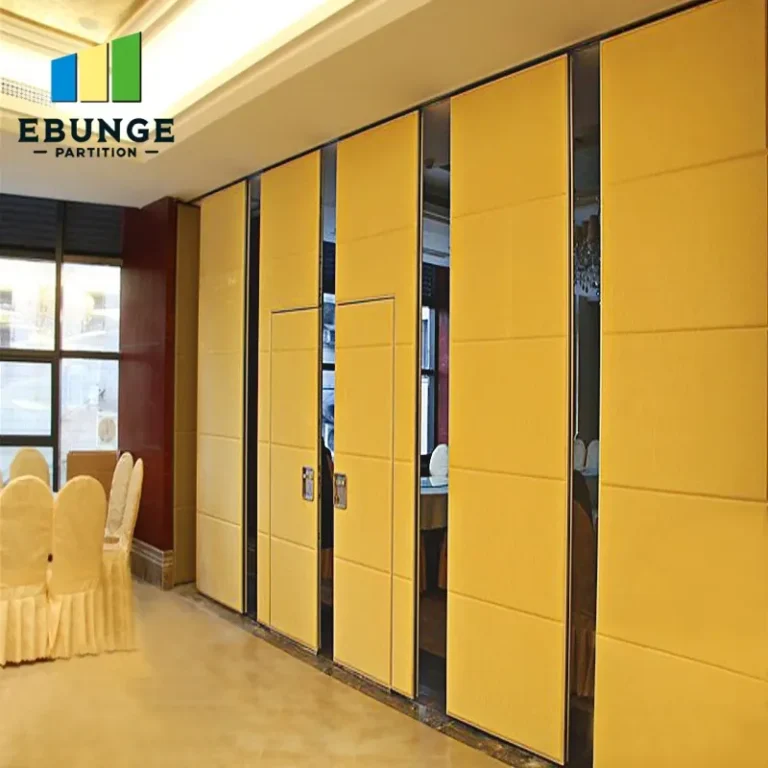
Understanding Your Partition Wall System: Components and Wear Points
Before diving into maintenance tasks, it is crucial to identify the specific type of partition wall installed in your project. Common variants include top-hung systems (where panels hang from an overhead track) and floor-supported systems (which require floor guides). For hotel ballrooms, top-hung tracks are preferred because they eliminate floor rails, reducing trip hazards and cleaning challenges. Key components to monitor include:
- Track and trolleys: The overhead rail and wheel assemblies that bear the panel weight. Wear is common on wheels and bearings.
- Panel edges and seals: Acoustic seals and perimeter gaskets that ensure soundproofing. These compress over time and may crack or harden.
- Operating mechanisms: Handles, cranks, or motorized drives that facilitate movement. These require periodic adjustment and lubrication.
- Guide rails (if applicable): For systems with floor guides, check for debris accumulation and alignment.
- Finish surfaces: Laminate, veneer, or painted panels that can be scratched or stained.
Understanding these components helps you prioritize inspections and allocate maintenance resources effectively.
Preventive Maintenance Schedule: A Practical Checklist
Preventive maintenance is the backbone of fault reduction. Below is a checklist that you can adapt to your project’s specific requirements. Always confirm intervals and procedures with the manufacturer’s manual or your supplier’s recommendations.
| Frequency | Inspection Points | Actions |
|---|---|---|
| Monthly | Visual inspection of track and panels | Look for debris, misalignment, or unusual noises. Clean track surfaces with a dry cloth. |
| Quarterly | Mechanical components: trolleys, hinges, locks | Lubricate moving parts with a silicone-based lubricant (avoid oil-based products that attract dust). Tighten loose screws. |
| Semi-annually | Seals and gaskets | Check for compression set or damage. Replace if cracked or hardened. Clean with mild soap and water. |
| Annually | Structural integrity and safety | Inspect track mounting, panel stability, and safety features. Engage a professional for a thorough assessment. |
This schedule is a baseline; adjust based on usage intensity. For instance, a hotel with daily partition operations may require monthly mechanical checks.
Common Operational Faults and Troubleshooting
Even with regular maintenance, issues can arise. Here are common problems and practical troubleshooting steps:
Panels Stick or Jerk During Movement
This often indicates debris in the track, misaligned trolleys, or insufficient lubrication. Clean the track thoroughly, check for bent rails, and lubricate trolley wheels. If the problem persists, inspect the floor guide (if present) for obstructions.
Acoustic Seals Fail to Compress
Worn or hardened seals reduce soundproofing. Replace seals according to manufacturer specifications. Ensure that the operating mechanism is fully engaging to compress seals.
Panels Misalign at the Floor
For top-hung systems, misalignment often stems from uneven track leveling or worn trolley bearings. Adjust track hangers or replace trolleys. For floor-supported systems, check the floor guide and adjust panel height.
Unusual Noises
Squeaking or grinding sounds indicate friction. Lubricate moving parts and check for foreign objects in the track. Persistent noise may signal structural wear.
Cleaning and Care for Long-Lasting Finishes
The visual appearance of partition walls affects guest perception. Proper cleaning prevents staining and maintains finish integrity. Use non-abrasive cleaners suitable for the panel surface (e.g., laminate or veneer). Avoid harsh chemicals that can damage the finish or seals. For acoustic seals, wipe with a damp cloth and mild detergent. Never use high-pressure washers, as they can force water into sensitive components.
Share the opening, drawings, finish direction, and privacy target for a project-specific review.
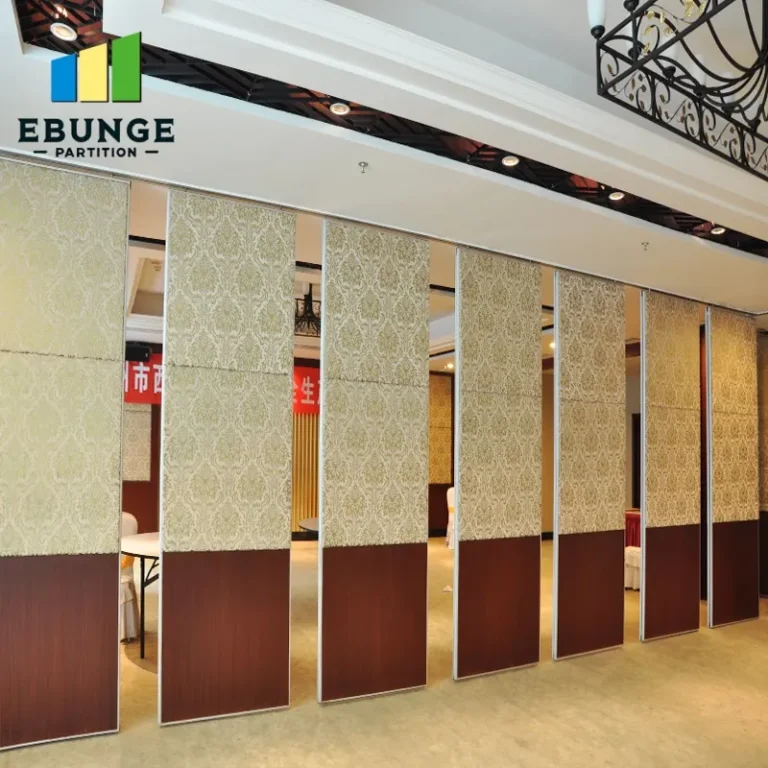
Training Staff for Correct Operation
Human error is a leading cause of partition damage. Ensure that hotel staff are trained on the correct operating procedure: how to engage locks, move panels smoothly, and store them properly. Provide clear instructions and periodic refresher sessions. For motorized systems, emphasize emergency stop procedures. Document these protocols in your operations manual.
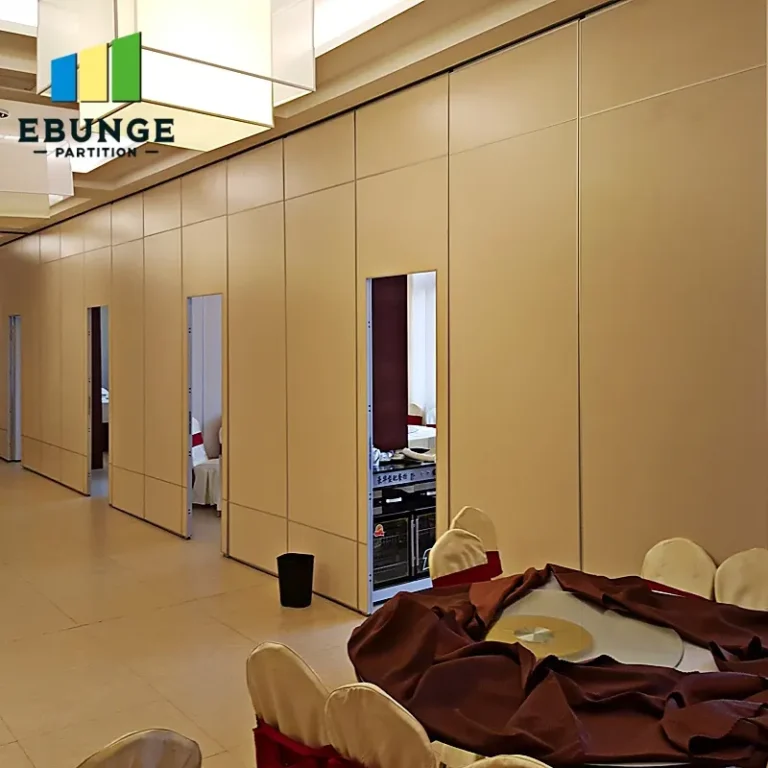
When to Call a Professional: Identifying Red Flags
Some issues require expert intervention. If you notice structural sagging, persistent misalignment after adjustment, or unusual resistance in operation, contact your supplier or a qualified technician. Attempting major repairs without proper knowledge can void warranties or compromise safety. For overseas contractors, establish a service agreement with the manufacturer for ongoing support.
Cost-Effective Maintenance Strategies for Project Owners
Maintenance budgets are often tight, but proactive care is more cost-effective than emergency repairs. Consider these strategies:
- Invest in quality components: High-grade trolleys and seals last longer, reducing replacement frequency.
- Keep spare parts on hand: Common wear items like seals and trolley wheels can be stocked to minimize downtime.
- Document maintenance history: Track all inspections and repairs to identify patterns and optimize schedules.
- Leverage supplier expertise: Many manufacturers offer maintenance training or remote diagnostics. Use these resources.
Conclusion: Building a Maintenance Culture
Effective partition wall maintenance is not a one-time task but an ongoing commitment. By implementing a structured schedule, training staff, and addressing issues promptly, you can significantly reduce operational faults and extend the lifecycle of your investment. For overseas contractors and project owners, partnering with a supplier that provides clear documentation and support is key. Remember to always verify maintenance requirements against your project’s specific drawings and specifications.
Frequently Asked Questions
How often should I inspect my partition wall system?
At a minimum, perform a visual inspection monthly and a mechanical check quarterly. Annual professional inspections are recommended. Adjust based on usage intensity.
Can I use WD-40 to lubricate partition wall tracks?
No. WD-40 is a solvent, not a lubricant, and can attract dust. Use a silicone-based lubricant specifically designed for moving parts.
What should I do if a panel becomes misaligned?
First, check for debris in the track and ensure the panel is properly seated. If misalignment persists, inspect the trolley wheels and track level. Adjust or replace components as needed, or contact a professional.
Is it necessary to clean acoustic seals regularly?
Yes. Dirt and grime can accelerate seal wear and reduce effectiveness. Wipe seals with a damp cloth and mild detergent every few months.
How can I reduce wear on partition wall panels?
Ensure proper operation techniques, avoid overloading panels, and maintain track cleanliness. Regular lubrication of moving parts also reduces strain.
What are the signs that I need to replace seals?
Look for cracks, hardening, or permanent compression. If the seal no longer springs back, it’s time to replace it.
For more insights on partition wall systems, explore our movable partition wall solutions and technical blogs. To discuss your project’s maintenance needs, contact our team. Additionally, review our cost considerations for budgeting maintenance programs.
Send the opening size and drawings to discuss a differentiated partition wall solution.