
When planning a training center, architects and interior designers face a unique spatial challenge: how to create flexible rooms that adapt to different teaching formats, group sizes, and multimedia requirements. A movable partition wall is often the most practical solution, but selecting the right system involves more than comparing product brochures. You need to evaluate structural loads, acoustic performance, fire safety, and operational durability—all while coordinating with overseas suppliers. This guide provides evidence-based commercial application research for training centers, focusing on specification and supplier risk management. We will walk through the key technical criteria, layout considerations, and procurement steps to help you make confident, project-appropriate decisions.
Direct answer: For training centers, the most reliable movable partition wall is a top-hung track system with no floor rail, specified with verified acoustic ratings (e.g., Rw 45-55 dB), fire-resistant materials, and a track load capacity that exceeds the partition weight by at least 25%. Ensure the supplier provides detailed structural drawings, installation guidance, and sample finishes, and confirm all performance values from project-specific tests or certifications before ordering.
Understanding Training Center Spatial Dynamics
Training centers differ from offices or hotels because they host a variety of activities: lectures, workshops, role-playing, and exams. These require different room sizes and acoustic environments. A movable partition wall allows you to divide a large hall into smaller classrooms or combine them for plenary sessions.
Consider the ceiling structure: top-hung systems transfer the partition weight to the building’s overhead structure, so you need to verify the load-bearing capacity. In contrast, floor-rail systems may be easier to install but create a trip hazard and interfere with flooring continuity.
Need help turning the movable partition wall requirements into a practical project layout?
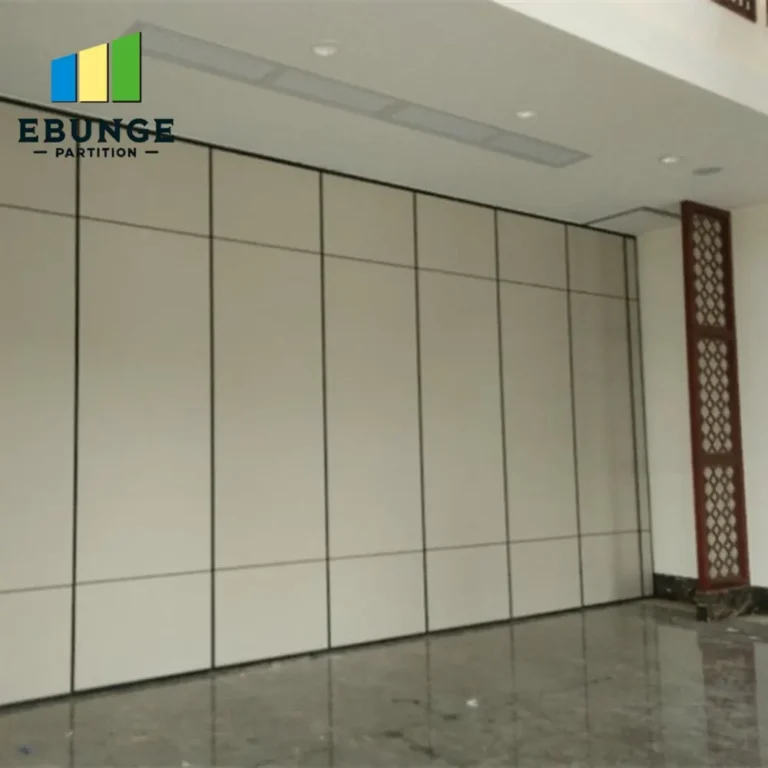
Key Technical Specifications for Movable Partition Walls
When specifying a movable partition wall system, focus on these measurable parameters:
- Acoustic performance: Look for Rw (weighted sound reduction index) values, but note that the actual performance depends on installation quality and flanking paths. For training rooms, aim for Rw 45 dB or higher to minimize disturbance between simultaneous sessions. Ask for test reports from accredited labs.
- Fire resistance: Check local building codes for required fire ratings (e.g., 30, 60, or 90 minutes). The partition must include fire-resistant materials and seals that expand when heated.
- Track load capacity: The ceiling track must support the partition’s weight, including glazing and hardware. Request the manufacturer’s load chart and ensure a safety margin.
- Operation mechanism: Manual or motorized? For large or heavy panels, motorized systems reduce physical strain and speed up reconfiguration. However, they add cost and require electrical planning.
- Panel construction: Steel or aluminum frames with gypsum or composite boards. Ensure the surface is durable and repairable, as training centers experience high traffic.
Always request a detailed specification sheet and cross-check with your structural engineer.
Acoustic Considerations for Training Environments
Training centers often have simultaneous sessions in adjacent rooms. A movable partition wall soundproofing is critical to prevent distractions. However, soundproofing is not just about the partition itself; it involves the entire room assembly. Flanking paths through ceiling plenums, HVAC ducts, and wall junctions can undermine performance.
To achieve the desired acoustic isolation, consider:
- Perimeter seals: Automatic drop seals at the bottom and compression seals at the vertical edges ensure a tight fit.
- Glazing: If you include windows in the partition, use laminated glass with a similar Rw rating. Double glazing may be necessary.
- Acoustic insulation: The cavity between panels should be filled with mineral wool or similar absorbent material.
Ask the supplier for a sound insulation test report conducted on a sample installation, not just a theoretical calculation. If possible, visit a reference project to hear the actual performance.
Design Flexibility and Aesthetic Integration
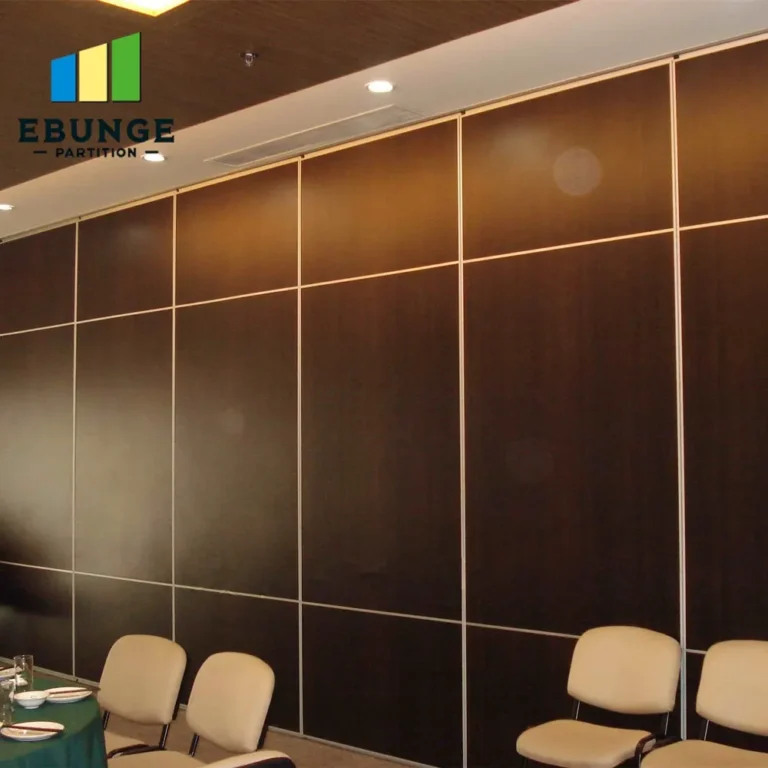
A movable partition wall design should complement the interior architecture. You can choose from various finishes: painted surfaces, wood veneer, laminate, or even writable surfaces for brainstorming areas. For training centers, consider integrating whiteboard or marker-friendly panels to turn the partition into a functional teaching tool.
The track system can be curved or straight, but curved tracks limit panel widths and increase cost. For most training centers, straight tracks are more practical. Also, consider the stacking area: when panels are parked, they occupy space at one end of the room.
Lighting integration: Some systems allow recessed lighting or power/data outlets within the partition. This adds convenience but requires careful electrical planning. Coordinate with the supplier early to avoid design conflicts.
Operational Durability and Maintenance
Training centers use partitions frequently, so the system must withstand years of operation. Look for components that are wear-resistant: nylon or polyurethane wheels, stainless steel tracks, and robust hinges. Ask the supplier about the expected lifespan and maintenance requirements. For top-hung systems, the track and trolley are critical; ensure they are designed for high-cycle use.
Maintenance should be minimal: periodic cleaning of tracks and adjustment of seals. Provide your client with a simple maintenance schedule. Also, consider the availability of spare parts. For overseas suppliers, verify that they can ship replacements quickly or have local distributors.
Supplier Coordination and Risk Mitigation
When working with an overseas manufacturer, clear communication and documented specifications are essential. Here is a practical checklist to reduce risk:
- Request a complete technical submittal: structural calculations, material certifications, and installation drawings.
- Obtain references from similar training center projects and contact those clients.
- If possible, visit the factory to inspect quality control processes.
- Agree on a clear timeline for production, shipping, and installation support.
- Define the scope of supply: does it include all hardware, seals, and installation guides?
- Ensure the supplier provides on-site installation supervision or detailed video instructions, especially for complex track alignments.
For more guidance on project coordination, see our blog on global B2B projects.
Share the opening, drawings, finish direction, and privacy target for a project-specific review.
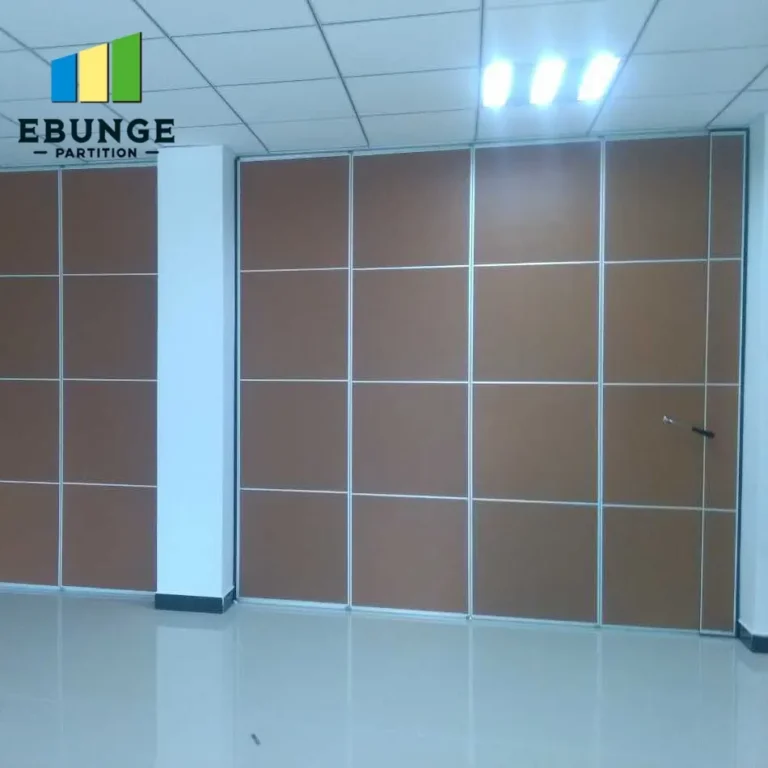
Cost Considerations and Budget Planning
Movable partition wall costs vary widely based on size, acoustic performance, and automation. While we cannot provide specific prices, we can advise on cost drivers: glazing, motorization, and fire ratings increase cost. For budgeting, request quotes from multiple suppliers and compare the total cost of ownership, including shipping, installation, and maintenance.
Remember that the cheapest option may not meet acoustic requirements or durability. A slightly higher investment in a quality system can save on repairs and dissatisfaction later. For a training center, where functionality is paramount, prioritize performance over upfront savings.
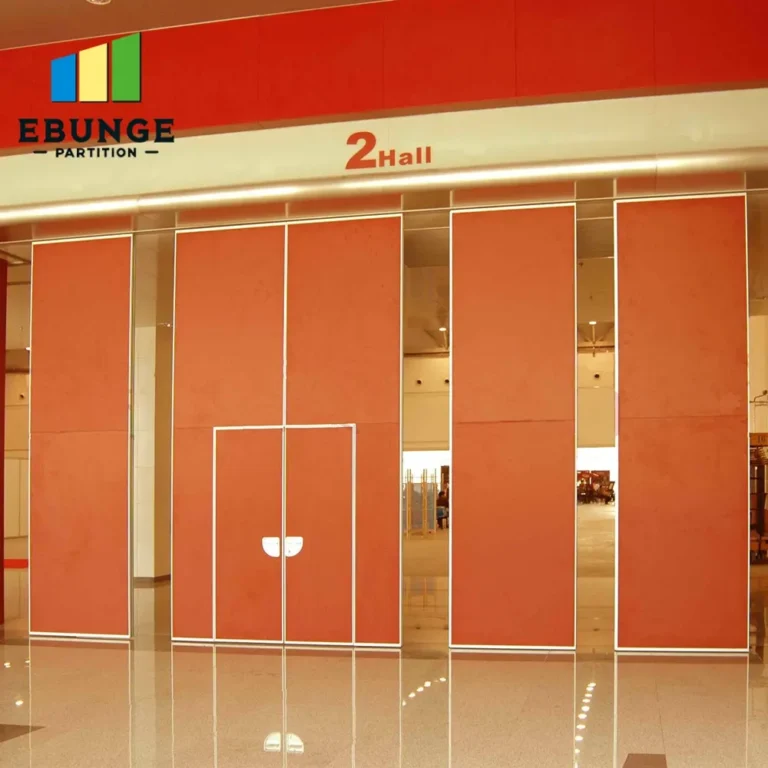
Installation and Project Management
Proper installation is as important as the product itself. A top-hung track requires precise alignment and secure anchoring. If the supplier does not offer installation services, hire a contractor with experience in partition systems. The supplier should provide detailed installation drawings and be available for consultation during the installation phase.
Plan for site readiness: the ceiling structure must be reinforced if necessary, and the track should be installed before the final ceiling finish. Coordinate with other trades to avoid conflicts with lighting, HVAC, and sprinklers.
Case Study Approach: Applying Research to Your Project
Instead of relying on generic case studies, conduct your own research: visit training centers that use movable partitions, ask about their satisfaction, and observe the system’s performance. This evidence-based approach helps you make informed recommendations to your client.
Also, review the supplier’s project portfolio. Look for training centers specifically, as they have unique demands. If the supplier cannot provide relevant references, consider it a warning sign.
Frequently Asked Questions
What is the typical lifespan of a movable partition wall?
With proper maintenance, a commercial-grade system can last 15-20 years. However, this depends on usage frequency and quality of components. Ask the supplier for expected cycle counts and warranty terms.
Can a movable partition wall be installed in a room with an existing ceiling?
Yes, but the ceiling must have adequate structure to support the track. A structural engineer may need to assess and reinforce the attachment points. In some cases, a surface-mounted track can be used, but it may have lower load capacity.
How do I ensure the acoustic performance is met on site?
Insist on a site test after installation, using a portable sound meter. The contract should specify the required Rw value and the testing procedure. If the result is below specification, the supplier should rectify the issue.
Are motorized systems worth the extra cost?
For large or heavy panels, motorization improves ease of use and reduces labor time. If the training center staff frequently reconfigure rooms, motorized systems can be a worthwhile investment. However, they require electrical supply and regular maintenance.
What finishes are available for movable partitions?
Common finishes include painted gypsum, wood veneer, laminate, and fabric. You can also request custom colors or writable surfaces. Ensure the finish is durable and easy to clean, as training centers may have marker stains or scuffs.
Conclusion
Selecting a movable partition wall for a training center requires a balanced approach: technical rigor, aesthetic consideration, and careful supplier coordination. By focusing on verified performance data, understanding your project’s unique needs, and mitigating risks through clear contracts, you can deliver a flexible space that serves your client for years. Remember to always confirm exact values from project drawings, specifications, or test reports. For more resources on partition selection and installation, explore our installation guide or contact our team for expert advice.
Comparison Table: Top-Hung vs. Floor-Rail Systems
| Feature | Top-Hung Track | Floor-Rail System |
|---|---|---|
| Floor obstruction | None | Rail on floor |
| Installation complexity | Requires strong ceiling structure | Easier but floor cut needed |
| Acoustic sealing | Drop seals at bottom | Seals integrated in rail |
| Load capacity | High, up to 150 kg per panel | Moderate |
| Maintenance | Track cleaning required | Rail cleaning and alignment |
| Best for | Training centers, offices | Residential or light commercial |
Send the opening size and drawings to discuss a differentiated movable partition wall solution.