
When you manage a government or public building project, the choice of a folding door is never just about aesthetics. It is about long-term maintenance, public safety, and budget accountability. Selecting the wrong partition wall system can lead to costly repairs, operational disruptions, and even compliance issues. This article is designed to help you prepare for the quotation process, reduce decision risk, and ensure your project moves forward with confidence. We will focus on practical considerations, from acoustic performance to installation timelines, and provide a clear framework for evaluating suppliers.
Direct Answer: For a government or public building project, the best folding door solution is a top-hung, floor-rail-free system that is custom-engineered to your opening size, acoustic target, and finish preference. When requesting quotes, provide detailed drawings, specify the required Sound Transmission Class (STC) rating, and confirm that the supplier offers factory-direct support for installation and maintenance. This approach ensures durability, compliance, and cost-effectiveness for high-traffic public spaces.
Why Government Projects Need a Different Approach to Folding Doors
Public buildings face unique challenges: high traffic, frequent use, and strict safety regulations. Unlike private offices, a folding door in an exhibition hall must withstand constant operation, potential misuse, and rigorous cleaning. Moreover, procurement processes demand transparency and long-term value. Therefore, you cannot rely on generic solutions. You need a partition wall system that is engineered for durability, easy maintenance, and compliance with public building codes.
One of the first steps is to understand the specific demands of your application. For an exhibition hall, consider the frequency of configuration changes, the weight of the panels, and the acoustic separation required between concurrent events. These factors will influence the choice of materials, hardware, and track systems.
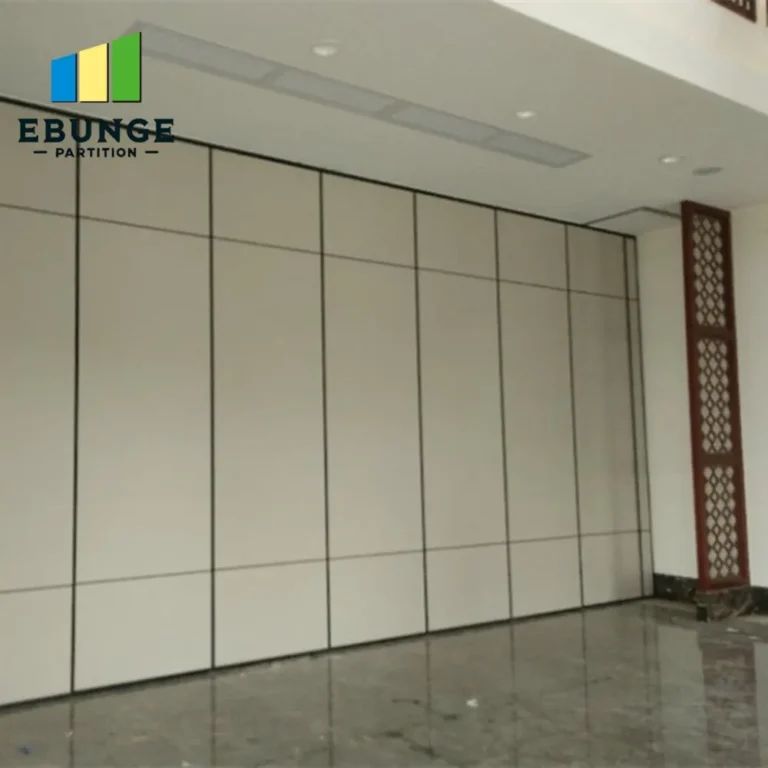
Need help turning the folding door requirements into a practical project layout?
Key Buyer Concerns: Durability, Acoustics, and Fire Safety
When evaluating folding door options, three concerns dominate: durability for high-traffic public use, acoustic performance (STC rating), and fire safety compliance. Each of these must be addressed in your specification and verified in the supplier’s proposal.
Durability for High-Traffic Public Use
Public spaces demand robust construction. Look for panels with reinforced frames, impact-resistant surfaces, and high-quality hinges and rollers. The track system should be top-hung, which eliminates the floor rail and reduces trip hazards and maintenance issues. Floor rails often collect debris and require frequent cleaning, which is not ideal for public buildings.
Acoustic Performance (STC Rating)
Acoustic separation is critical in exhibition halls where multiple events may occur simultaneously. The STC rating indicates how well the partition blocks sound. For public buildings, an STC of 40-50 is common, but your specific requirement depends on the noise levels and desired privacy. Always confirm the STC rating with the supplier and request test data from an accredited laboratory.
Fire Safety Compliance
Fire safety is non-negotiable. Ensure that the folding door system meets local fire codes, including the use of fire-resistant materials and proper sealing. The supplier should provide documentation of compliance, such as fire test certificates. Do not assume that all systems are compliant; verify each component.
Ease of Operation and Maintenance Requirements
In a public building, the folding door will be operated by staff, not maintenance experts. Therefore, ease of operation is essential. Look for systems with smooth gliding mechanisms, ergonomic handles, and clear instructions. Additionally, consider the maintenance requirements: how often do parts need lubrication? Are replacement parts readily available? A system that is difficult to operate or maintain will lead to increased costs and downtime.
For long-term maintenance, choose a supplier that offers comprehensive after-sales support, including spare parts and service contracts. This is especially important for government projects where procurement cycles are long, and you need to ensure the system remains functional for decades.
Warranty Coverage and Installation Timeline
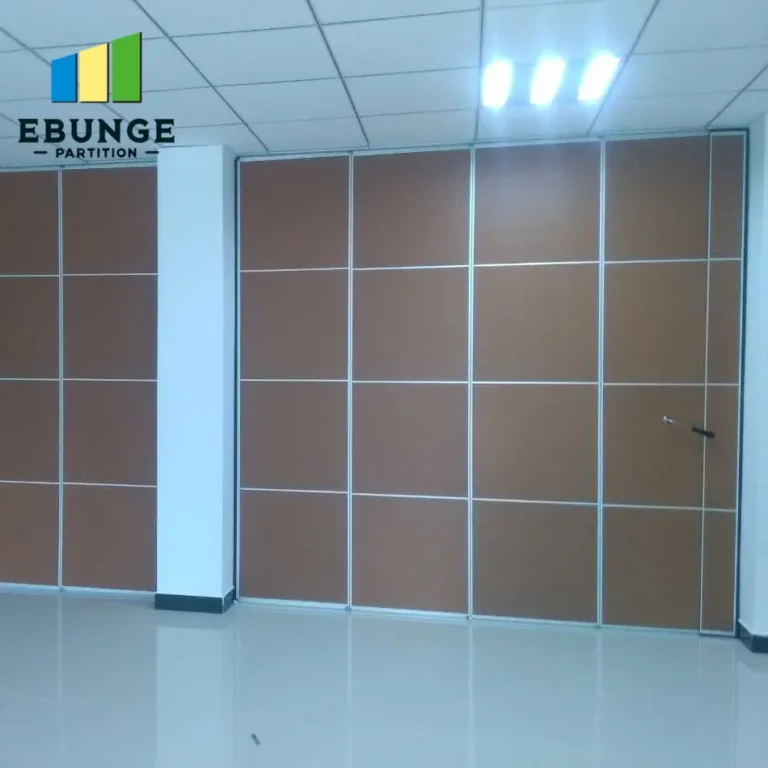
Warranty is a key indicator of supplier confidence. A typical warranty for a folding door system is 2-5 years, but for public buildings, you may want a longer period. Read the warranty terms carefully: what is covered, what is excluded, and what is the process for claims? Also, consider the installation timeline. Public projects often have strict deadlines, so you need a supplier who can meet your schedule. Ask for a detailed installation plan, including the time required for site preparation, delivery, and installation.
Cost vs. Permanent Walls: A Long-Term Perspective
While folding doors have a higher upfront cost than permanent walls, they offer significant long-term benefits. They allow flexible use of space, which can increase the revenue potential of an exhibition hall. They also reduce the need for construction and renovation when space requirements change. When comparing costs, consider the total cost of ownership, including installation, maintenance, and potential energy savings. A folding door system can be a cost-effective solution over its lifespan.
Share the opening, drawings, finish direction, and privacy target for a project-specific review.
Preparing for Quotation: What to Include in Your RFQ
To get accurate and comparable quotes, you must provide detailed information to potential suppliers. Based on our research, the following items are essential for a comprehensive request for quotation (RFQ):
- Opening size: Provide exact dimensions (width, height, and depth) of the opening, including any structural constraints.
- Acoustic target: Specify the desired STC rating or the acoustic requirement based on your application.
- Finish preference: Describe the desired finish (e.g., wood grain, laminate, paint) and any color or texture requirements.
- Drawings: Include architectural or engineering drawings that show the partition location, surrounding structures, and any obstacles.
- Operational requirements: Indicate the frequency of use, the number of operators, and any specific access or safety needs.
- Compliance standards: List the applicable building codes and safety standards that the system must meet.
By providing this information, you enable suppliers to offer accurate pricing and technical solutions. This reduces the risk of unexpected costs and delays during the project.
Evaluating Suppliers: What to Look For
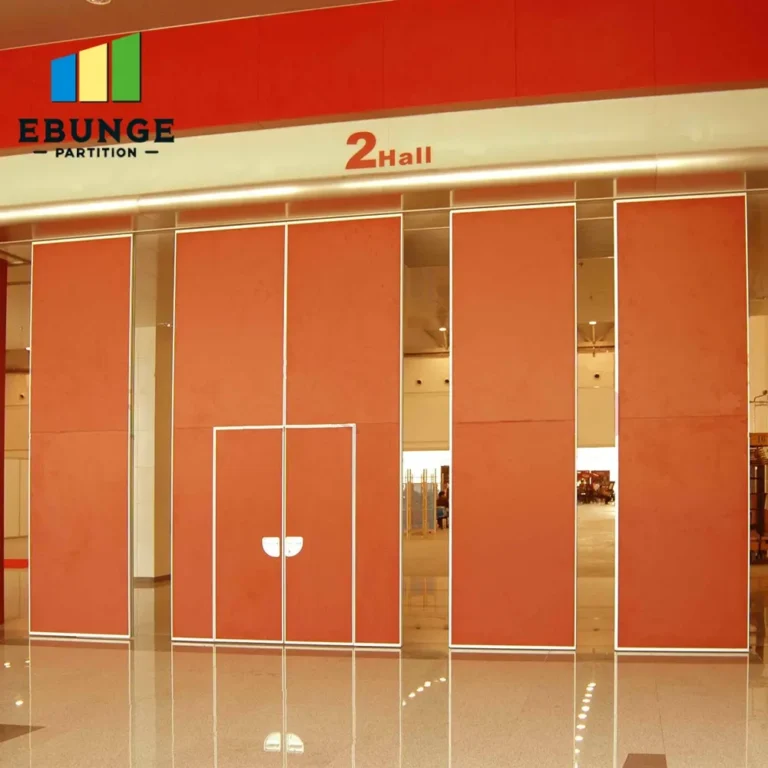
Not all folding door suppliers are equal. When comparing proposals, consider the following criteria:
| Criteria | Why It Matters | Questions to Ask |
|---|---|---|
| Experience with public projects | They understand the unique requirements and regulations. | Can you provide references from similar projects? |
| Factory-direct support | Ensures direct communication and faster issue resolution. | Do you have your own manufacturing facility? |
| Customization capabilities | Public buildings often need bespoke solutions. | Can you accommodate non-standard sizes or finishes? |
| Technical documentation | Provides evidence of performance and compliance. | Can you share test reports and certificates? |
| Installation support | Affects the quality and speed of installation. | Do you provide installation services or supervision? |
Additionally, consider the supplier’s location and logistics. A local supplier may offer faster delivery and easier after-sales service. However, with factory-direct support, distance may be less of an issue.
Common Pitfalls to Avoid in Partition Selection
Even with careful planning, there are common mistakes that can derail a project. Avoid these pitfalls:
- Ignoring acoustic requirements: Do not assume that all partitions provide the same sound insulation. Verify the STC rating.
- Overlooking fire safety: Ensure that the system, including seals and panels, meets fire codes.
- Choosing low-quality hardware: In high-traffic areas, cheap hardware will fail quickly. Invest in quality.
- Failing to plan for maintenance: Consider how the system will be serviced. Is there access to spare parts?
- Not verifying the supplier’s claims: Always ask for documentation and references.
Conclusion: Making an Informed Decision
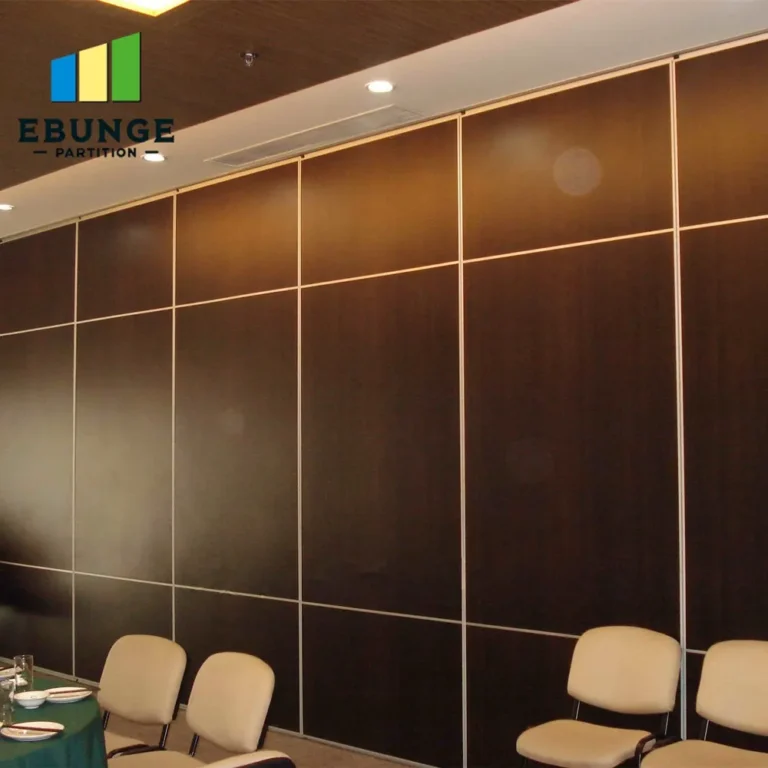
Selecting a folding door for a government or public building project is a significant decision. By focusing on durability, acoustics, fire safety, and long-term maintenance, you can choose a system that meets your needs and budget. Remember to prepare a detailed RFQ, evaluate suppliers based on their experience and support, and verify all technical claims. A well-chosen folding door will provide flexibility and value for years to come.
For more insights on movable partitions, explore our movable partition wall resources. If you have specific questions, our contact page is a direct line to our experts. You can also read more about movable partition installation tips and best practices.
Frequently Asked Questions
What is the typical lifespan of a folding door system?
The lifespan depends on the quality of components and maintenance. With proper care, a top-quality folding door can last 20 years or more. Regular lubrication and inspection can extend its life.
Can a folding door be customized to match my building’s interior?
Yes, most suppliers offer a range of finishes, including wood veneers, laminates, and paint colors. You can also specify custom sizes and configurations to fit your space.
How do I determine the required STC rating?
The STC rating depends on the noise levels in adjacent spaces and the desired privacy. For general office use, STC 35-40 is common; for music rooms or conference halls, you may need STC 50 or higher. Consult with an acoustician for specific requirements.
Is a floor rail necessary for a folding door?
No, a top-hung track system eliminates the need for a floor rail. This reduces trip hazards, makes cleaning easier, and avoids issues with floor coverings.
What should I include in a request for quotation?
Include the opening size, acoustic target, finish preference, drawings, operational requirements, and compliance standards. This ensures accurate and comparable quotes.
Send the opening size and drawings to discuss a differentiated folding door solution.