
If you are a trading company without your own factory, sourcing a movable partition for a restaurant’s flexible dining room involves more than comparing prices. You need to ensure that the supplier is a genuine manufacturer, that custom sizes are feasible, and that the product will perform acoustically and mechanically as promised. This FAQ guide is designed to help you prepare for a quotation and reduce project decision risks. It focuses on the key information you need to gather before contacting a factory-direct supplier, ensuring that your inquiries are precise and that you can evaluate proposals effectively.
Direct answer: To get an accurate quotation for a movable partition wall, you must provide the opening size (width and height), the acoustic target (e.g., STC or Rw rating), the finish preference (e.g., laminate, veneer, paint), and detailed drawings of the space. A factory-direct supplier can confirm whether custom sizes are possible and offer project support, but you must be ready with these specifications to avoid delays and hidden costs.
Movable Partition: 1. Why Sourcing from a Real Factory Matters for Your Project
When you act as a trading company, your credibility depends on the reliability of your supply chain. Working directly with a factory that manufactures movable partition systems ensures that you receive authentic products, accurate technical support, and better control over quality and lead times. Unknown traders may offer lower prices but often lack the engineering expertise and after-sales support required for complex installations. A factory-direct relationship also allows you to request custom modifications, such as specific panel sizes or finishes, which are essential for a restaurant’s unique layout.
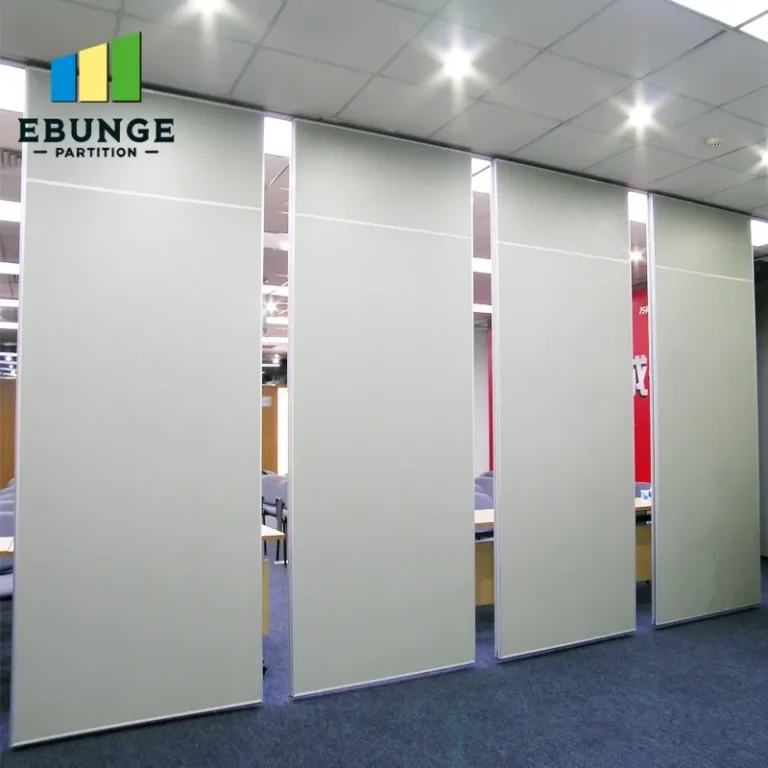
Need help turning the movable partition requirements into a practical project layout?
2. Key Information to Prepare Before Requesting a Quote
To receive a precise quotation, you need to provide the supplier with clear specifications. The most critical items are:
- Opening dimensions: The width and height of the space to be divided, including any irregularities.
- Acoustic requirements: The desired sound insulation level, usually expressed as an STC (Sound Transmission Class) or Rw (weighted sound reduction index) rating. For a restaurant, a rating of 40-50 dB is common, but this depends on the surrounding noise levels.
- Finish preference: Whether you need laminate, veneer, paint, or another material, and if you have a specific color or texture in mind.
- Drawings: Architectural or layout drawings showing the partition’s location, ceiling height, and any obstructions like beams or ducts.
Providing these details upfront helps the factory assess feasibility and offer a realistic quote, reducing the risk of change orders later.
3. How to Verify Factory-Direct Supply Authenticity
As a buyer, you must verify that the supplier is indeed the manufacturer. Ask for:
- Factory registration documents and business licenses.
- Photos or videos of the production facility, especially the assembly line for movable partitions.
- References from other trading companies or direct clients.
- Sample panels for quality inspection.
You can also check if the supplier’s website lists specific technical data, such as acoustic test reports or track system details, which a genuine manufacturer would typically have. Avoid suppliers who are vague about their production capabilities.
4. Custom Sizes: What Is Feasible?
Custom movable partition walls are common, but not all factories can accommodate extreme dimensions. Most manufacturers have maximum panel widths and heights based on their track system and materials. For a restaurant with high ceilings or unusual shapes, you need to confirm:
- Maximum panel height (often up to 4-6 meters, but verify).
- Maximum panel width (typically 1-1.5 meters).
- Whether the track can be curved or angled.
Provide your drawings to the factory, and they will advise on the best configuration. If your opening is larger than standard, they may suggest multiple panels or a different stacking method.
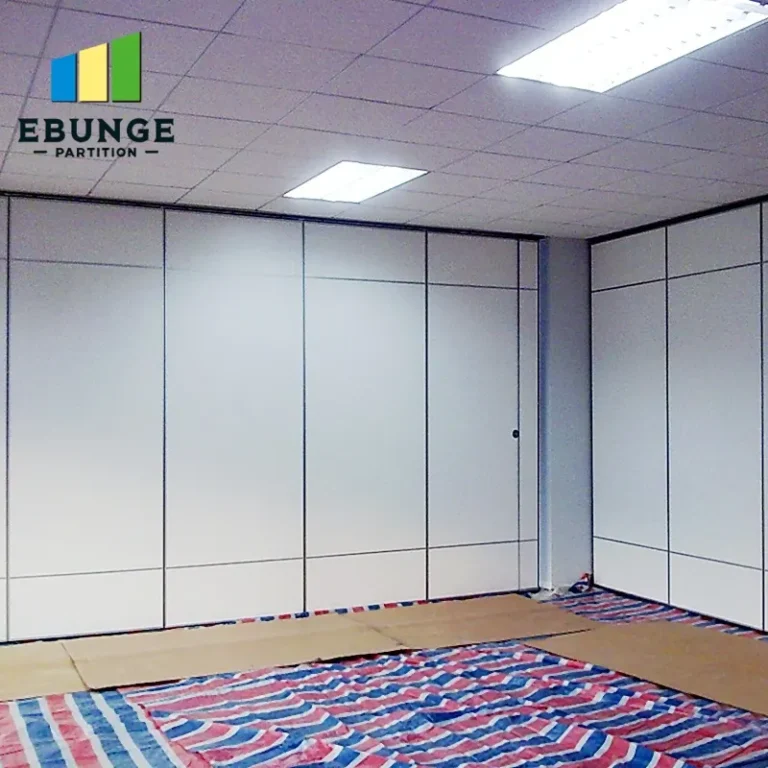
5. Acoustic Performance: Setting Realistic Expectations
Acoustic performance is a major concern for restaurant spaces. A movable partition wall should provide sufficient sound insulation to allow private dining or to separate noisy areas. However, the actual acoustic rating depends on several factors:
- Panel construction (thickness, core material, seals).
- Track system and how tightly panels compress.
- Perimeter seals (top, bottom, and sides).
Ask the supplier for acoustic test reports from independent labs. If they cannot provide one, request a reference installation where you can test the partition in person. Remember that the final STC rating is only achieved if the installation is done correctly, so consider the supplier’s installation guidance.
6. Track System Reliability: Top-Hung vs. Floor Rail
Our movable partition systems use a top-hung track without a floor rail. This design offers several advantages: no floor track to trip on, easier cleaning, and better accessibility for wheelchairs. The track system must be robust to support the weight of the panels and ensure smooth operation over many years. When evaluating suppliers, ask about:
- Track material (e.g., aluminum or steel).
- Wheel and trolley design.
- Maintenance requirements.
A reliable track system is crucial for daily use in a restaurant, where partitions may be moved frequently.
7. Finish Options: Matching Your Restaurant’s Aesthetics
The finish of the movable partition wall contributes to the overall design of your dining room. Common options include:
- Laminate (durable, easy to clean, many colors and patterns).
- Wood veneer (natural look, but requires more care).
- Paint (custom colors, but may need touch-ups).
- Acoustic fabric (for enhanced sound absorption, but can be harder to clean).
Provide your finish preference in the inquiry, and ask for samples to ensure color and texture match your interior design.
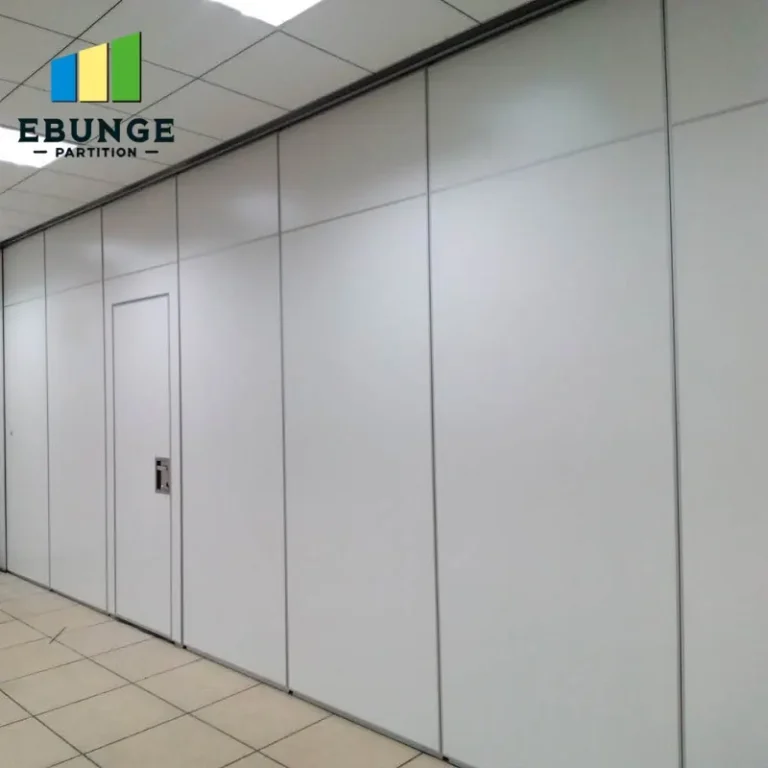
Share the opening, drawings, finish direction, and privacy target for a project-specific review.
8. Project Support and Installation Guidance
Proper installation is key to the performance of a movable partition. Even the best product will fail if installed incorrectly. A factory-direct supplier should offer:
- Detailed installation drawings and step-by-step instructions.
- On-site supervision or training (if feasible).
- Technical support via phone or email.
Ask about the level of support included in the quote. Some suppliers may offer installation services for an additional fee, while others provide only guidance. For a trading company, you may need to coordinate with local contractors, so having clear documentation is essential.
9. Worldwide Delivery and Logistics
If you are sourcing from overseas, delivery reliability is a major concern. Confirm the following with your supplier:
- Packaging standards to prevent damage during transit.
- Shipping terms (FOB, CIF, etc.).
- Estimated lead time and delivery schedule.
- Documentation (commercial invoice, packing list, bill of lading).
Request references from clients in your region to assess their logistics performance. Also, consider hiring a third-party inspection service to check the goods before shipment.
10. Cost Factors and Quotation Comparison
To compare quotations fairly, ensure you are comparing like-for-like specifications. Create a checklist that includes:
| Specification | Your Requirement | Supplier A | Supplier B |
|---|---|---|---|
| Panel height (m) | 3.5 | 3.5 | 3.5 |
| Panel width (m) | 1.2 | 1.2 | 1.2 |
| Acoustic rating (STC) | 45 | 45 | 40 |
| Finish | Laminate (wood grain) | Laminate (wood grain) | Laminate (solid color) |
| Track system | Top-hung | Top-hung | Floor rail |
| Installation support | Drawings + phone | Drawings + phone | Drawings only |
| Price (USD) | – | 15,000 | 13,500 |
If Supplier B offers a lower price but a lower acoustic rating or a floor rail system, the total cost of ownership may be higher. Consider the long-term benefits of a quality partition.
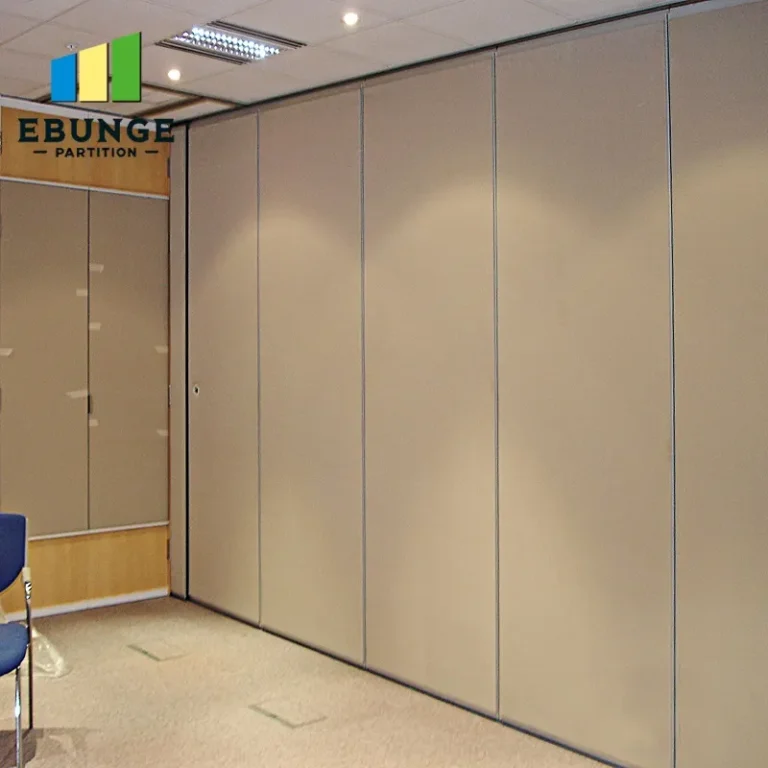
11. Preparing for the Quotation: A Practical Checklist
Before you contact any supplier, have this information ready:
- Architectural drawings (PDF or CAD) of the space.
- Exact opening dimensions (width, height, depth).
- Acoustic target (e.g., STC 45).
- Finish specification (material, color, texture).
- Number of panels and stacking direction.
- Delivery destination and port.
- Timeline for project completion.
This checklist ensures you get accurate quotes and reduces the risk of misunderstandings.
12. FAQs
Q1: How do I know if a supplier is a real factory?
Ask for factory registration, visit the facility if possible, request video calls showing production, and ask for client references. Genuine factories are usually transparent about their capabilities.
Q2: Can I get a custom-sized movable partition wall?
Yes, most manufacturers offer custom sizes, but there are limits. Provide your drawings and dimensions, and the factory will confirm if they can produce the required size.
Q3: What acoustic rating should I choose for a restaurant?
It depends on the noise levels and privacy needs. A rating of STC 40-50 is typical for restaurant partitions, but you should discuss your specific situation with the supplier.
Q4: How does a top-hung track system work without a floor rail?
The panels are suspended from a track on the ceiling, and the bottom is guided by a small guide pin or floor guide, but there is no continuous rail. This allows a clear floor surface.
Q5: What finish options are available for movable partitions?
Common finishes include laminate, veneer, paint, and acoustic fabric. You can also request custom colors or patterns, but this may affect cost and lead time.
Q6: Do you provide installation guidance for overseas projects?
Yes, we offer detailed installation drawings and step-by-step instructions. For complex projects, we can also provide remote video support or on-site supervision if arranged.
Conclusion
Preparing a comprehensive inquiry for a movable partition is the first step to a successful project. By providing opening size, acoustic target, finish preference, and drawings, you enable the factory to offer a precise quotation and demonstrate their support capabilities. As a trading company, working with a factory-direct supplier ensures authenticity and reliability, which are critical for your business reputation. Use the checklist above to streamline your sourcing process and make informed decisions.
For more information on movable partition walls and installation best practices, explore our movable partition wall page, read our blog posts on related topics, or contact our team for project-specific advice.
Send the opening size and drawings to discuss a differentiated movable partition solution.