
Handover Evidence When Track Zone Trolley Runs Were Re-Routed On Site
Quick project answer
Review focus: handover evidence.
When a movable wall route changes during construction, the handover file becomes the record of what was reviewed and what was not. Track zone trolley re-route handover evidence should let a reader trace the original layout, the agreed change and the confirmation still outstanding, without implying performance that no document supports. This article offers an evidence-bounded framework for overseas project teams. The exact route, junction arrangement, continuous overhead path and parking position must be confirmed from the coordinated project drawings.
Why a Re-Route Changes the Handover Conversation
Project review term: handover evidence.
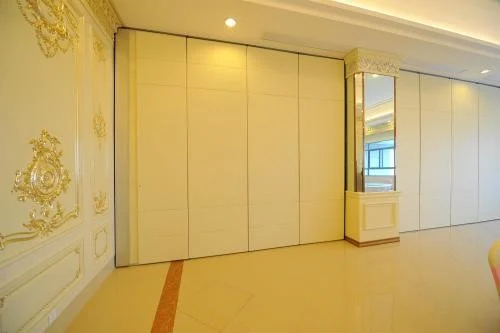
EBUNGE movable wall panels are individually movable, suspended from a top track, and cross the opening without a floor track. Panels park at a planned stacking position. Because the panels depend on an overhead route rather than floor guidance, any change to where that route runs affects how the system is reviewed, installed and accepted.
A re-route is rarely a single line on a drawing. It may touch the turning geometry, the parking position, the interface with adjacent construction, and the sequence in which rooms can be reconfigured. Handover evidence should capture each of these as a reviewed item rather than a verbal agreement.
Evidence note: a drawing shows intent, not capacity. A revised route line does not by itself confirm structural support, acoustic outcome or dimensional fit. Those require separate project-specific review.
What Counts as Usable Handover Evidence
Coordination scope: handover evidence.
Usable evidence is dated, attributable and traceable to a drawing revision. It should allow a future reader — an owner, facility team or incoming contractor — to understand the change without relying on memory of the site meeting.
- Original and revised layout drawings with revision numbers and dates.
- A short change note stating what moved and why, in plain language.
- Marked-up routes showing straight runs, turning sections and the planned stacking position.
- Records of which parties reviewed the change and what each was asked to confirm.
- A list of open items, each with an owner and a required confirmation.
Keep the evidence set consistent with the maintained product information on the movable walls product page. Where a document and a drawing disagree, record the discrepancy rather than resolving it silently.
A Drawing-Led Review Sequence for Re-Routed Runs
The following sequence keeps the review orderly. It is a coordination aid, not an installation method statement.
- Freeze the baseline. Identify the drawing revision against which the original route was reviewed.
- Mark the change. Show the old and new route on one drawing so the difference is visible.
- Re-check the route type. Confirm whether the revised path is straight, turning or stacking, and whether each segment remains connected overhead.
- Re-check the parking position. Confirm the planned stacking position still suits the revised layout.
- Record interfaces. Note adjacent walls, ceilings, services and finishes that the revised route now approaches.
- List confirmations. Separate items already confirmed from items still requiring project-specific review.
- Issue and acknowledge. Distribute the revised evidence set and record who acknowledged it.
Route Types and the Evidence Each One Needs
Straight, turning and stacking routes are reviewed from the layout. Each raises different questions at handover, and the evidence should reflect that difference rather than treating all routes as interchangeable.
| Route element | Evidence to retain | Typical open question |
|---|---|---|
| Straight run | Revised plan showing the run and its endpoints | Does the revised line still align with the opening? |
| Turning section | Plan detail of the turn and the reviewed geometry | Is the turn geometry confirmed for this layout? |
| Stacking position | Marked parking zone and its clearance from adjacent work | Is the parking position still suitable after the change? |
| Overhead continuity | Note confirming the route is continuous and supported as reviewed | Has support been confirmed for the revised path? |
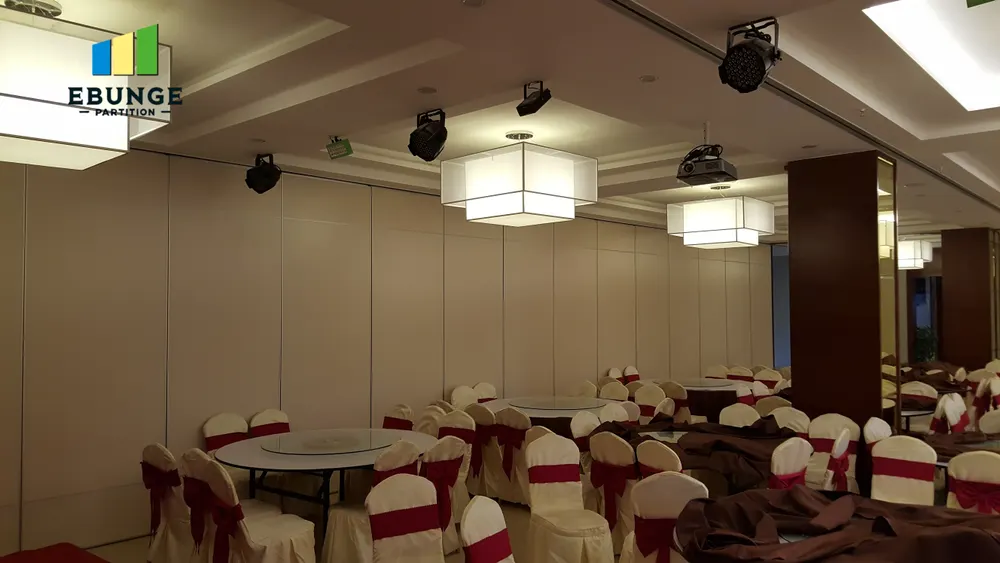
The suitability of each route and parking arrangement depends on the approved layout, circulation, ceiling interfaces and operating sequence. Each of those belongs to a separate confirmation with its own evidence.
Seals, Acoustics and the Limits of a Handover File
Seals and acoustic concepts can be explained generically: perimeter and inter-panel interfaces are intended to limit air paths, and the effectiveness of any arrangement depends on the whole assembly and its installation. A handover file can record that acoustic requirements were raised and who was asked to confirm them.
Where acoustic expectations matter, state them as project requirements to be confirmed, not as outcomes already achieved. The resources section is a sensible starting point for general planning context.
Coordinating the Evidence Set Across Disciplines
Contractors can confirm site conditions and as-built observations. Architects can confirm drawing intent. Owners can confirm acceptance criteria. None of these roles should sign for a performance figure outside their evidence.
Where pass-door requirements exist, record them as a project requirement to be discussed and confirmed, not as a standard feature.
- One register, one revision number, one issue date.
- Every open item has a named owner and a required confirmation.
- Verbal agreements are written back into the register before handover.
- Superseded drawings are marked as superseded, not deleted.
Common Gaps That Weaken Re-Route Evidence
Most weak handover files fail for simple reasons. The revised drawing exists but the change note does not. The stacking position moved but nobody recorded who reviewed it.
Remove such statements or restate them as items requiring project-specific confirmation. An honest open-items list is more useful at handover than a confident sentence nobody can support.
Frequently Asked Questions
What is track zone trolley re-route handover evidence?
It is the documented record of a change to a movable wall route, showing the original and revised layout, the parties who reviewed it, and the confirmations still outstanding. It supports handover; it does not replace project-specific engineering or acoustic review.
Does a revised route drawing confirm structural support?
No. A drawing shows intent.
Can a handover file state an acoustic rating for a re-routed opening?
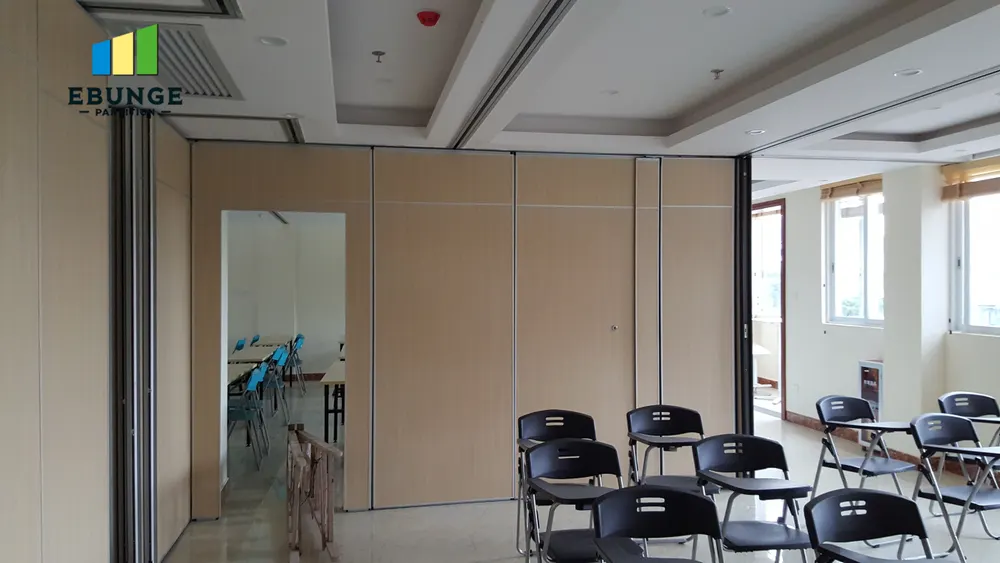
Only where matching project evidence exists. Visible references can support layout discussion but do not verify hidden construction or performance.
How should parking position changes be recorded?
Mark the revised stacking position on the layout, note who reviewed it, and record any open questions about clearance or suitability as items requiring confirmation.
What if the route is no longer continuous overhead?
That is a design issue to resolve before handover.
Who should sign the evidence register?
Each party should sign only for what it can support. Assign ownership by discipline and keep performance statements tied to their own evidence.
Conclusion: Evidence You Can Defend
A re-route is a normal part of site coordination, but it should leave a trail. Keep the baseline, the change, the review and the open items together, and resist the temptation to close gaps with unsupported statements. Confirm project-specific support, acoustic and dimensional requirements with the relevant parties before handover.
If your team is preparing a re-route evidence set, contact EBUNGE to discuss project documentation, layout review and pass-door requirements for your specific scheme.